


Hello fellow-traveller,
Welcome to the Odyssey read-along. Here’s the schedule for you to navigate through this story.
This post, and the ones that will follow, are divided into sections so you can easily follow the text and re-read passages. It does not matter what translation you use — the lines should be the same, although translated differently.
This very first post is unlocked as a gift to everyone, to provide a look at what to expect from this Odyssey journey as it unfolds over the next 12 weeks.
In this journey, I am both an Odysseus and a Telemachus. I might get lost and get stuck on Calypso’s island, yet at the same time, like Telemachus, I need to awaken to act. These are the notes of a fellow-reader, not a scholar.
Later this month, I will also be publishing an interview about the Odyssey with Professor Emily Anhalt from Sarah Lawrence College on Genius & Ink.
I hope you will enjoy it.
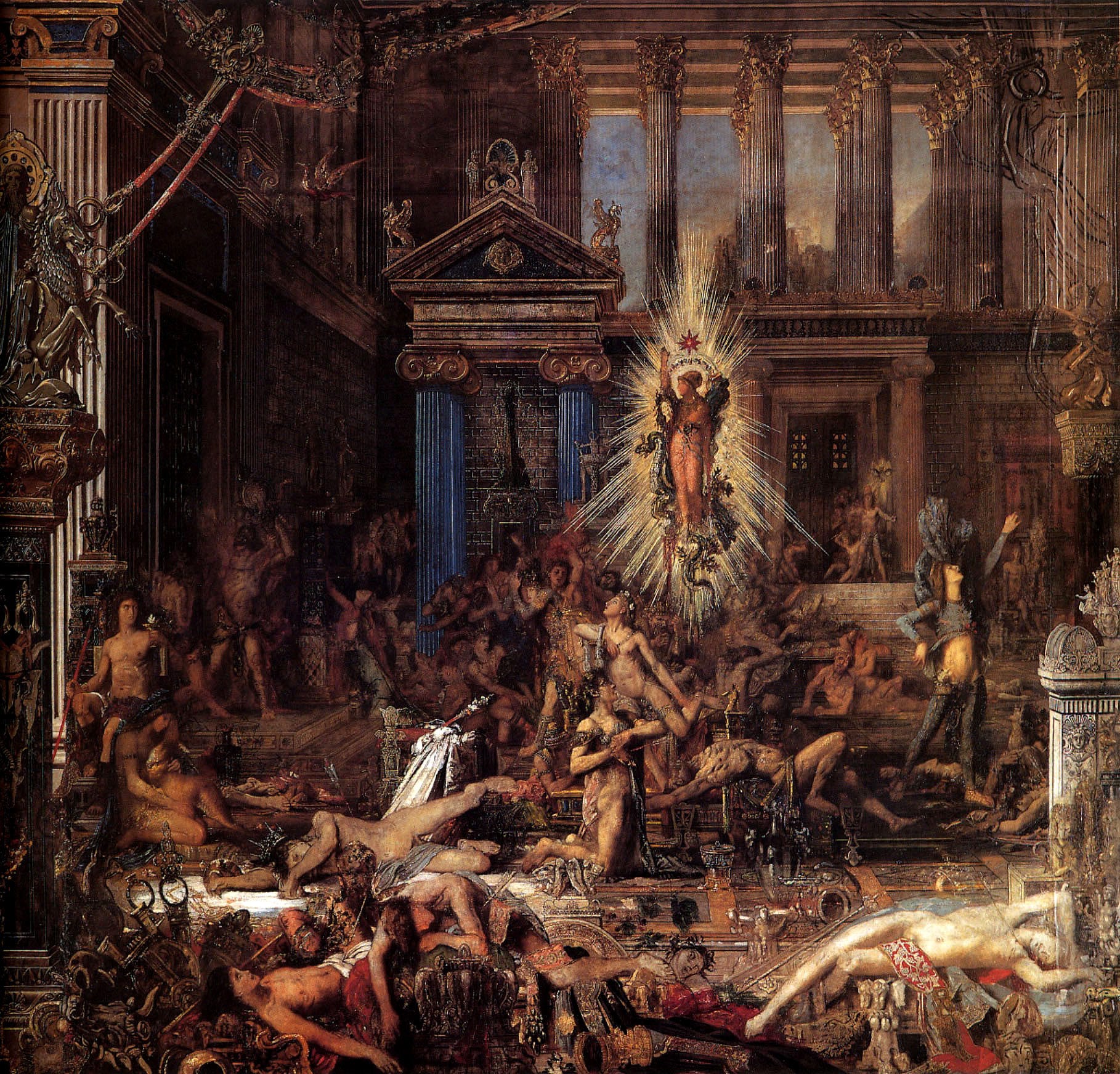
The gods hold council on Olympus and Athena wins permission to act for Odysseus, held ten years on Calypso's island — She descends to Ithaca in the disguise of Mentes, a seafaring stranger, and finds the palace overrun by suitors devouring the estate of a man they believe will never return — She wakes the dormant spirit in young Telemachus, urging him to call assembly and take ship in search of his father — Telemachus silences his mother Penelope with unexpected authority and begins at last to act — He sleeps, his mind turning over the course the goddess has charted
Proofread by Lisa Statler

Sing to me of the man, Muse, the man of twists and turns driven time and again off course, once he had plundered the hallowed heights of Troy.
Many cities of men he saw and learned their minds, many pains he suffered, heartsick on the open sea, fighting to save his life and bring his comrades home. But he could not save them from disaster, hard as he
strove — the recklessness of their own ways destroyed them all, the blind fools, they devoured the cattle of the Sun and the Sungod wiped from sight the day of their return.
They say it’s the survival of the fittest. They say it is the survival of those who can adapt to their environment. The Odyssey shatters both assumptions. For it’s the survival of those, and only of those, who can see clearly.
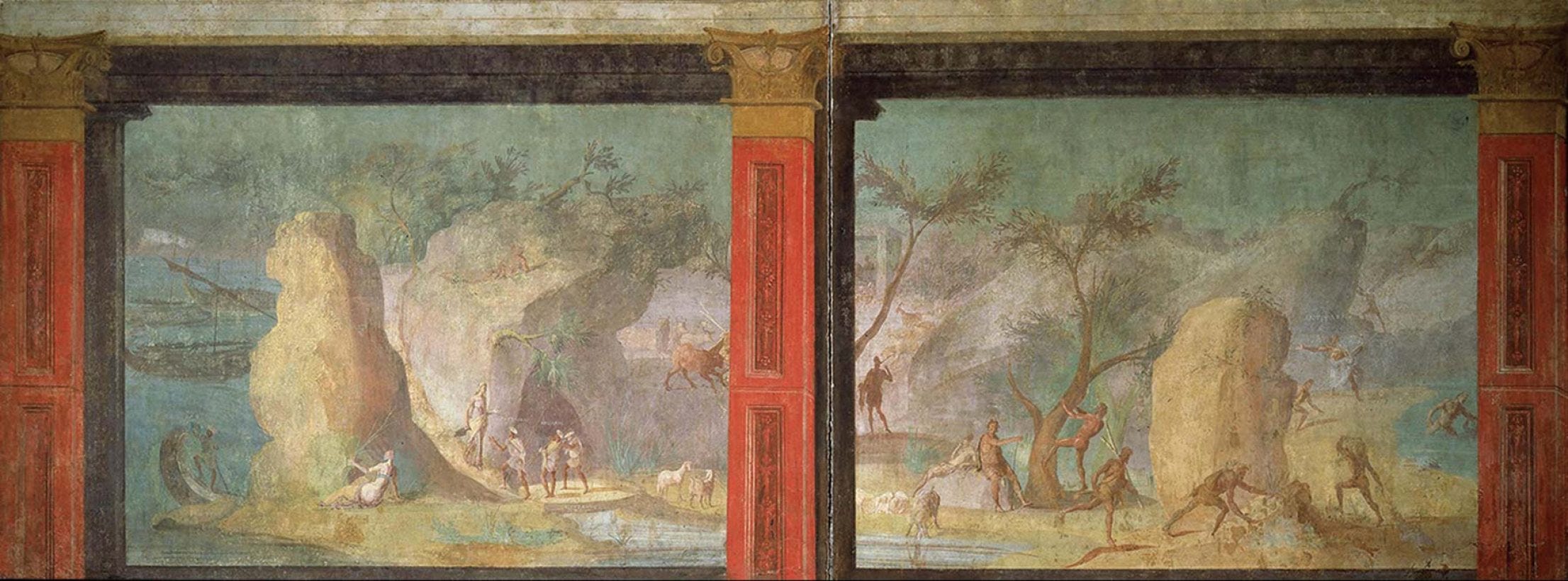
In the very opening of the poem we are told that Troy is left behind us. This is not a poem about war, but a poem about consciousness, of return to it. Odysseus is introduced as polytropos (”of twists and turns”), a man shaped by suffering and knowledge. His comrades were fit and adaptive, Odysseus suffered to bring them back home, but they could not see clearly:
“the recklessness of their own ways destroyed them all, the blind fools, they devoured the cattle of the Sun and the Sungod wiped from sight the day of their return.”
Once again the origins of words reveal the truth hidden for those willing to search and see. For the Greek word for “return” (nostos) is etymologically connected to the words for “mind” (noos) and “coming back” (neomai). This linguistic tie suggests that Odysseus’s physical journey home can be read as a literal reawakening and return to consciousness.
So, this is the reason why I would love to read the Odyssey once again, my reader. Our fate is in our hands and yet it comes with conditions. That condition is seeing clearly. This duality that we have explored in Oedipus the King and Antigone, and that was the reason why I had done those read-alongs first. How do we see clearly? How do we become conscious? Why do some people awaken and act and alter their fate, find their way back home, while others in more accommodating circumstances don’t?
The poem answers immediately. Zeus opens his divine council not with Odysseus or Telemachus but with Aegisthus — a man I have to say I missed the full meaning of when I read this poem for the first time. Perhaps some of the most powerful lines in the poem, I wrote about 15 pages in my journal to understand the full meaning of them:
“Ah how shameless — the way these mortals blame the gods. From us alone, they say, come all their miseries, yes, but they themselves, with their own reckless ways, compound their pains beyond their proper share.”
This is the wisdom of the poem: we compound our own doom. Yes, suffering is given to all of us mortals, but self-destruction remains optional. Aegisthus was warned by Hermes not to kill Agamemnon, the great leader of the Greeks in the Trojan War, and not to marry his wife, Clytemnestra. “Far in advance we told him so ourselves,” Zeus says, “but would Aegisthus’ hardened heart give way? Now he pays the price — all at a single stroke.” He ignored the divine warnings and was ultimately killed by Orestes, Agamemnon’s son, who is praised throughout the poem for returning justice to the world.
The story of Aegisthus and Orestes is a mirror of the story of Odysseus and Telemachus. The whole first four books — the Telemachy — are about whether Telemachus can become the kind of son who acts, who takes responsibility for his house, confronts the suitors, and avenges his father’s honour. Nestor, Athena, and Menelaus all hold up Orestes as the model: look what a son can do.
Before we proceed to Athena, I would love to draw the reader’s attention to one important theme in this journey. Gods are not passive beings in the Greek mind. They intervene, and even when they choose not to, it is in itself a form of action. They favour us when we do not run against them — that is their condition. They would not have saved Aegisthus because he violated the divine order of the cosmos. Conversely, they will favour Telemachus because he is innocent; he sees the suitors violating the divine order and destroying his household, yet he is too paralysed by fear to act.
And so Athena rises to speak. She introduces the image of Odysseus trapped on Calypso’s island, weeping on the shore, longing for home — “a wave-washed island rising at the center of the seas,” where a goddess, a daughter of Atlas, holds him captive, “forever trying to spellbind his heart with suave, seductive words and wipe all thought of Ithaca from his mind.” And yet Odysseus, “straining for no more than a glimpse of hearth-smoke drifting up from his own land, longs to die.”
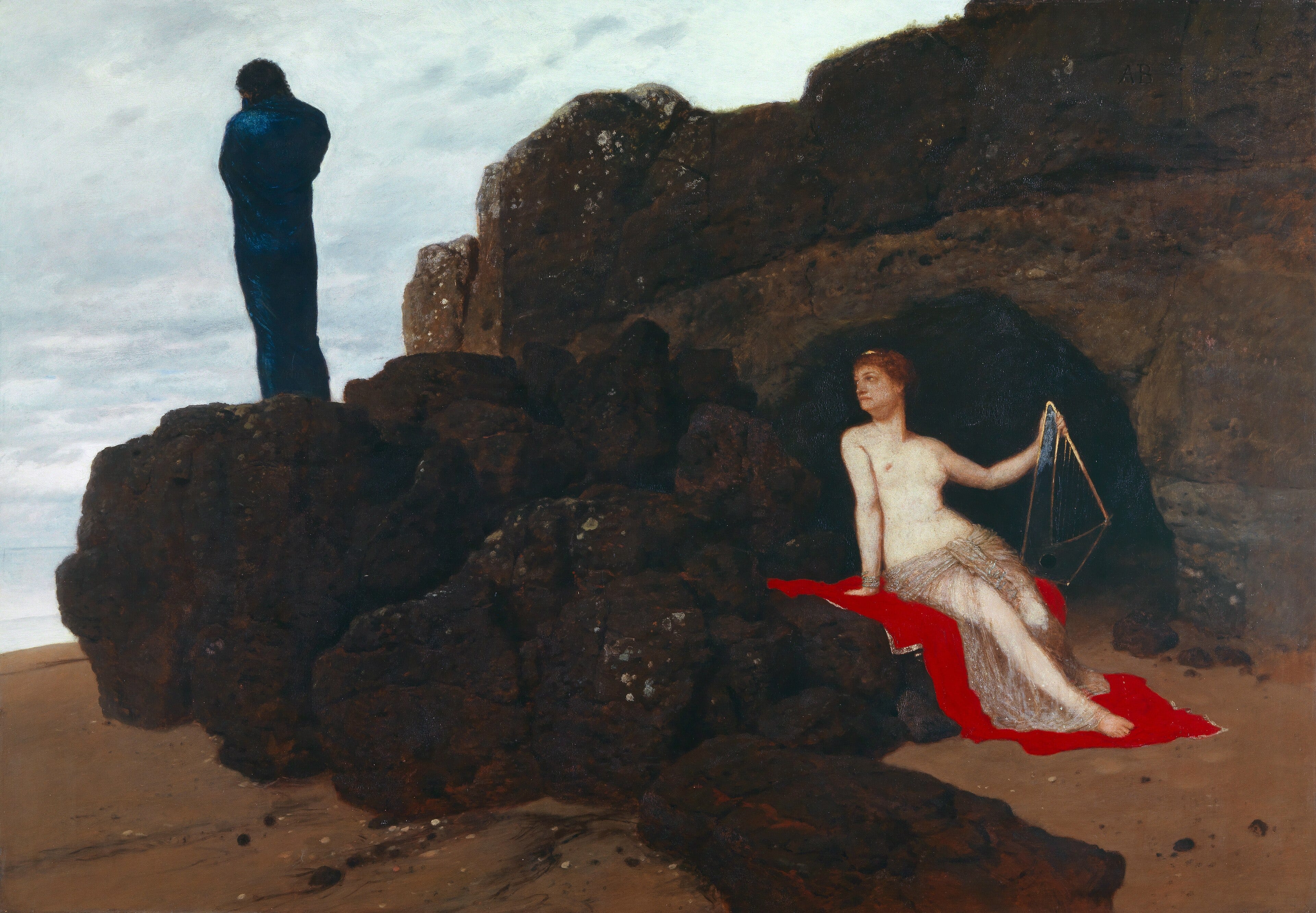
I felt like a child who just discovered reading when we explored Sophocles’ plays last few months, and I do feel like a child right now. Calypso seduces our minds, my dear reader. We interpret comfort for the final aim, we get used to it, and refuse to long, to act, to search. Calypso’s song tells us that comfort without meaning is a form of death. And Odysseus, trapped on that island full of comfort, longs not for glory or treasure but for hearth-smoke — which is, in some sense, the most domestic sign of home. Home. But what is that we call “home,” my reader? It is a physical location, of course, and yet it is something more profound as well.
Athena then divides the rescue mission: she will dispatch Hermes to free Odysseus from Calypso, while she herself goes down to Ithaca to “rouse his son to a braver pitch, inspire his heart with courage.” For Odysseus to return, his home must be ready to receive him. It is interesting to see that Athena, the goddess of wisdom, does not travel to Odysseus himself but goes to Telemachus, while Hermes who represents not just the messenger of the gods but is also psuchopompos, the guide who leads the dead to the Underworldm goes to Ogygia.
Hermes does not just lead souls into the underworld; his wand also symbolises the power to “enchant the eyes of men” or “wake them from sleep.” Hermes unites the poles of dream and reality, failure and success. Telemachus needs wisdom to sort his house in order.
Odysseus needs to wake from his sleep.
First by far to see her was Prince Telemachus, sitting among the suitors, heart obsessed with grief. He could almost see his magnificent father, here . . . in the mind’s eye — if only he might drop from the clouds and drive these suitors all in a rout throughout the halls and regain his pride of place and rule his own domains! Daydreaming so as he sat among the suitors, he glimpsed Athena now
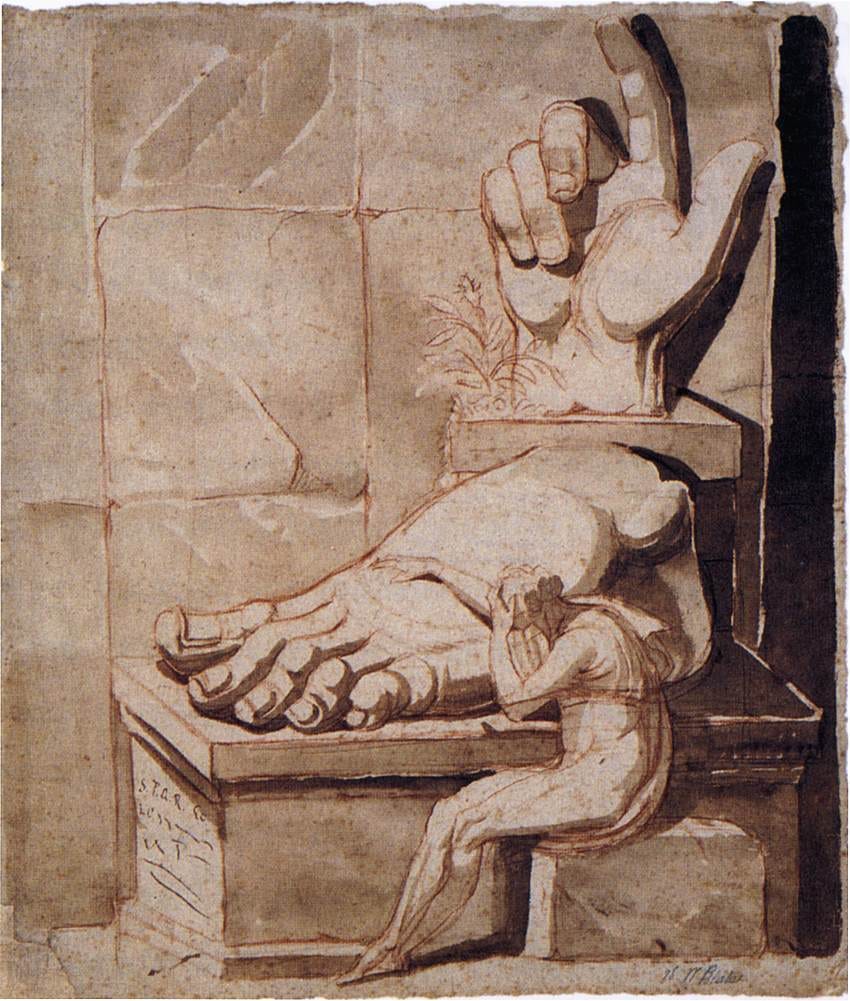
I can see myself in Telemachus. Daydreaming about things that I could be if only I’ve done what I should. I blame my parents for the things I’ve not become, circumstances for things that i could be, I was born in the wrong century.
This is the mind and a chain of thought of a child, a soul that has been guided by the elders, who has been told what decisions he should have made.
Telemachus is displacing agency onto an absent figure. He cannot yet imagine himself as the one who acts and he projects power onto a father he has never known. The daydream is the hallmark of someone who knows something must change but lacks the inner authority to begin.
The first four books that we will explore are precisely about him transforming from a day-dreamer into someone who can act.
In this state of daydreaming, Athena descends from Olympus in the guise of a guest named Mentes. It is essential to pay close attention to these details and dive deep into the meanings of these figures and their names, much as we previously explored the figures of Aegisthus and Orestes.
As the reader can see, these names are profoundly significant. We must examine who Mentes is, as he is a real person within the narrative: a seafaring trader and an old family friend of Odysseus. This choice of disguise is far from random. Because the name Mentes is etymologically connected to menos—signifying spirit-force, mind, and intention—a grasp of ancient Greek is vital to understanding these epics.
Later in the poem, Athena assumes the form of Mentor—a name that persists in the English language today and originates from the same root. Quite literally, she appears to Telemachus as the embodiment of “mind” and “intention.”
Recently, I was reading the work of the American philosopher John Searle. Searle explores the idea that a key element of maturing and exercising free will is intentionality; he argues that the ability to take intentional actions is the primary sign of maturity. It is remarkable that a 20th-century philosopher, after years of studying neuroscience, would express an idea the ancient Greeks understood millennia ago.
When Athena arrives as “mind,” she does so as a trader rather than a warrior. A young man frozen in his own daydreams does not require a warrior to overwhelm him with greatness; instead, he needs a figure who models competence, mobility, action, and movement.
What is most psychologically compelling is where Athena-Mentes positions herself when she approaches Telemachus. She does not simply enter; she stands at the threshold. She is neither inside nor outside. This threshold represents a liminal space—the boundary between two distinct states of being.
This “mentor” who comes to Telemachus effectively demands that she not enter of her own accord; Telemachus must take the initiative to invite her in. This signifies that the awakening of the mind from a state of daydreaming requires our own consent. Transformation does not simply arrive; we must actively consent to the change.
Before we look at how Telemachus rushes to Athena and invites her in, it is worth pointing out his surroundings. He is essentially encircled by the suitors, who are lounging on the hides of oxen they have slaughtered themselves. They are literally sitting on the skins of his own animals, rolling dice and gambling, treating his house like a common leisure hall. Surrounded by this blatant disrespect, Telemachus sits quietly in a state of “daydreaming”. In this delirium of grief, he inadvertently becomes a passive observer of his own home’s destruction.
Yet, what pulls him out of this state is the sight of a guest—Mentes (Athena)—standing on the porch, awaiting an invitation. Telemachus is instantly struck by the shame of being a bad host; he is mortified that a stranger has been left standing at his doors while no one has welcomed her. This matters enormously. I am doing this read-along specifically to highlight these often-neglected concepts, such as xenia—the sacred law of hospitality.
This instinct for xenia lives within him despite his father, Odysseus, being gone since he was an infant. Telemachus had no father to teach him these sacred rites, and he has grown up in a household where hospitality has been perverted into a parasitic nightmare of uninvited guests who devour what is not theirs. He recognizes that his problem is not a lack of character, but a lack of authority.
Driven by instinct, he rises from among the suitors. He physically separates himself from the ugliness occurring in the heart of his home. He walks to the threshold—a space that, in all mythology, is deeply symbolic. He meets “Mentes” at this boundary and invites her into his soul’s domain. For a house is more than four walls; it is a sign of the soul. If your desk is messy, your mind is often messy; if your house is overrun, your spirit is besieged.
Telemachus clasps her hand, takes her spear, and places it in the burnished rack against a sturdy pillar. This is the same rack where the spears of the embattled Odysseus stand “stacked and waiting”. He then seats her in a high, elaborate chair of honor. There are such deep psychological layers here: the humility to place the true guest above oneself and to elevate wisdom. It is a gesture that reminds me of Boethius in The Consolation of Philosophy, reaching for a higher logic when the world seems to have fallen into ruin. Telemachus does not need to be “made good”; he needs a revelation—a power—that gives him permission to act on the goodness he already possesses.
What follows is the pivotal conversation between Telemachus and Athena. If we pay close attention—and the ancient Greeks were masters of this kind of psychological nuance—we see Telemachus lean closer to her before speaking. He does this to reveal his deep contempt for the suitors, who lounge about with no care in the world, feasting on another man’s stores.
There are two psychological elements here that are deeply moving. The first is the agony of ambiguity regarding his father’s fate. Telemachus is trapped in a state of limbo; he does not know if Odysseus is alive or dead. This uncertainty paralyzes him. If his father is alive, perhaps he should simply wait for his return to deal with the suitors; if he is dead, it is time for Telemachus to finally take action himself. We see this same “frozen” state in Penelope, who is similarly unable to move forward while the status of her husband remains unknown.
The second element is even more crucial: the burden of reputation. Telemachus has been told he is the son of the great Odysseus — a man of incredible world-renown — and yet he lives entirely in the shadow of a father he has never actually met. He is defined by his origins, yet he lacks his own identity. He even goes so far as to express a heartbreaking wish: that he were the son of an ordinary, happy man. He would prefer mediocrity and a tangible presence over great origins that leave him with nothing but a void.
It is mind-blowing to see these themes explored two and a half millennia before modern existentialists began to dwell on the “anguish of uncertainty.” First, he recognizes that his world is broken; second, he recognizes the uncertainty of life; and third, he asks, “Who am I in the midst of this?” While later philosophers offer half-formed solutions, the ancient Greeks use this poem to chart a direct path toward the action one must take to claim their own life.
After Telemachus confesses his doubts, Athena responds with a call to action: she asks him to declare war on his enemies. For too long, Telemachus has viewed the suitors’ presence as a normal, if painful, reality. He intuitively senses it is wrong, but he hasn’t yet named it as an “outrage” . This is the first element of awakening: you define yourself by identifying who you are not. Athena makes him see clearly, and as we have noted, those who survive are the ones who begin to see.
Next, she addresses his paralysis regarding his father’s fate by pushing him to investigate. She essentially tells him to stop daydreaming and guessing; he must go and find those who actually have information. This is the birth of intentionality—the transition from being a passive observer to having agency over one’s own life.
She then provides a concrete, three-part plan: summon the assembly, sail to Pylos to question Nestor, and then to Sparta to see Menelaus . She sets a deadline: if he hears his father is alive, he must hold out for one more year; if he is dead, he must raise a tomb and give his mother to another husband . She is forcing him to end the “limbo” that has kept him frozen.
Perhaps the most remarkable psychological insight is Athena’s direct command: “You must not cling to your boyhood any longer. It’s time you were a man”. She reveals that by merely hoping his father will return to “sort things out,” he is avoiding his own maturity. He is wishing for someone else to tell him what to do.
Following these words, as Robert Fagles translates, Telemachus “felt his senses quicken”.
Before this visit, his mind was dulled by grief and habit. Now, his mind wakes up. This scene ends with a brilliant moment of internal recognition: when Eurymachus later asks about the stranger, Telemachus lies and calls him an “old family friend,” yet deep in his mind, he knows he has encountered an immortal goddess .
To a secular mind, this might seem like mere mythology, but the truly wise understand that a mortal encounter can deliver a revelation so profound it can only be described as divine.
When one begins to explore the great masterpieces of literature, it becomes clear why scholars dedicate lifetimes to them. Following the departure of Athena, Penelope descends from her chamber. She rebukes the bard Phemius for singing of the “Grim Return” from Troy, as she suffers from a psychological ambiguity nearly identical to that of Telemachus. Yet, while Athena has awakened Telemachus, Penelope remains in a vast space of uncertainty. She is the structural center of a household that is currently adrift, performing her grief in front of suitors in a way that is both genuine and strategic.
This is where we witness Telemachus’s mind at work for the first time as he begins to straighten his own household. In a moment of intense psychological tension, he silences his mother. His motive is not mere dominance; he is drawing a boundary between the private grief that belongs to their family and the public composure required in the presence of enemies. While his act is undeniably harsh, it raises a recurring question in the “Telemacheia”: can one grow up without causing harm?
After dismissing his mother, Telemachus confronts the suitors, calling them “insolent” and “overweening”. They bit their lips in amazement at his daring, yet we see he has not fully matured. His threat remains conditional; he tells Antinous they must leave or face divine punishment from Zeus. He appeals to cosmic justice because he lacks the personal agency to enforce his will alone. He buys time, suggesting they dine for the evening before the formal assembly he sets for the following morning.
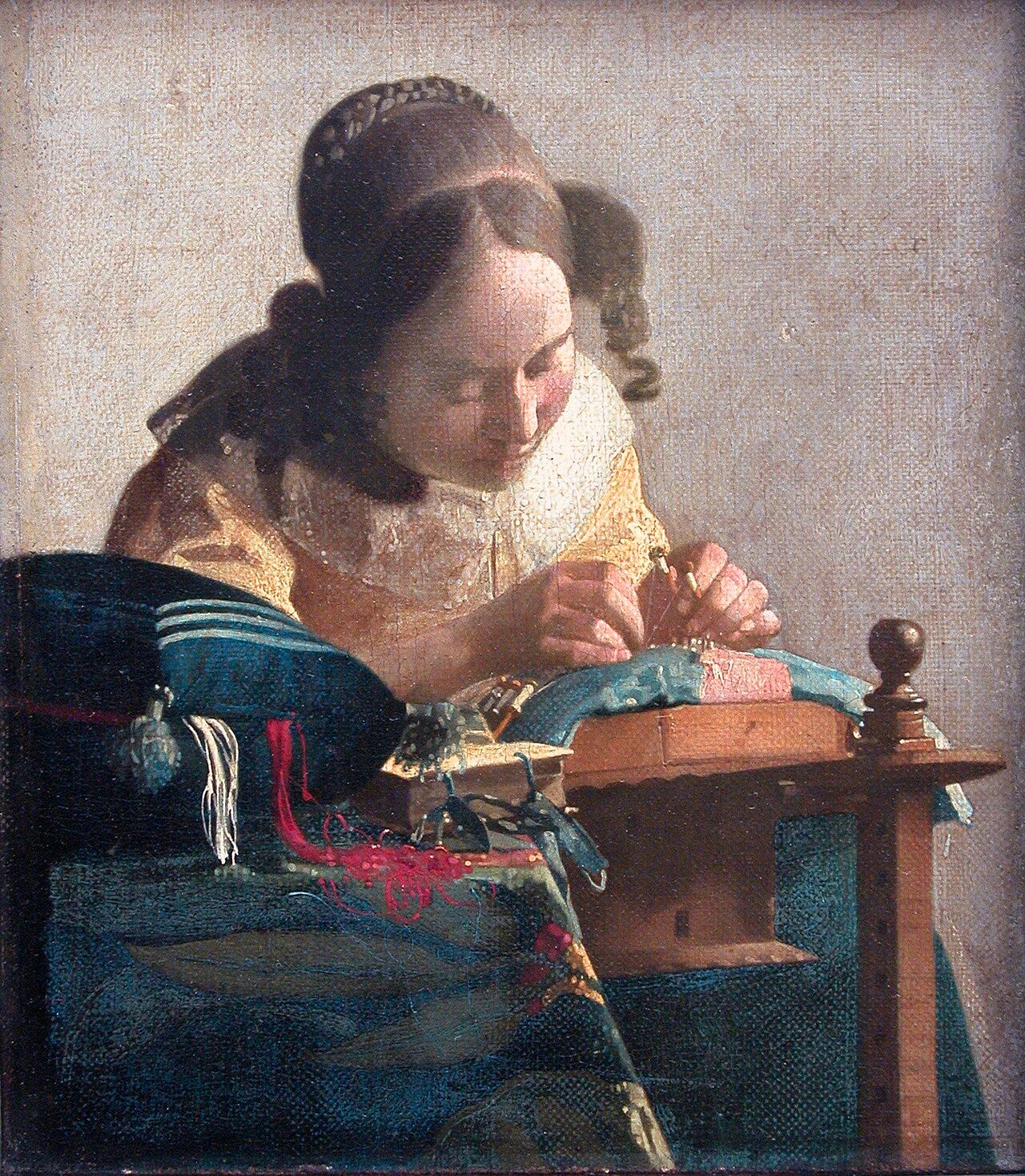
The book closes with an essential psychological element. As the suitors retire, Telemachus goes to his bedroom escorted by Eurycleia. Homer pauses here to provide her biography: the daughter of Ops, purchased by Laertes for twenty oxen, and honored as highly as a wife—though never touched. Through this connection to his childhood, she remains the truest link to the old order—the time when Odysseus ruled and Penelope knew her husband was present. Eurycleia is a remnant of a stable past. The final image of the book is Telemachus alone in the dark, wrapped in a sheep’s warm fleece, thinking. The poem began as a story of consciousness, and its first book ends on exactly that: a mind at work in the silence.

The second book opens with a profound physical and spiritual transformation. Telemachus, whom we left at the end of Book One weighing the course Athena had charted for him, now springs from his bed, slings his sword, and fastens his sandals. He steps out “handsome as a god,” a stark departure from the melancholy youth who sat daydreaming among the suitors just a day prior. Overnight, in the darkness of his reflections, something has changed; he has transitioned from the state of a nepios (infant, child) to a man capable of intentionality and free will.
He takes his first decisive action by ordering the heralds to summon the Ithacans to full assembly, an institution that has been silent for twenty years. As he strides into the meeting grounds with a bronze spear and two sleek hounds at his heels, we see a symbol of early mastery: he has tamed the animals within his own house before facing the “animals” of the city. When he takes his seat, he chooses the place of his absent father, claiming a position that should belong to him by right, though it must yet be earned through trial and metis (cunning). This newfound “splendor” is the work of Athena, making him visible to the community because he has finally aligned his path with a higher divine purpose.
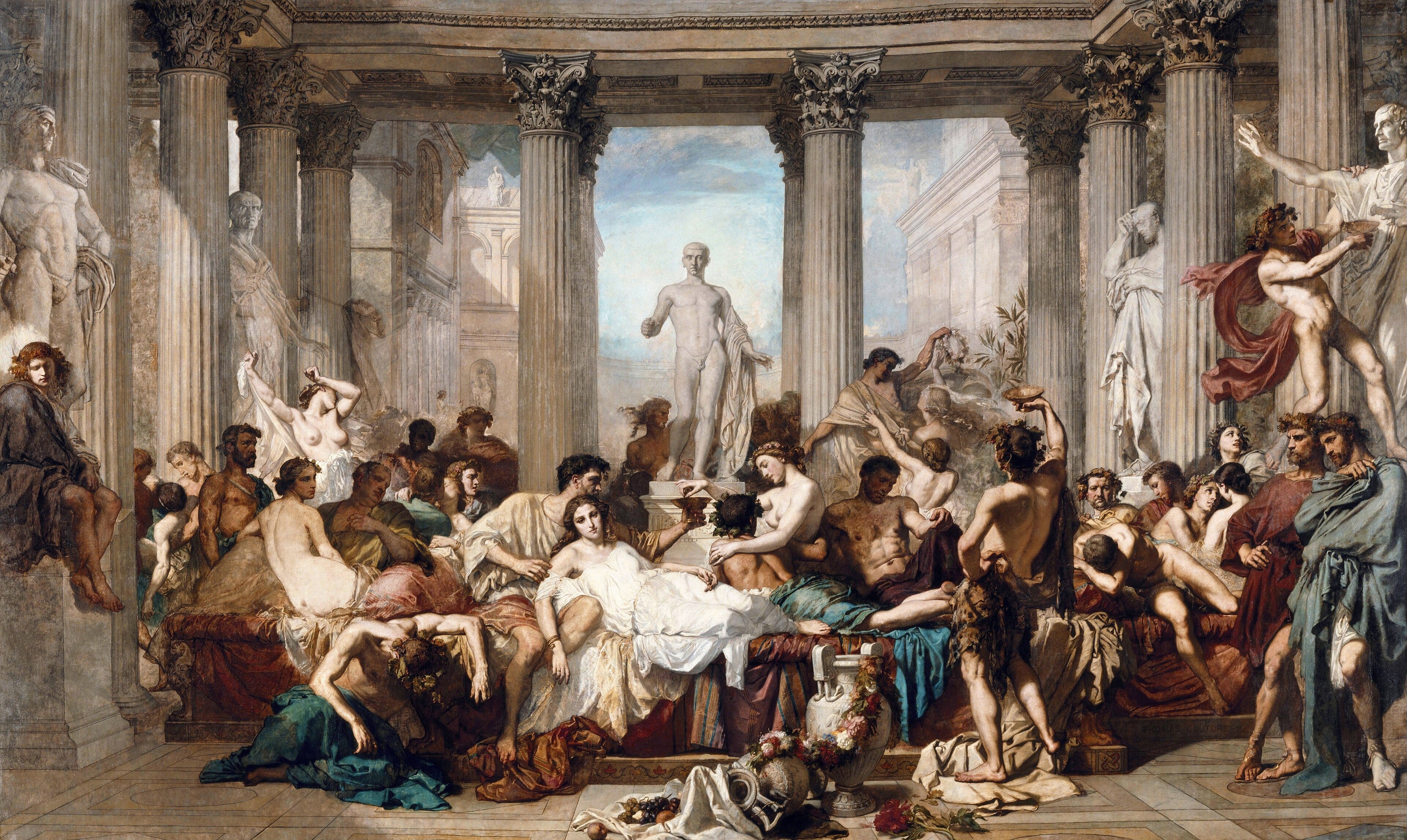
The assembly represents the community of Ithaca, but they receive Telemachus through a shared wound. The first to speak is the old lord Aegyptius, a man stooped with age who is still grieving for his son, Antiphus, who sailed with Odysseus and was eventually eaten by the Cyclops. This history of gruesome loss frames the moment Telemachus receives the scepter, the formal symbol of legal authority and themis (customary law).
Telemachus’s speech is a complex navigation of grief and accusation. He first addresses the personal and kingly wound, reminding the community that his loss is their loss. Odysseus was a “gentle father” to the whole land, and his absence has left Ithaca in a state of political stagnation. However, he then moves to a dangerous accusation, turning the blame outward. He states that the suitors are not just external thieves, but the “sons of the very men who are your finest here.” He identifies an internal corruption that has allowed the king’s house to be plundered while the community watched in silence. This is not merely a family dispute; it is a violation of the cosmic order.
After stretching his newfound consciousness and authority to its absolute limit, Telemachus is overwhelmed by emotion. He dashes the speaker’s scepter to the ground and bursts into tears. This moment marks the vulnerability of a young man attempting to inhabit a role he cannot yet physically enforce.
“Pity seized the assembly. All just sat there, silent... no one had the heart to reply with harshness.”
A dark silence follows. The community feels pity for him, but pity without action is worthless. This provides a vital psychological lesson: the declaration of an injustice is necessary for one’s own internal integrity, but the world cannot be corrected by the sympathy of onlookers alone. It requires a movement the community is not yet ready to make.

The silence is broken by Antinous, whose name literally means “anti-mind” or “against the spirit” (anti + nous). He represents an “anti-awakening” force, attempting to pull Telemachus back into the sleep of passivity. Antinous aggressively redirects the blame onto Penelope, labelling her the “matchless queen of cunning.”
He reveals her weaving trick: how she used her own metis to suspend time for over three years, weaving a shroud for Laertes by day and unweaving it by night:
“So by day she’d weave at her great and growing web, by night, by the light of torches set beside her, she would unravel all she’d done. Three whole years she deceived us blind, seduced us with this scheme...”
Even Antinous admits the suitors were fooled; they were not outsmarted by force, but by a story. This mirrors Odysseus’s own victory via the Trojan Horse, a triumph of narrative over arms. Penelope’s weaving is the female counterpart to Odysseus’s cunning. She is polytropos in her own medium: the shroud is nominally about death, but her unweaving is an act of resistance against time itself. She refuses to let the narrative advance, suspending the story in an eternal present.
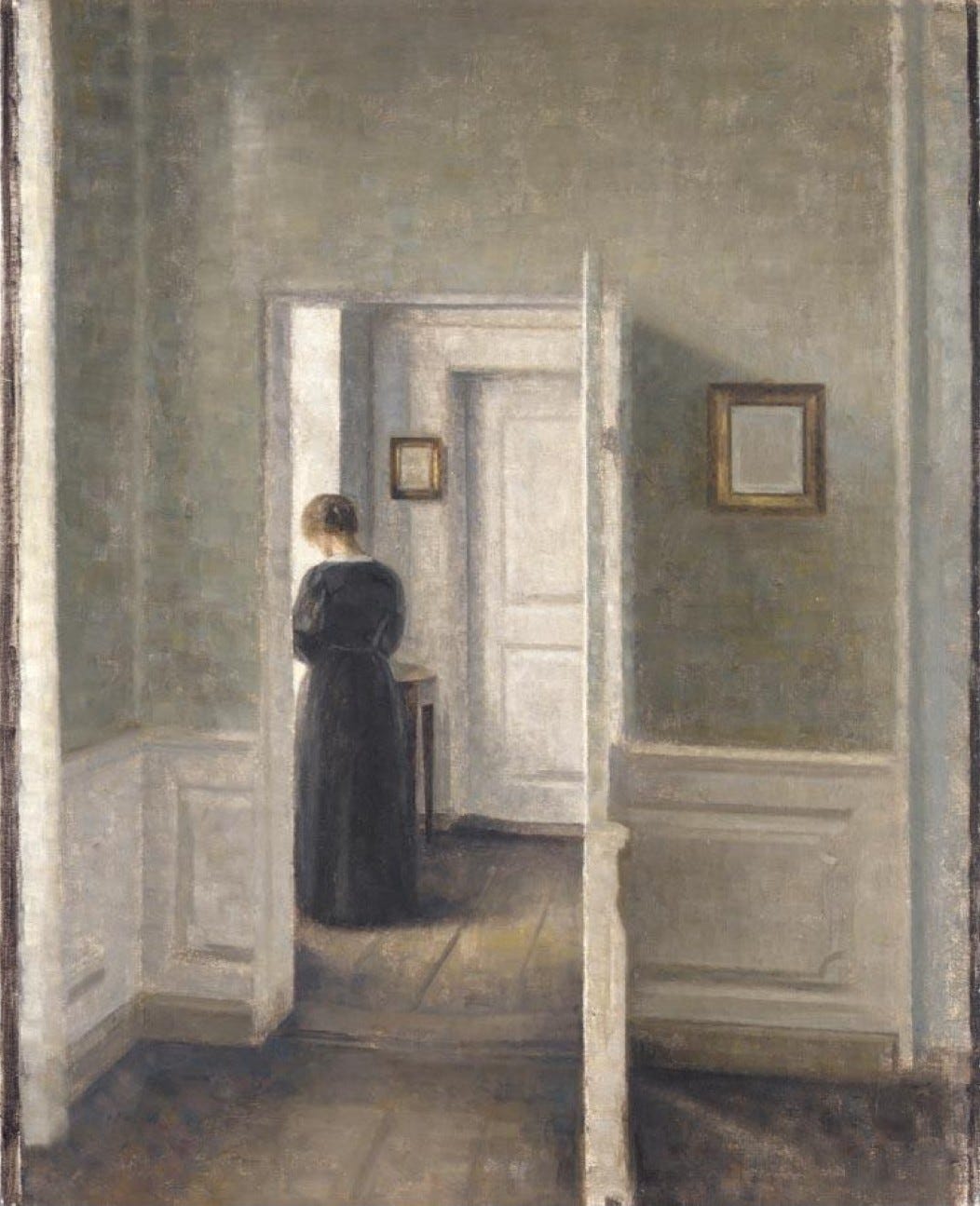
That the trick was ultimately betrayed by one of her own women adds another painful layer. The house is being attacked from within as well as without. The greatest danger comes not from the enemy at the gates but from the traitor inside the walls.
Following this exchange, Zeus sends a sign: two eagles descending over the assembly, tearing at each other’s faces. While a modern secular mind might dismiss this as superstition, to the Greeks, signs were symptoms of a disease within the body of the state. The prophet Halitherses, representing a wisdom that is present but consistently ignored, reads the sign as a warning that Odysseus is near and destruction is coming for the lawless.
The response of the suitors reveals two faces of denial. Antinous represents aggressive denial, using rage to silence the truth. Eurymachus represents a smoother, more diplomatic sedation. He mocks the prophet, telling him to “go home and babble your omens to your children,” choosing a wilful blindness to the symptoms of the state’s collapse. Eurymachus is in many ways more dangerous than Antinous: where Antinous is openly brutal, Eurymachus makes inaction sound reasonable.
The scene reaches its political climax when the figure of Mentor rises. He does not direct his primary fury at the suitors, but at the public, the demos of Ithaca:
“I don’t grudge these arrogant suitors for a moment, weaving their violent work with all their wicked hearts... But all the rest of you, how you rouse my fury! Sitting here in silence... never a word put forth to curb these suitors, paltry few as they are and you so many.”
He is incensed that they have watched the destruction of their kingdom and remained neutral. His bitter sarcasm is devastating: “Never let any sceptered king be kind and gentle now... let him be cruel and always practice outrage.” If this is what Ithaca does to a good king’s legacy, then kindness itself is a mistake. Goodness is wasted on a community that will not defend it.
This institutional collapse is finalised when the suitor Leocritus dissolves the assembly without a resolution, and the people scatter “each to his own house, while the suitors strolled back to King Odysseus’ palace.” The word “strolled” is brutal in its ease. They are unhurried, unconcerned. The institution of the assembly has failed entirely.
If Telemachus represents our consciousness, then Ithaca represents the entire mind. When a conscience has fallen into delirium, it is impossible to heal the mind from within the same environment that lulled it to sleep. One must journey outside of the self, outside of Ithaca, to gain the perspective required to restore the household.
Having exhausted all earthly political tools, Telemachus walks alone to the beach, the threshold between the known and the unknown, and washes his hands in the foaming surf. This is ritual purification: he is cleansing himself of the assembly’s failure, preparing for something new. In Greek religion, you wash before approaching the divine. He is making himself ready.
Athena, appearing now as Mentor, a name growing closer to its root of “mindful” guidance, responds with a challenge:
“Few sons are the equals of their fathers; most fall short, all too few surpass them. But you, brave and adept from this day on, Odysseus’ cunning has hardly given out in you, there’s every hope that you will reach your goal.”
She provides the mobility and action the community refused him, giving practical steps: go home and pack rations. But before he can leave, there is one more test.
Antinous approaches him, “smiling warmly,” and invites him to eat with the suitors: “Come, eat and drink with us, just like the old days.” This is false hospitality, a trap. To dine with them is to accept the situation, to be complicit in the feast. Telemachus refuses: “How could I dine with you in peace and take my pleasure? You ruffians carousing here!” He draws his hand from Antinous’s grip “nonchalantly,” without drama. This is not a boy’s defiance. It is a measured, adult refusal of complicity.
Telemachus then enters his father’s storeroom, “broad and vaulted, piled high with gold and bronze, chests packed with clothing, vats of redolent oil.” There, standing against the wall, “were jars of seasoned, mellow wine, holding the drink unmixed inside them, fit for a god, waiting the day Odysseus, worn by hardship, might come home again.” The storeroom is a portrait of the absent father. Everything in it is waiting.
He calls Eurycleia, his old nurse, and asks her to prepare rations in secret. She protests, bursting into tears: “Why, dear child, what craziness got into your head?... these brutes here, just wait, the moment you’re gone they’ll all be scheming against you.” She is the voice of love that wants safety over growth. She would have him stay, guard what he has, survive small. Telemachus answers: “Courage, old woman, there’s a god who made this plan.” He asks her to swear an oath not to tell Penelope. He is learning that action sometimes requires secrecy, that protecting the people you love sometimes means leaving them in the dark.
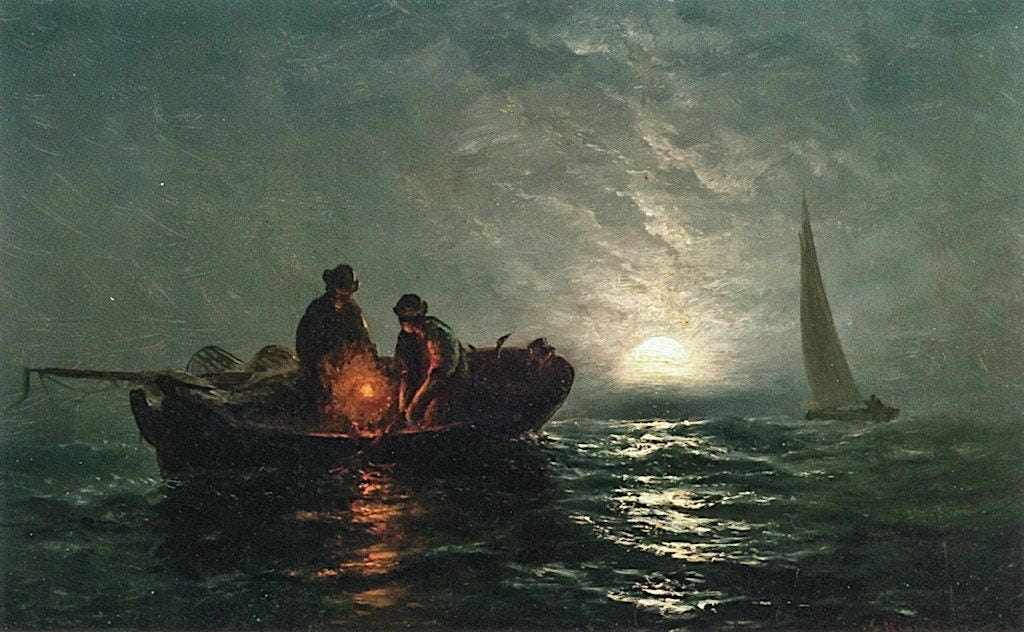
Finally, Telemachus sails into the night on a ship assembled by Athena, and in a beautiful image of partnership, the goddess and the prince sit side by side at the stern, steering the ship together through the dark waters:
“Suddenly wind hit full and the canvas bellied out and a dark blue wave, foaming up at the bow, sang out loud and strong as the ship made way, skimming the whitecaps, cutting toward her goal... and the ship went plunging all night long and through the dawn.”
They cross the ultimate threshold, leaving the stagnant land for the potential of the sea. The departure happens not in triumph but in darkness, in secret, under divine cover. This is the Odyssean departure: concealed, strategic, humble. He is leaving as his father would leave.
The book that began with Telemachus taking his father’s seat ends with him taking his father’s sea. He is no longer sitting. He is moving.

No posts
Comments
Nothing yet. Say the first thing.
Sign in to join the conversation.