
I’ve been getting into birding recently. When this comes up in conversation, people are often surprised. Not only is birding an uncommon hobby, but most people strongly associate it with old men. Fair enough! As a young person, I could probably be doing something else. Nevertheless, I’ve found there’s a lot to like about birding!
So how did I get into it?
My first exposure to birding came in elementary school when I watched The Big Year. The comedy stars Jack Black, Owen Wilson, and Steve Martin as three birders competing to see (or hear) as many species of birds as possible in the United States within a single calendar year. In the movie, people visit landfills, take boat trips, and fly across the country at a moment’s notice just to see birds. While it didn’t inspire me to drop everything and become a birder myself, it did introduce me to the world of birding.
After that, I bumped into birding a few more times. In high school, I completed a project for an ecology class that involved tracking local cardinal populations throughout a semester. This meant waking up before sunrise, biking to a nearby park, and shivering along wooded trails while listening for the metallic chirps of northern cardinals. Years later, my family picked up Wingspan, a bird-themed board game. Despite these encounters, I still had no interest in birding.
That changed this summer when I watched Listers. Someone on my X feed recommended the documentary, which follows two brothers with no prior birding experience as they attempt a big year and document their journey. Around the same time, my wife had been encouraging me to explore hobbies unrelated to work. Inspired by Listers and a veery spotting on a hike the next day, I decided to give birding a try.
After downloading the requisite apps (Merlin, eBird), gathering the few essentials (a camera, a pair of binoculars, a secondhand copy of Sibley), and going on several bird-focused outings, I’ve come to appreciate birding for a few reasons:
God has given mankind responsibility for the creatures He has made. Immediately after creating mankind, He commands them: “Be fruitful and multiply, and fill the earth, and subdue it; and rule over the fish of the sea and over the birds of the sky and over every living thing that moves on the earth” (Gen 1:28b).
The phrase “rule over” can sound harsh, but the command is to rule benevolently. God has entrusted us with creation, and we’re responsible for caring for it wisely. As a king cannot rule wisely without knowing his subjects, neither can we steward creation without knowing and understanding its creatures.
This mandate is put into practice in the following chapter when God brings the animals to Adam to be named: “whatever the man called a living creature, that was its name” (Gen 2:19b). It’s a bit funny that Adam was perhaps a taxonomist before he was a gardener, but it seems significant that the first thing he had to do was observe each creature and name it (even if he failed to find a suitable helper).
Walking through a wildlife refuge with binoculars, learning to distinguish a yellow warbler from a goldfinch, counting species, and recording observations all echo Genesis 2:19 to me. This isn’t to say that everyone needs to bird. Rather, birding is one small way of knowing, appreciating, and stewarding the world God has entrusted to us.
When Pokémon GO came out, I got super into it. The game is built around exploration: to find wild Pokémon, you have to visit new places in the real world. At the height of my obsession, I spent hours each day walking around public parks with friends, exploring my neighborhood, and even visiting cemeteries with the Pokémon GO app open and the goal of finding Pokémon.
Birds have a surprising amount in common with Pokémon. They’re sometimes cute, sometimes strange-looking creatures that come in a wide variety of colors, live in different habitats, and each have their own distinctive calls. There are roughly 1,000 bird species in the United States and roughly 1,000 different Pokémon, so there’s not even a huge difference in how much collecting and learning is involved.
And the experience of birding is remarkably similar to playing Pokémon GO. To find different birds, you have to go to different places. Birders keep life lists that function a bit like Pokédexes. There’s community too: the other weekend, I bumped into a group of birders at a wildlife refuge and tipped them off to a nearby heron. Apps like eBird even help you track your observations (and drain your battery) as you explore. If you enjoyed Pokémon GO, there’s a good chance you’d enjoy birding too.
Some things are easy to pick up but don’t have much depth (think War or Go Fish). Others are so difficult or expensive that getting started is a challenge (surfing and skydiving come to mind). Birding falls into a great niche: it’s easy to begin, but difficult to exhaust.
One thing I’ve appreciated about birding is that there are interesting birds almost everywhere. On walks around my neighborhood, I’ve spotted cardinals, blue jays, finches, sparrows, crows, gulls, and more. Without traveling anywhere special, I can learn to recognize common species and begin distinguishing their songs and calls. Birding makes me enjoy ordinary walks at dusk around the city more.
At the same time, there are many birds that are harder to find and identify: birds of prey soaring high overhead, little gray birds that all look identical to me, and species that only appear in certain corners of the state. Then there are migratory birds, which come and go with the seasons. Together, these make birding feel fresh throughout the year. I’m already looking forward to the fall (I’m hoping to see a starling murmuration) and the winter (when snowy owls return to Massachusetts).
The more I’ve gotten into birding, the more I’ve realized how much there is to learn. Identifying birds by sight is only the beginning. Many birders can identify species by song alone. Others become experts on migration patterns, habitats, nesting behaviors, or local populations. Some focus on photography. Others obsess over a single species. So even though birding is easy to start, there’s always more to dig into.
I’ve been feeling like I haven’t been taking advantage of what the Northeast has to offer. People in Massachusetts talk about the North Shore and the South Shore, taking ferries to the barrier islands, going out to the Cape, driving to the Berkshires, and more—but I often find myself staying within the Boston/Cambridge/Somerville bubble. I’m a social person, but I’m also easily contented by coffee shops, breweries, and a good book.
Birding has given me a reason to get out of that routine. How will I see shorebirds if I never go to the shore? Different birds live in different environments, and that fact has started to shape where I want to go and when. It’s made me more aware of the landscape around me as a patchwork of habitats worth exploring.
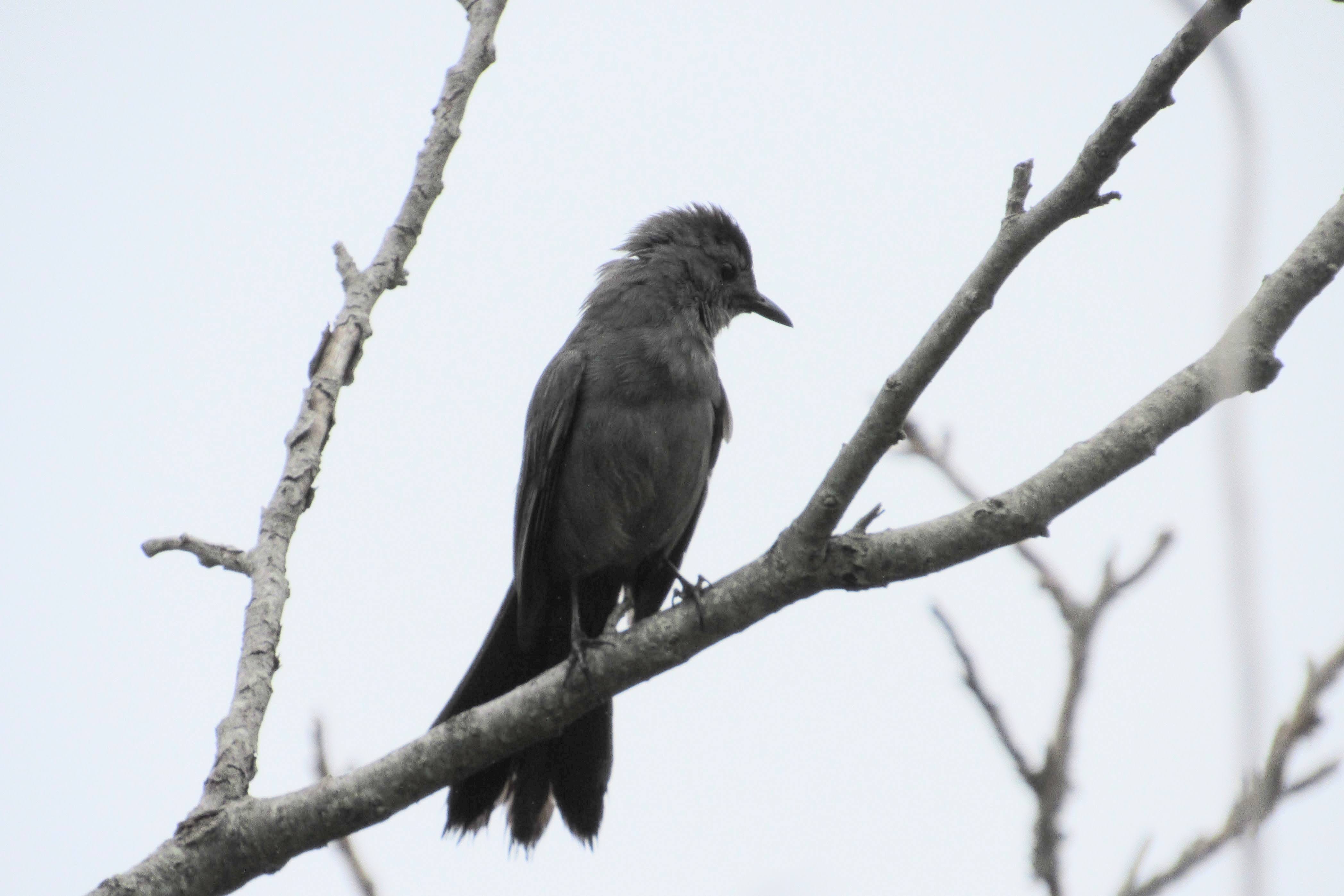
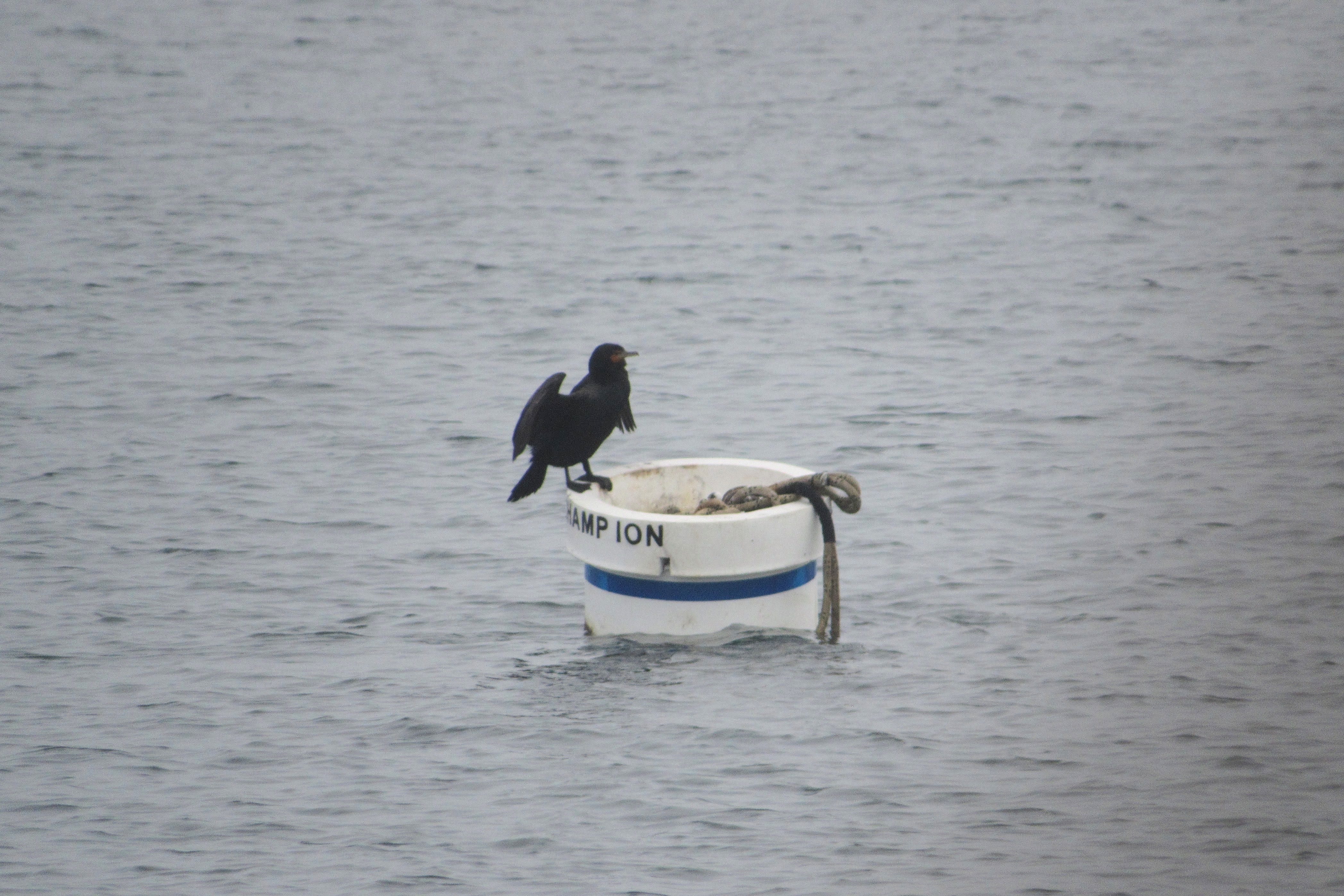
And while I’m out, the appeal isn’t just the birds. A trip to Plum Island this past weekend came with killdeer and cormorants, plus a stop at Little Wolf Coffee in Ipswich and a very good pour-over. Birding can make for some really lovely outings.
No posts
Comments
Nothing yet. Say the first thing.
Sign in to join the conversation.