
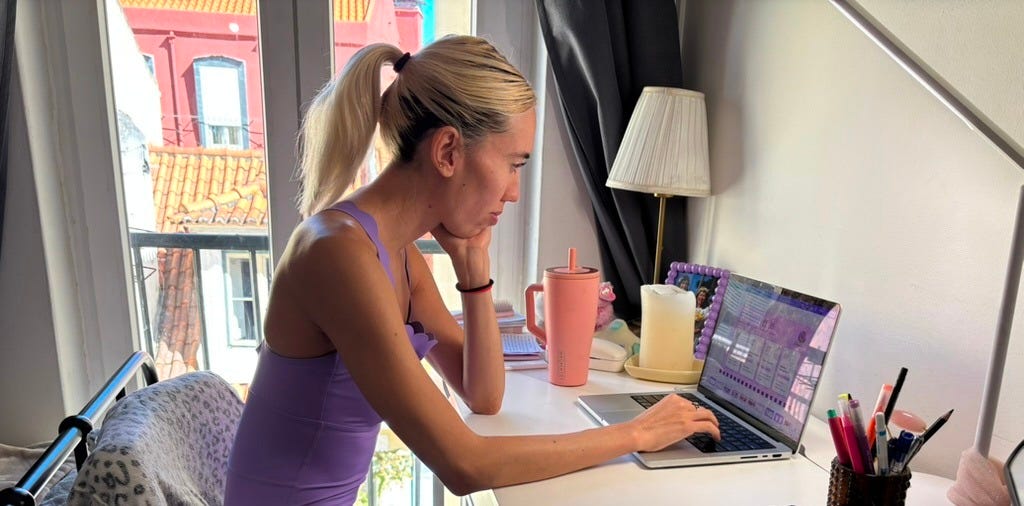
I was riding the high of self publishing my first children’s, after all of the sleepless nights, the planning the marketing, as well as late nights binging on Rupauls Drag Race when I finally made it to the finish line. When you reach that goal and you’re feeling so proud. Like when I did my first aerial silks performance in front of a crowd. I thought I was ready to become a successful aerialist performing live on stage in front of crowds of people, I mean it could happen one day but I’m still working on my splits still.
Anyways I was feeling accomplished, feeling that same feeling. I could become a published author, I still can but I’m not quite there yet. I began sketching out rough ideas for other books I could do and I was always fascinated by the idea of changing your frequency or energy by doing different things and being able to teach that to children.
At first I imagined children moving into different levels of vibrations such as dark and lower vibrations and finding the right tools to be able to move into a higher vibration state. Yes, I love weird esoteric witchy things such as energy and vibrations but I’m owning it. Then it came to me “Portals” it was right on my Melanie Martinez Poster from her Portals album. It was a simple words kids can easily say “Por-Tals” nothing like “Vib-ra-tion”, or “Fre-quen-cy”, it felt like an easy enough word for children to learn about so when they feel down they have a toolkit of things they could do to enter into a new “Portal” or “Vibration” of themself.
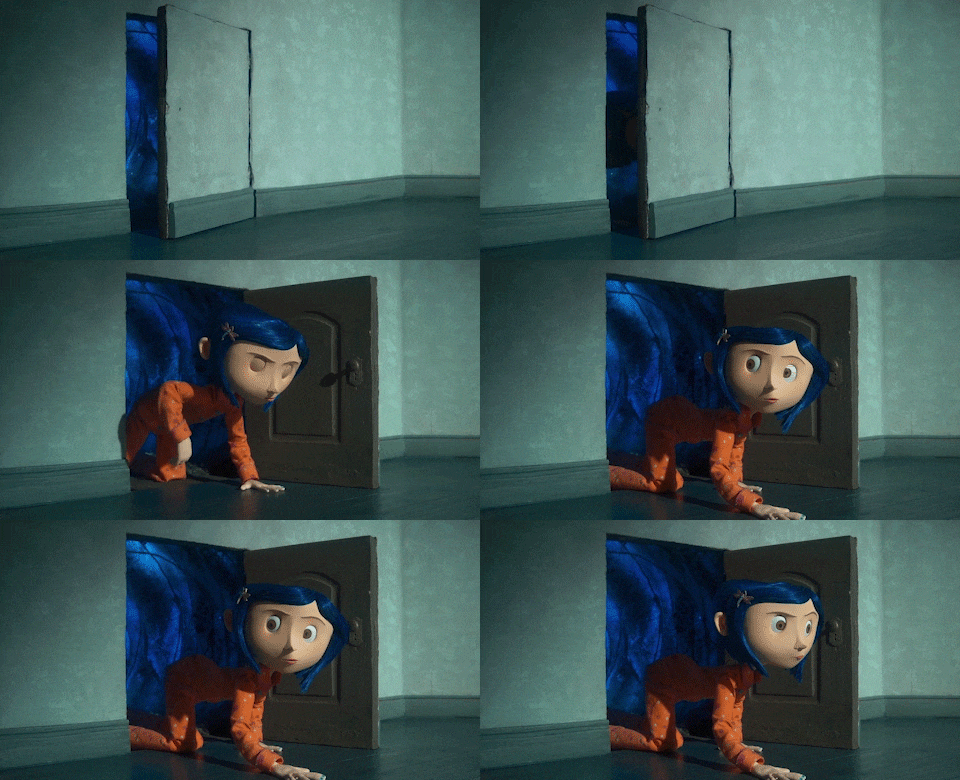
I had so much fun imagining all of the different portals a child could live in mentally and spiritually. Children often feel confused or lost so I imagined an escher staircase with stairs going up and down and leading to nowhere with a child looking up lost and confused. I also thought about a kid crawling through a tunnel like the scene in Coraline when she first finds out about this other place.
Why copy comes first
What I didn’t realize was that I ended up with a bunch of sketches full of interesting angles and perspectives that could be cohesive pieces in a gallery show but it wasn’t a real story, and that’s when I learned the lesson.
I can’t just think of the story, I have to figure out a beginning, middle, and end as well as details about the character.
What makes them different?
What makes them likeable?
How can this character be remembered in sea full of stories?
What do they have to go through to solve this problem?
How do I want the reader to feel at the end of my story?
I never thought about any of that I was just like “ooooh this is an interesting looking image", I want that in the book”.
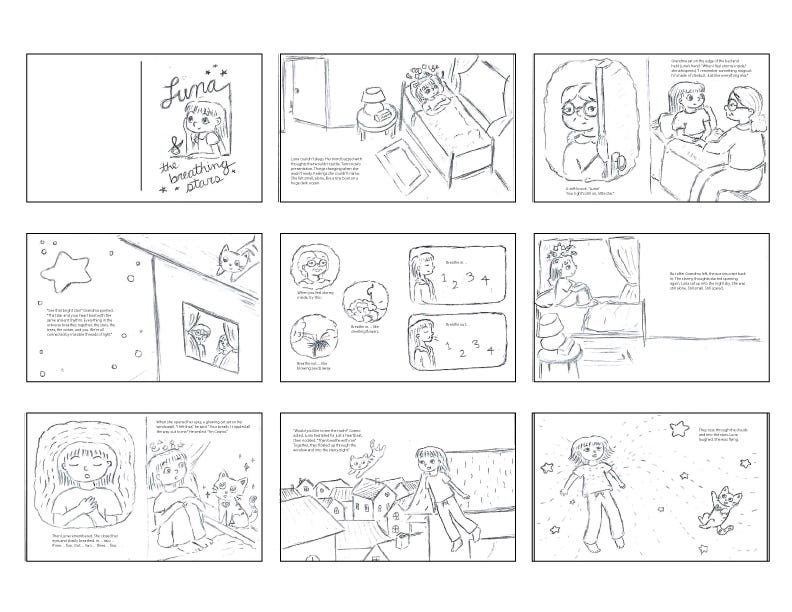
So I ended up scrapping the book and using it as a lesson, a big lesson moving forward. Working on my next book idea Luna and the Breathing Stars which I submitted then realized it’s still not good enough, I knew I wanted something that could heal children. I loved the idea of magic, healing, and dealing with your anxiety but in a fun way. because that’s what anxiety is….fun.
Where I’m getting at this
I don’t want to blabber on forever about my mistakes because this blog would probably be too long to fit if I did. What I’m saying is I first came up with a general idea of the story. I’ll give you an example below.
Cruffy and Moost
“Cruffy and Moost” is a children’s picture book about a high-energy dog named Cruffy and a calm, introverted cat named Moost who become housemates. Cruffy is excited to play constantly, but Moost needs quiet time and space. When Moost keeps saying no, Cruffy becomes sad and tries to play alone, realizing it’s not fun by himself. Moost notices Cruffy’s sadness and tries to play, but quickly becomes overwhelmed and exhausted. Through honest communication, they discover a solution: taking turns between playtime and alone time. Cruffy learns to appreciate peaceful solo activities like burying bones, while Moost discovers she actually enjoys playing in shorter bursts. The story celebrates respecting different personalities, setting boundaries, compromise, and how true friendship makes room for everyone’s needs—showing kids that being different doesn’t mean you can’t be best friends.
Core message: Understanding and respecting different social and sensory needs, healthy boundaries, and how friendships help us grow while staying true to ourselves.
Target age: 3-7 years old
This is how to come up with the idea, the core message then begin creating some ruff sketches of the character and some thumbnails. (pun intended)
PAGE 1 (Half-title) Cruffy and Moost
Visual: Small spot illustration — maybe just their tails, or two food bowls side by side (one messy, one neat)
PAGES 2-3 (Title spread) Cruffy and Moost
Written and illustrated by Ariana Lum
Visual: Cruffy and Moost on opposite sides of the spread, not yet interacting. Cruffy bouncy, Moost calm. Sets up the contrast before the story starts.
PAGE 4 (Dedication/copyright) For [whoever]
Visual: Could be small spot — the slobbery ball, or Moost’s sunny corner empty
PAGE 5 (Single page — story begins) Moost liked her life.
Visual: Moost alone in the house, peaceful. Maybe walking past her favorite things — sunbeam, plant, pillow. Everything in its place.
Sketch time
Once you make it to page 32 or whatever page you officially decide to go with you can NOW start sketching it out. This is the template I use and once the rough copy is in, I just make quick sketches of what I think would work. I also make sure to have space where I would place the copy because I already made that mistake on my first book.
In conclusion
I made these mistakes so you don’t have to and I’m glad I did because when I finally get it right I feel so much happier. My only wish is to allow other creators to write their own unique special stories that matter to them. So I hope this inspires you until then.
If you're interested, I created a full step-by-step YouTube series called Self-Publish Your First Children's Book where I walk you through the entire process. Link below.
Comments
Nothing yet. Say the first thing.
Sign in to join the conversation.