
When I first started learning about children’s book illustration, I kept coming across this invisible checklist of “rules” everyone seemed to follow. But after doing some research — reading what literary agents were asking for, studying illustrator portfolios, and listening to what working illustrators are saying — I realized something: these rules aren’t set in stone. In fact, the industry is changing fast, and sometimes breaking the rules is exactly what makes your work memorable. So let’s talk about a few traditions we can start bending (or tossing out entirely).
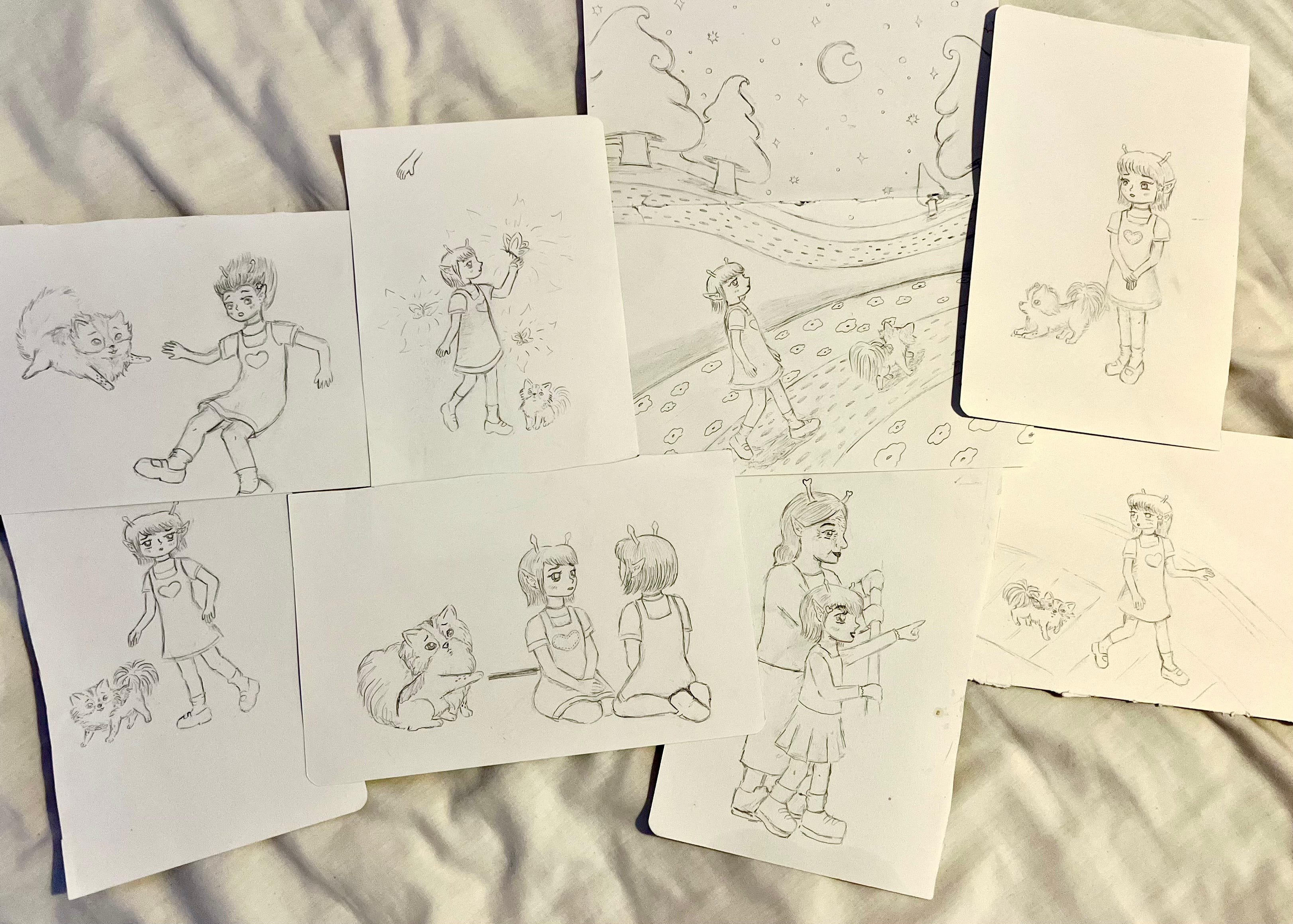
When people have portfolio checklists the number one thing people ask for would be illustrated children in different poses and expressions and although I do believe it is important to know this, I think it is possible to get away with drawing other things as your main character. I’ve been noticing so many more books that don’t even have people in them. I’ve even seen books where the main character is a sock, haha. I think right now, the most important thing is the lesson that the book teaches, how the story is being told and if this book has personality. So if your story’s lesson doesn’t really need people, go for it! Who knows — your quirky, unexpected main character might be the thing that makes your book unforgettable.
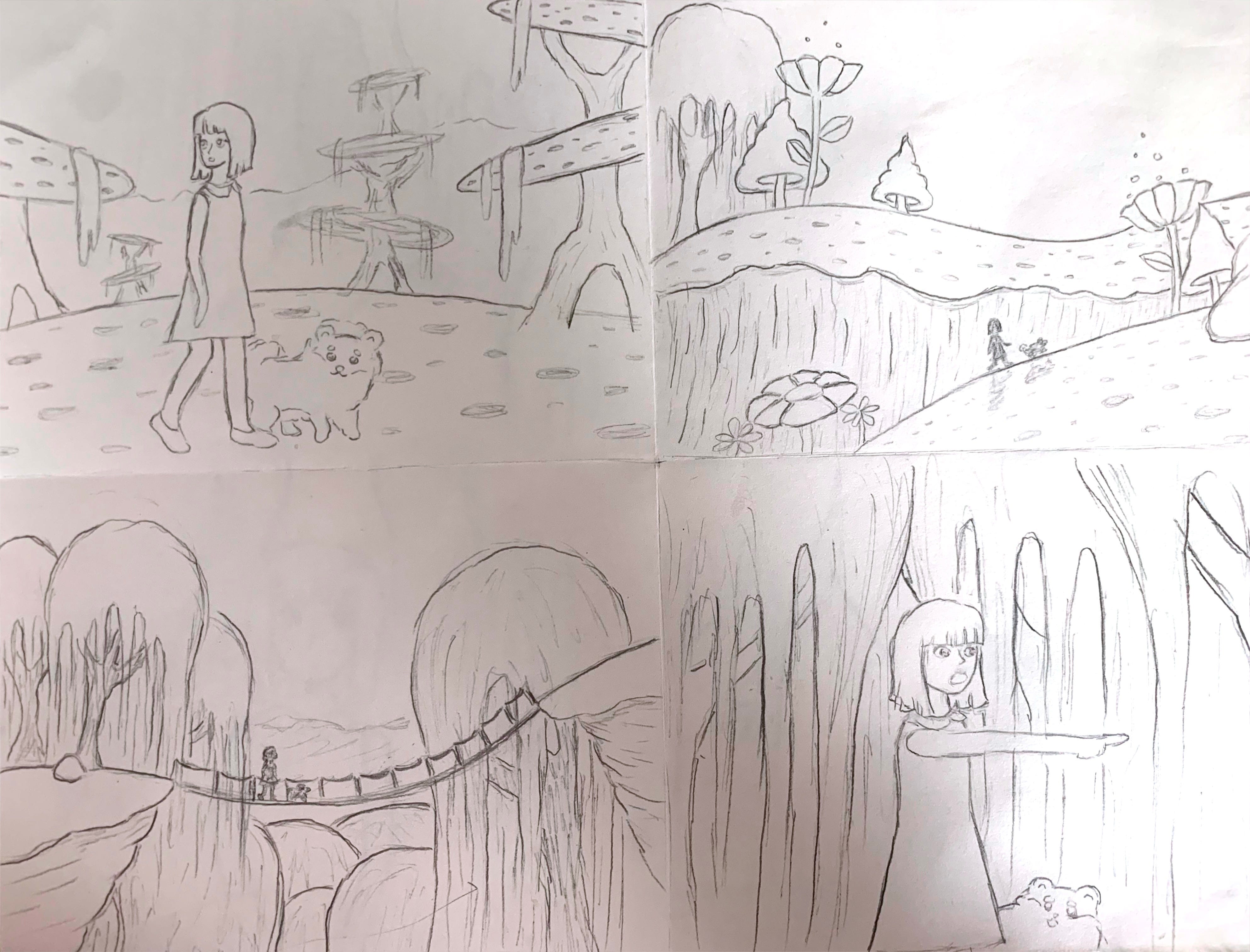
Wide Spread Pages: When the illustration stretches all the way across both pages when the book is open
Spot Illustrations: is a small drawing without a background, usually showing just one object, character, or moment. It’s like a little “floating” picture on the page.
Single-page illustration: The illustration fills just one page of the open book, with the other page often showing text, another smaller illustration, or a different scene.
When I first began sketching my book, I didn’t do any actual research on the anatomy of a children's book so I literally just folded my paper into four squares and started sketching out my story from there and because I was so hell bent on this style I already began illustrating about halfway through before starting to realize I should’ve made some pages with spot illustrations and full wide spread pages.
I then began delving deeper to see if there were any books with just a half page image and a poem on the other page and I found some amazing books such as Hairy Maclary From Donaldson's Dairy, Hondo and Fabian by Peter McCarty, and Stellaluna book by Janell cannon.
That’s when I realized you can lay out your book however you please. I’ve even started noticing other layouts like the graphic design bento layouts within children's books which adds a fresh perspective to the page.
I personally like having my book with the image on one side so you can really look at the image with no text getting in the way and you can really take in the image while reading the poem next to it. But I do plan to eventually do the traditional layouts in the future, specifically the widespread pages which are such great pages for showing landscape imagery which is one of my favorite things to illustrate.
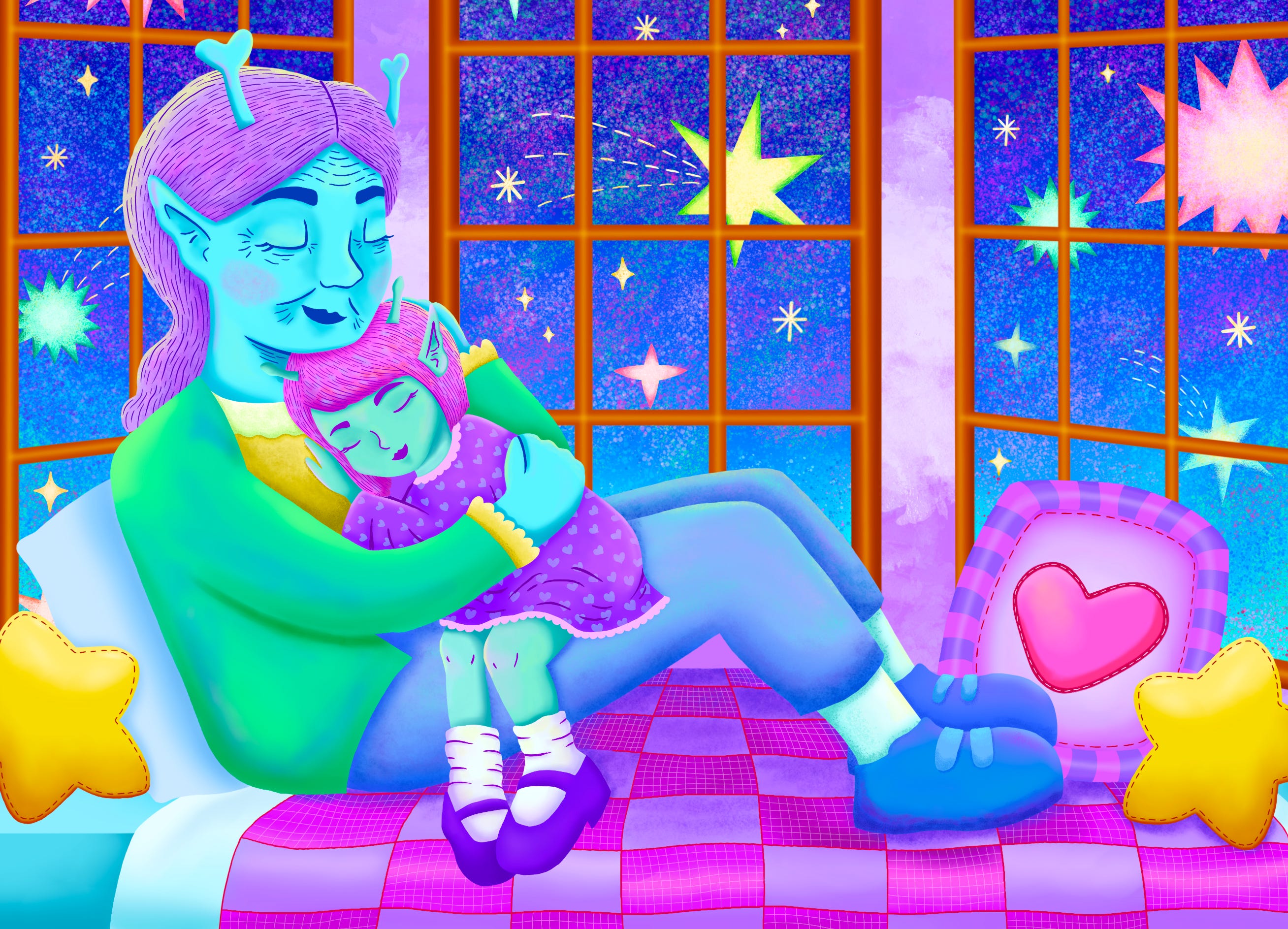
I’ve noticed some illustrators mentioning that highly saturated colors makes the art feel less traditional and to use more subdued colors but when I go to bookstores I honestly am noticing more saturated colors in children's books. At this point I think it's just a preference that some people gravitate towards more and for me I love saturated colors. I'm not sure if I would ever do any subdued illustrations but hey maybe I will one day.
I believe as the industry continues to grow there will be more space for even more creativity and out of the box ideas. I think there are rules we can eventually break once we figure them out like drawing a human body, once you understand how to draw the human body it's time to play around with the figure to make it your own, maybe turn it into an alien? Just kidding, do what feels right for you!
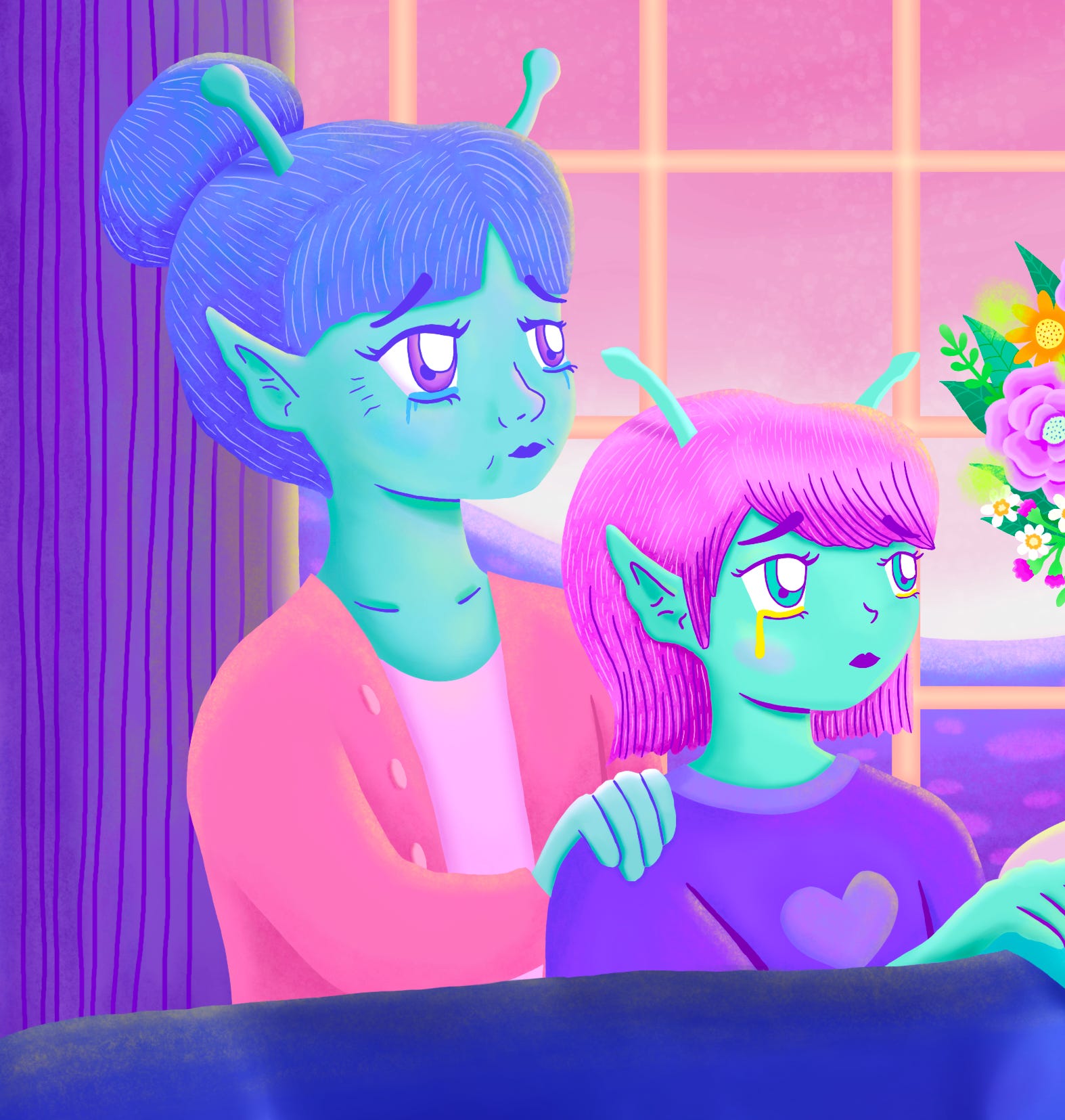
When I began looking up literary agents I noticed a lot of them saying no harmful messages such as hurting, depression etc. but this is honestly something we need to think about. We need to be teaching our children the right messages even if they might have to go to a dark place to get there. That’s why I wrote my book about a girl who loses her grandma and goes through depression for the first time.
Most (not all) books that are getting published look like rainbows and sunshine and just always being happy but the books that are getting self published talk more about difficult situations such as bullying, pain, and losing people in their life which I think needs to change. It’s clear people want to discuss these things because this topic only seems to be growing.
As a self-taught illustrator, I’ve learned that sometimes the best work happens when you break the rules — and that’s exactly the energy I’m bringing to my very first illustrated children’s book, coming out in just a few months! If you enjoy talking about the art (and the chaos) of creating children’s books, feel free to follow along for more tips and behind-the-scenes magic. And if you’d like to snag a special signed edition of my debut book, you can subscribe below so you’re the first to know when it’s ready.
No posts
Comments
Nothing yet. Say the first thing.
Sign in to join the conversation.