
When you go in for your annual physical, almost one thing is completely guaranteed. Your blood pressure will be measured and if it is high by the current medical standards, you will be prescribed a blood pressure medication. And you might even say that doctor gets a bit “pushy” about the whole thing. The recommendations for achieving “normal blood pressure” seem to go to lower and lower numbers over time. Why is that? Some have observed that every time you change the standards more and more thousands of people become hypertensive patients needing a drug. But maybe even lower blood pressure would be better and guaranteed to make a person more healthy and safe from a heart attack. Well, not so fast. Let’s understand some of the basics.
Why is high blood pressure concerning in the first place?
Elevated blood pressure, also known as hypertension, is concerning because it puts a definite strain on your body’s circulatory system. It can force the heart to work harder and strain the blood vessels. Serious high blood pressure, which is not addressed, could lead to stroke, heart attack, kidney issues and more.
When blood pressure is legitimately elevated for an extended period of time, it can cause excessive frection of blood against the lining of the arteries. Over time, arteries can lose their elasticity resulting in atherosclerosis. If the heart has to pump against the resistance caused by prolonged high blood pressure, it may cause the heart to thicken and stiffen. It is good to have healthy blood pressure. The questions come about, though, about what exactly constitutes high blood pressure? And should the
”optimal” readings be adjusted upward for age? These are important questions so that medications are not prescribed unnecessarily or even in a way that could be harmful. There are issues that can happen if blood pressure is pushed down too low.
How have the standards changed over time?
Going back to 1960, there were no formal guidelines for high blood pressure. The standard rule of thumb was that systolic blood pressure should be 100 plus your age. In this case, a 50 year-old who had blood pressure below 150mm Hg diastolic (top) number would be considered to be normal. Ranges like 140/90 to 150/90 were basically accepted as normal and even all the way to 180/110 mg Hg was considered to be an acceptable upper limit. In fact, any number under 140/90 mm Hg was considered normal all the way through 2000. It was around the year 2000 that the numbers began being continuously revised downward. Today, the baseline for normal remains at 120/80mm Hg, with now 110/70 mm Hg being added as “optimal”. It is good to recognize the history of the standards and that the lower the “normal” number, the more people will be classified as hypertensive and candidates for high blood pressure medications.
Are there risks in overprescribing high blood pressure medication?
At the present time, lower BP targets (≤ 135/85 mmHg) have not been demonstrated to reduce mortality or total serious adverse events as compared with standard BP targets (≤ 140-160/90-100 mmHg). Careful analysis of the SPRINT trial reveals that benefits of a lower blood pressure target in high-risk nondiabetic people do not outweigh harms.
Are there risks in overprescribing and pushing blood pressure down below physiologically natural levels. Yes, there are. And this increases especially as people age. There is no current modification in optimal blood pressure standards based on age. This is unfortunate because blood pressure naturally rises with age due to stiffening arteries. Our body may need to push this pressure up in order to maintain perfusion to the brain. Forcing the pressure down could have long term effects on cognitive function as a result. Lowering blood pressure too aggressively has other real hazards.
If blood pressure is pushed too low, it can result in orthostatic hypotention. This means the person may become very lightheaded when standing up and even increase the risk of fainting. Your body is very intelligent and is always seeking balance. It turns out that if your blood pressure is high, there might be a reason for it! Let’s understand the reasons blood pressure would rise for reasons that the body needs it to rise. Then we will look at possible reasons blood pressure becomes elevated as a way to compensate when other systems are out of balance.
Why blood pressure rises in the body
If you are stressed or anxious, the body releases stress hormones like adrenaline and cortisol. These hormones cause the blood vessels to constrict and the heart rate to increase. This will increase blood pressure for the amount of time the person experiences the stress.
When you go for a run or do some exercise, the muscles need more oxygen. The heart pumps faster and of course, blood pressure goes up. Your blood pressure will return to normal when you begin to relax.
Even when you have a meal, particularly if it is a large meal, you may experience an increase in blood pressure. The blood in the body moves toward the digestive tract in order to break down the meal. The heart increases its output to maintain equilibrium in the body and we may have a temporary rise in blood pressure.
So, the body is designed to handle high blood pressure for some amount of time. The problem, of course, is when blood pressure remains elevated for some time and there is no ability to properly recover and move to a more balanced blood pressure level.
What causes this dysfunction in blood pressure regulation?
One of the main causes is loss of healthy vessel endothelial regulation. Your endothelium is the inner lining of the blood vessel. Its quite fascinating because it acts as an active organ that regulates vascular tone, immune response and blood clotting. The vessel must easily be able to open to allow more blood flow or to constrict to prevent blood from flowing when appropriate. The main way that we have good flow through the blood vessel is the body’s ability to produce nitric oxide at the endothelial level. The cells in the endothelium synthesize nitric oxide. There are foods that can harm the endothelium and foods that can protect it and improve the production of nitric oxide.
Another important consideration initally would seem unrelated to this issue. And that is your blood sugar. If there is any level of insulin resistance, this could be the root cause of the high blood pressure, yet so few people are aware of this connection.
Insulin actually increases sodium retention! Insulin signals the kidneys to reabsorb more sodium and water and this expands blood volume and raises blood pressure. High insulin levels also stimulate the brain and nervous system which causes increases in heart rate and constriction of blood vessels. It also blocks the normal production of nitric oxide, whose importance we mentioned above in the information about endothelial regulation. And finally, chronically high insulin levels promote the growth and thickenting of smooth muscle cells in arteries and can narrow the passageway for blood flow, which in turn can cause high blood pressure.
What steps can be taken to lower blood pressure naturally?
Incorporate a low-fat plant strong food plan a little at a time. Small changes add up - lowering saturated fat intake reduces the thickness of the blood, allowing it to flow more smoothly through narrow vessels with less resistance. It also reverses lipotoxicity. The means that a lower fat diet helps to clear excess fat droplets accumulated inside muscle and liver cells. This improves insulin sensitivity and then drops circulating insulin levels. This in turn signals the kidneys to cease retaining salt and water (which can contribute to a rise in blood pressure).
Commit to getting regular exercise - This has to include some high intensity exericse, like short sprints, to get the heart rate up. This forces blood to pump rapidly against arterial walls. This physical friction, which is called fluid shear stress, directly activates the enzyme eNOS to synthesize nitric oxide. This helps to improve the health of the endothelium and keeps blood pressure well regulated.
Eat your greens - Kale, collard greens and Swiss Chard are amazing for assisting the production of blood pressure lowering nitric oxide. These vegetables are rich in inorganic nitrates. These are converted into nitrites by the bacteria in the mouth and then the stomach acid and blood tissues transform them into active nitric oxide gas to widen the blood vessels.
Have more beets - Also have a very high concentration of inorganic nitrates. They can create a sharp, measurable increase in systemic nitric oxide within 2-3 hours of consumption. For a super boost, find a way to incorporate the beet greens into your meal plan in addition to the beet root. They contain even more nitrate than the beets themselves!
Get magnesium into your diet - magnesium acts as a natural calcium channel blocker. Calcium channel blockers (synthetic) are often used in allopathic medicine for heart issues (did they not realize they could use magnesium??). Calcium forces smooth muscle tissues in blood vessels to constrict. Magnesium physically competes with calcium at the cellular membrane, blocking it from entering vascular smooth muscle cells and forcing vessels to relax. Magnesium also increases the production of prostacyclin, which is an interesting lipid compound and can dilate the blood vessels and prevent the blood platelets from clumping together. Foods high in magnesium include pumpkin seeds, chia seeds, almonds, cooked spinach, black beans. Interestingly, all the leafy greens mentioned for their nitrate content previously, are also very high in magnesium. These include cooked swiss shard (150mg per cup), beet greens (100mg per cup) and cooked spinach (157 mg per cup). Therapeutic doses of magnesium for lowering blood pressure are about 240mg-350mg. If you want to supplement to get the intake up, consider magnesium glycinate as it has less effects on the digestive system than magnesium citrate.
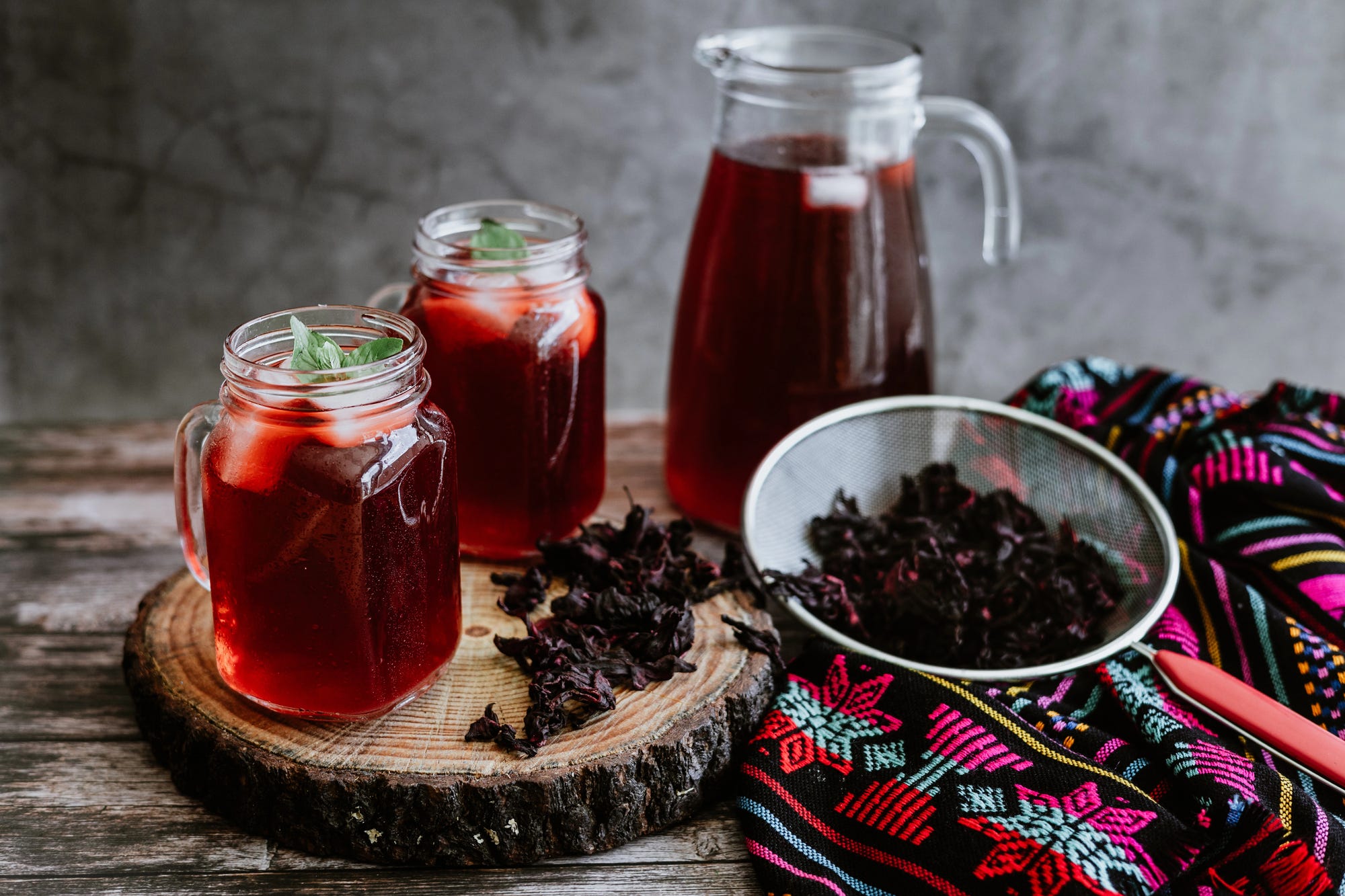
Drink hibiscus Tea - Hibiscus tea contains highly concentrated, dark red plant pigments known as anthocyanins. This substance can assist in the lowering of blood pressure. Only 2-3 cups of brewed tea consumed daily are necessary to achieve a significant measurable reduction in blood vessels (be careful because hibiscus tea is highly acidic. Be sure to rinse your mouth with plain water after drinking the tea.)
It is possible to lower blood pressure naturally in many instances. Be sure to research the possible side effects of any hypertensive medication prescribed and ask if it will resolve the issue at the root cause. If you can, try the above natural remedies and research others!
Ariel Policano is a naturopathic doctor. This substack is dedicated to empowering information in the field of nature cure, natural medicine and breakthroughs in the field of frequency medicine. The most natural state of our body is the state of wellness and vitality. Our body is made to self-heal. Let’s learn how!
No posts
Comments
Nothing yet. Say the first thing.
Sign in to join the conversation.