
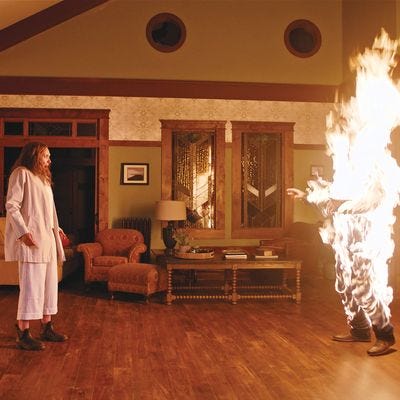
What do we get out of challenging films?
I have a friend who is extremely sensitive to certain films. She really does not like horror and won’t watch scary or challenging movies. At times it seems like she doesn’t really like movies at all.
We all know people like this.
Pauline Kael said once that you can make lifelong friendships with people just by talking about movies.
Those who love cinema or art films or talky independents or big blow-up action shtick.
Movies are reflections of life’s best and worst moments writ large.
But then what do we make of a film like Hereditary (2018)?
It’s a tour de force of acting for sure. Toni Collette is a marvel in it.
It’s an ugly thing at times.
Ari Aster, the film’s director, loves rubbing your goddamn face in it.
It has moments of almost unprecedented horror and cruelty.
It has that scene.* (You can follow the asterisk for a spoiler about the film’s most infamous scene.)
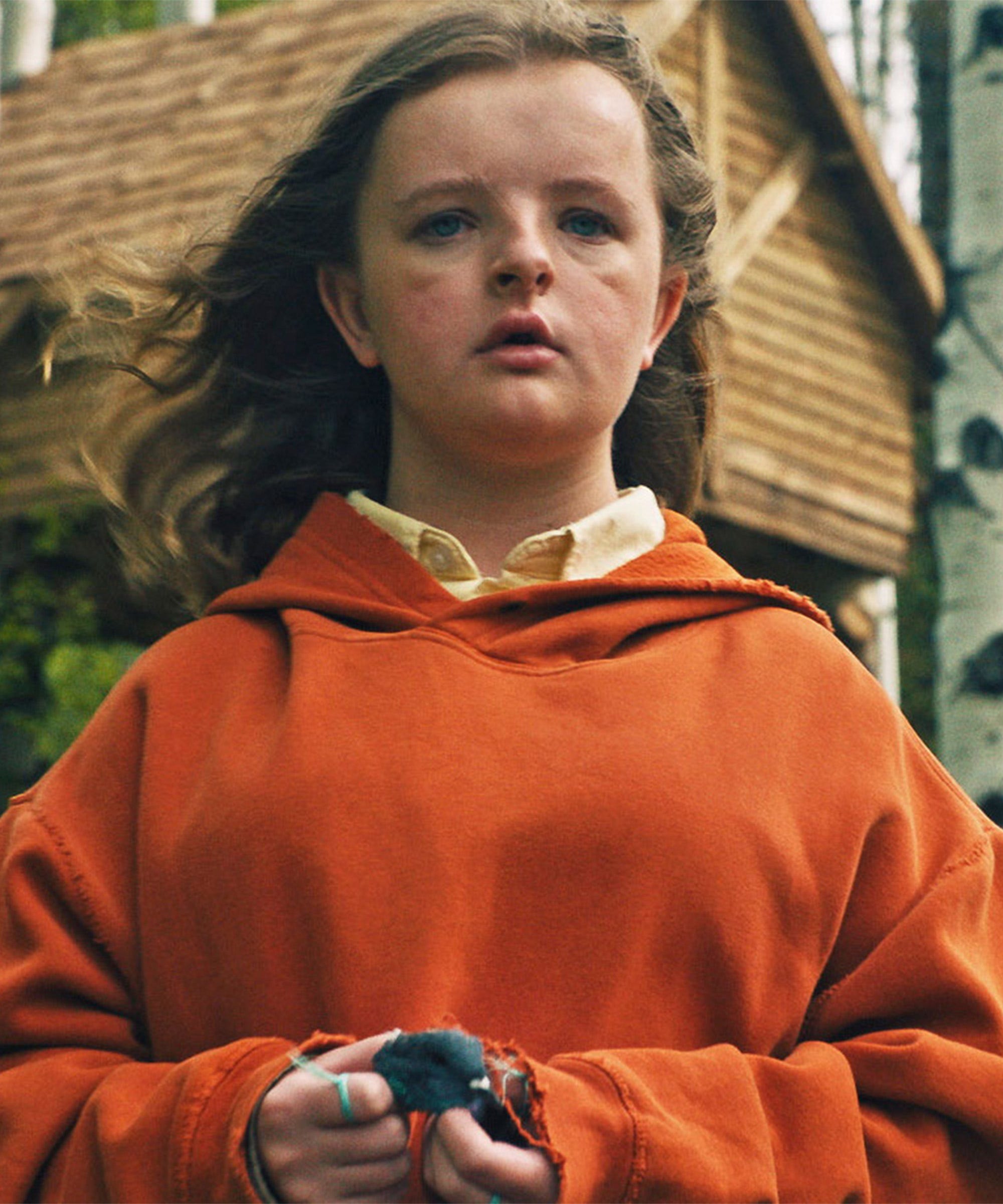
These moments of transgression, of showing that which you should not show, are powerful and powerfully manipulative and potentially damaging, at least in the way that looking directly at the sun will leave a an indelible impression on your cornea.
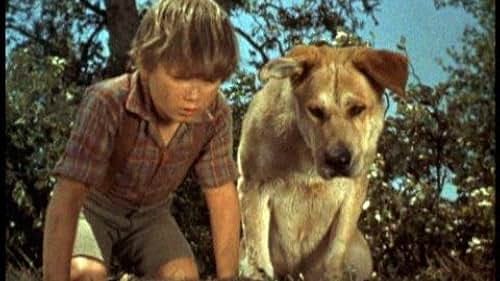
When I was a kid you had to watch Ol Yeller and Where The Redfern Grows, these were almost required texts.
But they were horseshit.
Who wants to watch a dog die?
Sick fucking assholes, that’s who!
There’s a website called Doesthedogdie.com so you can assure yourself that you are not entering into a situation you can’t handle.
Is this right and good? Maybe. I know I’m not seeing Marley and Me or A Dog’s Purpose no matter how much you plead.
That’s horror right there. Sadistic horror.
I’d rather watch Hereditary six times and once in reverse than see a boy have to shoot his own dog.
Thanks for reading Ghosts In The Machine! This post is public so feel free to share it.
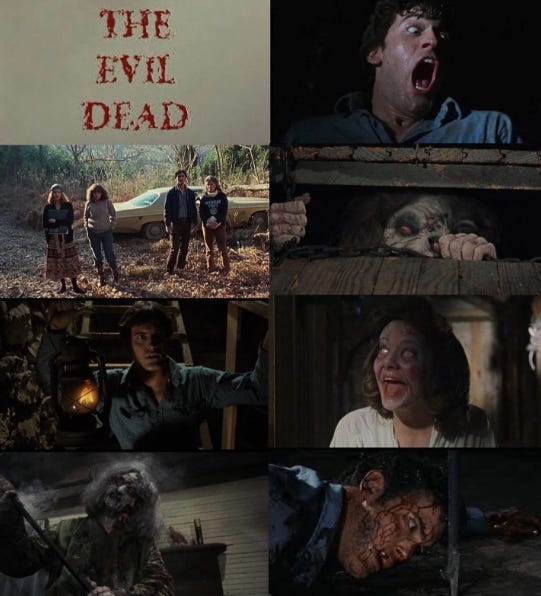
The Evil Dead was always “the one with the tree rape”
Director Sam Raimi seems pretty contrite about that whole thing now.
Wes Craven softened immensely from the angry, angry young man who forced us to live through his Vietnam-era disgust and anxiety in the Last House on the Left’s abysmally cruel rape and murder of two young girls.
Aster’s latest, Eddington, traded social humor for the smug weaponizing of grief and grue in Hereditary and Midsommar.
It’s always the early films where the transgressions play out.
You want to make your mark as a new director and one way to do it is to show something that’s never been shown before.
To challenge and to get people talking.
These are the drives of a young person.
Mostly men, when I think about it, at least in the avert-your-eyes department. Women opt for more interior cruelty.
But of course there are Coralie Fargeat and Claire Denis to prove me wrong.
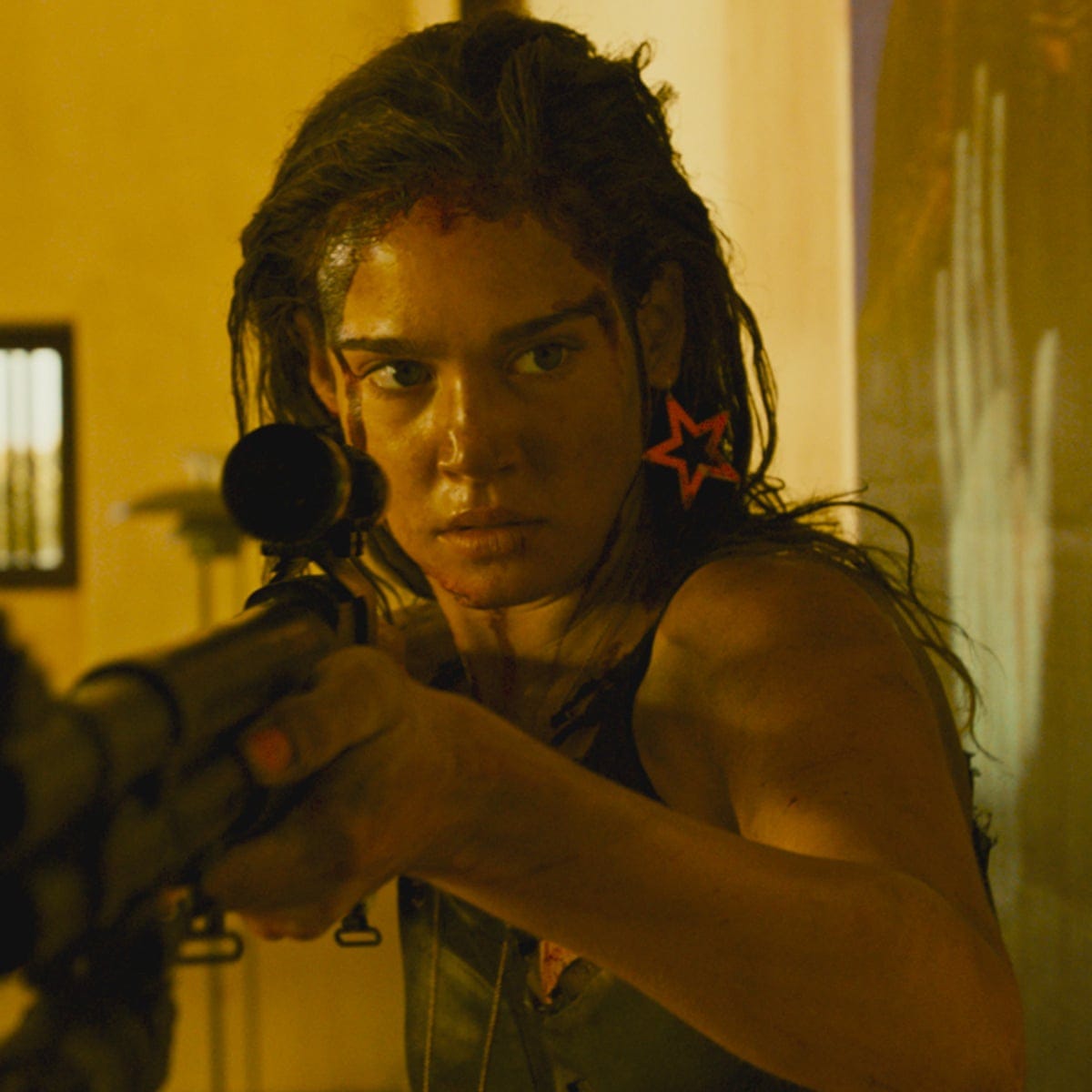
If you are sensitive, are you really going to get much out of Hereditary, or is the assault on the senses of the movie’s surface-text just going to drive you out?
Things have arguably changed for the better and you don’t have to watch something challenging just because some bonehead dude thinks it’s important.
You don’t have to watch Ol Yeller and you don’t have to subject yourself to Marley and me.
You can skip Night of the Hunter, as my sensitive friend did after dinner, and you’ll be fine.
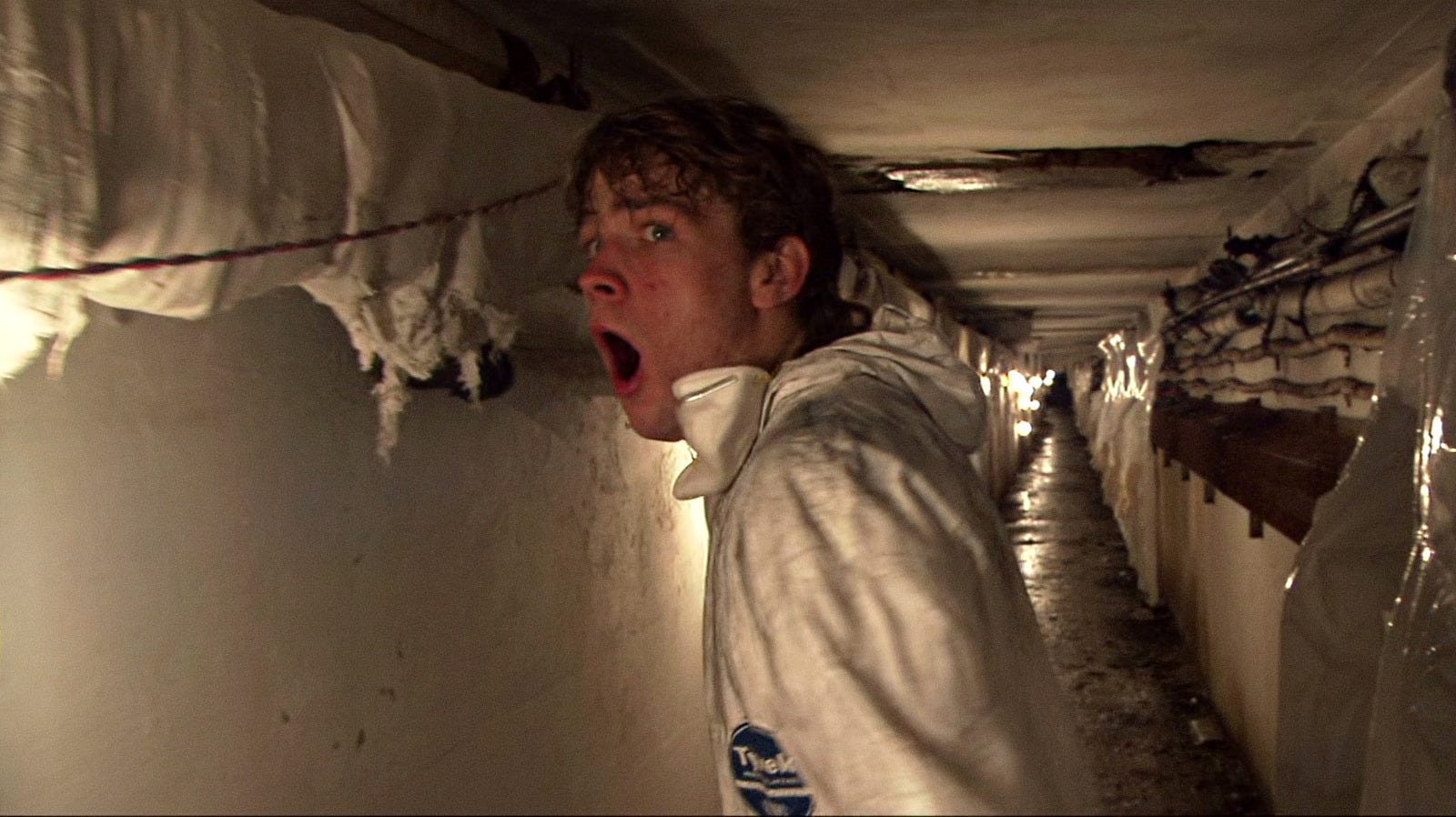
Horror in its nature appeals to specific personality types.
Those who want safe fear - to feel a threat without real consequence.
The prefrontal cortex knows you’re safe while the amygdala lights up with adrenaline, cortisol and dopamine.
I won’t go skydiving or on some carnival rides, but I’ll watch the shit out of Midsommar.
Some folks use horror as emotional rehearsal - it’s the “Bad Death” that Stephen King writes about. But it’s not real.
If you want to go back to Aristotle it’s catharsis. A socially acceptable outlet for anxiety, dread, rage, grief.
And then of course some folks just want to explore the forbidden. Horror movies are relatively safe ways to do just that.
It’s a horrible world right now, full of horrible things.
Scary movies are absolutely in vogue.
I wonder if our attentions would be so focused on horror if the world didn’t already provide so much of it in real ways.
It’s scary to be alive right now, sometimes.
And a cathartic moment, a safe fear, a death that’s not real, maybe those are actually a comfort.
I’m Nick Tangborn, thanks for reading Ghosts in the Machine. Sorry for the clickbait headline? I couldn’t resist once I thought of it!
This Substack is free for all, but it’s also entirely driven by subscriptions and donations. If you want to keep it running, a paid sub or a tip would be enormously welcome.
*(Spoiler - I am of course talking about the beheading of a small child, and the piano wire self-dismemberment, and a few other godawful things.)
Comments
Nothing yet. Say the first thing.
Sign in to join the conversation.