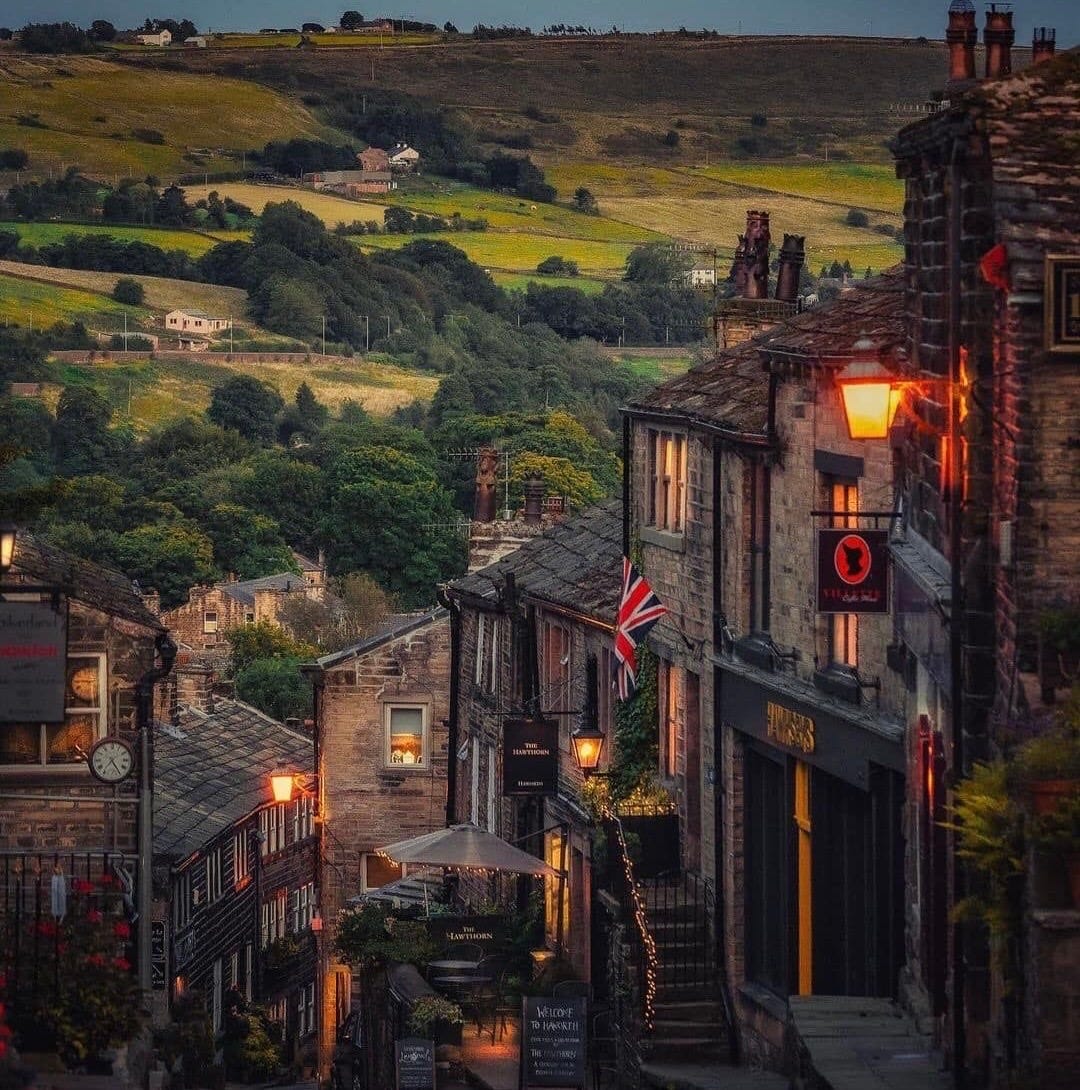
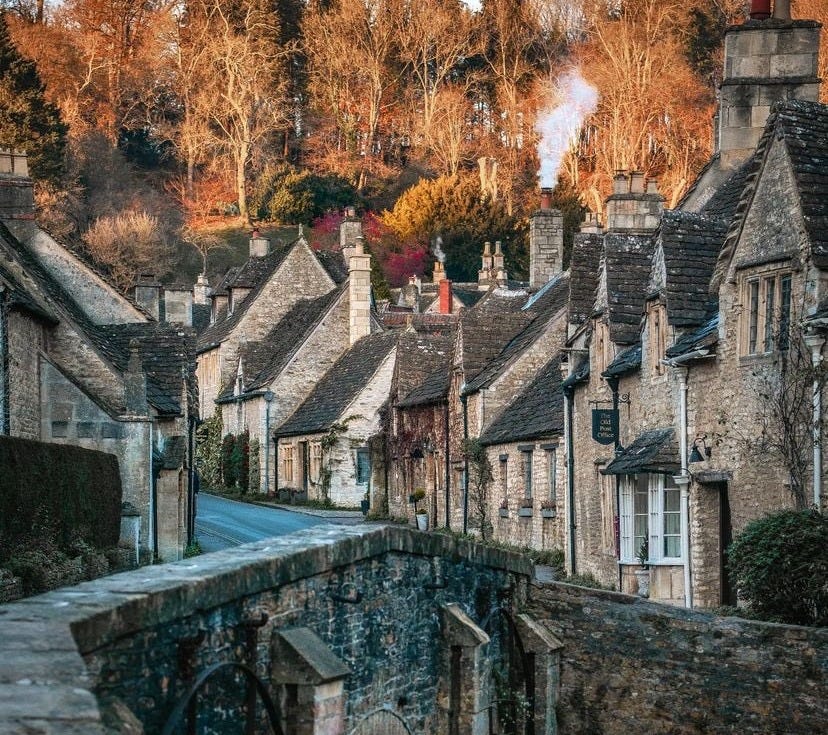
There is something immediately recognizable about an old English village, where a narrow lane winds between stone cottages, chimney pots rise above uneven roofs, hedges spill across garden walls, and somewhere beyond the houses the tower of a medieval church appears through the trees, giving the whole settlement a center without dominating everything around it.
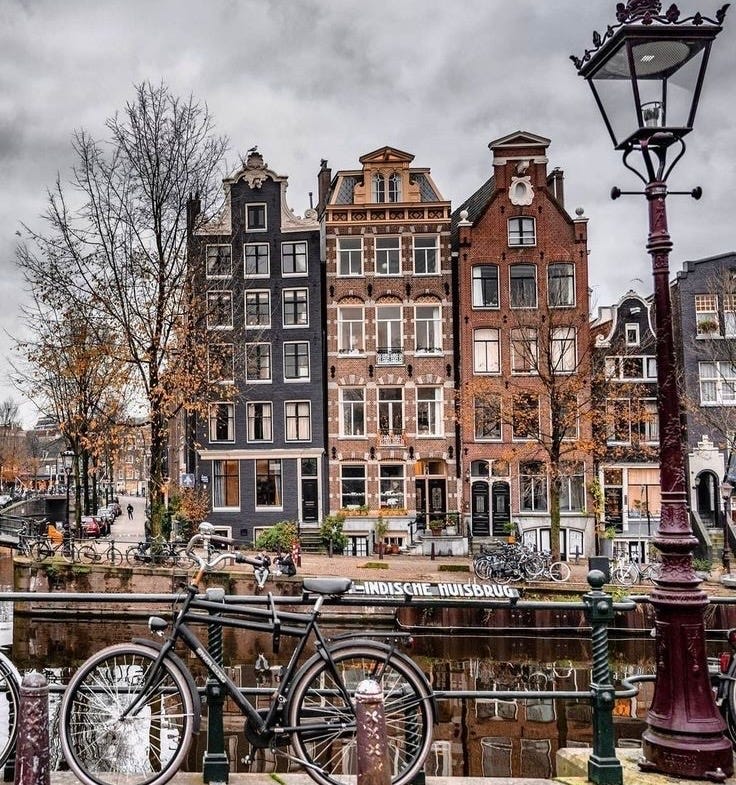
Amsterdam has one of those skylines you recognize immediately—tall, narrow houses standing shoulder to shoulder beside the canals, their brick façades rising three, four, sometimes five storeys above the water.
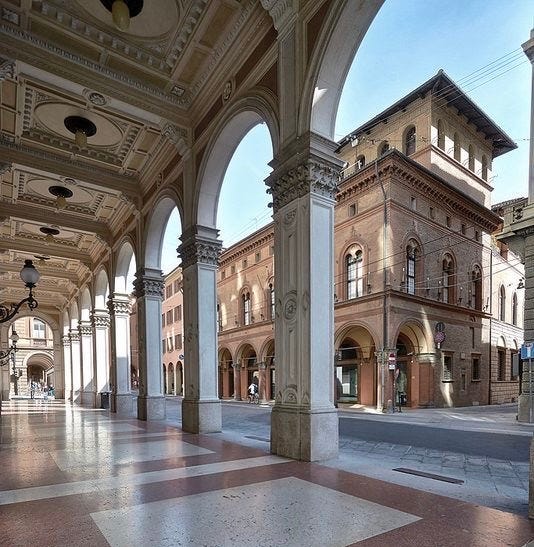
Walk through the streets of Bologna, wander beneath the elegant porticoes of Turin, explore the medieval arcades of Bern, or lose yourself in the narrow streets of Padua, and one architectural feature appears again and again.
Walk through the villages of the Cotswolds, the hills of Tuscany, the streets of Provence, or the highlands of Scotland, and one material connects them all.
Every morning, millions of people wake up, walk through their homes, commute to work, sit in offices, stroll through city streets, and return home again without giving much thought to the spaces around them.
When people think of great architects, they imagine someone who spent his youth sketching buildings, studying cathedrals, and dreaming about monuments.
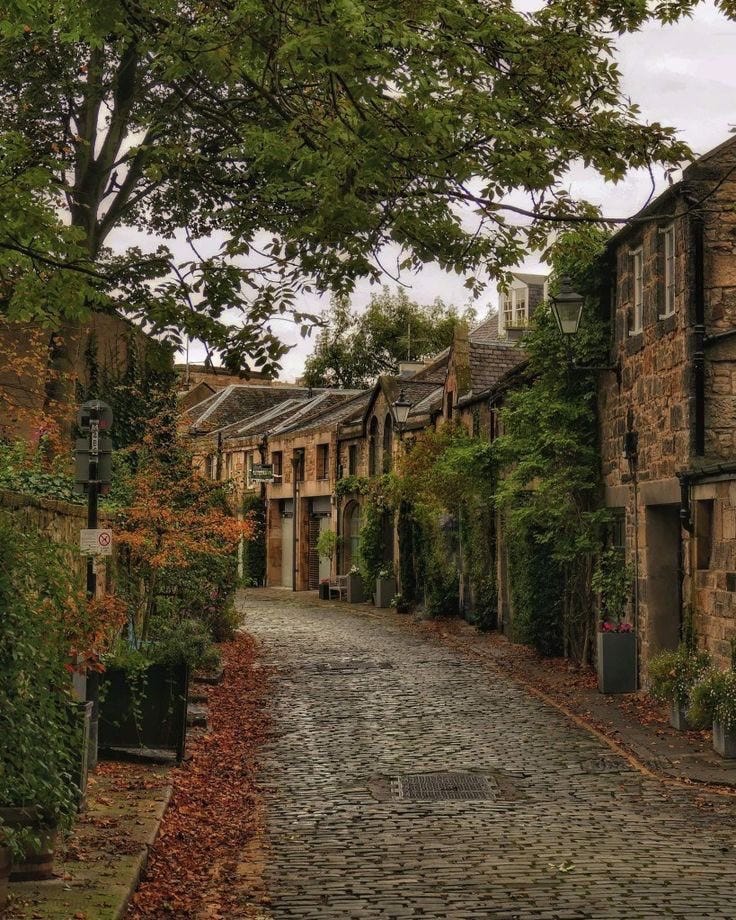
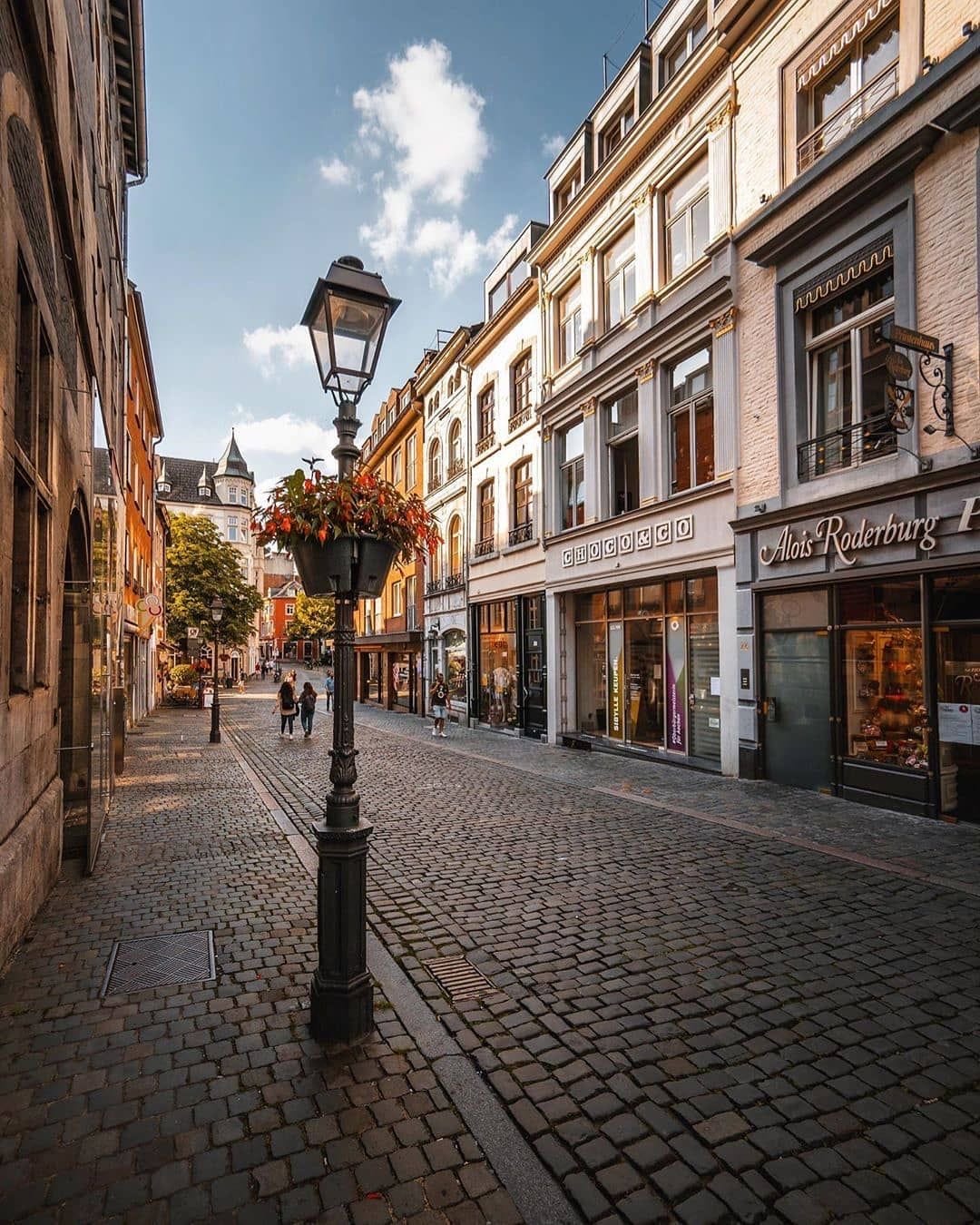
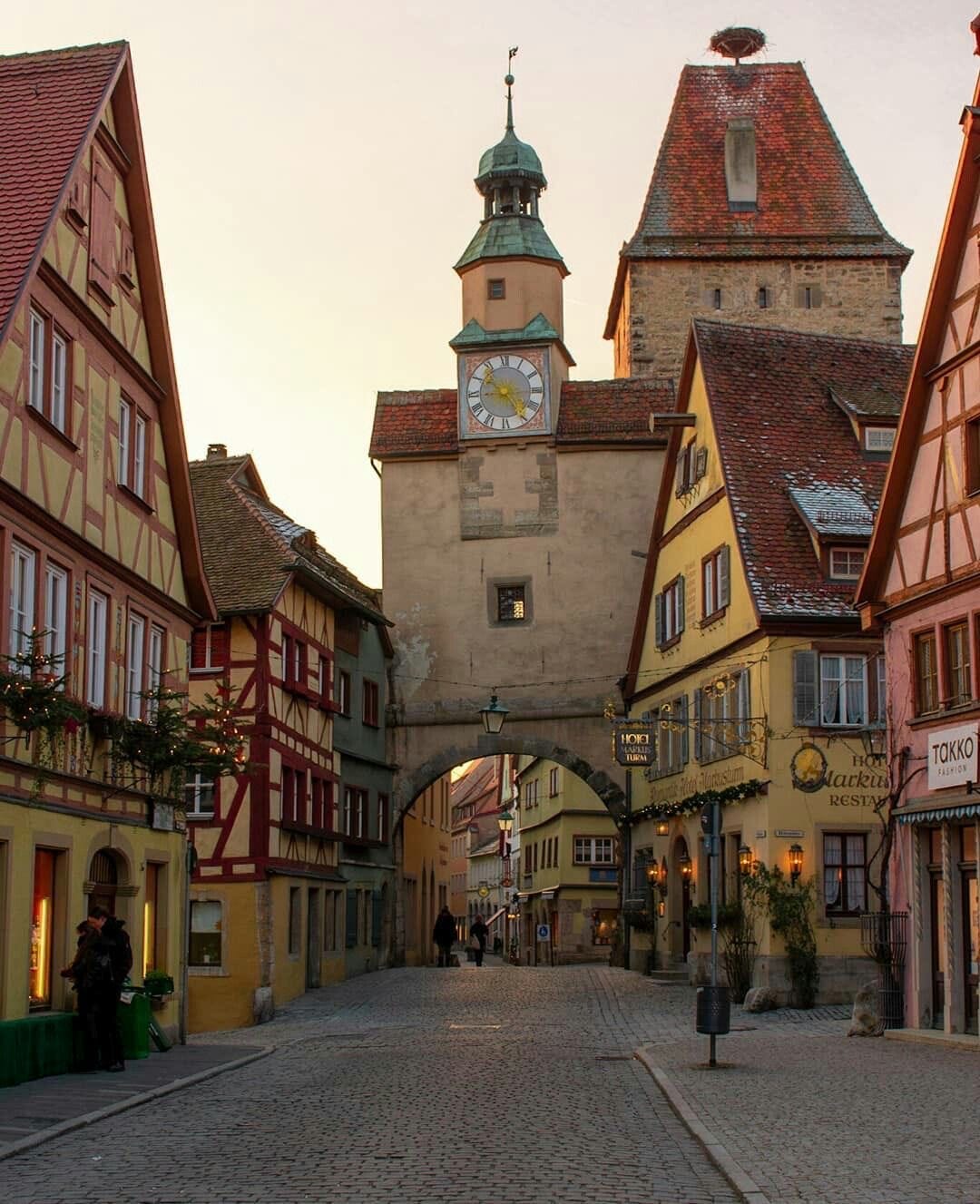
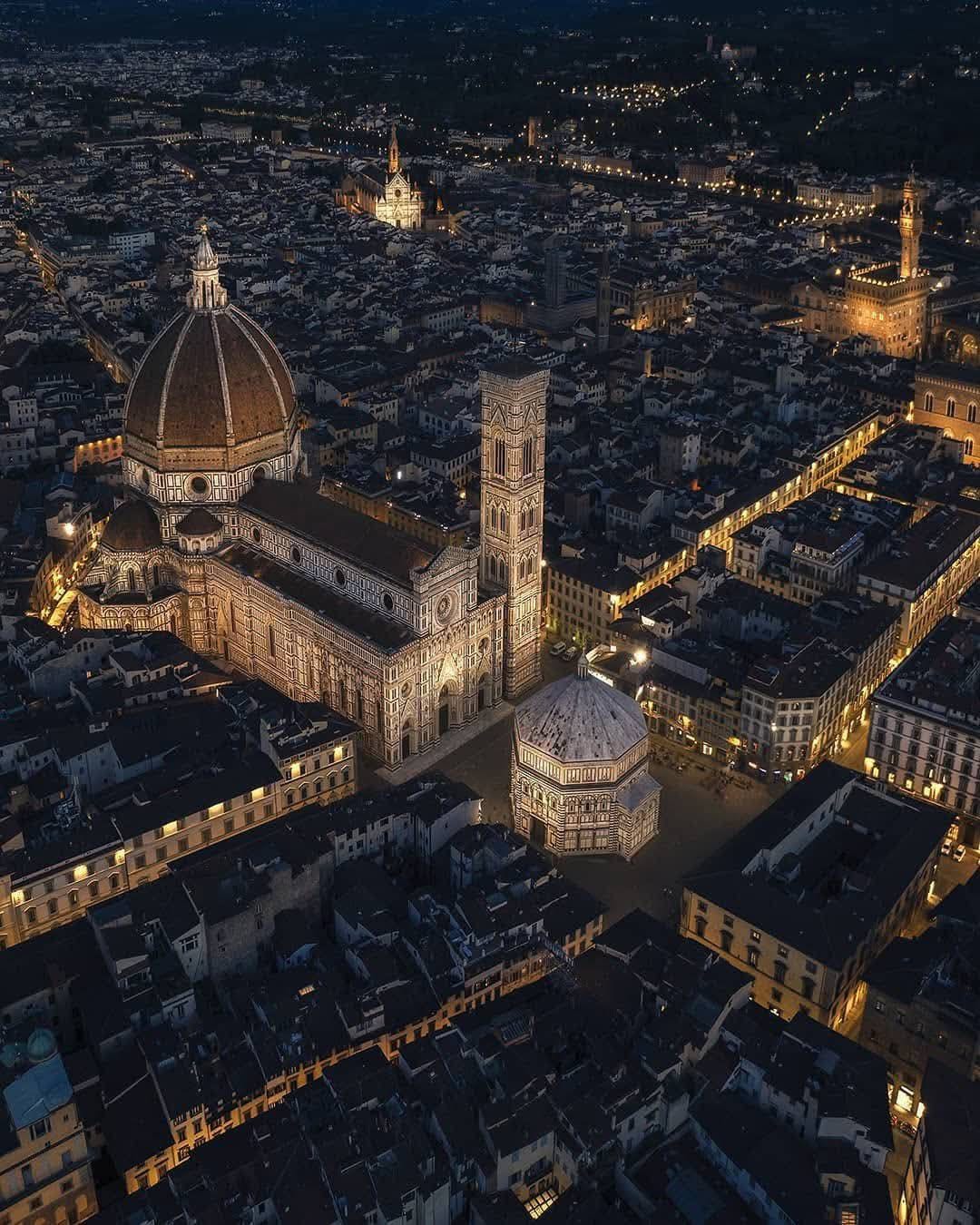
Walk through Florence, Siena, Bruges, Prague, York, or Rothenburg and you eventually find yourself wondering about something that seems absurd once you put it into words.
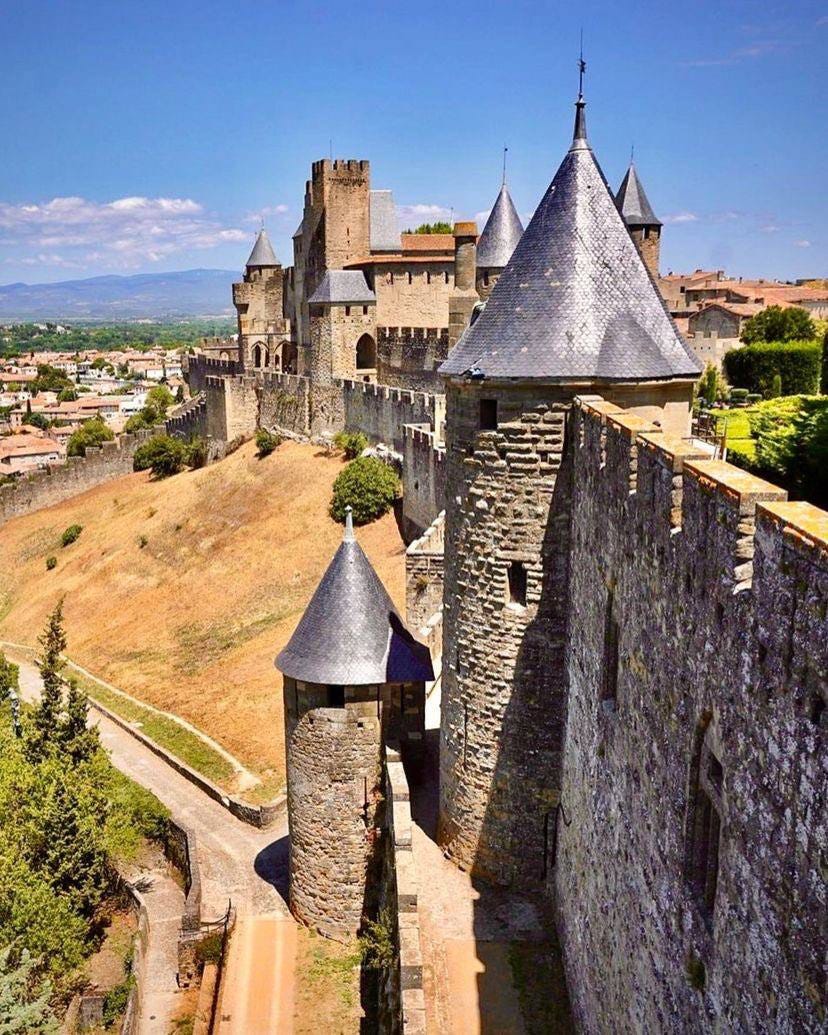
Walk through Carcassonne, Dubrovnik, Ávila, York, Tallinn, Rothenburg, or countless other historic cities across Europe and the walls define the entire experience, rising above rooftops and wrapping around churches, markets, houses, and towers in a way that makes the city feel complete.