
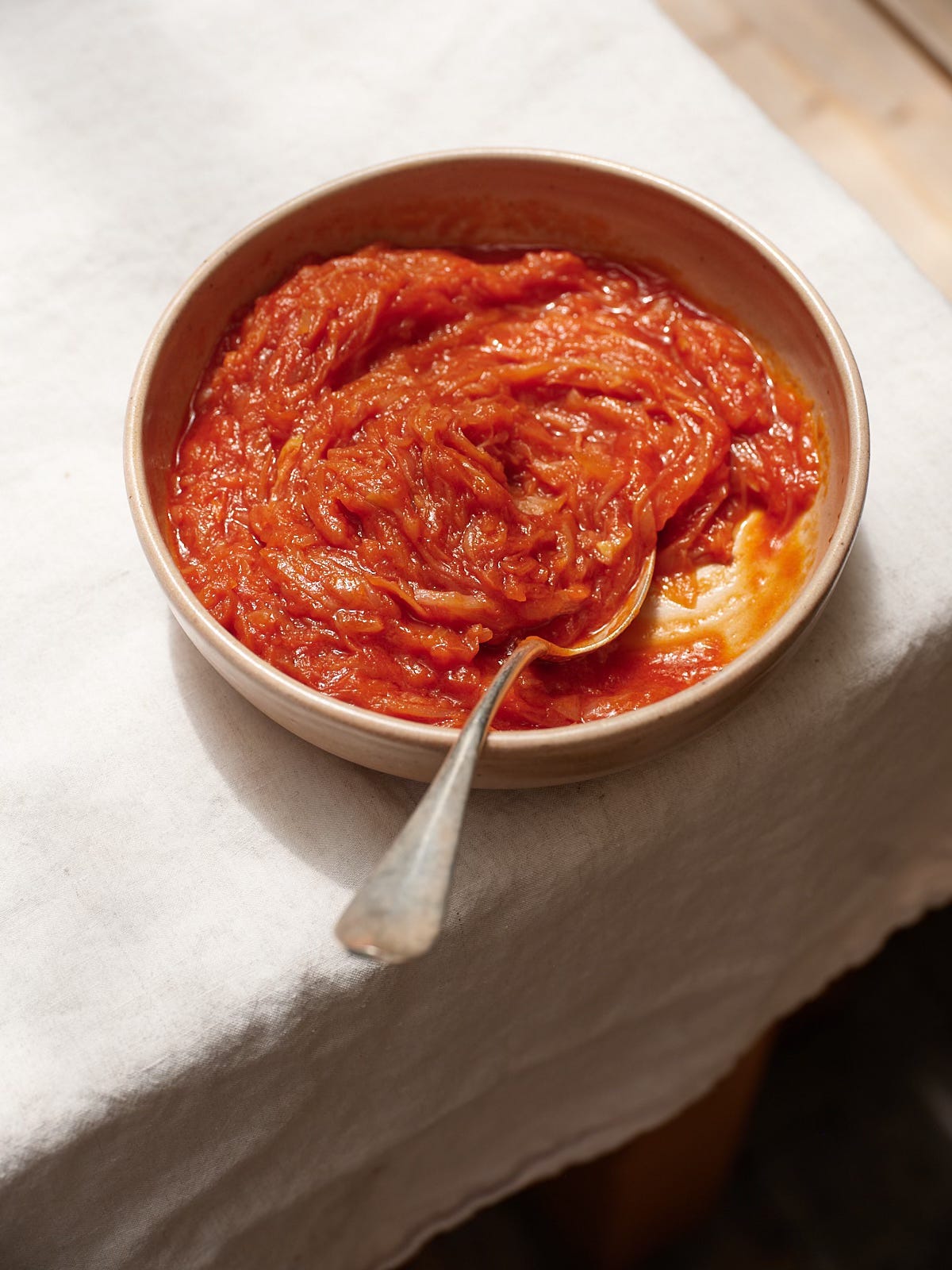
Few writers capture the spirit of Italian home cooking as thoughtfully as Giulia Scarpaleggia. Born and raised in Tuscany, Giulia has spent more than a decade documenting the recipes, traditions, and everyday rituals of Italian family life through her award-winning blog, Juls' Kitchen, as well as six cookbooks and her popular newsletter, Letters from Tuscany.
Giulia and I share a publisher (Artisan Books) so I have watched her work closely in the last few years. Her book Cucina Povera reminds me so much of the way I grew up eating in the Basque Country. The way peasants used to eat in Southern Europe with lots of legumes, vegetables, and everything pushed to obtain maximum flavor and to satisfy hungry bellies.
Her latest book, Vegetables The Italian Way, continues her celebration of regional Italian cooking, showing how simple, seasonal vegetables can be transformed into satisfying meals. The book is organized around the many ways Italians cook vegetables: tossed & stirred, braised, boiled & stewed, twice-cooked, sauced, fried & grilled, baked & roasted, stuffed, preserved, and sweetened.
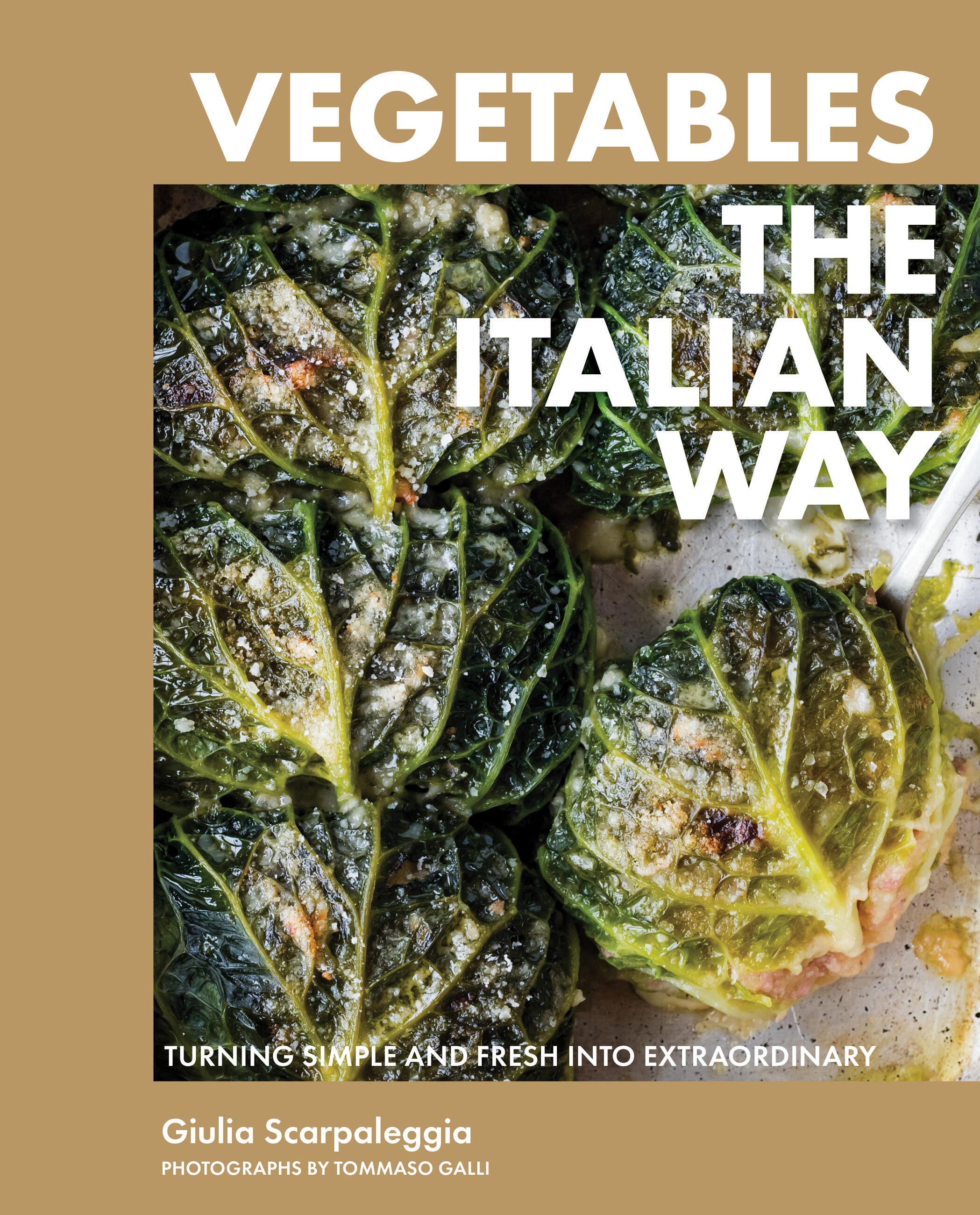
I was recently talking with a friend about how much I love having a refrigerator full of base sauces and condiments. Things that can instantly transform a simple, compartmentalized meal into something more cohesive, with added depth of flavor and texture. So when I was browsing through Giulia’s book and trying to decide what to make, I was immediately drawn to friggione. The truth is that I have never made friggione before, but I have made plenty of similar bases, such as piperrade, which is a Basque version of this slow-cooked onion and tomato stew, but we add peppers into ours.
The process is quite long.
The onions are first left to macerate for about two hours with salt and sugar to help soften them and draw out their moisture. After that, they’re cooked very slowly over low heat until they become soft, sweet, and almost jam-like. Giulia notes this can take up to three hours, though I cooked mine for closer to two. Tomato paste and crushed tomatoes are then added, and everything is cooked for another 45 minutes until you’re left with a rich, deeply savory-sweet stew. It’s probably best reserved for cooler days, since you likely don’t want the stove running for that long, but the result is something I would happily serve all summer long alongside a wide range of dishes.
So for five days, I decided I was going to create simple meals for one, that included and highlighted Giulia’s friggione. This is what I made:
Day 1 - Capellini with Friggione and Olives.
Day 2 - Breakfast Sandwich: GF Oat & Buckwheat Sourdough, Friggione, Fried Egg, Avocado, Greens.
Day 3 - Stewed Cabbage and Beans with Friggione.
Day 4 - Tinned Bonito Tuna and Friggione.
Day 5 - Fried Bread with Harissa Yogurt, Friggione, Poached Egg, Greens.
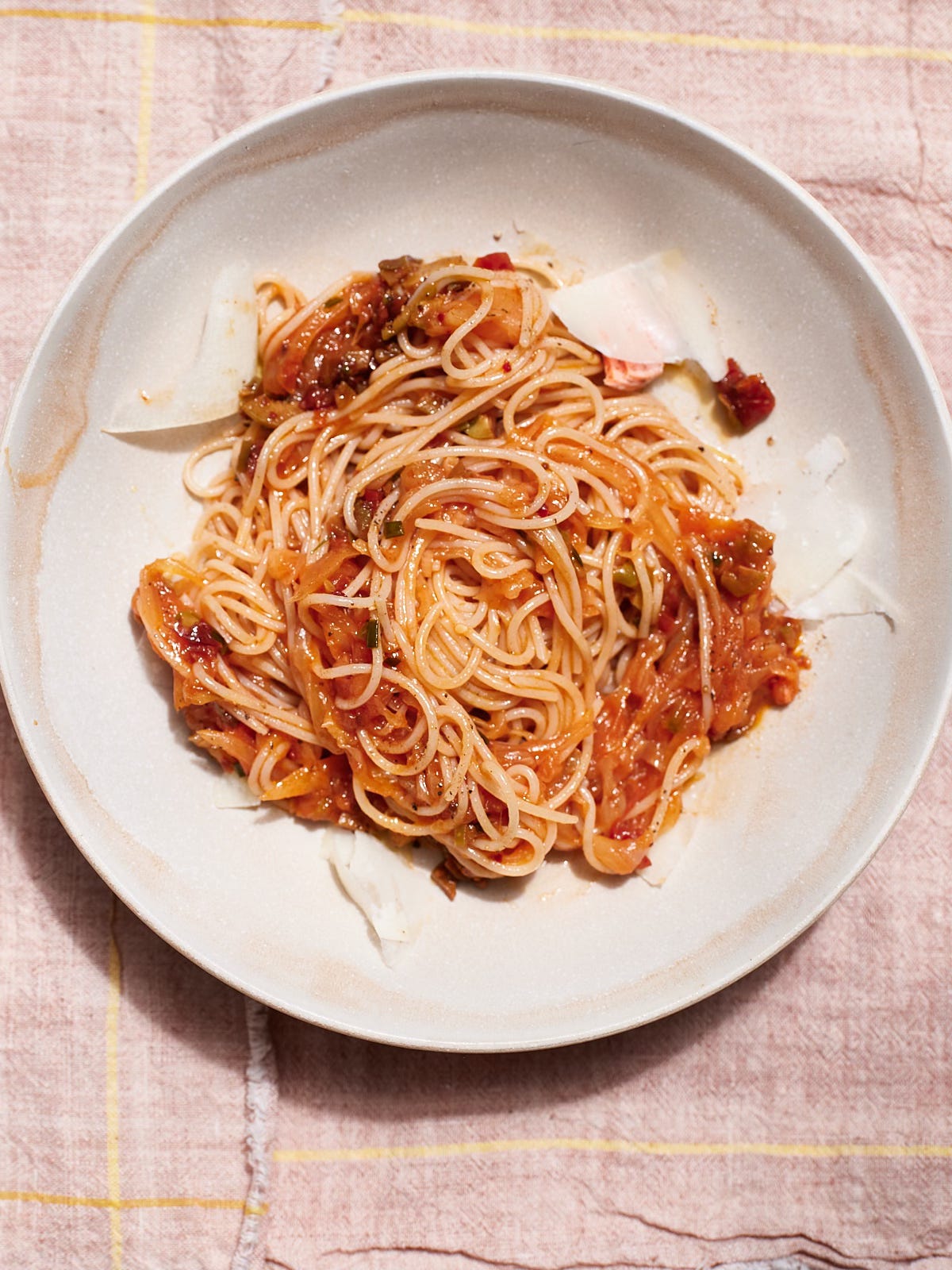
I made this as soon as the friggione was finished cooking. The aroma of the onions and tomatoes was practically begging to be paired with pasta. I had a half-empty box of gluten-free capellini in the pantry, so I dropped it into salted boiling water and cooked it for about 7 minutes before tossing it directly with the friggione.
I also had some leftover olive dip from a batch of breadsticks, so I stirred in a tablespoon for a little extra richness and flavor. It doesn’t appear in the photo, but I served it with some leftover salmon, and together it made the perfect meal for one.
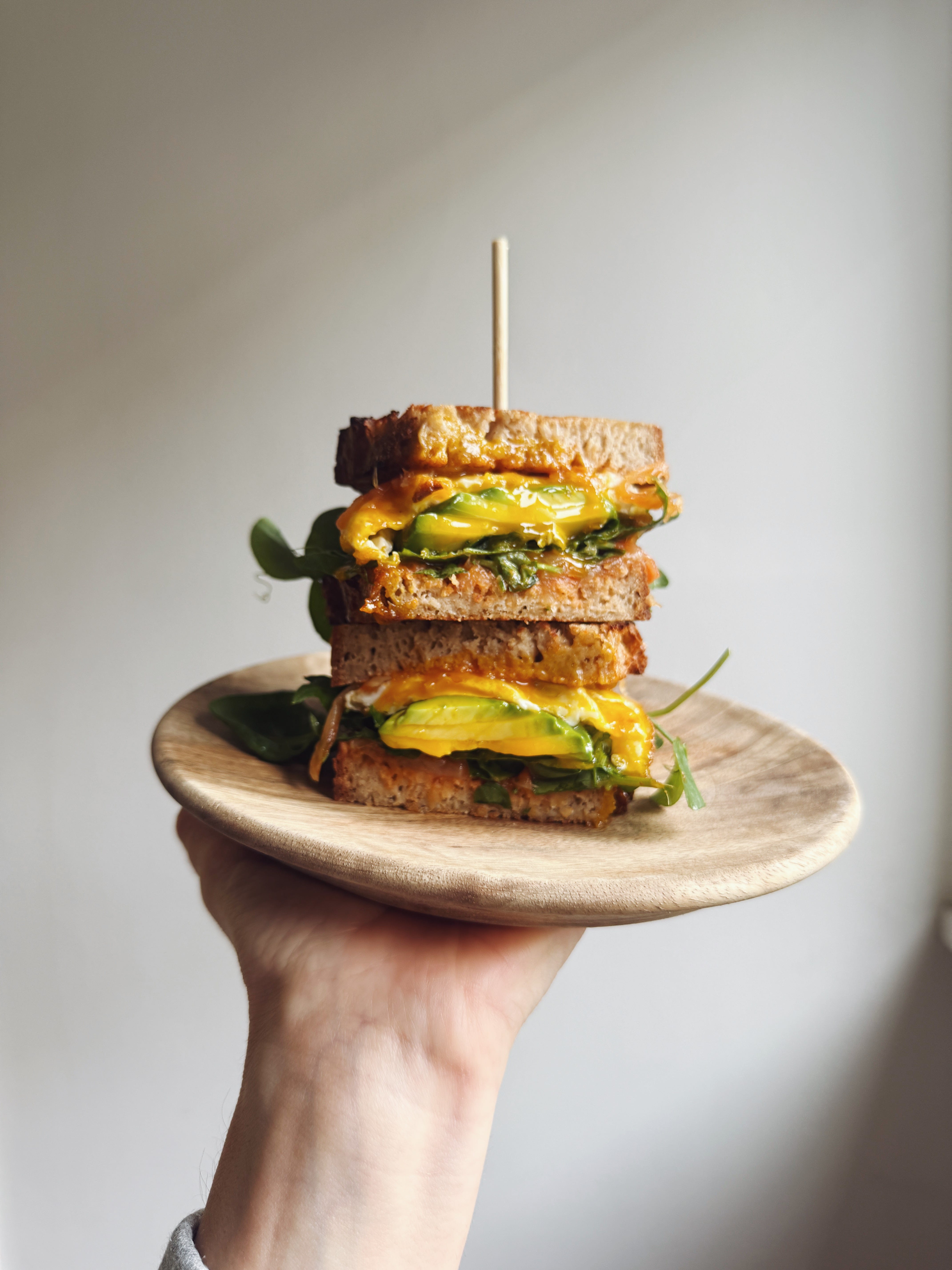
This was a no-brainer for me, as a breakfast sandwich with a fried egg, avocado, and onions is one of my go-to meals. I thawed some GF Oat & Buckwheat Sourdough from the freezer and toasted it in a cast iron skillet with olive oil. The egg was also fried in olive oil; over easy so the yolk stayed runny, though you could easily cook it longer if you prefer.
I layered it with friggione, avocado, and lightly dressed greens. It was delicious. The friggione added extra creaminess and depth to the whole sandwich, tying everything together.
I grew up eating stewed cabbage at least once a week, and it’s still something I make for myself regularly. It’s one of the simplest dishes imaginable.
Add about an inch of water to a medium pot, bring to a simmer over medium-high heat, and season with a little salt. Once the water comes to a simmer, add sliced cabbage. Cover the pot, reduce the heat to medium-low, and cook for about 20 minutes, until the cabbage is tender. As it cooks, the cabbage softens and turns lightly sweet (I know the smell though!). To finish, make a simple refrito: gently heat sliced garlic and chili in olive oil until it turns lightly golden, then pour it over the hot cabbage. Stir, adjust the salt, and eat. I know it may not sound particularly exciting on paper, but I find it incredibly delicious and nourishing.
For this meal, I used that same idea as a base and incorporated Giulia’s friggione. I stewed the cabbage as usual, but saved the refrito for the very end. I spooned the cabbage into a bowl, topped it with some beans that I had cooked in pressure cooker overnight, and added a generous spoonful of friggione. I didn’t even bother warming the friggione as the cabbage and beans were hot enough to take the chill off. Finally, I finished everything with the garlic refrito.
This is what peasant food is all about: humble ingredients transformed into something nourishing and satisfying. And I absolutely love it.
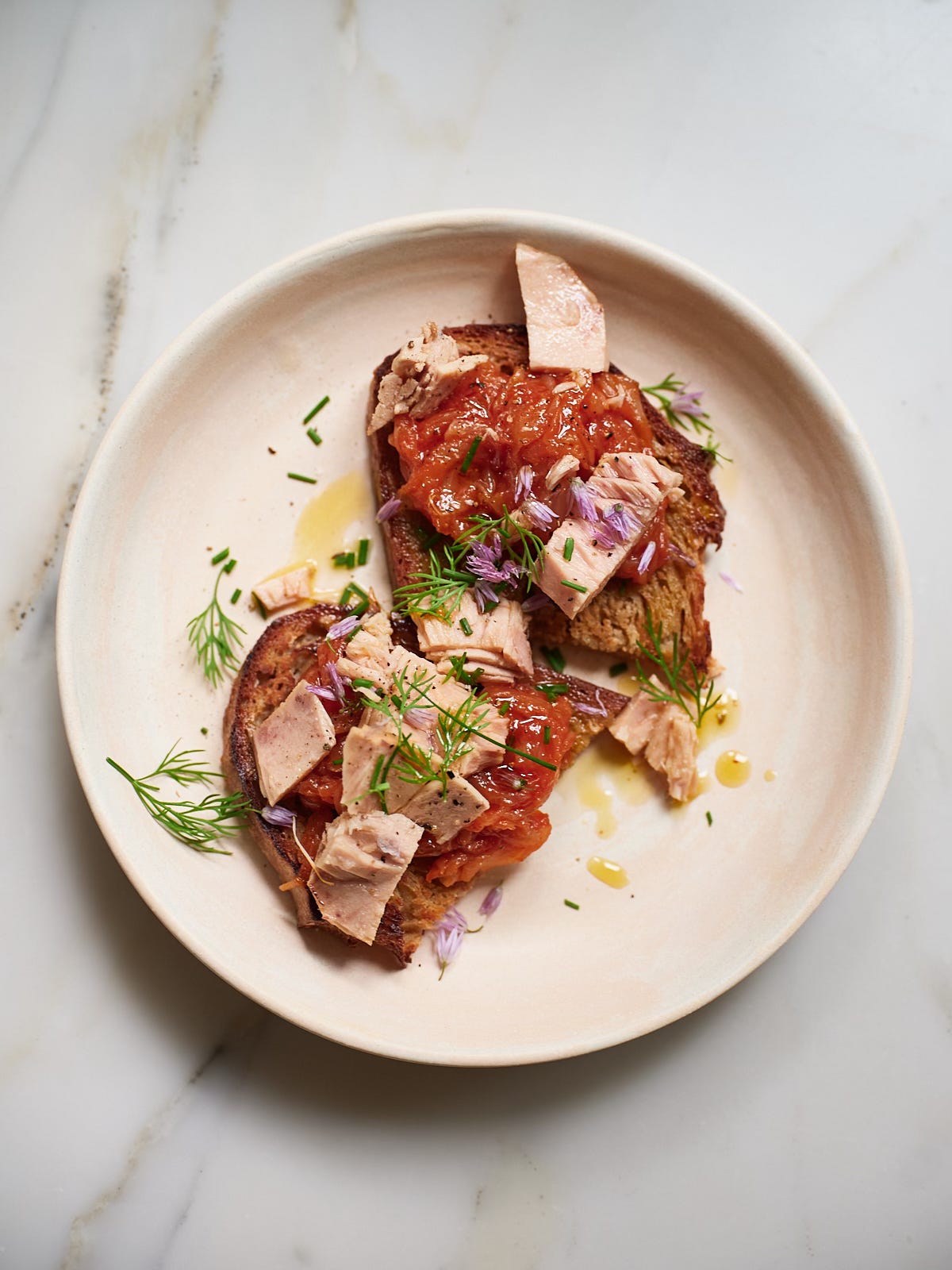
Every time I return to the Basque Country, I make a point of stopping by the canneries in Bermeo to stock up on tinned fish; mostly bonito and sardines packed in olive oil. Tinned fish has certainly gained popularity in the United States in recent years. I see it appearing on more restaurant menus, but Americans generally don’t eat nearly as much fish as we do in the Basque Country.
This toast is one of the simplest and most nutritious breakfasts I make and I find myself creating variations of it all the time. It also reminds me of a classic Basque dish called bonito encebollado (onion-smothered tuna). While the preparation is different, the combination of sweet onions and tuna carries many of the same flavors, which is probably why this version feels so familiar and comforting to me.
Top some warm and crispy toasted bread with friggione and top with bonito packed in olive oil. Herbs like dill or chives are optional but I have some in the garden so why not. That’s all.
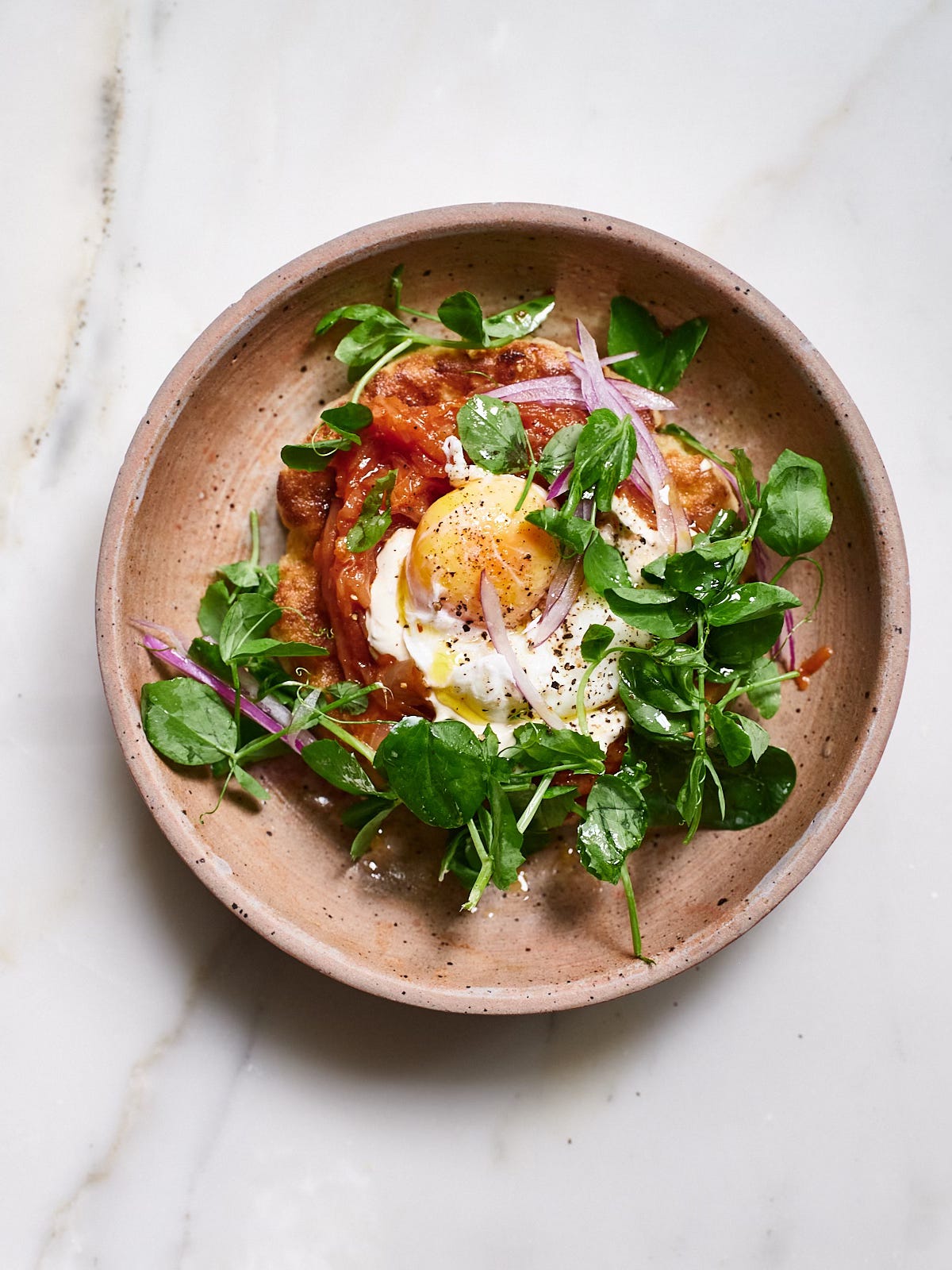
For my final friggione meal, I had planned to make arroz a la cubana. This was a childhood favorite of rice topped with tomato sauce and a fried egg (technically, fried sweet plantains are supposed to be in the dish too, but my mom never made them). It was one of my mom’s go-to dinners when time was short. I ended up going in a different direction (though I still have a little friggione left, so that meal may yet happen).
Instead, I turned it into a breakfast dish, inspired by the breakfast sandwich I had made earlier in the week. It was just too good not to revisit. This time, I fried some bread dough (a technique I’ve been experimenting with for a future post on baking bread in the summer), then topped it with friggione, harissa yogurt, a poached egg, and a tangle of greens and red onion dressed simply with olive oil, salt, and pepper.
It was delicious. A little indulgent, a little messy, and exactly the sort of thing I’d want to serve on a weekend morning.
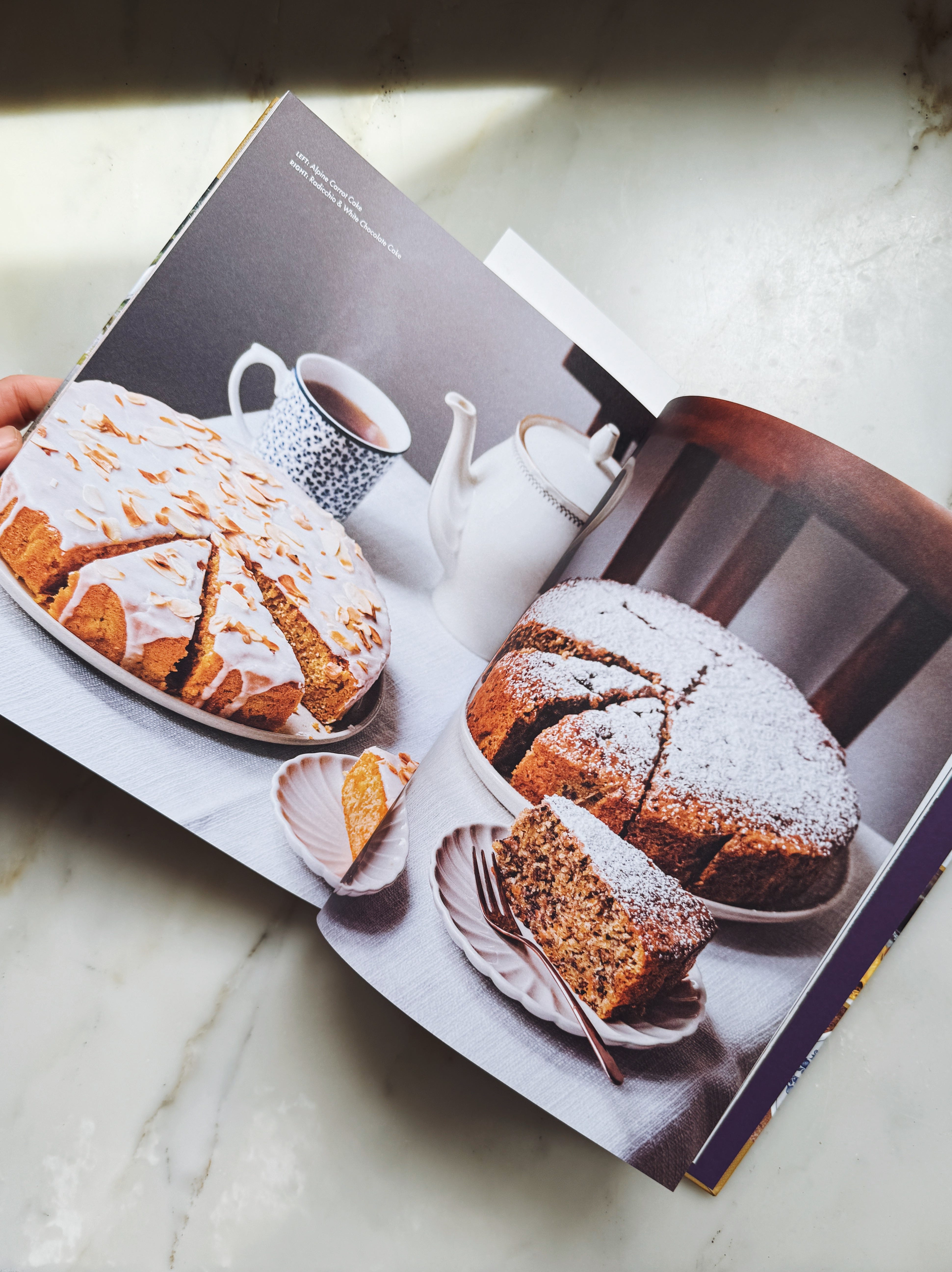
There are so many other recipes I want to try from this book. The dessert chapter looks delicious too. Highly recommend it.
You can purchase the book wherever books are sold or get it from your local library if you just want to check it out.
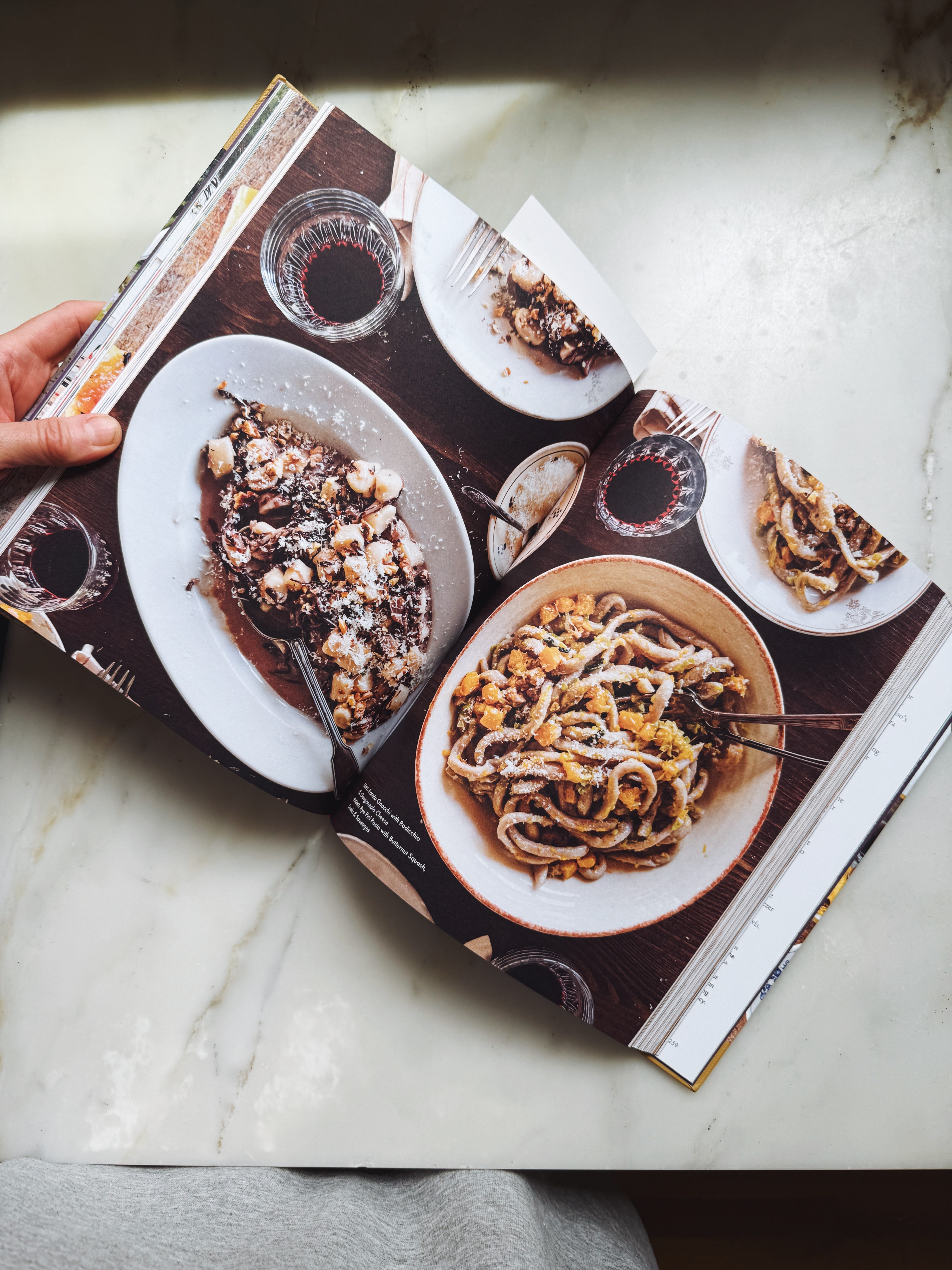
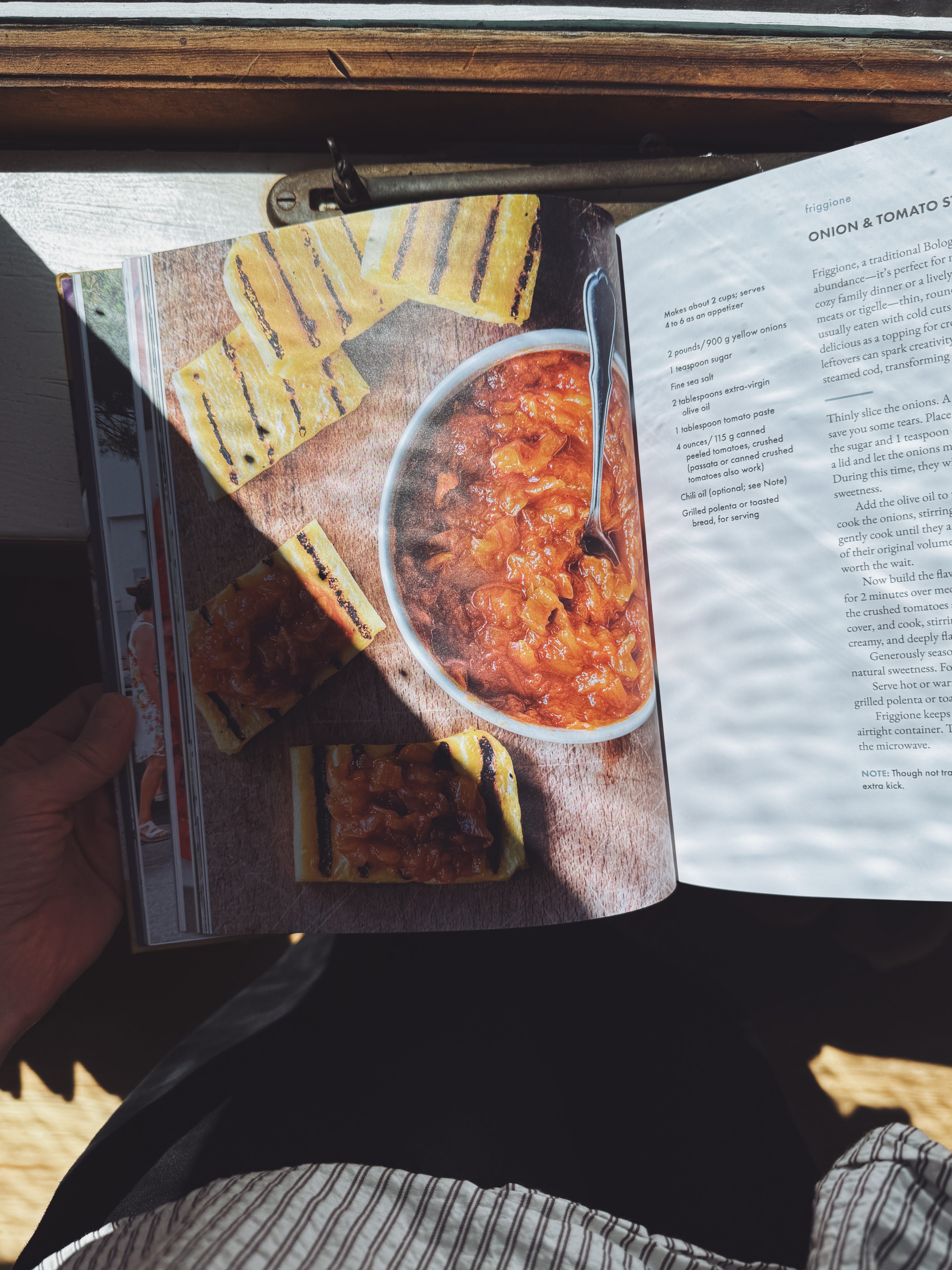
Friggione, a traditional Bolognese onion spread, is a dish that invites abundance—it’s perfect for making in large quantities, whether for a cozy family dinner or a lively gathering. Traditionally served with boiled meats or tigelle—thin, round breads from the Apennine Mountains, usually eaten with cold cuts—friggione is wonderfully versatile. It’s delicious as a topping for crostini or polenta, or as a sauce for pasta. And leftovers can spark creativity: Our friend Neri cooks friggione with flaked steamed cod, transforming it into a spectacular dressing for rigatoni.
Makes about 2 cups; serves 4 to 6 as an appetizer
2 pounds/900 g yellow onions
1 teaspoon sugar
Fine sea salt
2 tablespoons extra-virgin olive oil
1 tablespoon tomato paste
4 ounces/115 g canned peeled tomatoes, crushed (passata or canned crushed tomatoes also work)
Chili oil (optional; see Note)
Grilled polenta or toasted bread, for serving
Thinly slice the onions. A mandoline will make this step quicker and save you some tears. Place the sliced onions in a large pot, sprinkle with the sugar and 1 teaspoon salt, and toss to coat evenly. Cover the pot with a lid and let the onions macerate at room temperature for about 2 hours. During this time, they will release their natural juices, enhancing their sweetness.
Add the olive oil to the pot and place it over low heat. Cover and cook the onions, stirring occasionally to prevent sticking. Let them gently cook until they are golden, creamy, and reduced to one-third of their original volume—this can take up to 3 hours, but the result is worth the wait.
Now build the flavor. Stir in the tomato paste and let it caramelize for 2 minutes over medium heat, releasing its rich umami depth. Add the crushed tomatoes and stir. Reduce the heat to the lowest setting, cover, and cook, stirring frequently, until the mixture becomes glossy, creamy, and deeply flavorful, about 45 minutes.
Generously season the friggione with salt to balance the onions’ natural sweetness. For a hint of heat, drizzle in a few drops of chili oil.
Serve hot or warm in winter, or cold during summer, paired with grilled polenta or toasted bread.
Friggione keeps well in the fridge for up to 5 days when stored in an airtight container. To enjoy it warm, gently reheat over low heat or in the microwave.
NOTE: Though not traditional, finish friggione with a few drops of chili oil for an extra kick.
Excerpted from Vegetables the Italian Way: Turning Simple and Fresh into Extraordinary. © 2026 Giulia Scarpaleggia. Photograph © Tommaso Galli. Reproduced with permission of Artisan Books. All rights reserved.
Hope you enjoyed this deep dive. I sure had fun eating all this food.
Much love.
-Aran
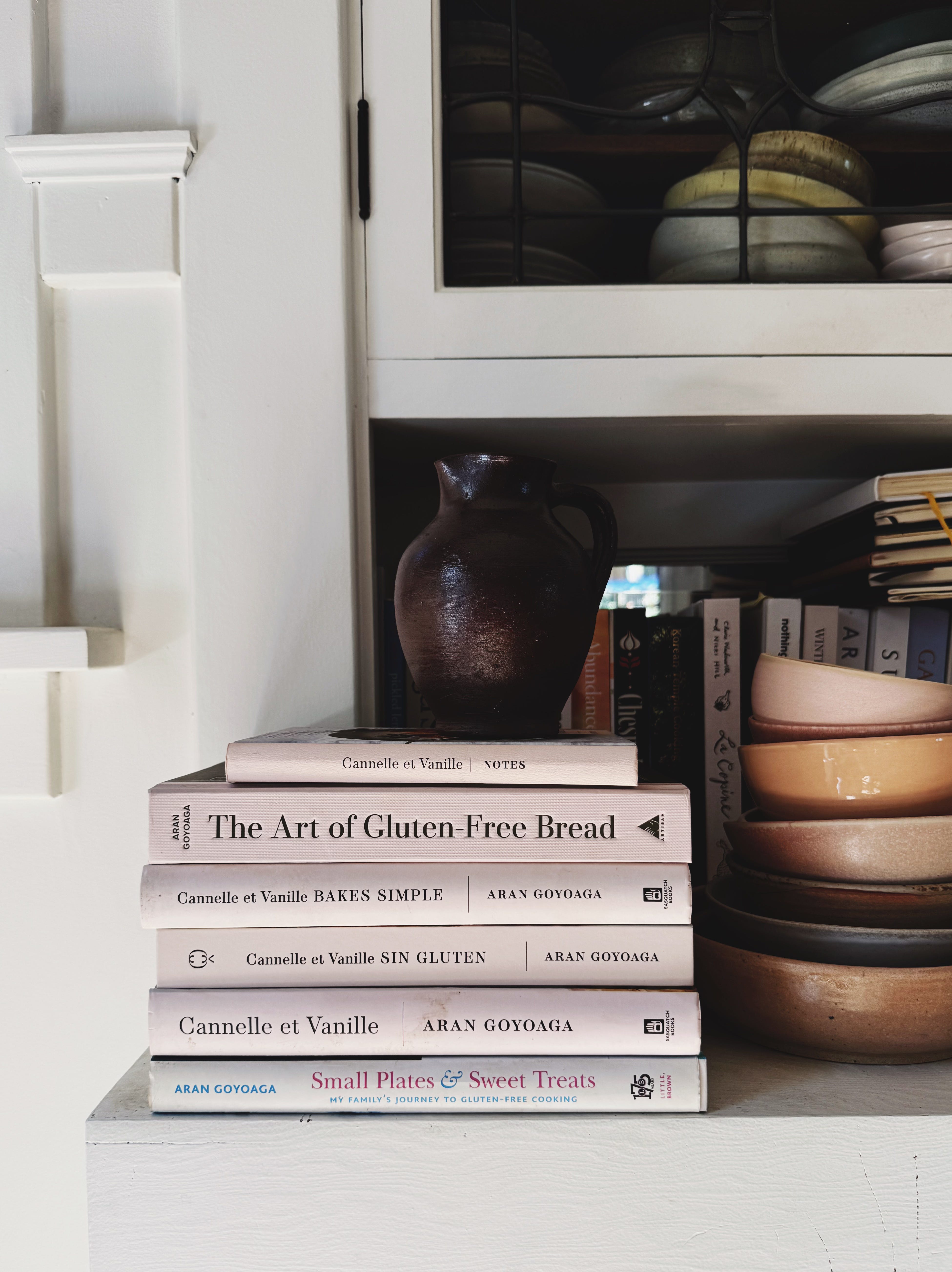
My cookbooks in the afternoon sun.
If you have been successful with my recipes, consider reviewing my book on platforms that accept reviews such as Amazon, Goodreads, Barnes & Noble, etc. It is super helpful and much appreciated!
No posts
Comments
Nothing yet. Say the first thing.
Sign in to join the conversation.