This is issue 2026.19 of the API Changelog, a mix of API news, commentary, and opinion. In this issue, you'll get to know the most relevant API-related information from the week of May 4, 2026. Subscribe now, so you never miss an issue of the API Changelog.
What are the steps to create a successful API product? Learn about it by reading "Building an API Product."
The book targets Product Managers and non-technical people who want to know what it takes to build API products.
If this isn’t the book for you, perhaps someone you know would like to learn from it. Share it with your contacts and help us spread the word.
API development is changing fast. New trends show a clear move toward better infrastructure integration and automated governance. We are also seeing the start of specialized economies built around AI agents.
This transition is perhaps best exemplified by the strategic alliance between One NZ and the Vodafone Group, which aims to accelerate the adoption of standardized network APIs across New Zealand. Working with GSMA Open Gateway and CAMARA standards lets developers connect directly to mobile networks. Using Number Verification and SIM Swap APIs replaces old security methods with real-time authentication that protects user privacy.
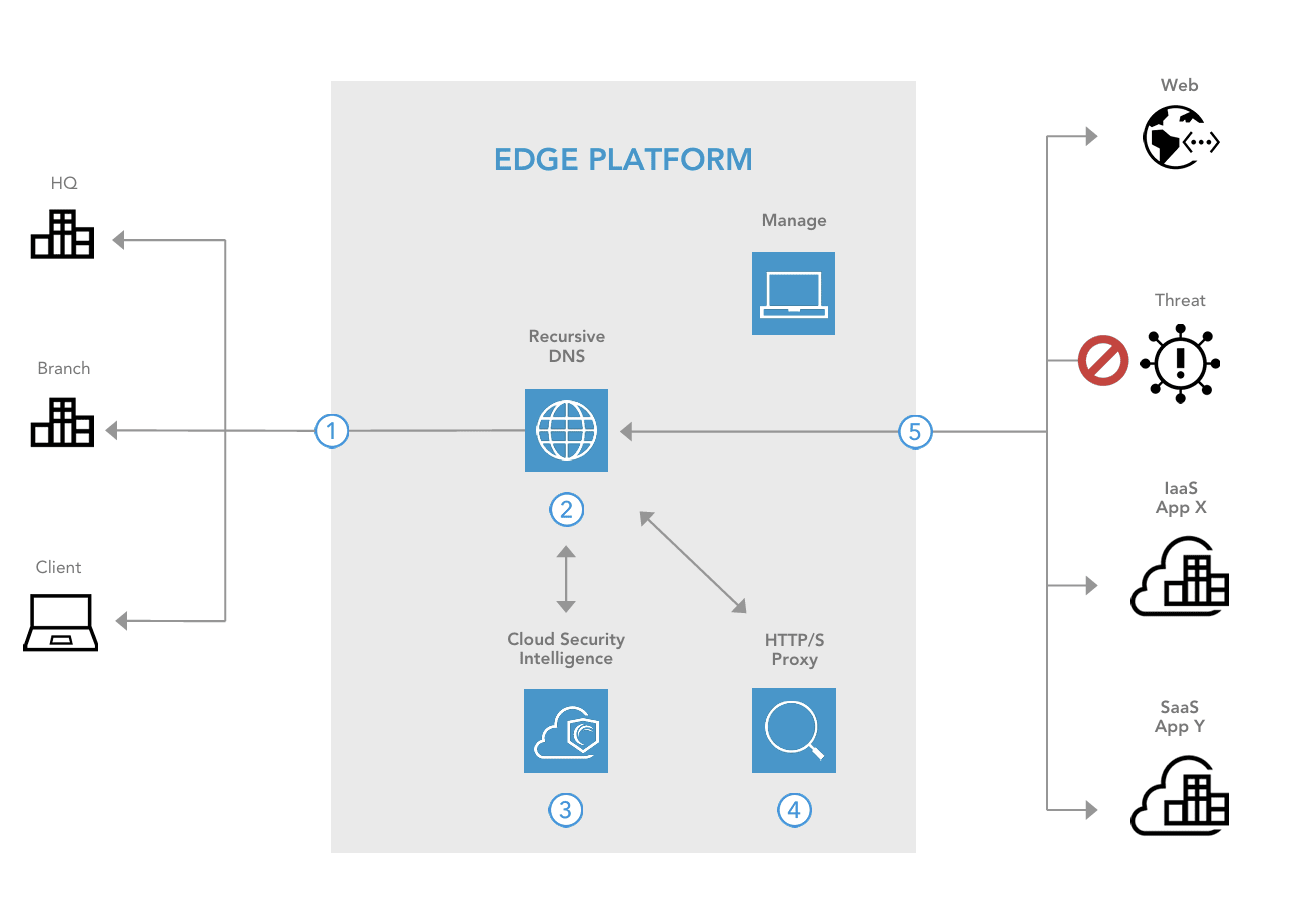
Akamai’s Improve Security Posture Architecture involves five steps, where users access applications through an edge platform that monitors all DNS requests for potential threats. Cloud intelligence evaluates this traffic in real time and inspects suspicious activity using proxy infrastructure. Based on this analysis, companies can then choose to alert, block, or monitor specific access requests to keep their environment safe.
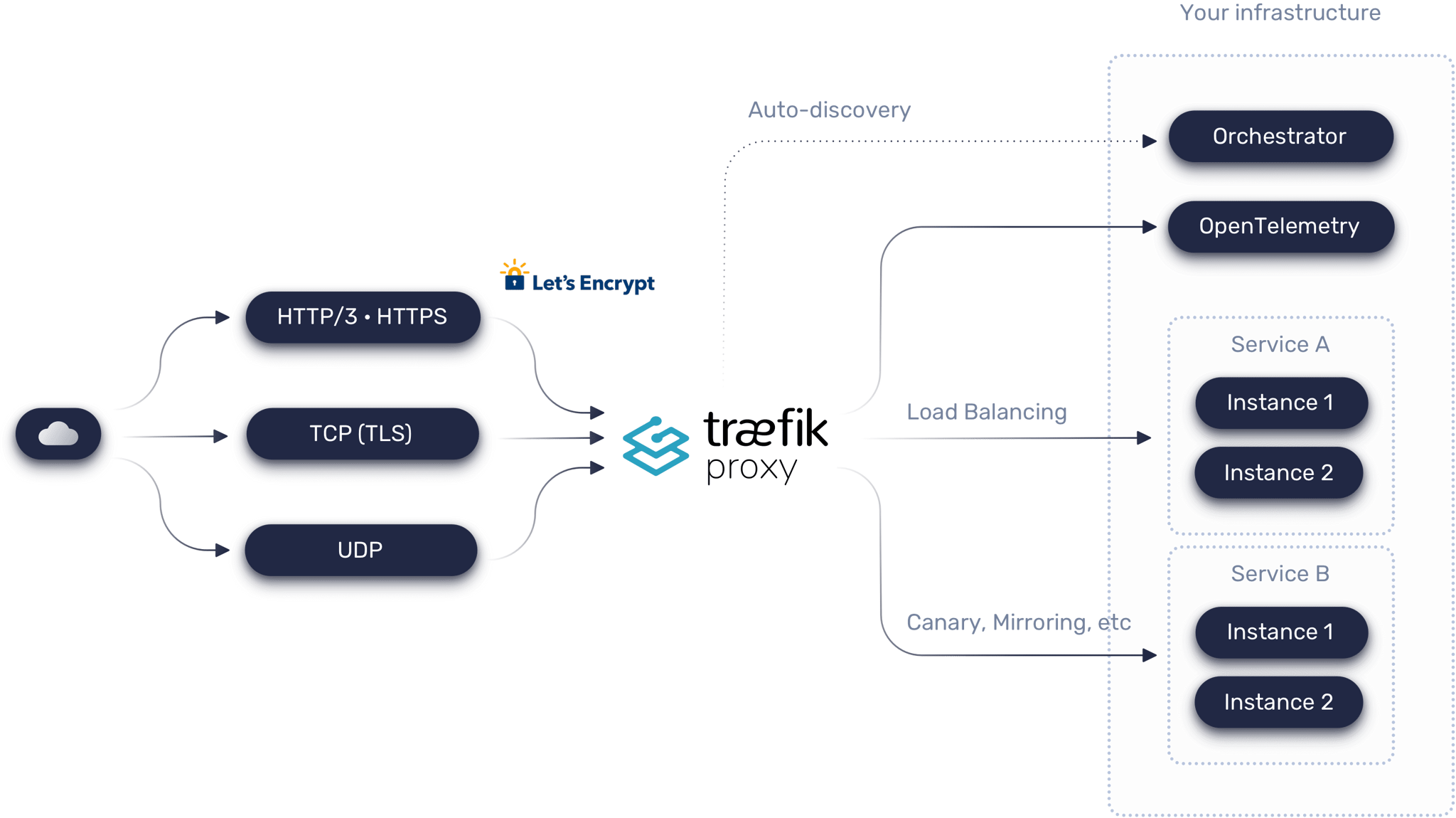
Traefik Labs is also moving toward a more unified architecture. They recently released a replacement for Ingress NGINX and added new multi-cluster API federation features. Their "Uplink" model lets companies manage APIs across different Kubernetes environments from one central portal. This update also adds AI controls so that agents handle blocked requests with structured refusals instead of simply failing.
Traefik Labs is offering an Ingress NGINX migration tool that you can use to analyze your current setup and generate migration recommendations.
APIs are becoming the core connection for innovation in specific industries. This trend is leading to specialized platforms that handle complex technical and regulatory needs. For example, Hormonaly.ai now offers a Clinical AI API for pharmaceutical and telehealth companies. This tool helps these businesses manage hormone replacement therapies while keeping up with changing FDA rules.
In the financial sector, Solana and Google Cloud have debuted Pay.sh, a decentralized payment gateway that enables autonomous AI agents to pay for digital services using stablecoins on a pay-per-request basis. Pay.sh understands payment protocols like MPP and x402, which we covered here before.
Traditional API pricing is built for humans, not machines. Most monetization strategies use tiers that offer a fixed amount of API consumption. What happens with this approach is that you end up with users who pay for more than what they can use, and also customers who can't find the right subscription plan for their needs. How can you fix this? Fortunately, there's a way to align your revenue with the value your API provides. Instead of plans, you sell something else. Instead of subscription holders, you see API consumers for what they actually use. Keep reading to see how to switch to a better API monetization strategy.
This agent-centric economy is supported by massive compute expansions, such as Anthropic’s deal for the SpaceX Colossus 1 data center, which has increased Claude Opus API throughput by as much as 1,500%, effectively removing the hardware bottlenecks that previously constrained the development of large-scale agentic workflows.
API development has moved from simple backend connections to the core engine of business value. These trends show a shift toward a more liquid infrastructure where data moves easily across industries. As the agent economy grows, the companies that can best manage and scale their API ecosystems will become the new market leaders.



Comments
Nothing yet. Say the first thing.
Sign in to join the conversation.