Nine papers accepted to ECCV 2026
June 18 2026
Six papers accepted to NeurIPS 2025
June 27 2025
Seven papers accepted to ICCV 2025 in Hawaii!
June 27 2025
We have several fully-funded PhD & PostDoc openings in our group!
June 21 2025
SpAItial AI, a brandnew spin-off of our group, has raised $13M in a seed funding round!
May 27 2025
Synthesia has raised $180M in a Series D funding round on with an evaluation of one $2.1B!
Jan 15 2025
Prof. Matthias Nießner was awarded the ERC 2025 Consolidator Grant for Gen3D, receiving 2.75 million Euro in Funding!
Dec 3 2025
Three papers accepted to SIGGRAPH Asia 2024 in Tokyo!
Sept 28 2024
Three papers accepted to ECCV 2024 in Milan!
May 23 2024
Fourteen papers accepted to CVPR 2024 in Seattle!
Feb 27 2024
Two papers accepted to NeurIPS 2023 in New Orleans!
Nov 15 2023
Our new application system for PhD, Visiting/Intern, and PostDoc positions is now online!
Oct 31 2023
Eight papers accepted to ICCV 2023 in Paris!
July 14 2023
Synthesia, a spin-off of our group, has reached Unicorn status with an evaluation of one billion USD!
June 13 2023
Four papers accepted to SIGGRAPH 2023 in Los Angeles!
May 6 2023
Seven papers accepted to CVPR 2023 in Vancouver!
Feb 28 2023
Three papers accepted to NeurIPS 2022 in New Orleans and Virtual!
Sept 15 2022
Seven papers accepted to ECCV 2022 in Tel-Aviv and Virtual!
July 4 2022
Six papers accepted to CVPR 2022 in New Orleans and Virtual!
March 7 2022
Two papers accepted to NeurIPS 2021 Virtual, Zoom!
Sept 28 2021
Six papers accepted to ICCV 2021 Virtual, Zoom!
July 22 2021
New Research Fellowship Opportunities for Master's students in our lab!
March 7th 2021
Seven papers (3 orals, 4 posters) accepted to CVPR 2021 in Nashville, Zoom!
March 3rd 2021
Prof. Matthias Nießner received the German Pattern Recognition Award 2020!
Sept 29 2020
One paper accepted to NeurIPS 2020!
Sept 26 2020
One paper accepted to Siggraph Asia 2020!
Aug 20 2020
ScanNet won the SGP'2020 Dataset award!
July 9 2020
Luisa Verdoliva was awarded with an IAS Hans Fischer Fellowships and will be joining us as a visiting Professor!
July 7 2020
Five papers accepted to ECCV 2020 Glasgow, Zoom!
July 3 2020
Eight papers accepted to CVPR 2020 in Seattle, WA!
Feb 24 2020
Presenting our research to the Fed. German Gov., chancellor Merkel at Digital Summit Meseberg, Germany!
Nov 18 2019
Five papers accepted to ICCV 2019 Seoul, South Korea!
July 23 2019
Prof. Matthias Nießner wins Eurographics 2019 Young Researcher Award!
May 8 2019
Two papers accepted to Siggraph 2019!
March 28 2019
Five orals and one poster accepted to CVPR 2019!
March 2 2019
We have several PhD and PostDoc openings! Get in touch :)
Jan 30 2019
Face2Face featured as a research highlight in Communications of the ACM on the front cover in January 2019!
January 25 2019
Two papers accepted to ICLR 2019 on learning geometric features!
Dec 19 2018
Prof. Matthias Nießner was awarded the ERC 2018 Starting Grant for Scan2CAD, receiving 1.5 million Euro in Funding!
July 27 2018
Two papers accepted to ECCV 2018, including one oral presentation
July 25 2018
Prof. Matthias Nießner received the Nvidia Professor Partnership Award!
July 10 2018
Leonidas Guibas and Angel Chang were awarded with IAS Hans Fischer Fellowships! They are joining us as Vist. Professors!
Apr 2 2018
We have several PhD and PostDoc openings! Get in touch :)
Mar 24 2018
Prof. Matthias Nießner was awarded the Google Faculty Award for Machine Perception!
Mar 20 2018
Announcing the Robust Vision Challenge 2018 at CVPR - Watch out for the chicken!
Feb 12 2018
Dr. Justus Thies was nominated for the GI 2017 Thesis Award :)
Dec 04 2017
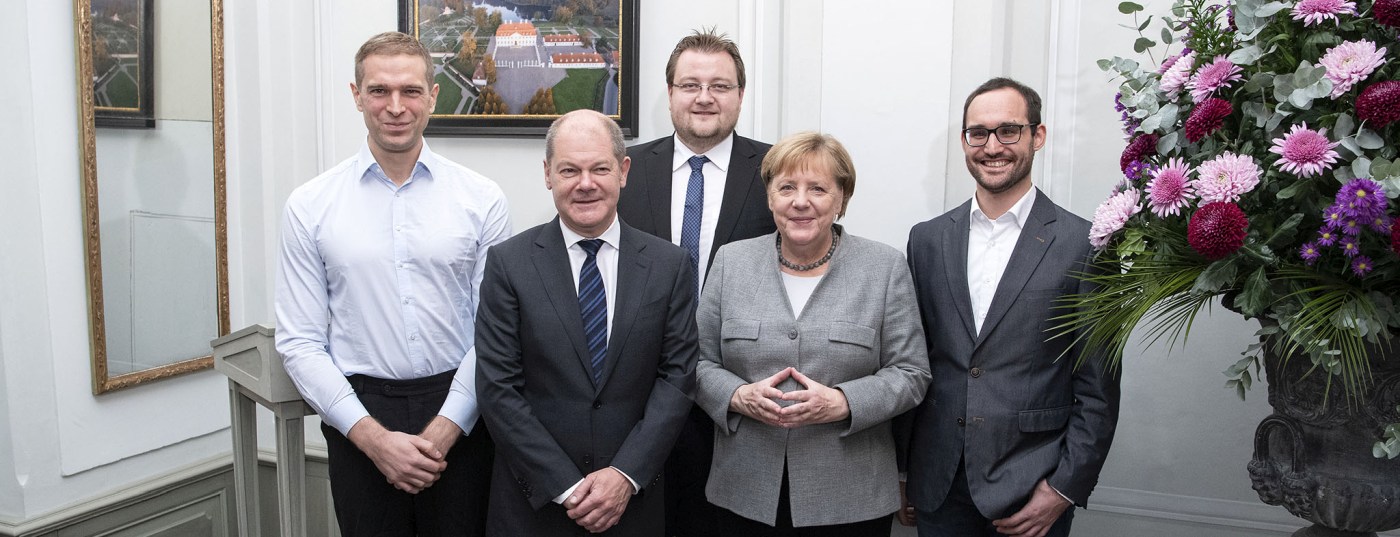
Research Highlights: Prof. Niessner, Dr. Thies, and M.Sc. Rössler presenting to the German Federal Government at #Digitalgipfel about #AI, #SyntheticMedia, and #MediaForensics. A specific focus was put on the FaceForensics works, as well as a general discussion about the general AI landscape in Germany. So many opportunities in how to move the country forward!
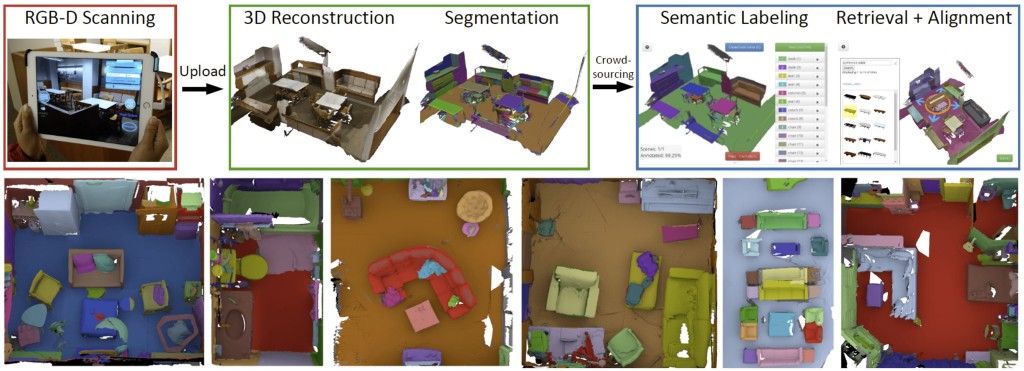
Research Highlights: ScanNet is an RGB-D video dataset containing 2.5 million views in more than 1500 scans, annotated with 3D camera poses, surface reconstructions, and instance-level semantic segmentations. This data is specifically designed to support deep learning tasks for scene understanding in 3D - it is one of the largest annotated RGB-D dataset that is publically available.
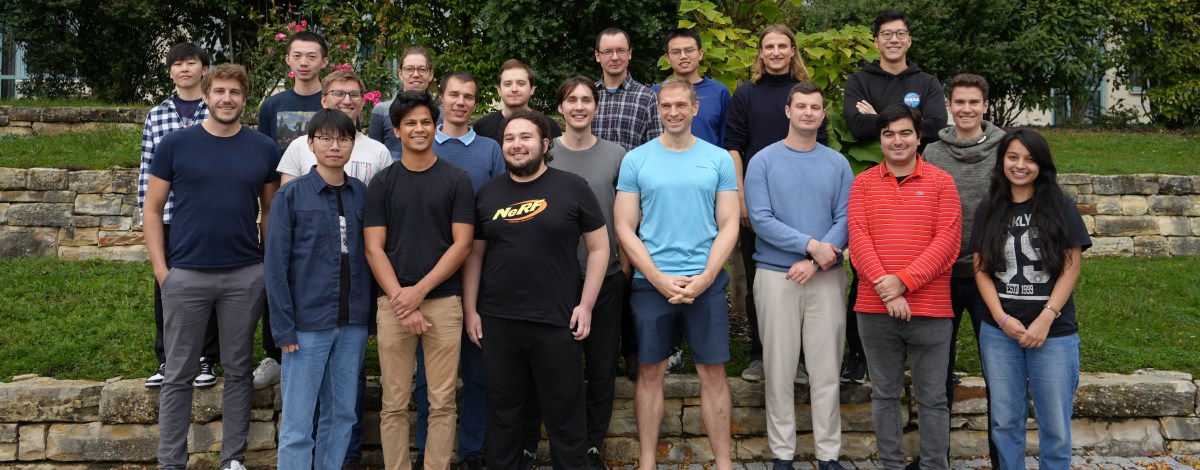
Research Highlights: Group Retreat of our TUM Visual Computing & AI Group! It was a fantastic venue at Beilngries next to the idyllic Altmuehl river. We had a fantastic time going through paper drafts, presentations of our ongoing projects -- made a lot of progress -- amazing group!
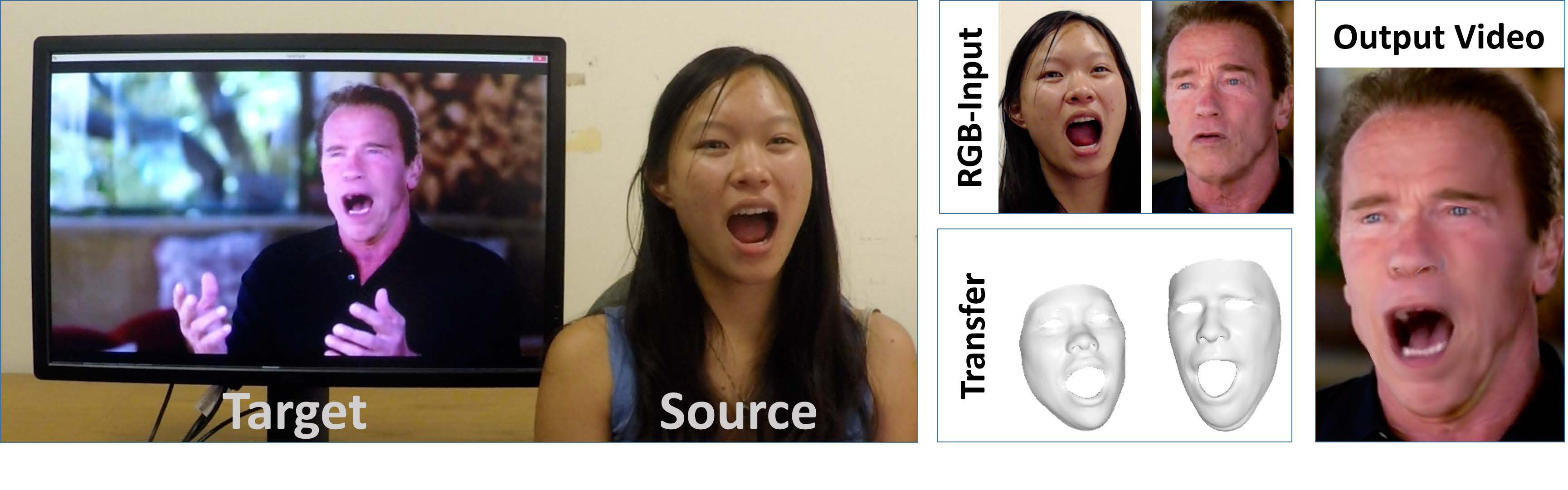
Research Highlights: Face2Face is a real-time face tracker whose analysis-by-synthesis approach preceisely fits a 3D face model to a captured RGB video. This produces high accuracy tracking, allowing for photo-realistic re-rendering and modifications of a target video: in a nutshell, one can change the expressions of a target video in real time. This project has received incredible attention with several million youtube views and wide range of media coverage. We even gave live demos on several occasions on public television!
Research Agenda
The Visual Computing & Artificial Intelligence Lab at TUM, is a group of research enthusiasts advancing cutting-edge research at the intersection of computer vision, computer graphics, and artificial intelligence. Our research mission is to obtain highly-realistic digital replica of the real world, which include representations of detailed 3D geometries, surface textures, and material definitions of both static and dynamic scene environments. In our research, we heavily build on advances in modern machine learning, and develop novel methods that enable us to learn strong priors to fuel 3D reconstruction techniques. Ultimately, we aim to obtain holographic representations that are visually indistinguishable from the real world, ideally captured from a simple webcam or mobile phone. We believe this is a critical component in facilitating immersive augmented and virtual reality applications, and will have a substantial positive impact in modern digital societies.
Keywords: Visual Computing, 3D Vision, Machine Learning, Artificial Intelligence, 3D Reconstruction, Scene Understanding, Neural Rendering, Neural Scene Representations
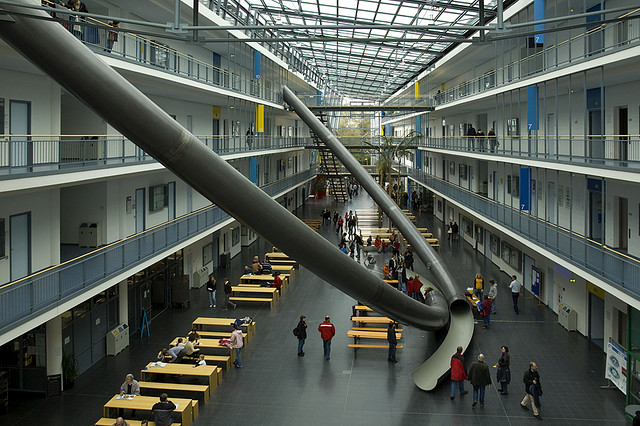
Our lab is located at the research campus in Garching. Inside the Faculty of Computer Science, the slide enables both students and visitors to make the journey down from the fourth floor a little quicker than might be expected.