NASA is taking a steppingstone approach to human exploration in space. Building on NASA’s 60 years of exploration experience and more than 20 years of continuous human presence on the International Space Station in low Earth orbit, we will extend humanity farther into space than ever before. The International Space Station has built the foundation to conduct complex operations in space, perform research in a microgravity environment, foster a growing space economy, and forge international partnerships toward a common goal. Artemis missions will establish our long-term presence at the Moon as astronauts explore more of the lunar surface than ever before to learn about the origins of the solar system and prepare for humanity’s next giant leap: human missions to Mars.
Quick Facts
The space station has been continuously occupied since November 2000.
Missions to the Moon are about 1,000 times farther from Earth than missions to the International Space Station.
Thanks to nearly 20 years of continuous human habitation on the space station, future life support systems for Mars can be designed with a 36% reduction in mass.
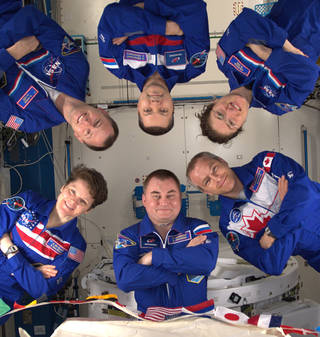
An international partnership of five space agencies from 15 countries operates the International Space Station.
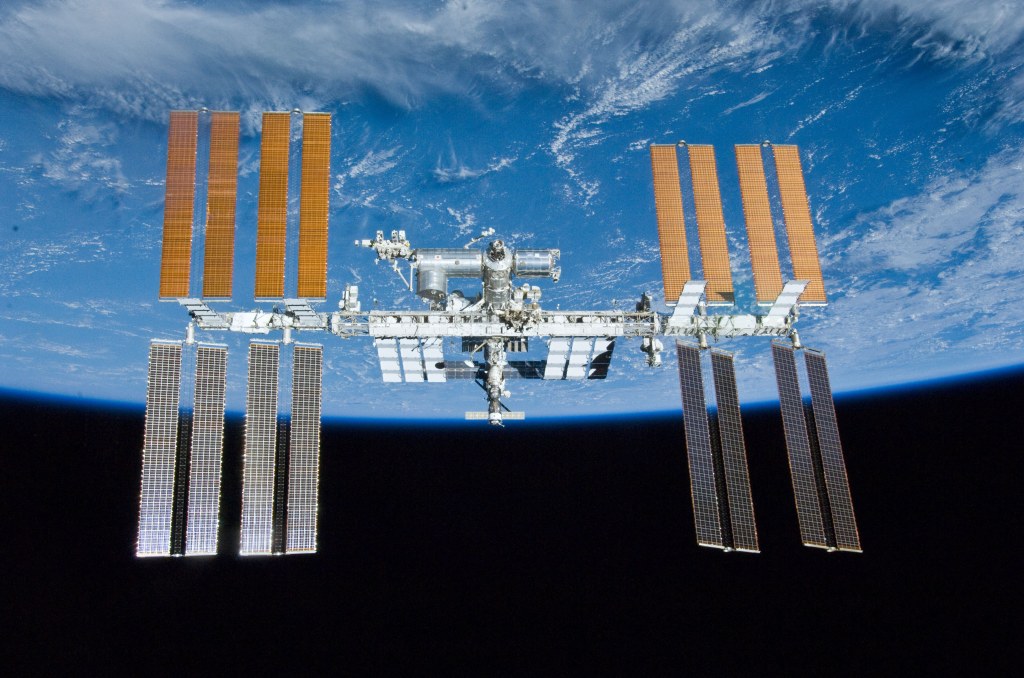
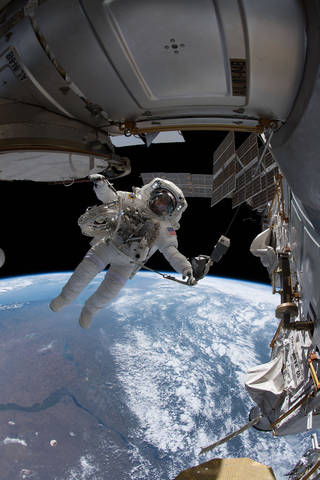
International Space Station
Astronauts on the orbiting laboratory are helping us prove many of the technologies and communications systems needed for human missions in deep space, including to the Moon and Mars. The space station also advances our understanding of how the body reacts and changes in space and how to protect astronaut health.
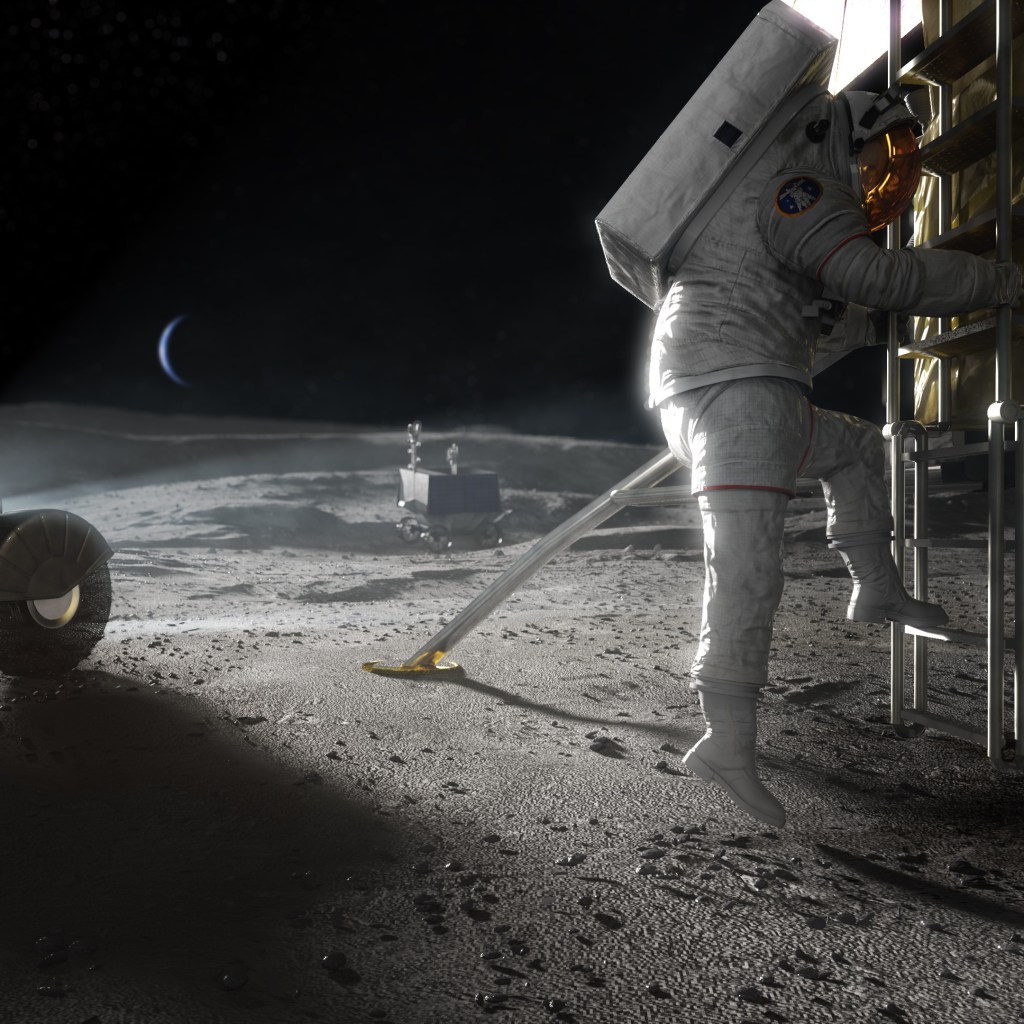
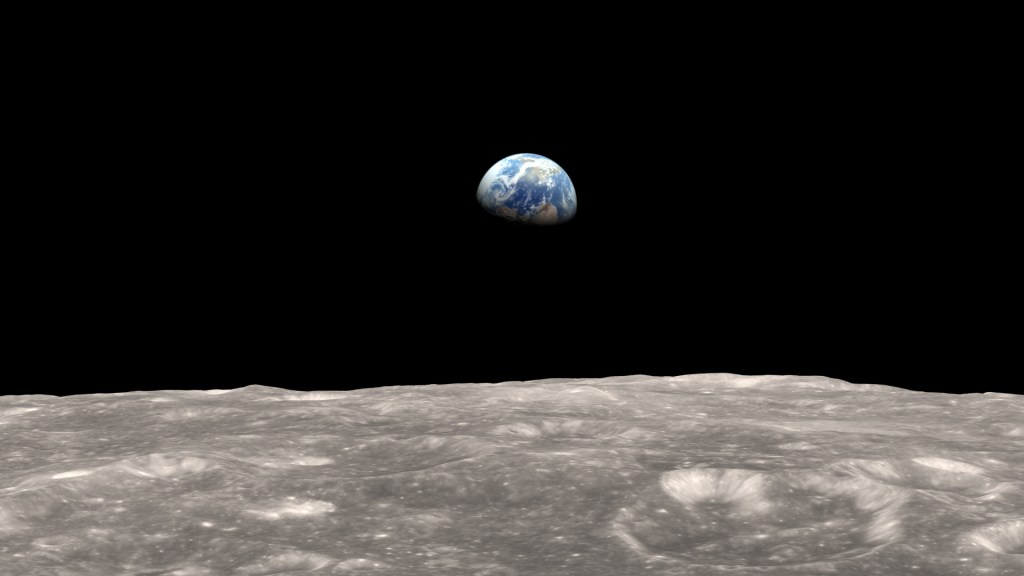
Earth's Moon
Artemis missions will collaborate with commercial and international partners to demonstrate innovative technologies on the lunar surface and around the Moon for scientific discovery and to prepare for human missions to Mars.
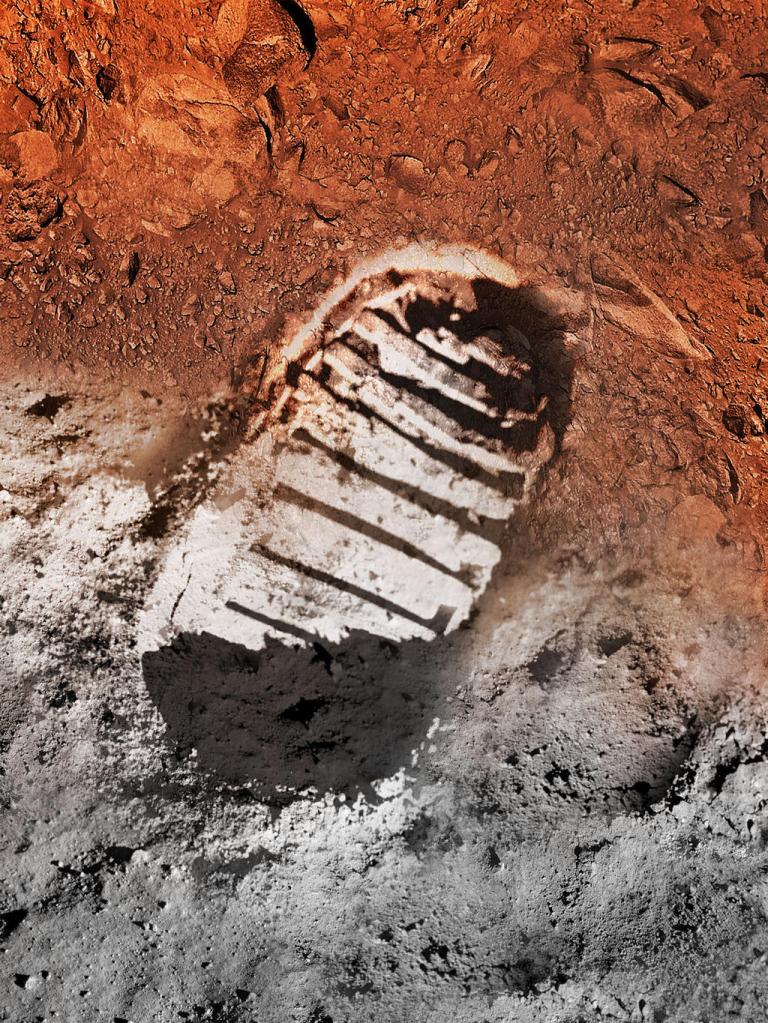
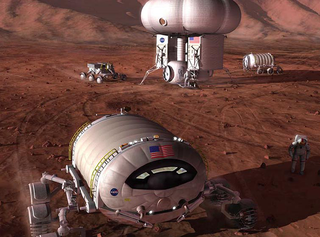
Mars
Engineers and scientists around the country are developing the technologies astronauts will use to one day live and work on Mars and safely return home from humanity's next giant leap. NASA is working to address the challenges of living farther from Earth, such as using existing resources, options for disposing of trash, and more.
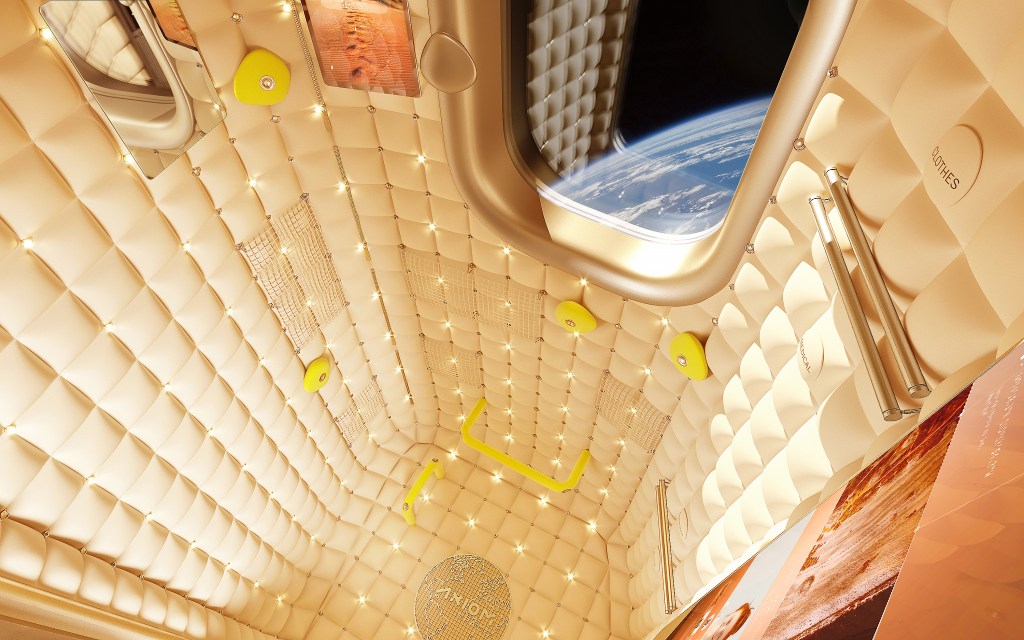
Commercial Destinations in Low Earth Orbit
NASA’s Commercial Low Earth Orbit Development Program is supporting the development of commercially owned and operated low Earth orbit destinations from which NASA, along with other customers, can purchase services and stimulate the growth of commercial activities close to Earth.
Architecture
Moon to Mars Architecture
NASA’s Moon to Mars architecture represents the hardware and operations needed for human missions to the Moon and Mars, and how they function together as a system.
The architecture is not a mission, a manifest, or a set of requirements, but it does define the elements — rockets, spacecraft, rovers, spacesuits, communications relays, and more — that will be incrementally developed and delivered to the Moon and Mars for long-term, human-led scientific discovery in deep space.
Learn More about Moon to Mars ArchitectureThat’s one small step for (a) man; one giant leap for mankind.
Neil Armstrong
Apollo astronaut
Latest News
Keep Exploring