Environment
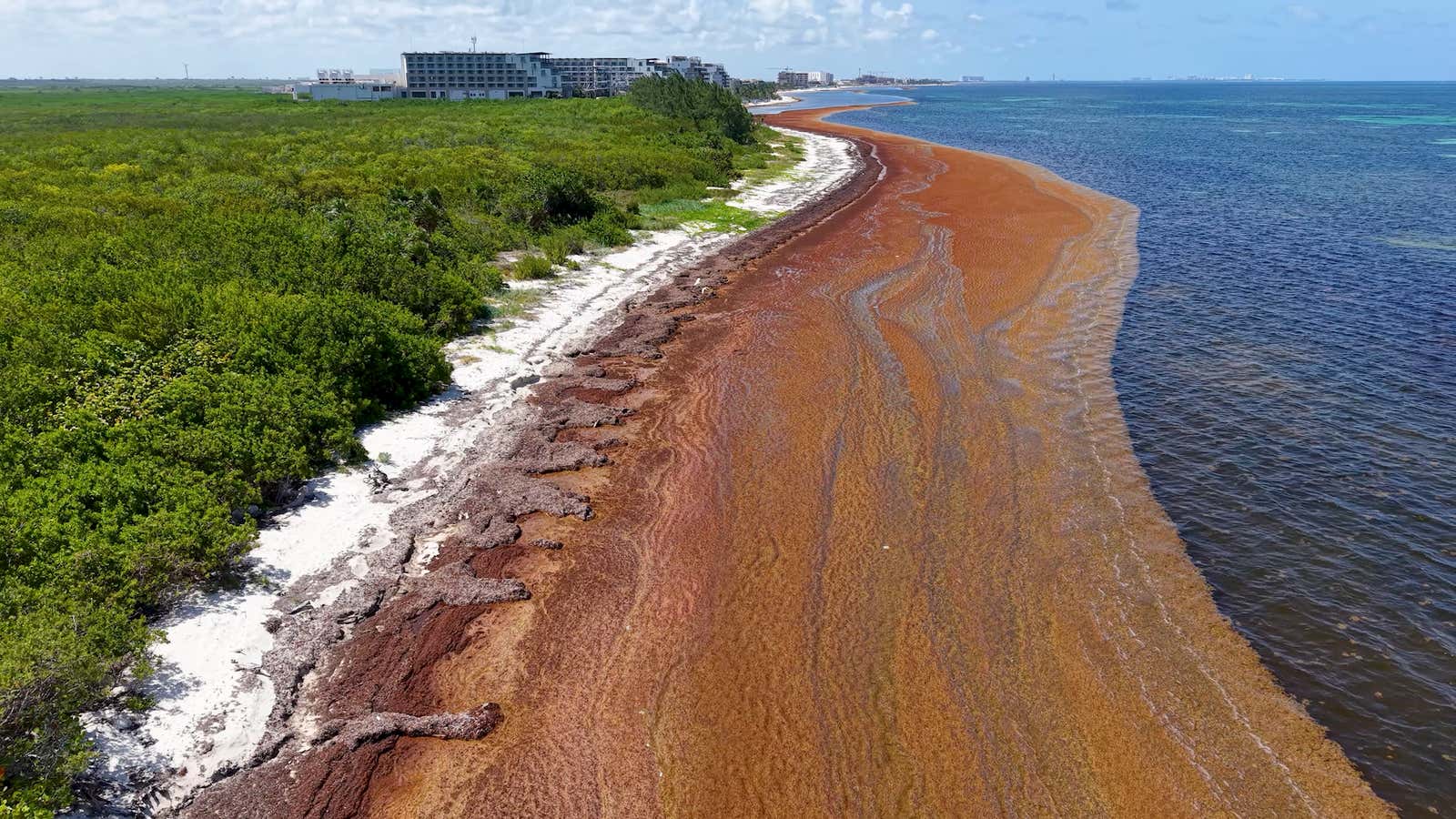
Everything You Need To Know About Sargassum
June 12, 2026, 12:25 am EDT
Sargassum is showing up in record high numbers across the Caribbean Sea and Atlantic Ocean. And it’s arriving earlier than normal. Dr. Tracy Fanara, an oceanographer, breaks down why this is happening and what you should do if you have a beach vacation planned.
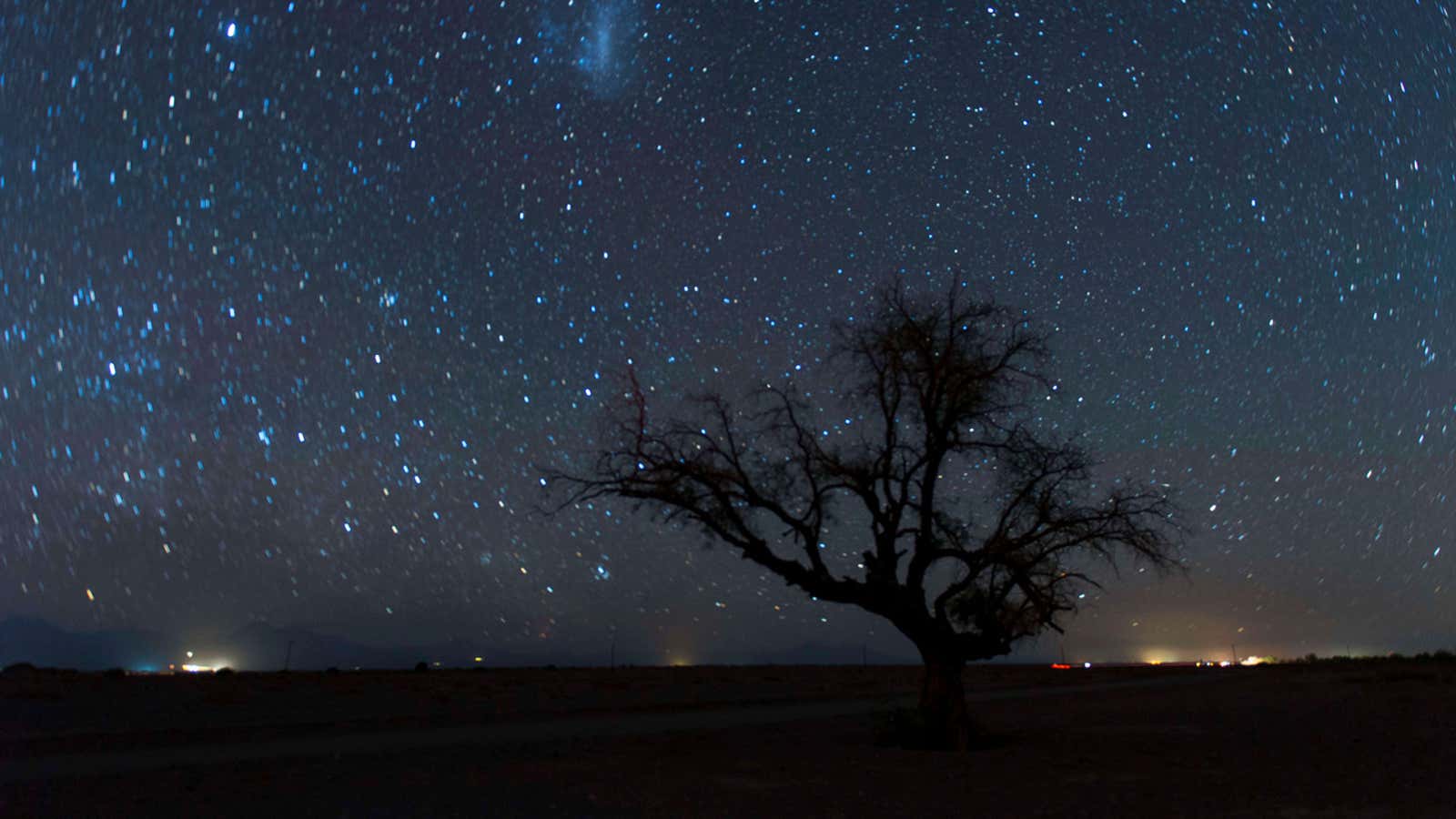
The Threat Of Light Pollution Puts The World’s Darkest Skies In The Atacama Desert At Risk
May 1, 2026, 5:34 pm EDT
A rare combination of dry climate, high altitude and, crucially, isolation from urban light pollution, makes the Atacama an unrivaled hub for world-class astronomy and home to the world’s largest ground-based astronomical projects. But the world's darkest skies may be at risk.
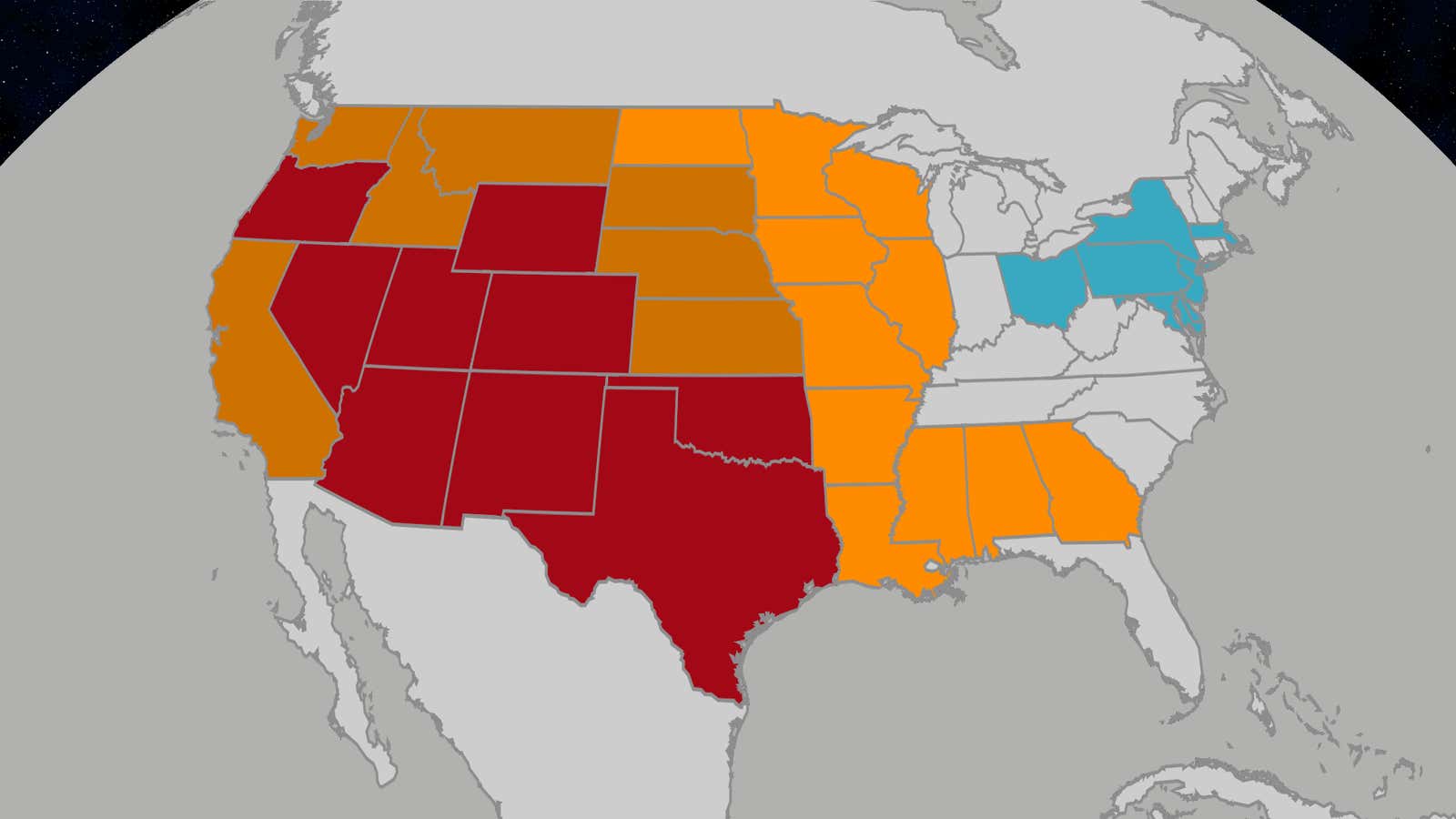
Record Warmth Is Almost Tripling Record Cold This Year
April 30, 2026, 7:31 am EDT
The U.S. has seen nearly triple the amount of record warmth to record cold. The reason why is due to the polar vortex and what is happening to it. Meteorologist Rob Shackelford breaks down why this is all connected.
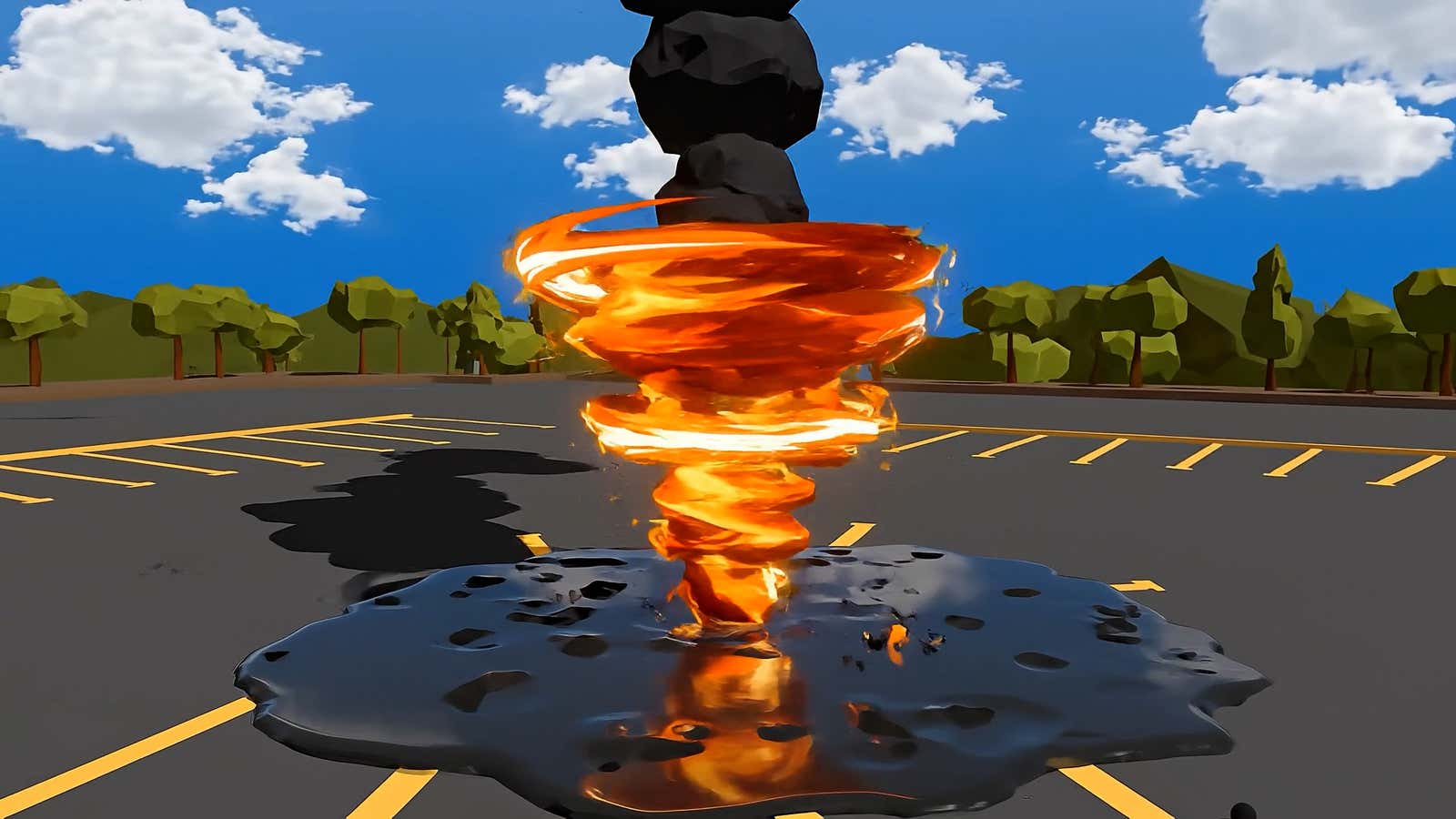
Weather Gone Wild: Could A Fire Tornado Save The Ocean?
April 28, 2026, 12:00 pm EDT
A 2003 bourbon spill accident in Kentucky that created a 100-foot fire whirl on a lake has inspired scientists to develop a revolutionary ocean cleanup method. Researchers at Texas A&M University, led by professor Elaine Oran, constructed a 16-foot experimental setup at a fire training facility in Texas to test whether fire tornadoes could clean oil spills more effectively than conventional methods. The experiment created a 17-foot fire whirl that burned crude oil 40% faster than traditional fire pools, cut toxic soot emissions by 40% and consumed up to 95% of the fuel. The secret lies in the vortex's ability to suck in oxygen from all sides, burning hotter and more completely like a giant incinerator. While fire whirls are temperamental and require precise conditions to maintain stability, Oran believes achieving the right balance in real-world conditions is realistic. She envisions mobile barrier structures that could be deployed directly over oil spills at sea, transforming fire from a destructive force into a protective tool for our oceans. The groundbreaking results were published in the journal Fuel.
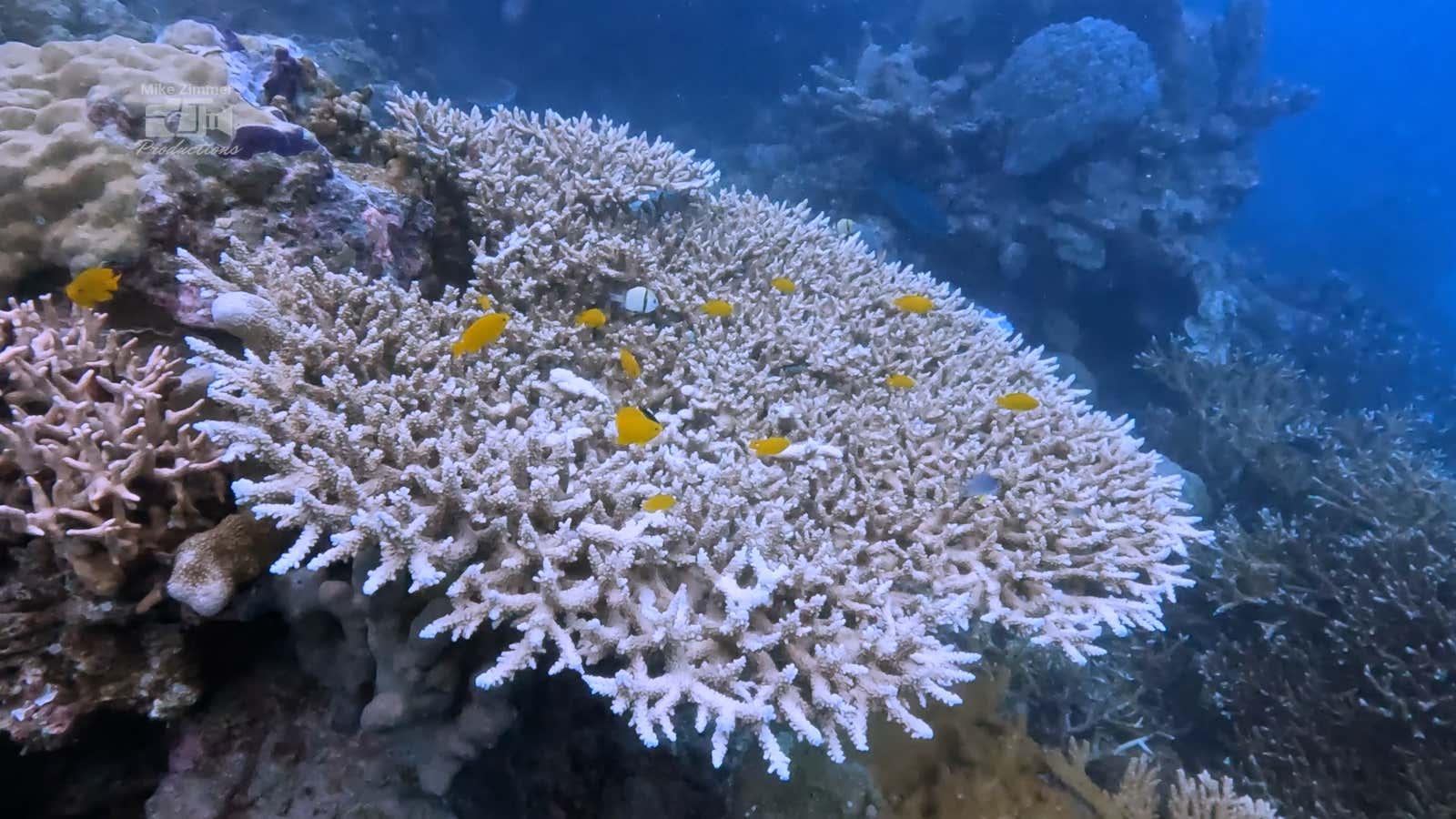
Noah’s Ark, A Coral Rescue First
April 10, 2026, 12:00 pm EDT
An unprecedented expedition into the unknown… A disease called stony coral tissue loss was sweeping across Florida’s Coral Reefs. A team of scientists descended on the coral reefs of the Dry Tortugas National Park to rescue stony corals and create gene bank for future coral restoration efforts… were they too late?
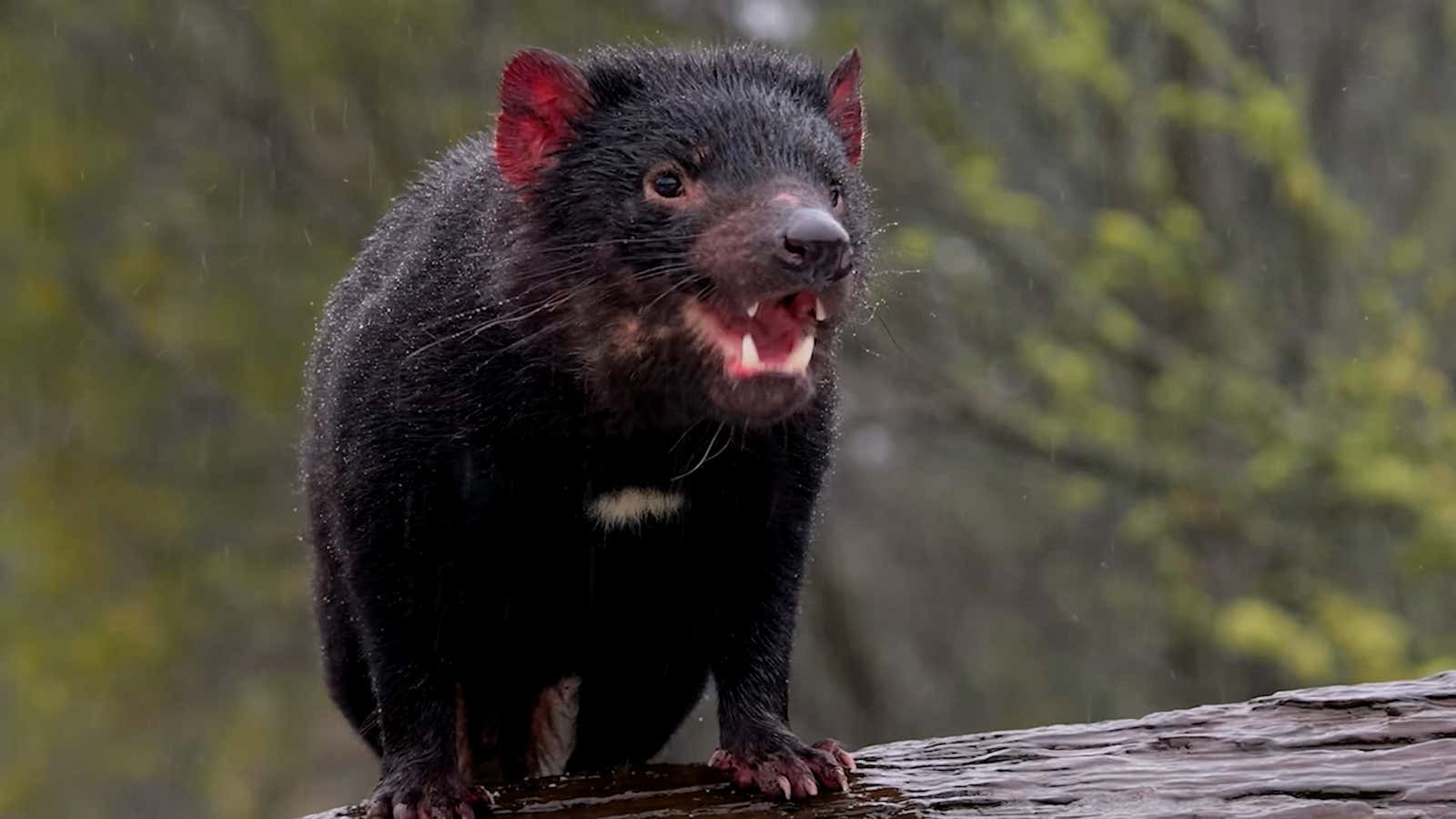
Tasmanian Devils Released After Surviving Australian Storms
April 2, 2026, 12:00 pm EDT
After surviving floods, snow and fierce storms, fourteen endangered Tasmanian devils have finally been rewilded to a sanctuary in New South Wales, Australia. Thanks to the tireless care of conservationists, what began as a story of destruction, became one of resilience.
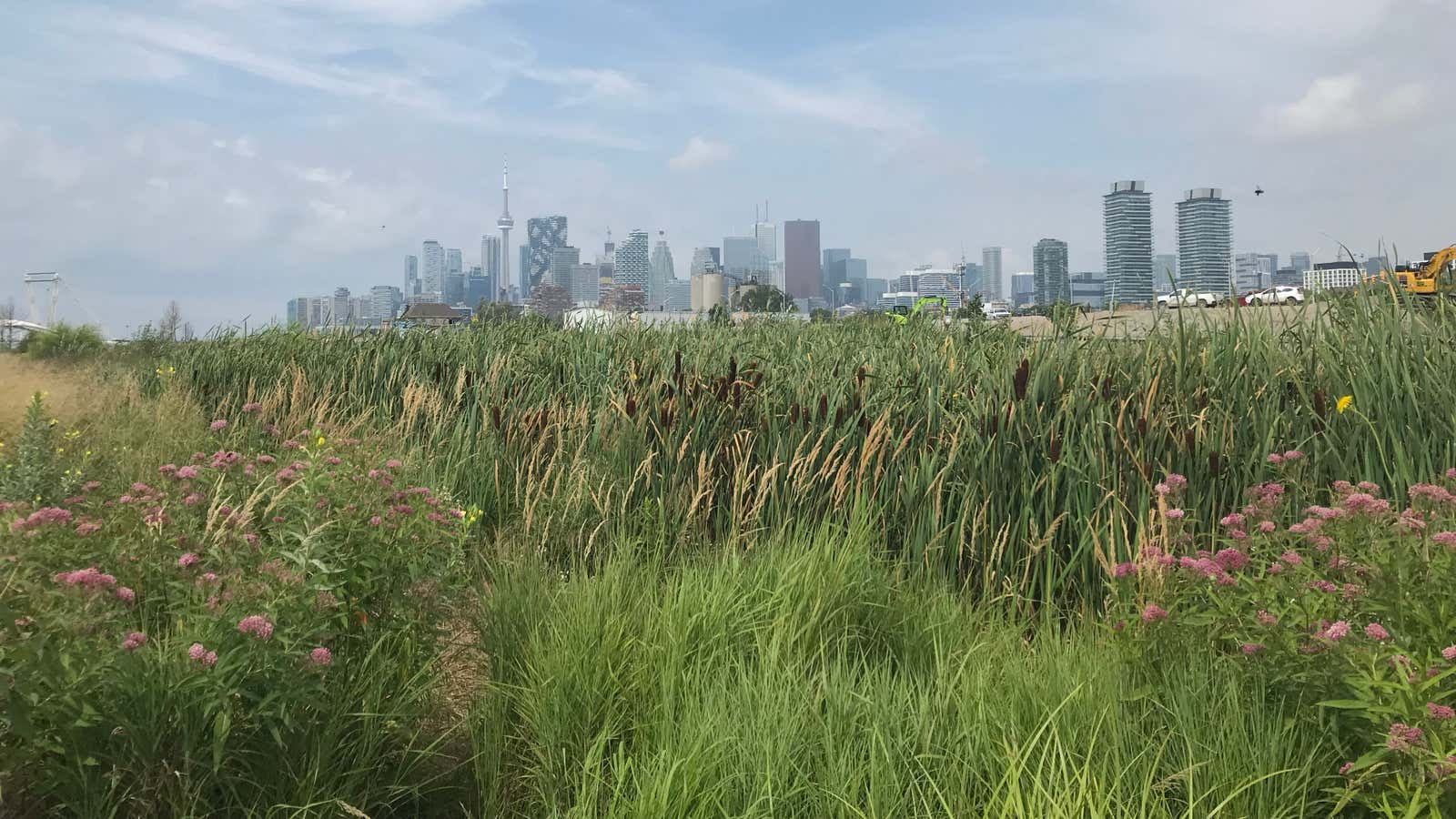
Century-Old Wetlands Spring Back To Life In Toronto’s Revitalized Waterfront
April 1, 2026, 12:29 pm EDT
Scientists restoring Toronto’s Don River uncovered century-old soil, reviving native plants and offering new hope for successful wetland rehabilitation.
Buried For A Century, Toronto's Wetland Comes Back To Life
March 29, 2026, 7:52 am EDT
Deep beneath Toronto’s industrial waterfront, soil buried for more than 100 years is springing back to life with native plants, ancient seeds and signs of a once-thriving wetland ecosystem. The discovery, made during a massive river restoration project, is reshaping how scientists think about urban renewal, flood protection and the hidden powers in soil.
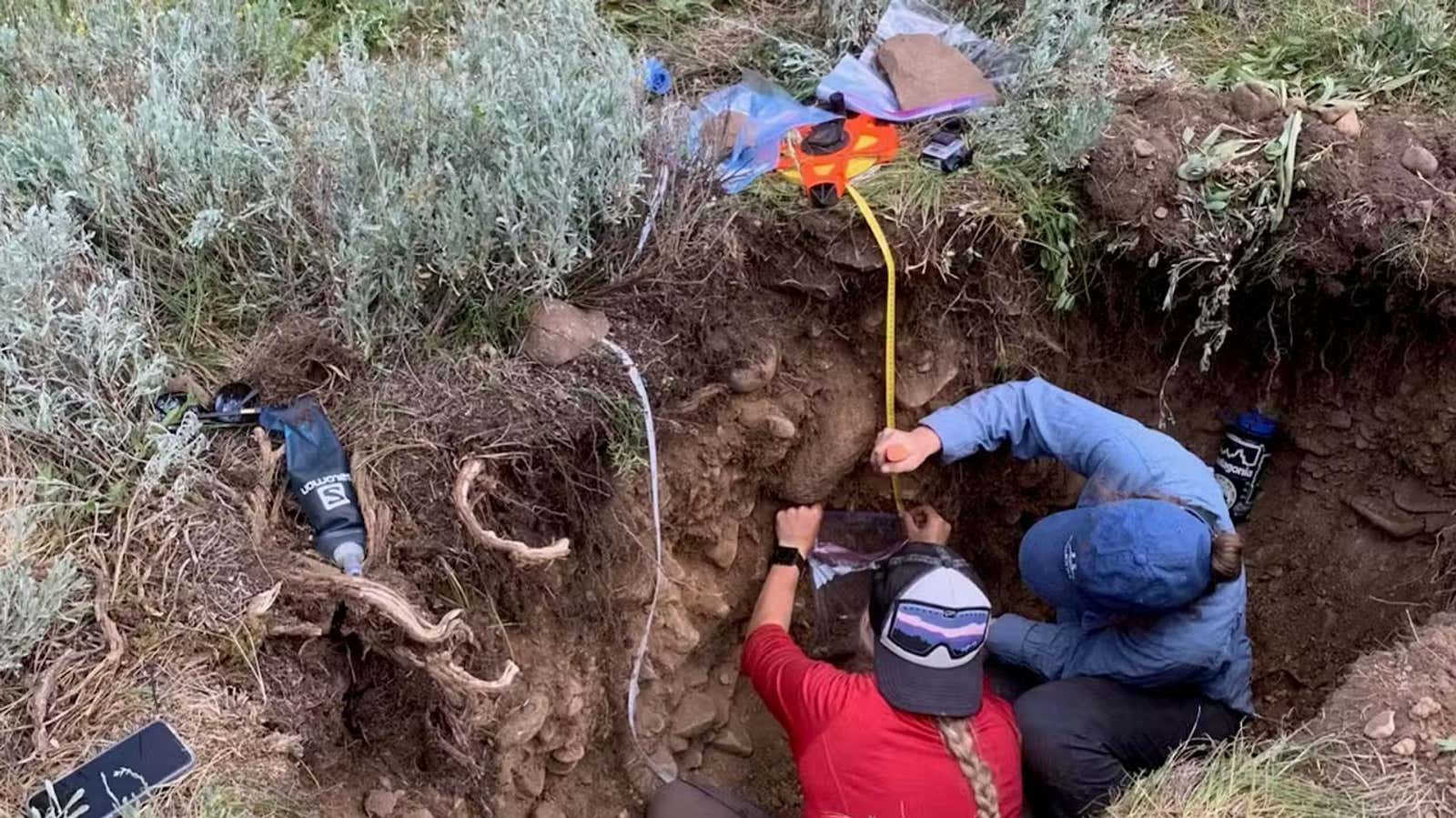
Warming winters are disrupting the hidden world of fungi – the result can shift mountain grasslands to scrub
February 19, 2026, 8:05 am EST
These changes represent a major shift in the ecosystem, one that, on a wide scale, could reverberate through the food web.
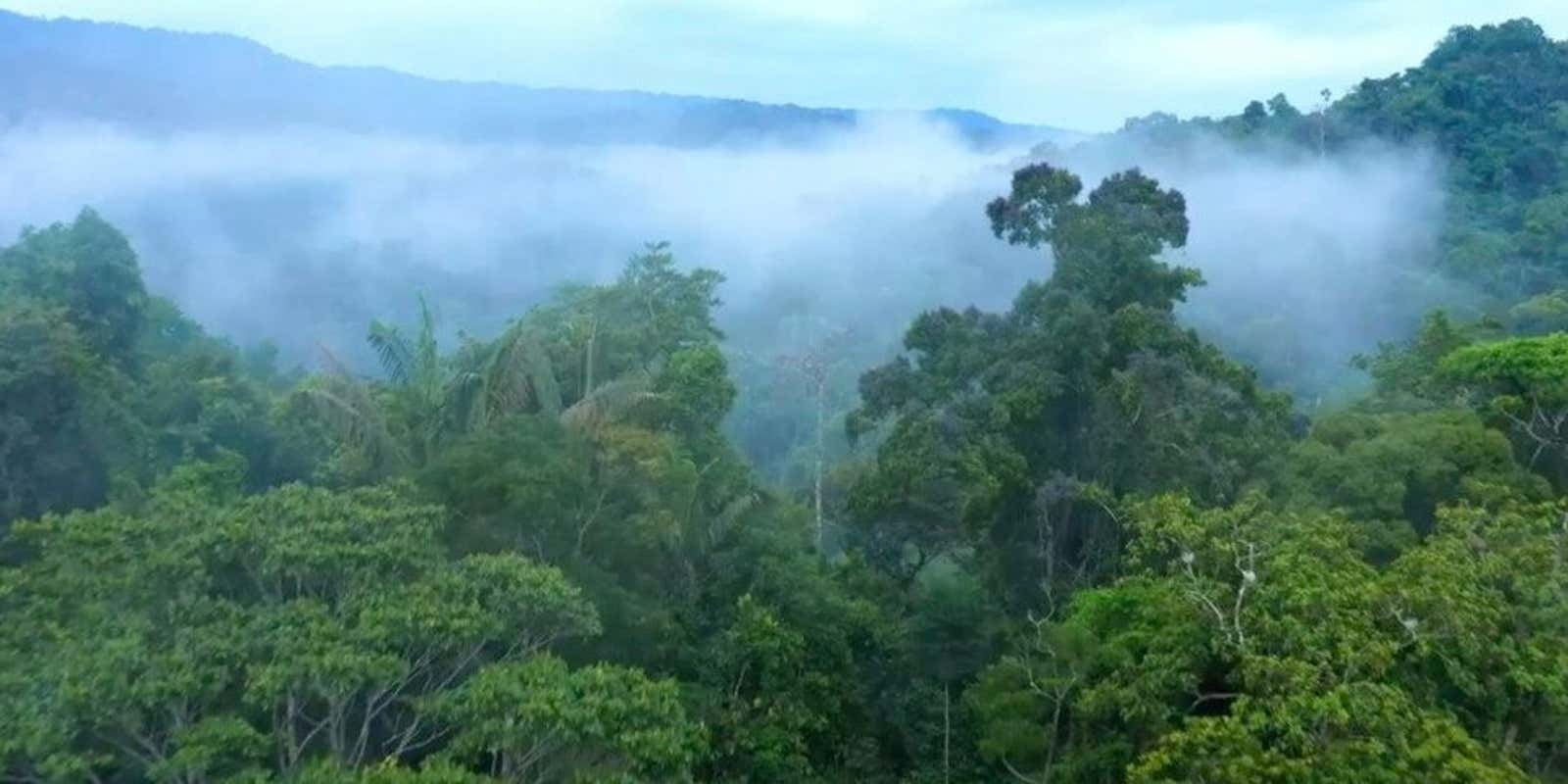
Amazon Nearing a ‘Tipping Point’ of Irreversible Decline, New Report Finds
January 28, 2026, 6:20 pm EST
Scientists warn that the Amazon is losing its resiliency, and it’s nearing a tipping point, where much of it could rapidly turn into grassy savanna.