10 THINGS about our solar system
1. Many Worlds
Our solar system has eight planets, and five dwarf planets.
8. Ring Worlds
The four giant planets – and at least one asteroid – have rings.
9. Getting Out There
More than 300 robotic spacecraft have left Earth's orbit, and 24 U.S. astronauts have traveled to the Moon.
Solar System Facts
Our solar system includes the Sun, eight planets, five officially named dwarf planets, hundreds of moons, and thousands of asteroids and comets.
Our solar system is located in the Milky Way, a barred spiral galaxy with two major arms, and two minor arms. Our Sun is in a small, partial arm of the Milky Way called the Orion Arm, or Orion Spur, between the Sagittarius and Perseus arms. Our solar system orbits the center of the galaxy at about 515,000 mph (828,000 kph). It takes about 230 million years to complete one orbit around the galactic center.
the latest in skywatching
What’s Up: August 2026
A solar eclipse, one of the year's best meteor showers, Venus at its brightest in the evening sky, and a lunar eclipse to close out the month.
Watch NowFeatured Video
NASA’s Psyche Mission Delivers Mars Flyby Data, Time-lapse Video
NASA’s Psyche spacecraft flew by Mars on May 15, using the planet’s gravity to gain speed and slightly tilt its trajectory. The flyby also gave the team an opportunity to prep for the science they will be conducting when they reach the metal-rich asteroid Psyche in 2029.
Learn More About the Psyche Flyby of Mars
Featured Video
Mars Gives a Boost to the Psyche Mission
Watch the video to learn about the Psyche spacecraft, its mission, its target — a compelling metal-rich asteroid, also named Psyche — and why the Mars gravity assist was crucial to this journey.
Learn More About the Mars Encounter at the Psyche Mission Blog
View the Psyche Flyby of Mars, With NASA’s ‘Eyes on the Solar System’
Use NASA's 3D interactive app to visualize the Psyche spacecraft during its journey. Relive the event, the May 15 gravity assist, when Psyche drew on Mars' gravitational pull to speed up and steer the spacecraft toward its destination in the asteroid belt. Or see where Psyche is right now, beyond Mars and en route to explore the intriguing metal-rich asteroid, also named Psyche, in 2029.
Relive the May 15 Mars flyby Where is the Psyche spacecraft right now? Browse Psyche's raw image feed
Eyes on the Solar System
Featured Story
NASA’s DART Mission Changed Orbit of Asteroid Didymos Around Sun
New research reveals that when NASA’s DART (Double Asteroid Redirection Test) spacecraft intentionally impacted the asteroid moonlet Dimorphos in September…
Read the Story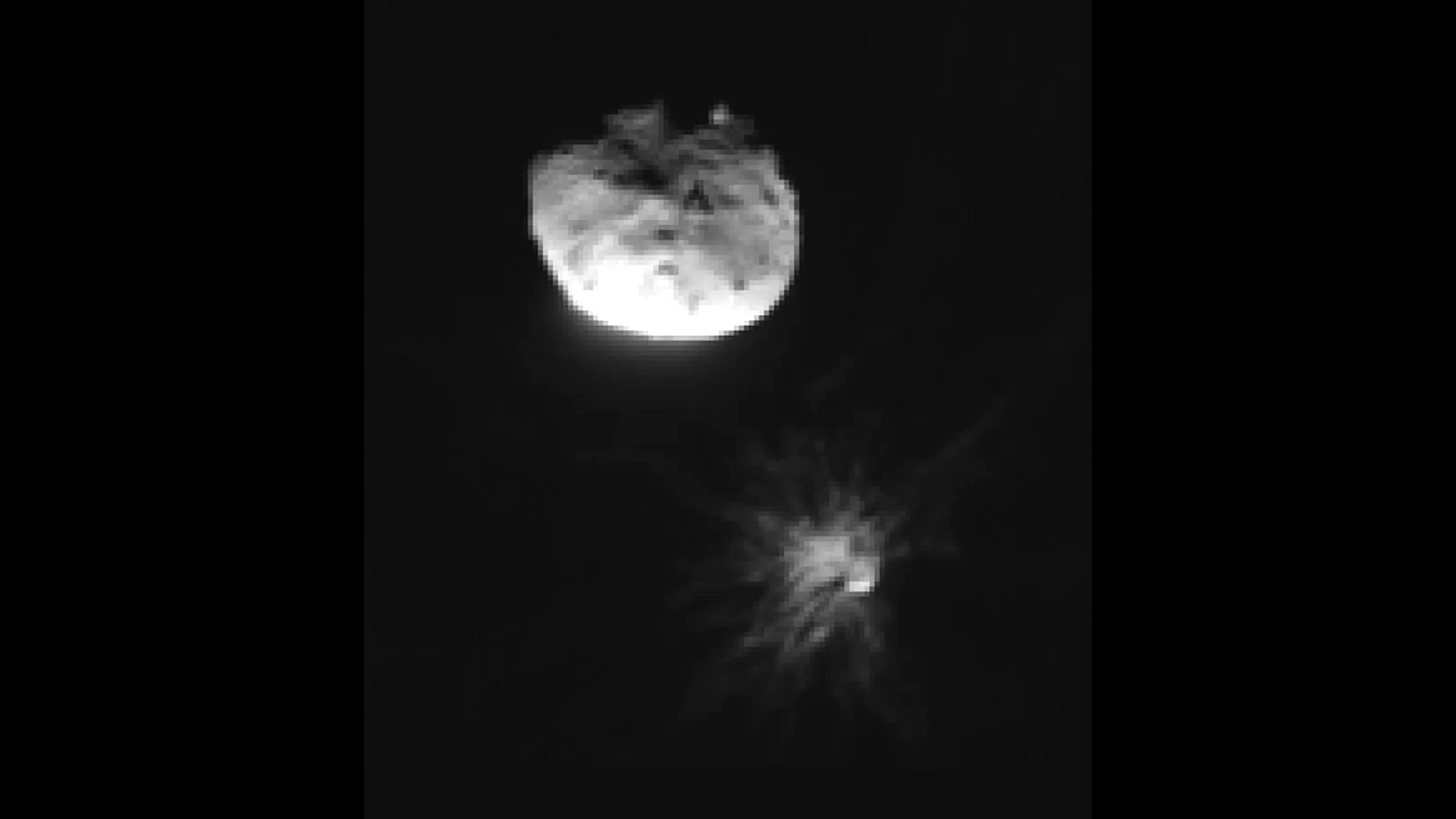
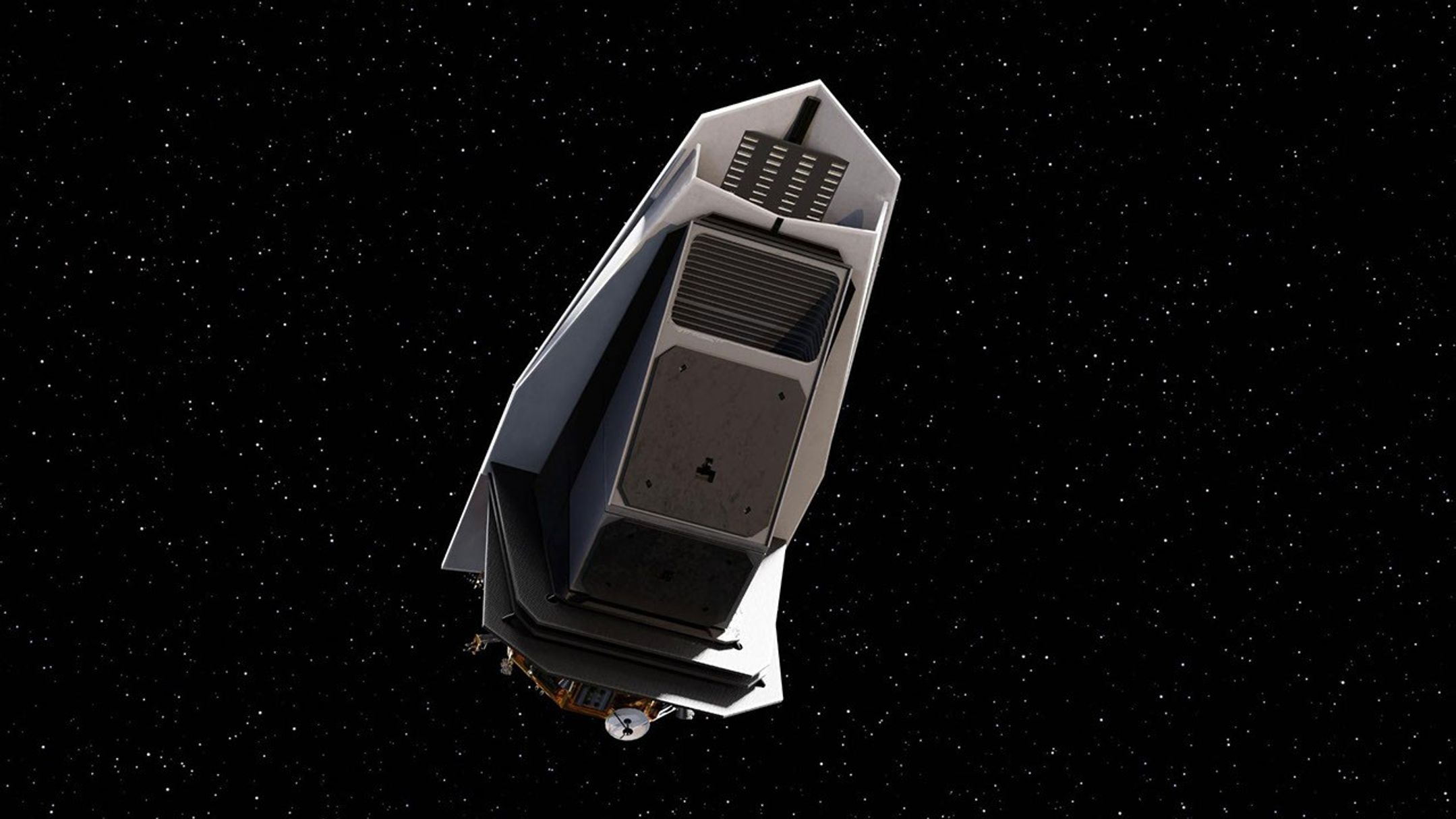
NEO Surveyor
NEO Surveyor will hunt asteroids and comets that are potential hazards to Earth. Launch is no earlier than September 2027.
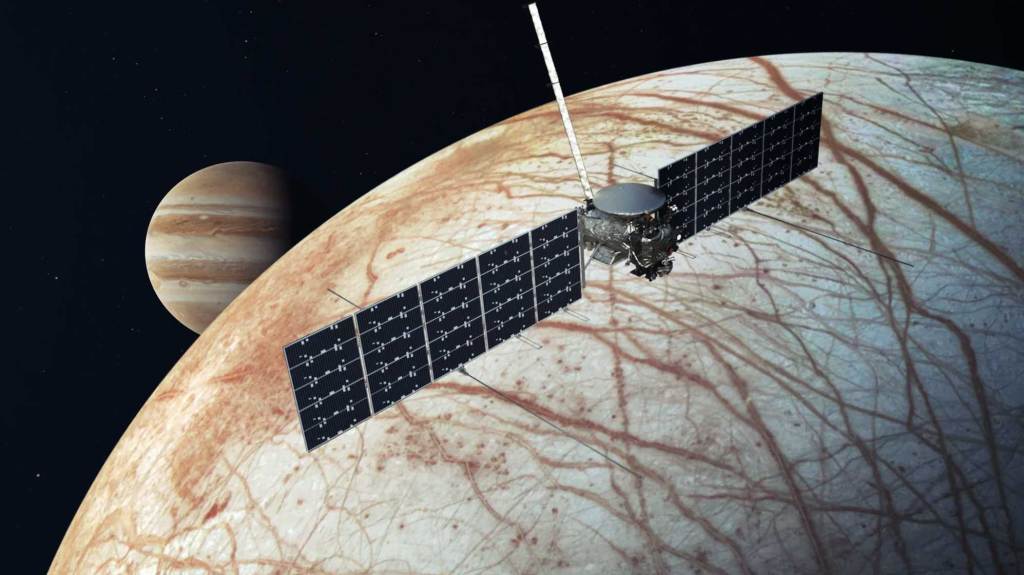
Europa Clipper
Europa Clipper launched Oct. 14, 2024, to conduct a detailed investigation of Jupiter's moon Europa.
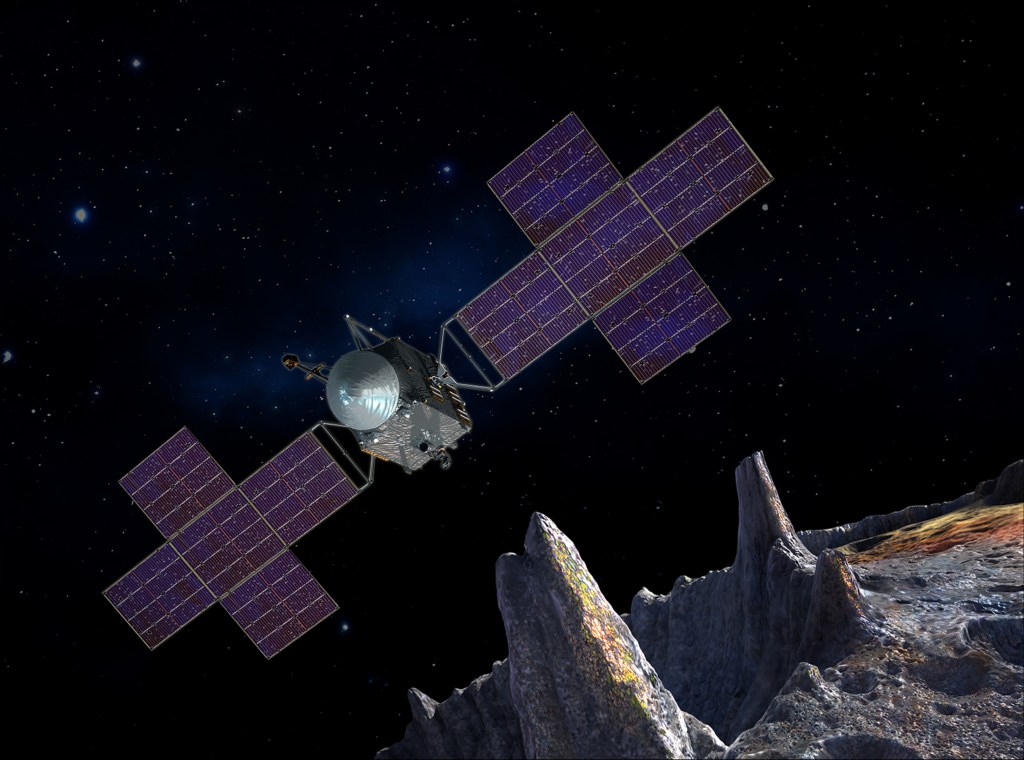
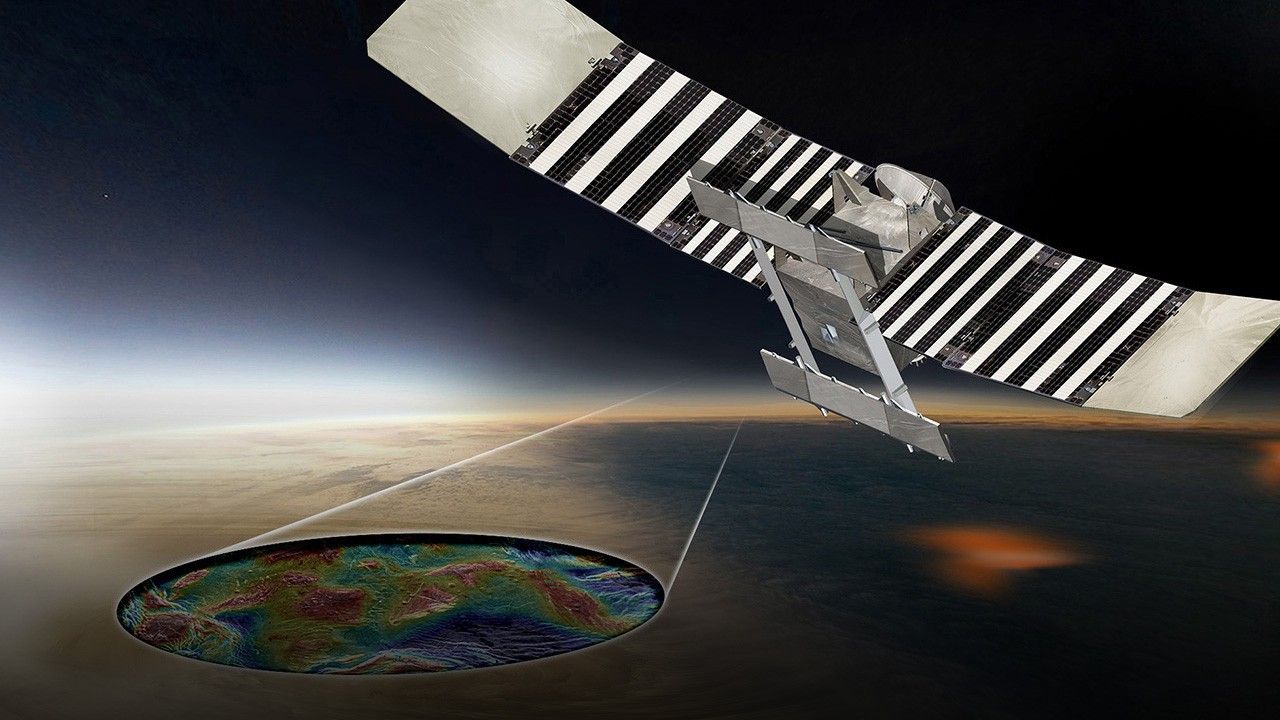
VERITAS
VERITAS and DAVINCI will be the first NASA spacecraft to explore Venus since the 1990s. VERITAS will launch no earlier than 2031.
View Interstellar Comet 3I/ATLAS Through NASA’s Multiple Lenses
Since the interstellar comet was discovered July 1, a dozen NASA assets have captured and processed imagery of the icy interloper, and several others will have opportunities to capture more images as the comet continues to pass through our solar system. Its path runs far beyond Earth; at its closest — on or around Friday, Dec. 19 — comet 3I/ATLAS will be about 170 million miles away, or nearly twice the distance from Earth to the Sun. NASA spacecraft will continue to observe the comet as it makes its journey through the solar system, passing the orbit of Jupiter in spring 2026.
Learn More
Solar System News
Keep Exploring