Click-through data suggest that no one really reads these blurbs. That’s okay, though, I’ll keep writing them. This newsletter is dedicated to the faux-film color filtering Zohran Mamdani’s social team used on all his recent TikTok videos. So cinéma vérité!
The AI company Anthropic is hiring in-house writers to document and explain what they’re doing. I thought that’s what the AI was for?
Alltogether is a new ad ring for high-end newsletters launched by media ad exec AJ Frucci; the clients include Alex Heath’s Sources, Alex Kantrowitz’s Big Technology, Casey Newton’s Platformer, according to Axios. Sell the same fancy banner ads across a bunch of influential journalists’ work — it’s a great business idea that will probably make lots but not a huge amount of money. Very reminiscent of The Deck, a blog ad ring that finally shut down in 2017.
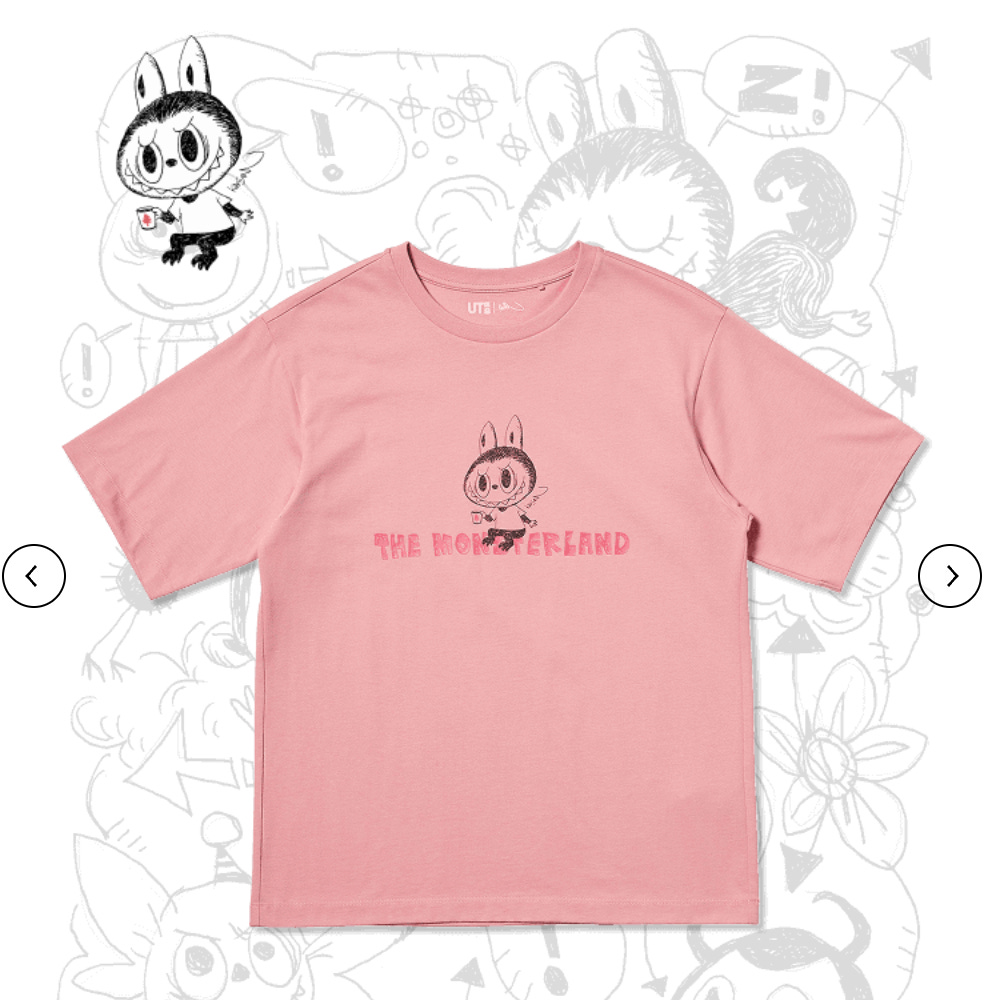
Collab of the week: Pop Mart, aka the maker of Labubus, is launching a graphic clothing line with Uniqlo, sporting little furry monsters everywhere.
The New Yorker launched a new word game called Shuffalo, which has a very cute mascot and involves building longer and longer anagrams — very fun, quite difficult! I had to use hints.
Dating diaries: Former political daughter current model and fiber artist Ella Emhoff recounts her romantic history and the troubles of trying to maintain the Bushwick romance while having a secret service detail. (From Sex Happens, a sponsored blog published by the D2C health brand Julie.)
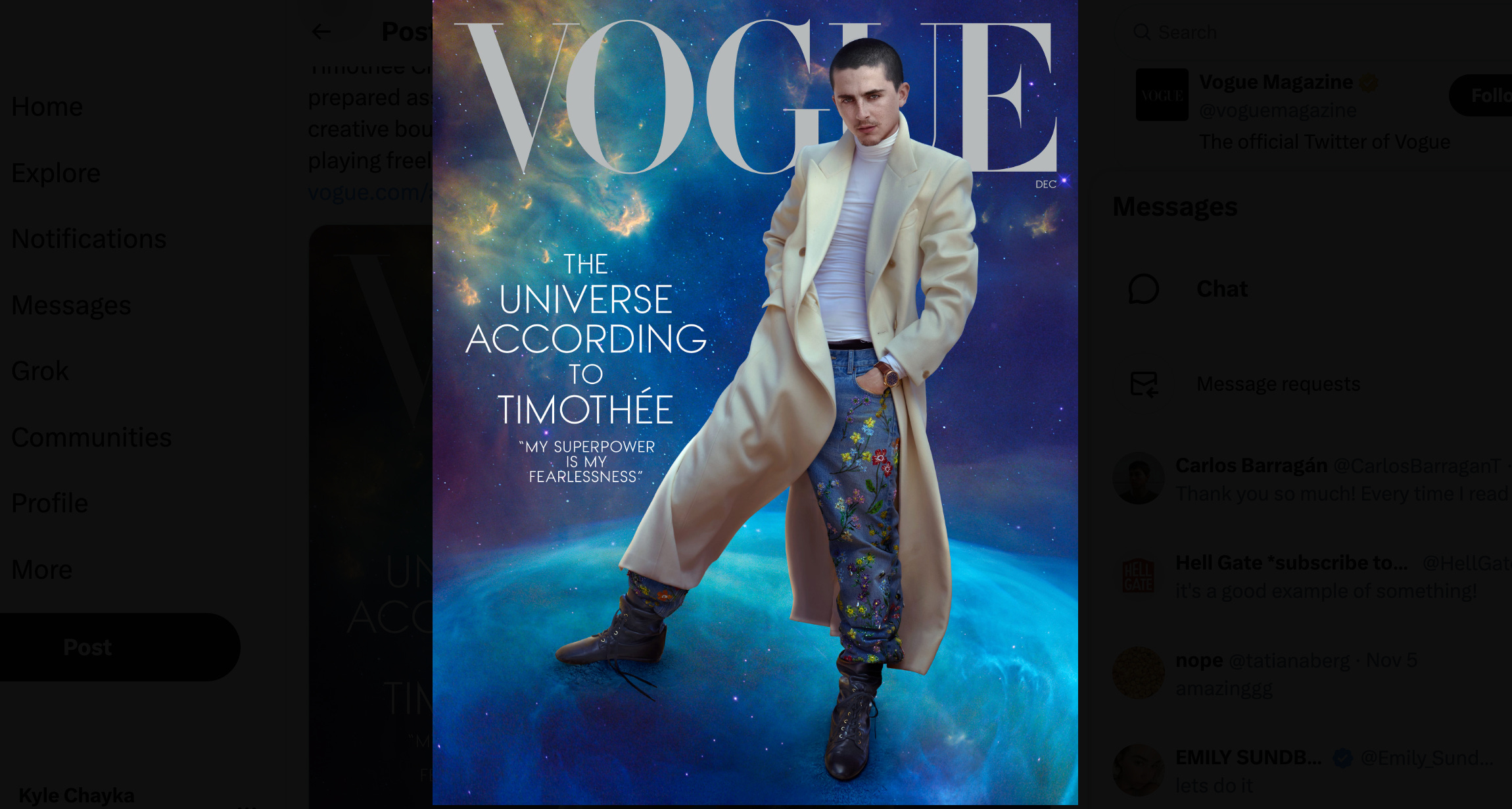
Timothee Chalamet’s new Vogue cover looks the fever dream of a Tumblr teen, with bedazzled jeans, white turtleneck, and vaporwave galactic backdrop. Final Fantasy villain vibes tbh.
What do Labubus, raw milk, and prediction markets all have in common? The Office of Applied Strategy, led by Tony Wang and a team of cultural strategists, launches their second dossier today, titled The New Pantheon. The new issue dissects the emergence of a social phenomenon they call “horseshoe maximalism”, which is about the collapse of progress narratives and how both sides of cultural and political polarization essentially loop back to the same belief systems.
“It explains why so many cultural trends today, from new age spirituality to prediction markets to alternative financial assets, bring together audiences from the extremes of different social and political ideologies together. These extremes don’t necessarily oppose each other in consumer culture. They can converge, creating new centers from contradiction, giving way to new social configurations of exchange that offer the possibility of building new cultural narratives.”
Political polarization has given way to new cultural hybrids: wellness influencers quoting Nietzsche, doomer tech founders preaching transcendence. The dossier argues that as our old ideas of “progress” fall apart, we’re piecing together new belief systems from the wreckage of myths, memes, and consumer culture. It’s big-brain stuff, but written with the conviction of someone who’s seen the future and decided to print it on paper. Only 1,000 print copies exist, and they won’t live online (naturally). You’ll need an NFC-embedded “research badge” to read it digitally — or a friend with one. (One Thing will run a conversation with Tony soon.) — Emily Chang
Start thinking about yourself as the solo newsroom of a small town.
by Kyle Chayka
I’ve been doing down a little bit of a media memory hole lately, perhaps kicked off by the folding of Teen Vogue into regular Vogue and by the very NYC coverage of Zohran Mamdani’s mayoral election victory. The Substack newsletter Feed Me’s woman-on-the-street party coverage of election night, and Hell Gate’s live stream commentary, reminded me of vintage Gawker and The Awl, NYC blogs of the peak blog era that published stories about scene-y things happening IRL. Who can forget David Shapiro aka Pitchfork Reviews Reviews’s gnomic depictions of nights out for The Awl? Like this one, “DJing a New Year’s Party for One of the Richest Men in America.” You could read this one, “Young Manhattanite is Beacon on New York Shabbos Scene” and say Mike Crumplar who? JK, everyone has forgotten them except for me and several sad people who still like my posts on X.
What was so compelling at the time about these publishing endeavors was that they addressed a very specific, often geographically bounded audience and space. Plenty of it was only legible if you lived in New York (Brooklyn) and were very online; gradually, you just had to be extremely online enough to care. Such was Young Manhattanite, a tiny Tumblr where a coterie of media figures (there were no “influencers” then) posted about the minutiae of their aging hipster lives. I was obsessed with it; the off-the-cuff post of a single writer could rock Twitter for days. (Not to say it was a golden age, that crew was kind of the last shreds of the legacy media industry outcompeted by VC money and falling into the trough that preceded the creator economy.) Is there anything like Young Manhattanite now? Certain Substacks, maybe Kaitlin Phillips’s, are kind of similar but don’t traffic as much in scene documentation or in-fighting. Plus group newsletters are rare, and you kind of need a crew.
These are iterations of local media, but addressed toward a digital audience, and with enough glamour and insiderhood (drawn from the NYC vibes) to be appealing to a wider crowd that’s waiting online. Such content is so compelling because it’s intended for a small audience and you have to kind of puzzle it out to get the joke. Business models are hard, but I really want that kind of deep meaning-building now, even if it’s about frivolous stuff. Please point out more examples!
No posts