If you’re looking to work at a lower level with AMD hardware, this page contains links to some of our publicly available PDFs.
Micro engine scheduler (MES) firmware is responsible for the scheduling of the graphics and compute work on the AMD RDNA™ 3 GPUs. test
This document provides an overview of the AMD RDNA 3 scheduling architecture by describing the key scheduler firmware (MES) and hardware (Queue Manager) components that participate in the scheduling.
This document is intended to introduce the reader to the overall scheduling architecture and is not meant to serve as a programming guide.
Understanding the instruction-level capabilities of any processor is a worthwhile endeavour for any developer writing code for it, even if the instructions that get executed are almost always hidden behind a higher-level language and compiler. If you’re working at that level as most are, the extra understanding you get from knowing exactly how the machine executes will hopefully help you write better code for it.
We’ve been releasing the Instruction Set Architecture (ISA) manuals for our GPUs for a long time now, and they reach all the way back to the venerable Radeon R600 (a GPU which helped usher in the DirectX®10 era back in 2006!)
These ISAs are intended for programmers writing application and system software, including operating systems, compilers, loaders, linkers, device drivers, and system utilities. It assumes that programmers are writing compute-intensive parallel applications (streaming applications) and assumes an understanding of requisite programming practices.
We provide machine-readable ISA specifications for our AMD RDNA and AMD CDNA architectures. We’ve also written a C++ IsaDecoder API and shared example code to make it even easier to get started.
RGA is an offline shader compiler that can show the ISA of a compiled shader. RGA is part of the Radeon Developer Tool Suite (RDTS).
Related news and technical articles
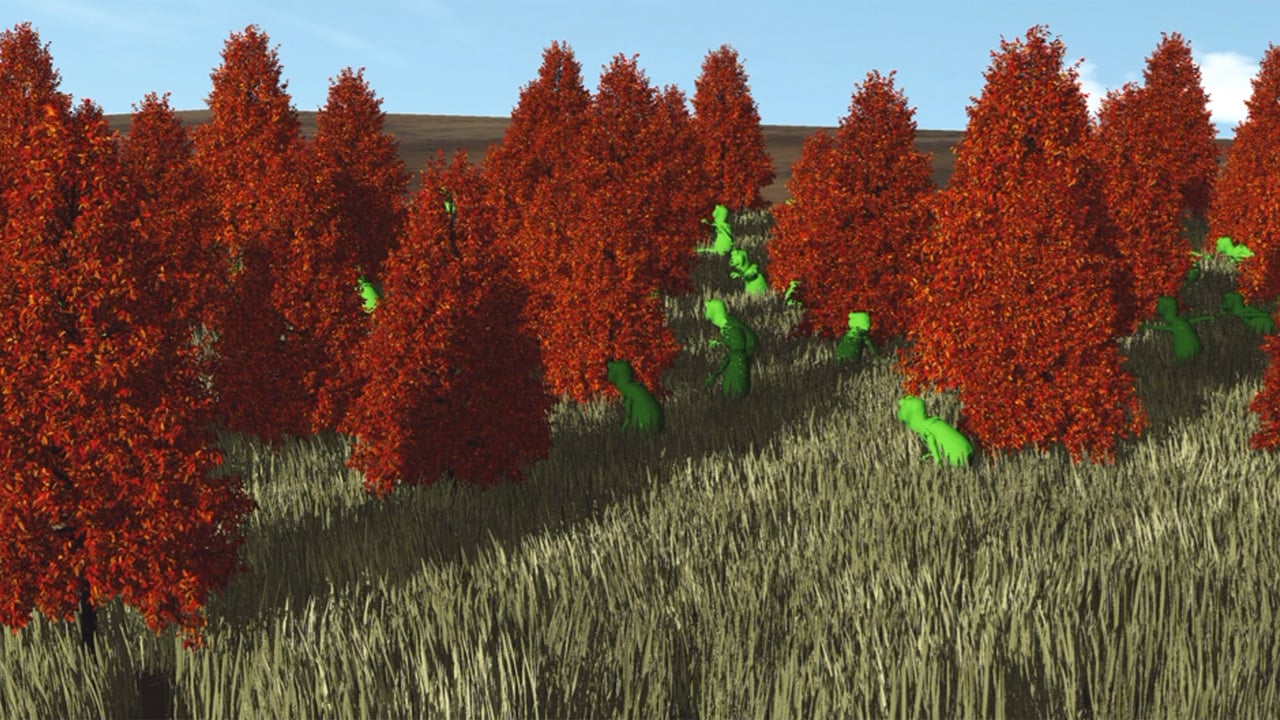
Ray tracing massive amounts of animated geometry using tetrahedral cages
Animate compact tetrahedral cages and reuse static mini-BLASes to ray-trace hundreds of millions of triangles in real time, dramatically cutting per-frame update and memory costs for dense foliage, grass, and crowds.
AMD FSR Upscaling 4.1 RDNA 3 Support Now Available in FSR SDK 2.3 Update
AMD FSR "Redstone" SDK 2.3 brings ML-powered FSR Upscaling 4.1.1 to AMD Radeon RX 7000 Series GPUs, along with Frame Generation 4.0.1 and Ray Regeneration 1.2 improvements for RDNA 4 GPUs.
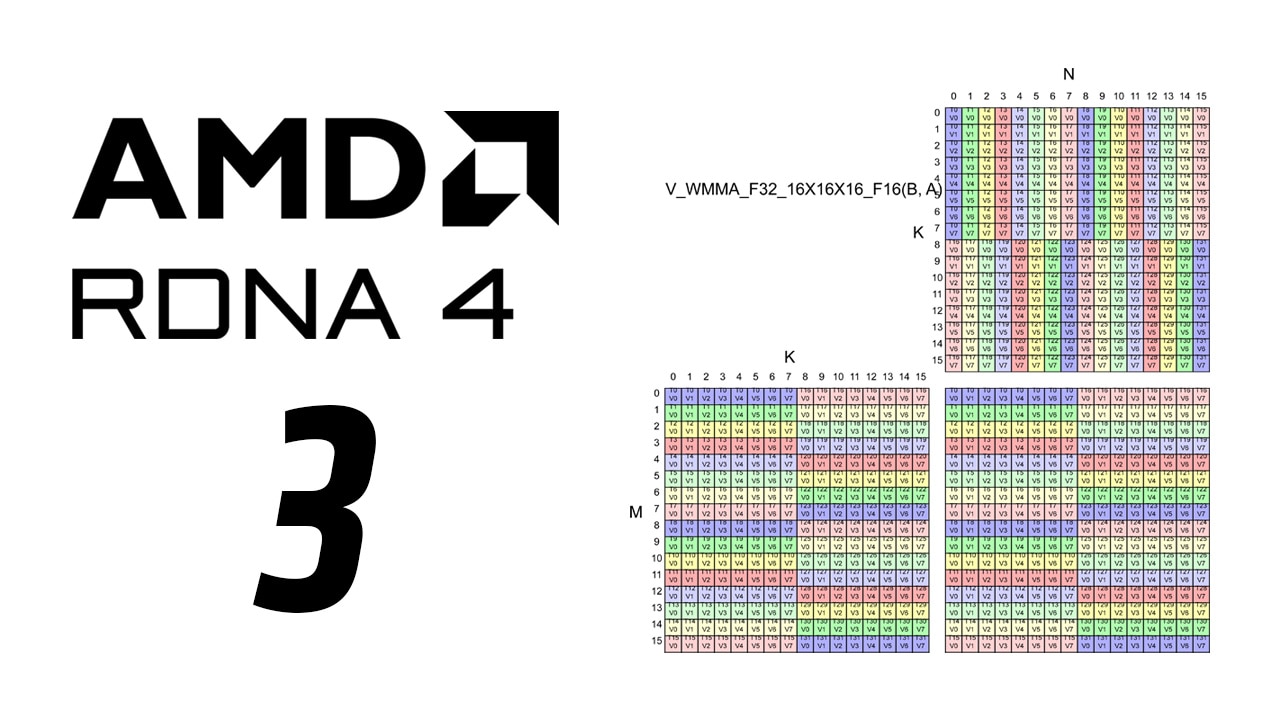
WMMA guide for AMD RDNA 4 architecture GPUs - part 3
Learn how to implement fast in-register matrix transpose on AMD RDNA™ 4 architecture GPUs with a WMMA-based identity trick, delivering a lightweight, memory-free alternative proven in Llama.cpp.
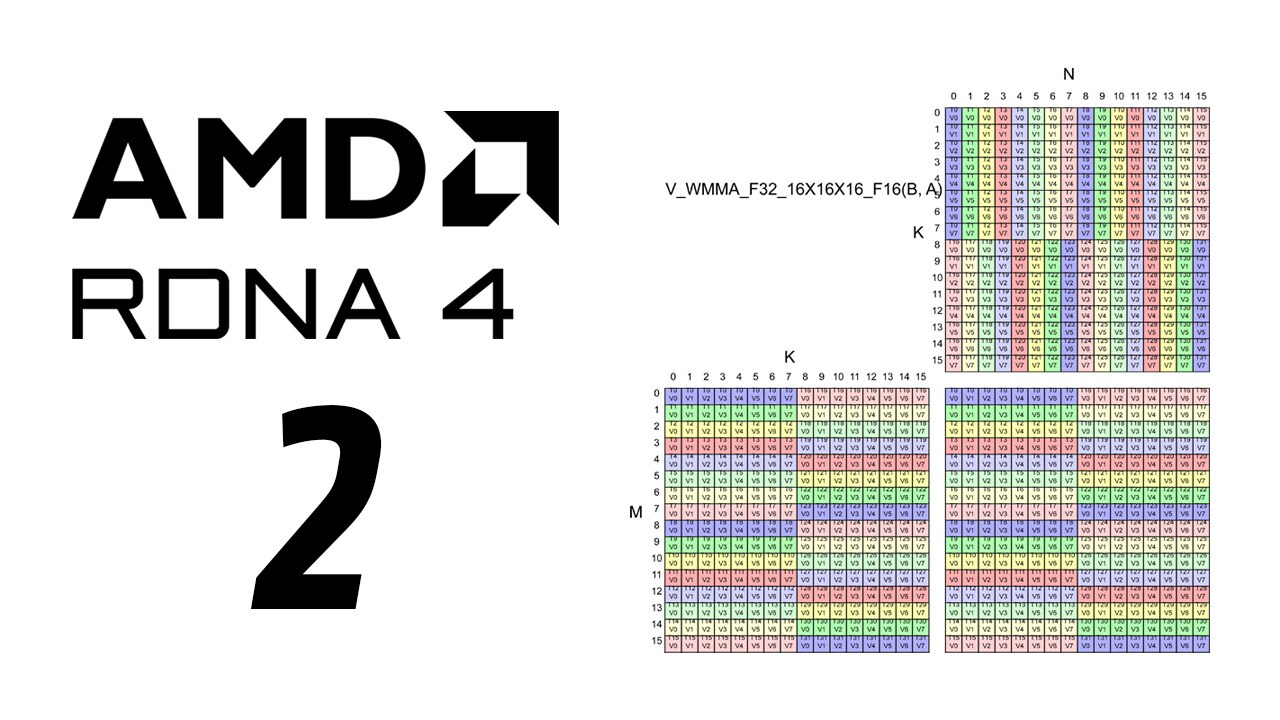
WMMA guide for AMD RDNA 4 architecture GPUs - part 2
Achieve peak AMD RDNA™ 4 architecture memory bandwidth for low-precision GEMM by fusing WMMA to double the K dimension, enabling 128-bit loads for FP8/INT8, and matching hipBLAS results bit-for-bit.
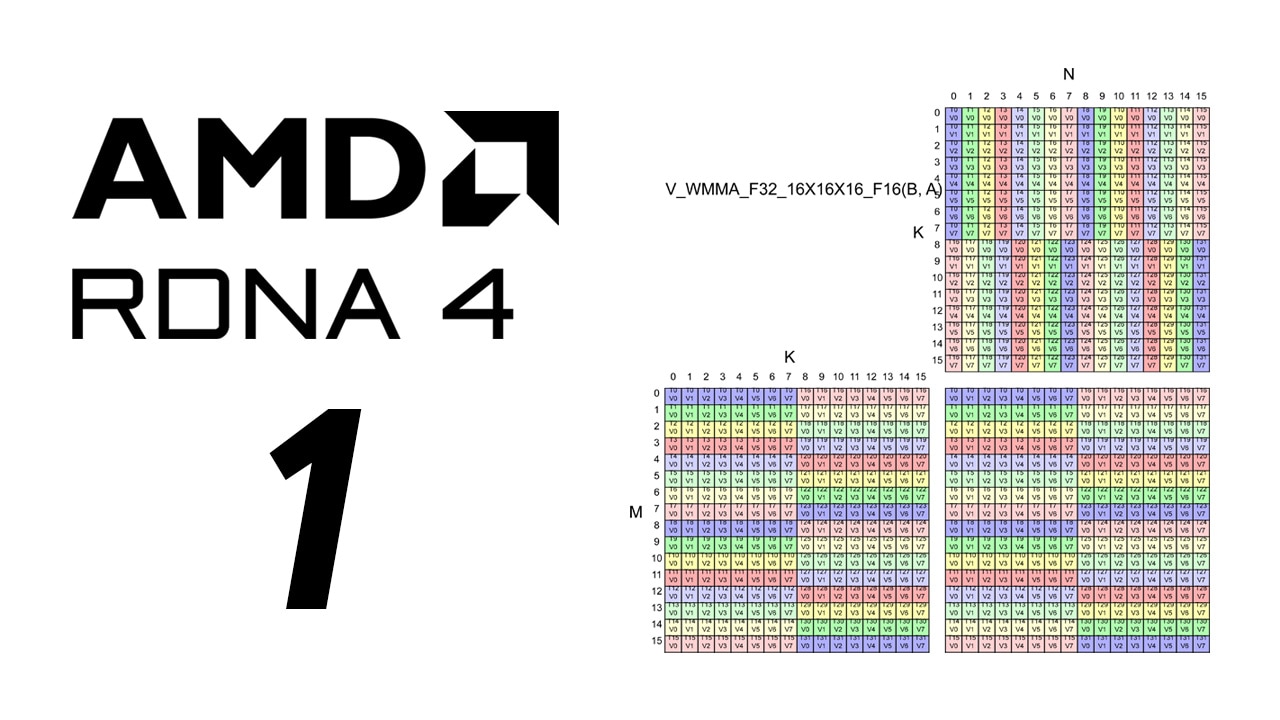
WMMA guide for AMD RDNA 4 architecture GPUs - part 1
Practical guide to fusing GEMMs on AMD RDNA™ 4 architecture, covering WMMA layout, a transpose-by-swapping A/B technique, HIP sample code, and hipBLAS-verified results used in Llama.cpp.
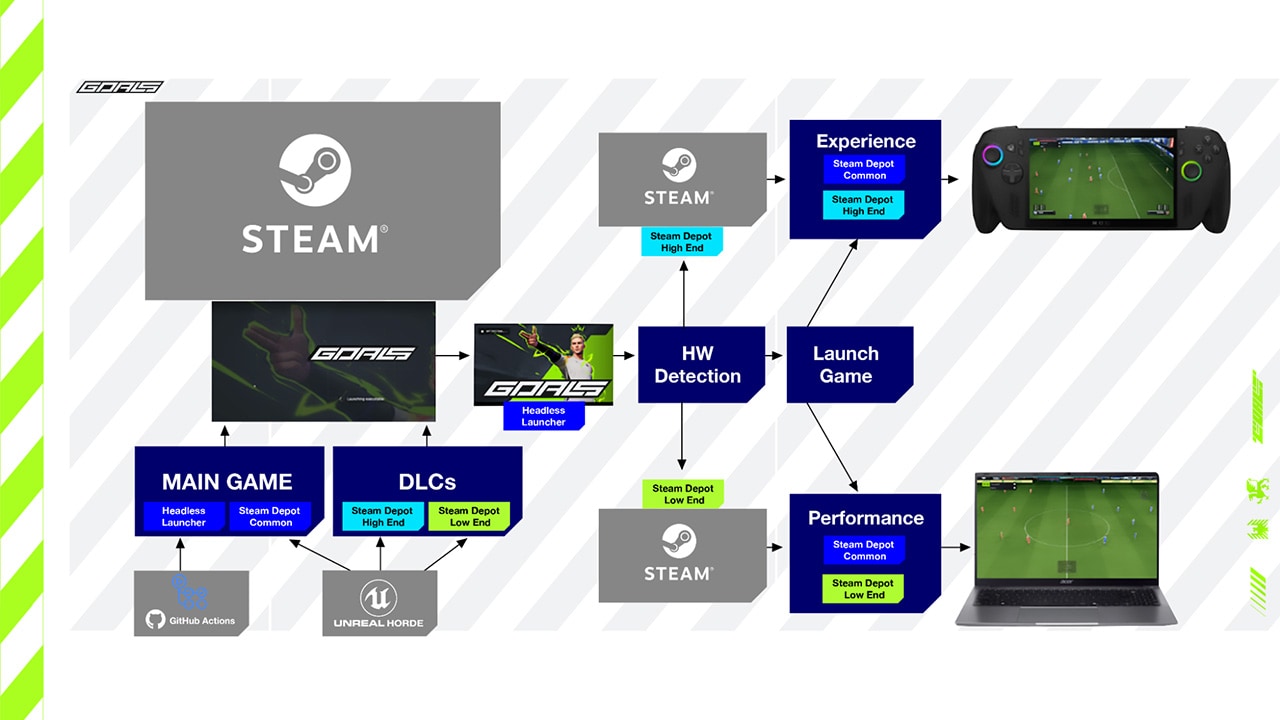
How GOALS delivers sustained, competitive esports performance on handheld PCs - part 1
The first part of a developer-first look at how GOALS leverages AMD Ryzen APUs and the ADLX SDK to implement a system that reduces power, fan noise and carbon footprint across legacy and handheld hardware while preserving competitive performance.
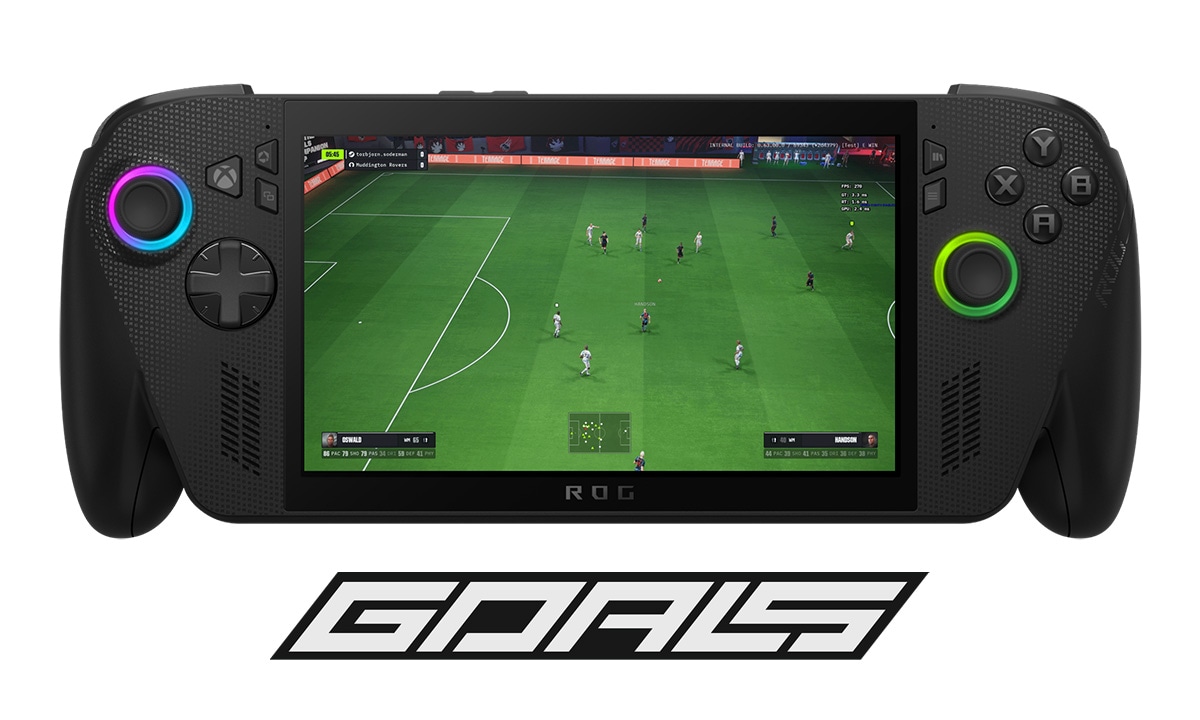
How GOALS delivers sustained, competitive esports performance on handheld PCs - part 2
The second part of how GOALS optimizes AMD Ryzen handheld PC gaming performance using AMD FSR Upscaling and Frame Generation, handcrafted device profiles, football-aware animation budgeting, and battery-aware scalability for sustained play.
Welcome to the AMD FSR SDK 2.2, now available on GPUOpen
The AMD FSR™ "Redstone" SDK 2.2 update delivers ML-powered FSR Upscaling 4.1 and FSR Ray Regeneration 1.1 optimized for AMD RDNA™ 4 graphics, enabling higher visual fidelity and performance with analytical fallbacks to scale across handhelds, consoles, and PCs.