Advancing frontier science and technology since 1986.

Foresight Institute is a research organization founded in 1986. With a track record of supporting Nobel Laureates decades before their acclaim, we focus on areas that are too ambitious or interdisciplinary for legacy institutions. Through grants, prizes, fellowships, and events, we back pioneering scientists and innovators advancing technologies that benefit the future of life.
Explore Seminars & Podcasts
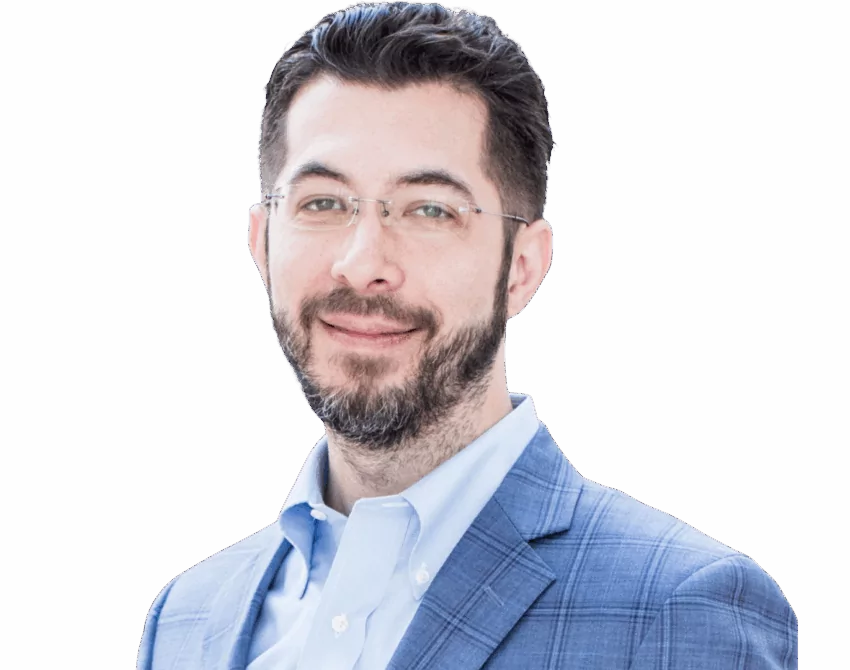
On beauty, knowledge, and progress
Podcast with David Deutsch
David Deutsch is a physicist at the University of Oxford. He pioneered the field of quantum computation by formulating a description for a quantum Turing machine, as well as specifying an algorithm designed to run on a quantum computer. He has also proposed the use of entangled states and Bell’s theorem for quantum key distribution and is a proponent of the many-worlds interpretation of quantum mechanics. In this episode of the Existential Hope podcast he shares his thoughts on knowledge, progress, and beauty.
Explore Seminars & Podcasts
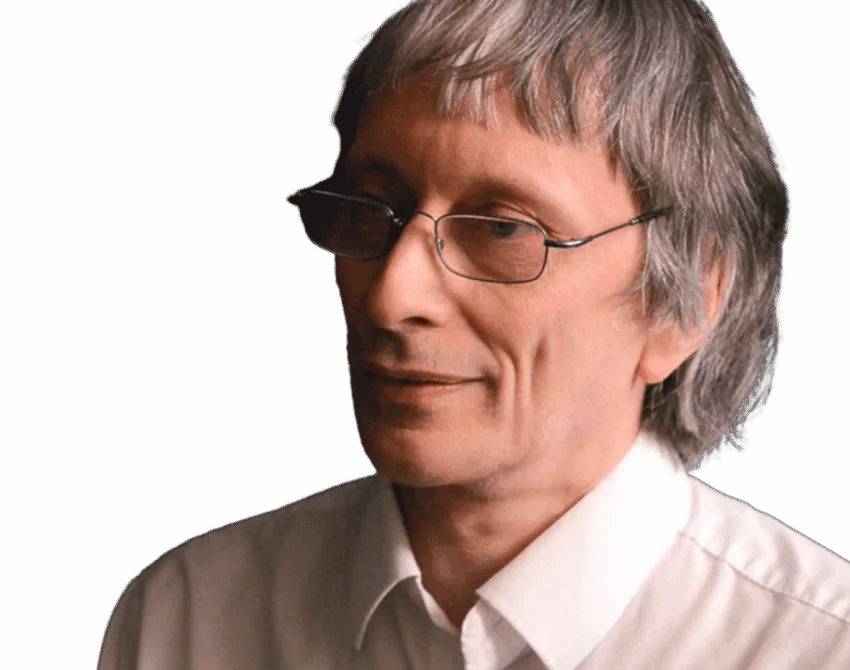
Gene and cell therapies for age-related and infectious diseases
Presented by George Church
George Church is a Professor at Harvard and MIT, Director of PersonalGenomes.org, which provides the world’s only open-access information on human genomic, environmental and trait data (GET). In this seminar he presents his work on gene and cell therapies for age-related and infectious diseases.
Explore Seminars & Podcasts
A Handheld Device to Defeat Cancer
Podcast with Mary Lou Jepsen
In this podcast episode, we talk with Mary Lou Jepsen about Openwater’s remarkable $10K handheld device that kills cancer cells and treats severe depression – using ultrasound, infrared light and electromagnetic waves.

Explore Seminars & Podcasts
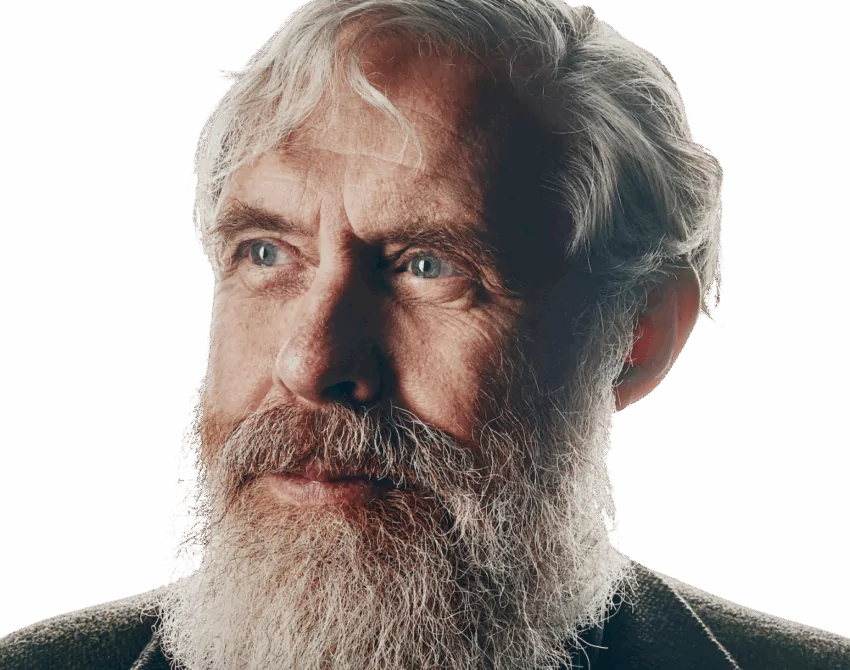
Agential interventions: from diverse intelligence to next-generation biomedicine
Presented by Michael Levin
Michael Levin is the Vannevar Bush Distinguished Professor of Biology at Tufts University, and associate faculty at Harvard’s Wyss Institute. He has published over 400 peer-reviewed publications across developmental biology, computer science, and philosophy of mind. In this seminar, Levin shares his work on agential interventions.
Explore Seminars & Podcasts
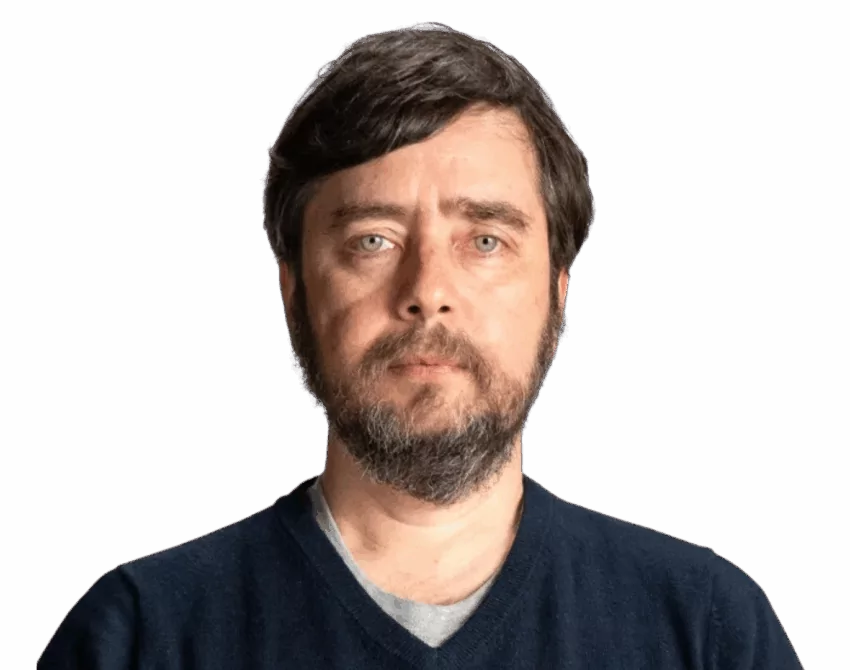
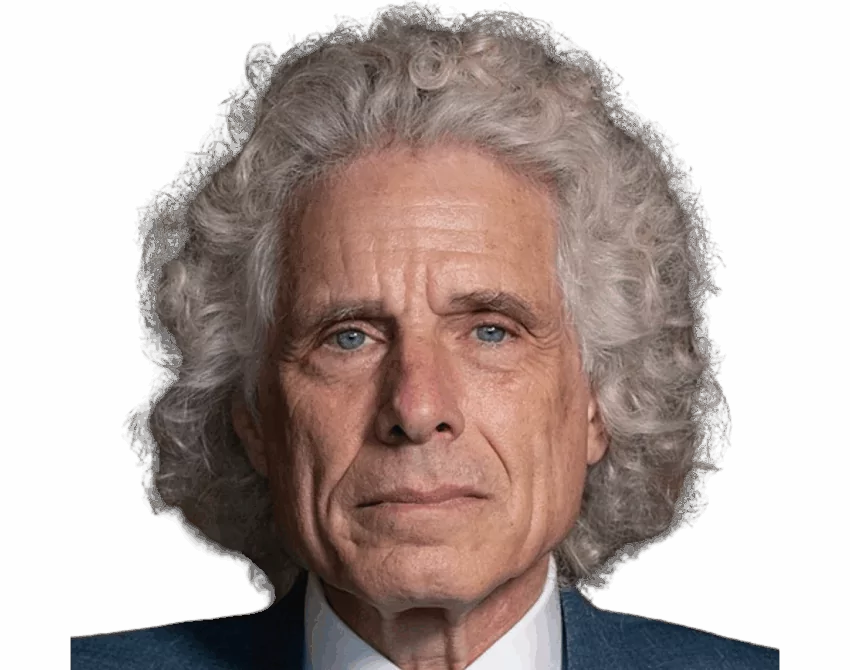
Why the future looks better than you think
Podcast with Steven Pinker
Steven Pinker is a cognitive psychologist, linguist, and leading public intellectual. In this podcast episode Pinker, a professor at Harvard University and author of renowned books, discusses updates since the publication of ‘Enlightenment Now,’ the exciting progress he envisions, and strategies for advancing towards a brighter future. The discussion covers human progress indicators, declines in war, terrorism, and poverty, as well as the importance of reason, science, and human efforts. Pinker also shares his existential hope for the future, emphasizing the potential for technological advancements, cleaner energy, and continued societal improvements.
Explore Seminars & Podcasts
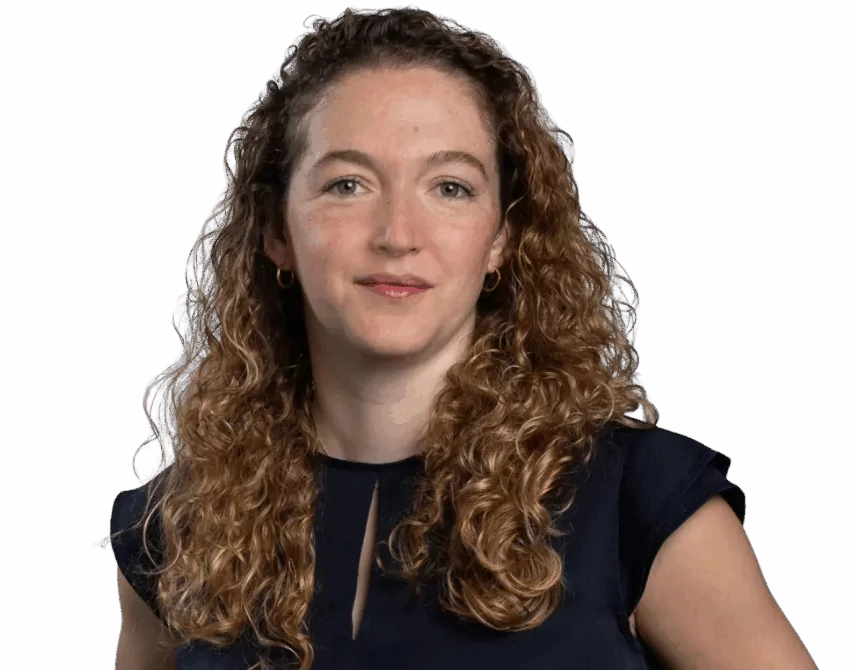
Self Assembling Space Architecture
Presented by Ariel Ekblaw
Dr. Ariel Ekblaw, engineer and researcher at MIT and the Aurelia Institute, presents insights on the latest advancements in next-generation space technologies, with a focus on rapidly evolving technology in cislunar and Low Earth Orbits (LEO). Her work pioneers innovations in commercial space stations and sustainable lunar habitats, including the TESSERAE platform, a breakthrough in scalable, self-assembling space architecture. Dr. Ekblaw’s perspective outlines the future of a robust space economy, driven by engineering advancements in spacecraft systems and habitat construction.
Explore Seminars & Podcasts
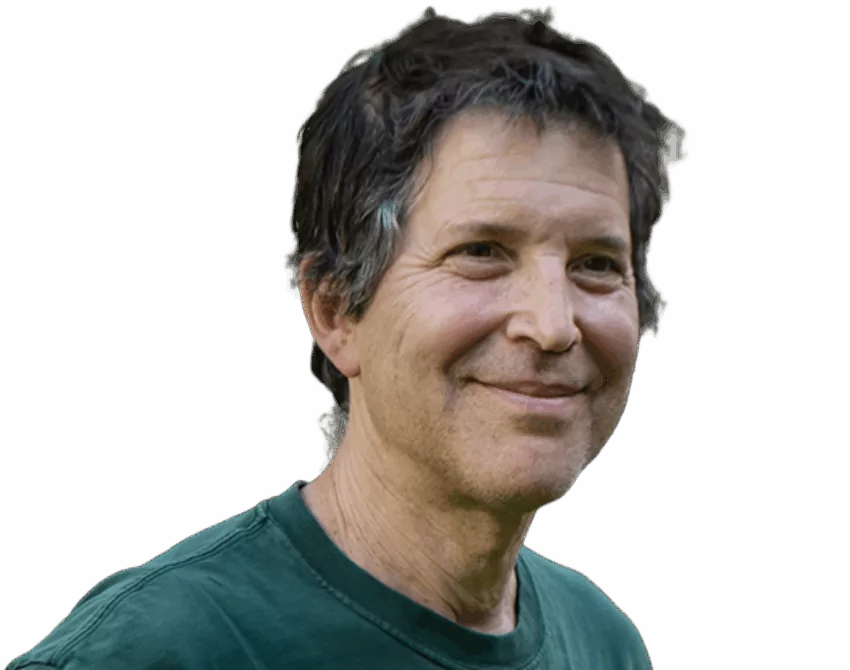
Using AI for science to solve humanity’s biggest problems
Podcast with David Baker
In this podcast episode, Nobel Laureate David Baker reveals how scientists are now inventing entirely new proteins—life’s fundamental building blocks—to tackle some of the world’s most pressing challenges. Baker shares his journey and his vision for a future where custom-built “molecular machines,” an idea once explored by thinkers like Eric Drexler, could repair our bodies, clean up pollution, and create sustainable materials. He explains how breakthroughs in AI are supercharging this field, but also why human ingenuity and collaborative science are still essential to unlocking these revolutionary possibilities.
Explore Seminars & Podcasts
Tools for mapping and controlling the brain
Presented by Ed Boyden
In this seminar, leading neuroscientist Ed Boyden shares his work on mapping the brain. Boyden wants to understand the ground truth of the brain – what are the building blocks and how do they interact? We need to map the brain using expansion microscopy, then control and observe high speed dynamics using technologies like optogenetics and fluorescent imaging.