
Roman Borys is the kind of artistic director that arts organizations ought to be clamouring for: a cellist of international standing who can walk offstage, cross a lobby, and spend twenty minutes talking a first-time audience member into becoming a subscriber. He has spent the better part of thirty years in the Gryphon Trio, one of Canada’s most decorated chamber ensembles, which means he has logged more hours than most people can imagine in the specific discipline of listening to others, responding in real time, and making something out of the space between four musicians that no one person could make alone.
That training shows up everywhere in how he runs Music Toronto: in the programming, in the way he moves through a room at intermission, in the unhurried thoroughness with which he answers a question that most artist-admin hybrids would deflect with something lifted right off a press release. He is, in the most literal sense, a man who has spent his career learning how to pay attention—which is why he sat down with Cannopy to talk about why you should pay more of yours to Music Toronto.
Music Toronto—the chamber music organization anchored at the Jane Mallett Theatre since 1971—is undergoing a quiet but deliberate renewal under Borys’s tenure as Artistic and Executive Director. The three organizational pillars he has inherited and is now reshaping—Concerts, Artist Development, and Community Engagement and Education—amount to a bet that chamber music’s future in this city depends not just on the quality of what happens on stage but on everything that surrounds it: who is in the room, how they got there, whether they come back, and whether the artists performing have been genuinely supported or simply booked and released. This conversation is a forecast of where that renewal is heading, and an argument for why it matters.

0:00
-2:18:18
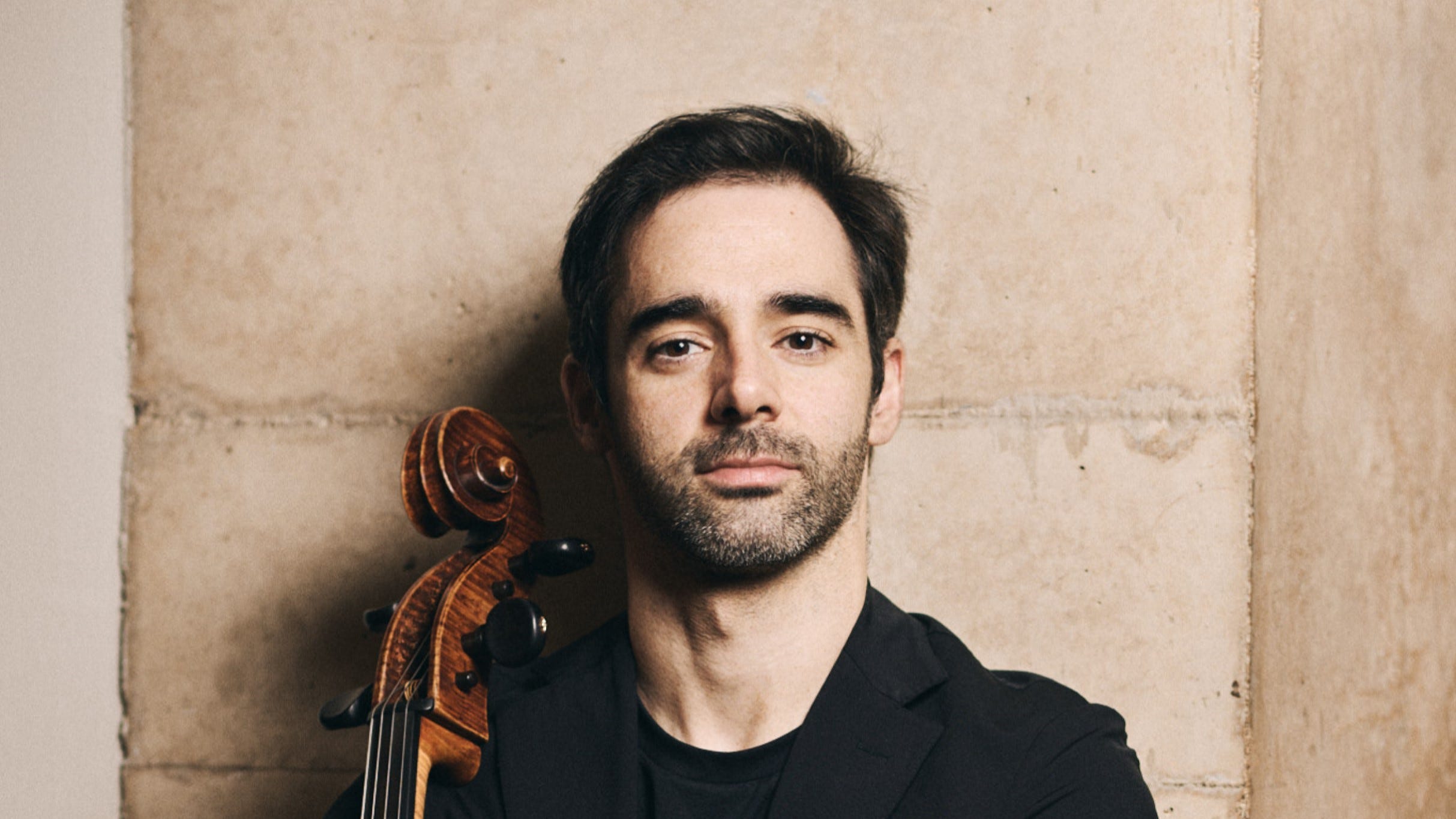
Pablo Ferrández, cello
One of the most compelling artists on today’s international stage, Pablo Ferrández has quickly established himself as a major voice in classical music. Named after his great Spanish predecessor Pablo Casals and hailed by some as “the next Yo-Yo Ma,” the Tchaikovsky Prize-winning artist opens Music Toronto’s 2026–27 season with his Canadian solo recital debut. Celebrating the 150th anniversary of Casals, the program honours the legendary artist whose artistry reshaped the cello’s voice, featuring solo works by J.S. Bach, Benjamin Britten and Gaspar Cassadó. TICKETS
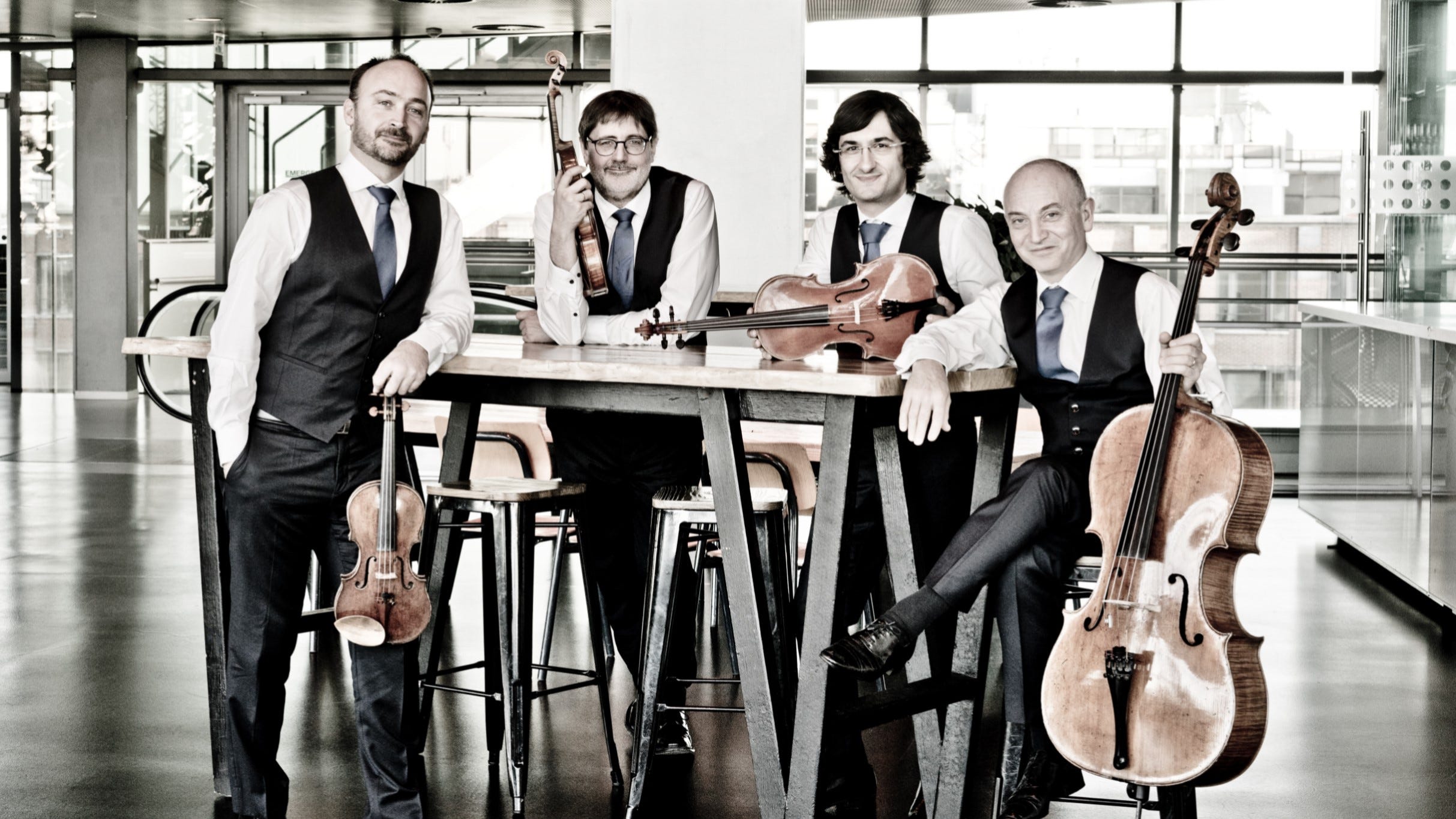
Quatuor Danel
Renowned for performances of extraordinary insight and emotional power, the Quatuor Danel returns with a program of striking contrasts and emotional depth. Mozart’s searing and intense Adagio and Fugue opens the evening, followed by the impassioned sweep of Mendelssohn’s Quartet in A minor. Sofia Gubaidulina’s Reflection on the Theme B-A-C-H brings a mystical dimension to the program that then concludes with the warmth and melodic brilliance of Tchaikovsky’s Quartet in D major. TICKETS
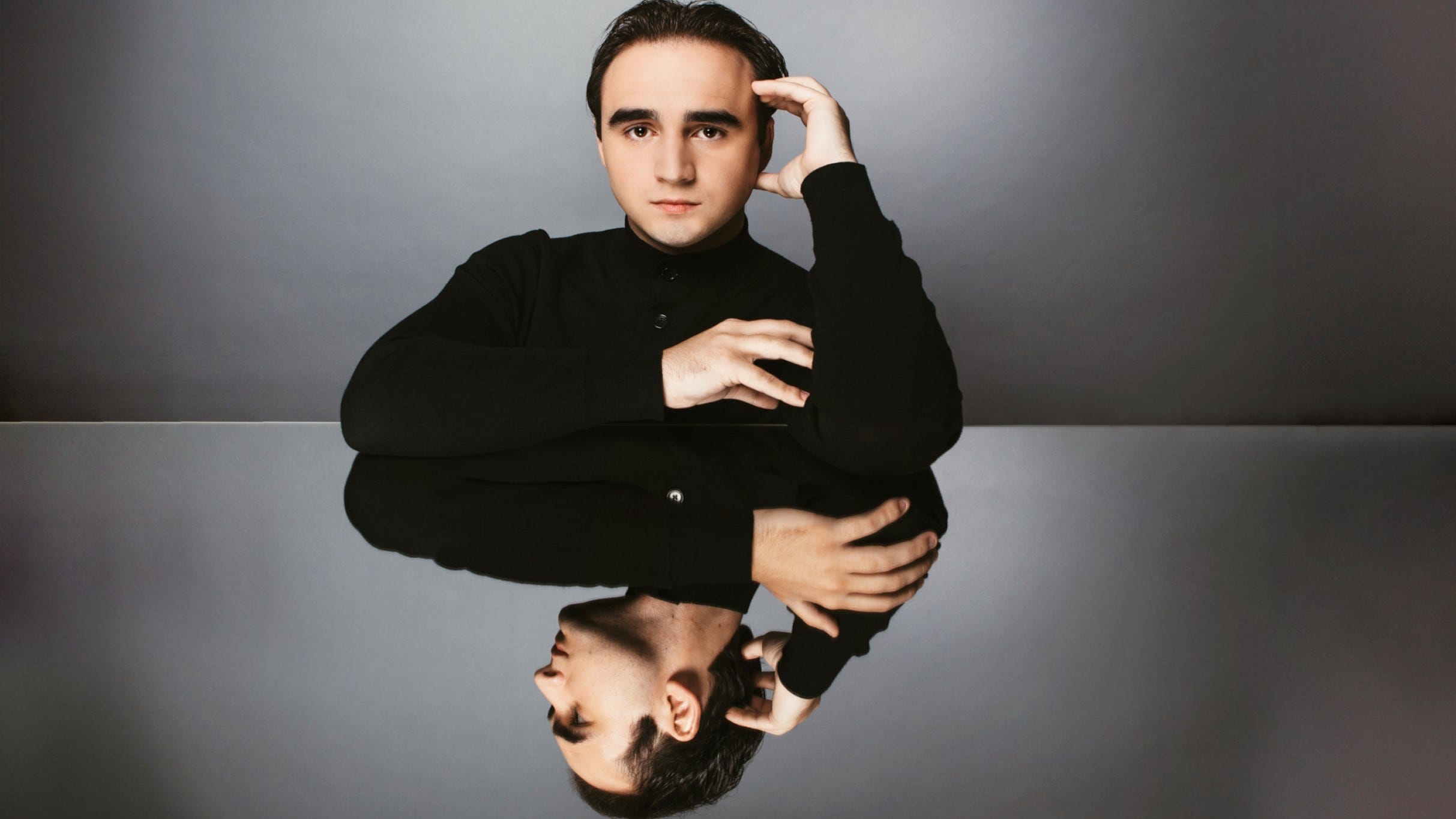
Dinuk Wijeratne and the Canadian Chamber Orchestra
Pianist and composer Dinuk Wijeratne joins the Canadian Chamber Orchestra for his electrifying solo piano and string orchestra piece Gajaga Vannama. Inspired by Sri Lankan ritual and the majesty of the elephant, this vibrant East-meets-West score pulses with dance rhythms, jazz inflections, tonal clusters, and dazzling colour. In works for chamber orchestra by George Walker, Caroline Shaw, and Philip Glass, the CCO traces a compelling musical arc from luminous lyricism to shimmering textures and hypnotic rhythmic drive. TICKETS
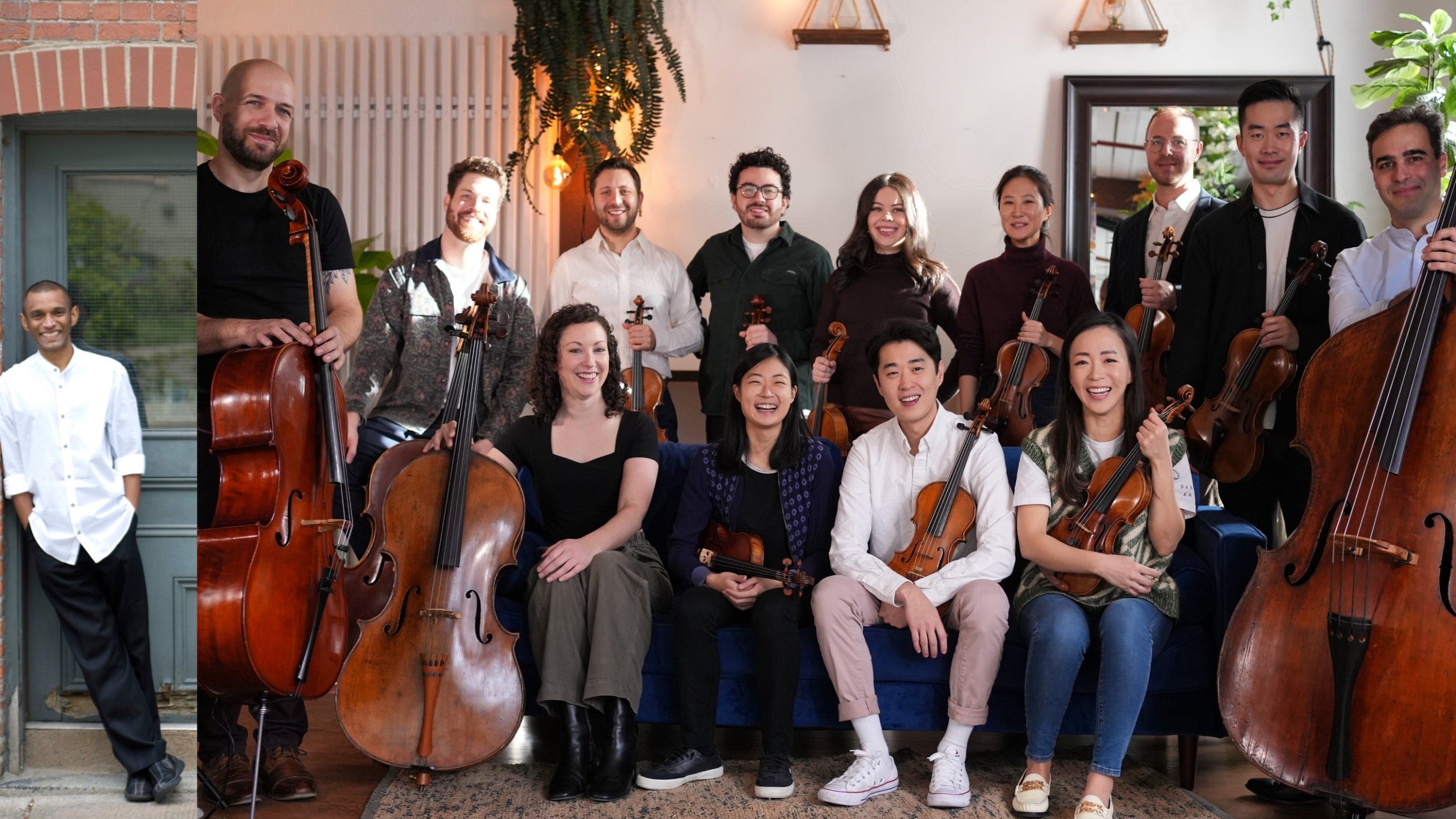
MUSE: What Makes It Great?® with Rob Kapilow - Mendelssohn Octet
In What Makes It Great?®, composer, commentator, and author Rob Kapilow unlocks great music with insight, humour, and live musical examples. Explore the brilliance of Mendelssohn’s Octet as Kapilow reveals the invention and youthful genius behind one of chamber music’s most exhilarating works. His presentation is followed by a complete performance and audience Q&A. TICKETS
Illia Ovcharenko, piano
Having delighted Music Toronto audiences with “one of the best recitals of 2025” (LudwigVan), Ukrainian pianist Illia Ovcharenko returns to Music Toronto with a program shaped by the spirit of fantasy. From Beethoven’s Quasi una Fantasia and Schumann’s visionary Fantasy in C to the evocative works of Ukrainian composer Viktor Kosenko and Liszt’s electrifying Dante Sonata, Ovcharenko explores music where imagination, poetry, and virtuosity unfold in thrilling freedom. TICKETS
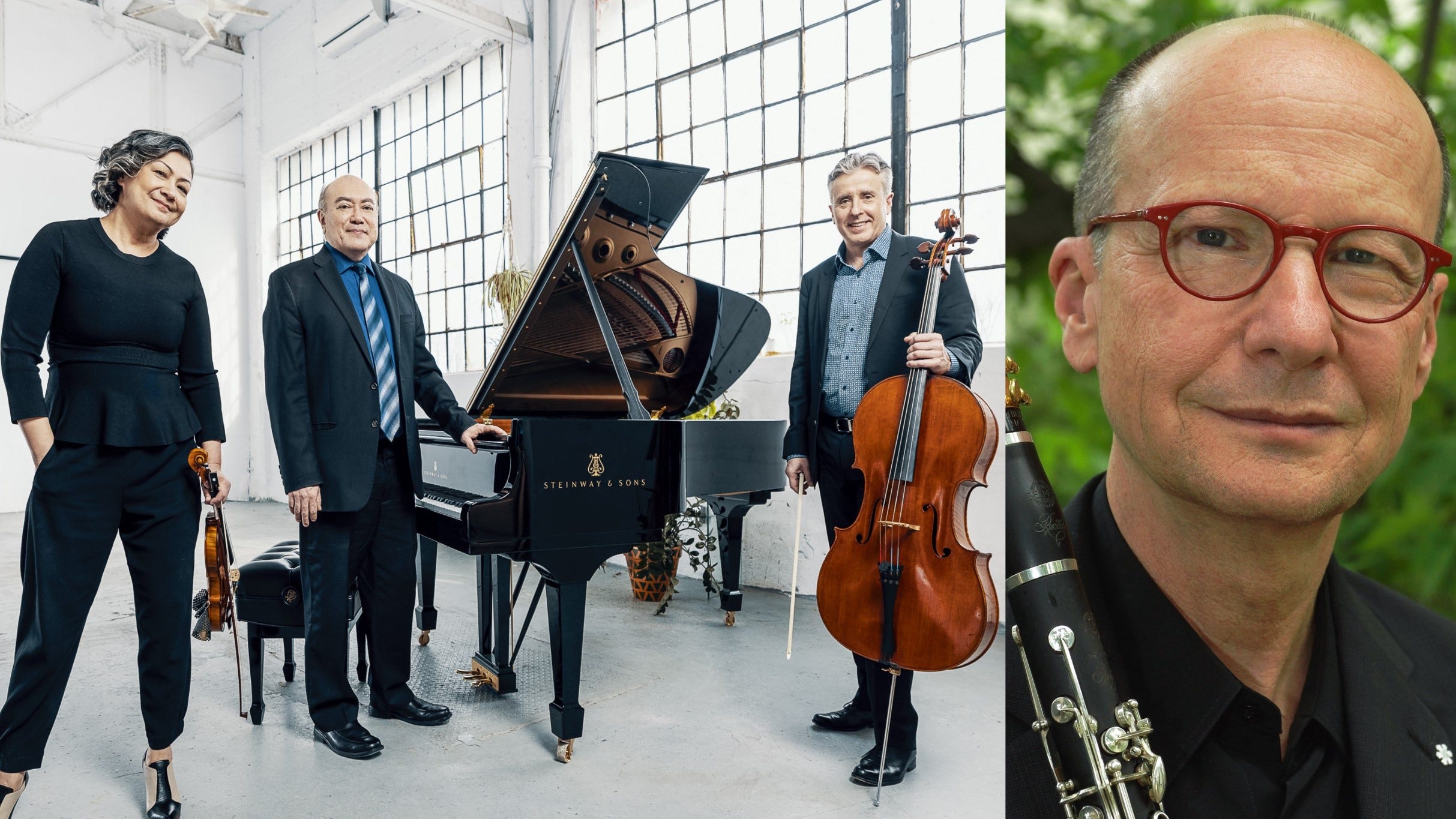
Gryphon Trio with James Campbell
In its early years as a Music Toronto ensemble-in-residence, the Gryphon Trio first performed Olivier Messiaen’s visionary Quartet for the End of Time with revered Canadian clarinetist James Campbell. Composed in a prisoner-of-war camp during the Second World War, the work stands as one of the 20th century’s most profound musical testaments of faith, transcendence, and human resilience. Twenty-five years and countless performances later, the Gryphon Trio and Campbell return to this monumental masterpiece that has become a defining thread in their artistic story. The program opens with the stormy passion of Johannes Brahms’ dramatic Piano Trio in C minor and also features the world premiere of a new work for piano trio by Graham Campbell. TICKETS
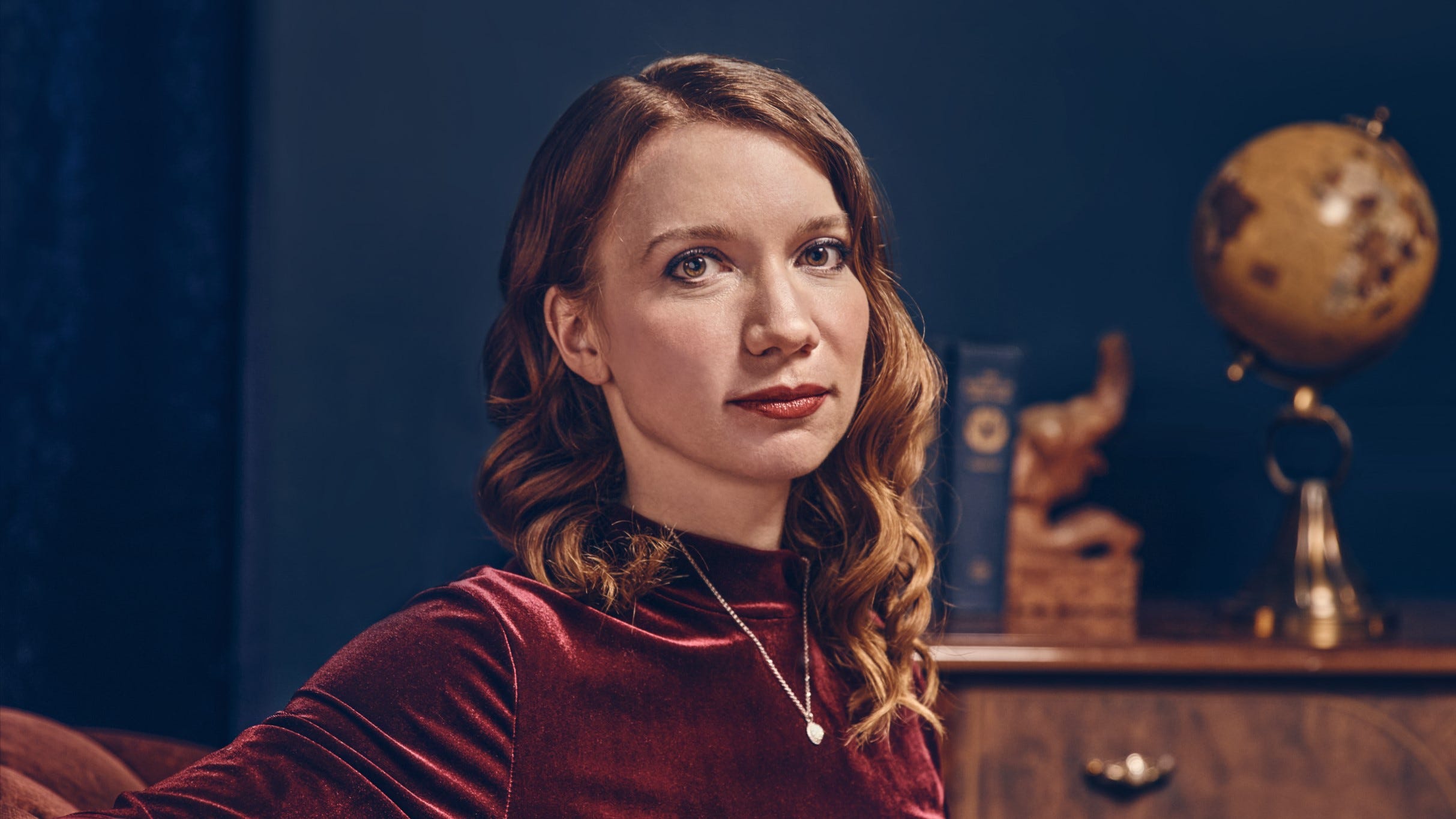
MUSE: What Makes It Great?® with Rob Kapilow and Meagan Milatz - Beethoven’s “Appassionata” Sonata
In What Makes It Great?, master communicator Rob Kapilow and brilliant Canadian pianist Meagan Milatz explore Beethoven’s electrifying Appassionata Sonata, revealing how the composer transforms simple musical ideas through bold and imaginative variations. Part of our Sunday afternoon MUSE (Music Unveiled, Stories, Explorations) series, this illuminating event readies listeners for Danny Driver’s performance of Beethoven’s monumental Diabelli Variations in March 2027. TICKETS
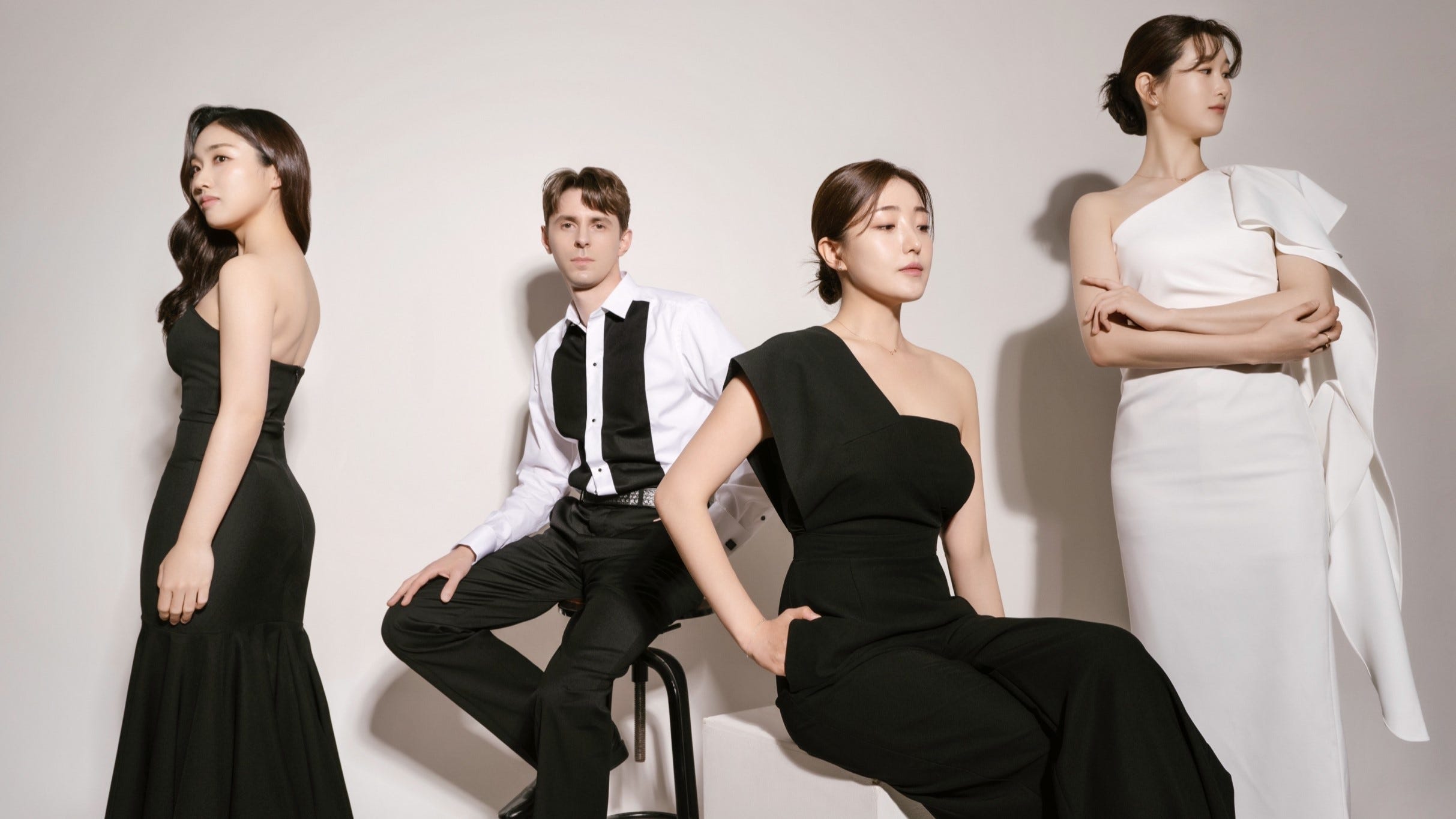
Esmé Quartet
Having thrilled Music Toronto audiences in 2022 with their elegance, precision and energy, the Esmé Quartet returns with a program of drama, rhythm, and sweeping lyricism. Samuel Barber’s Quartet, Op. 11 features the haunting slow movement later arranged as the famous Adagio for Strings. John Adams’s Book of Alleged Dances brims with folk energy and playful rhythm, while Antonín Dvořák’s majestic Quartet in G major, Op. 106 crowns the evening with radiant melody and power. TICKETS
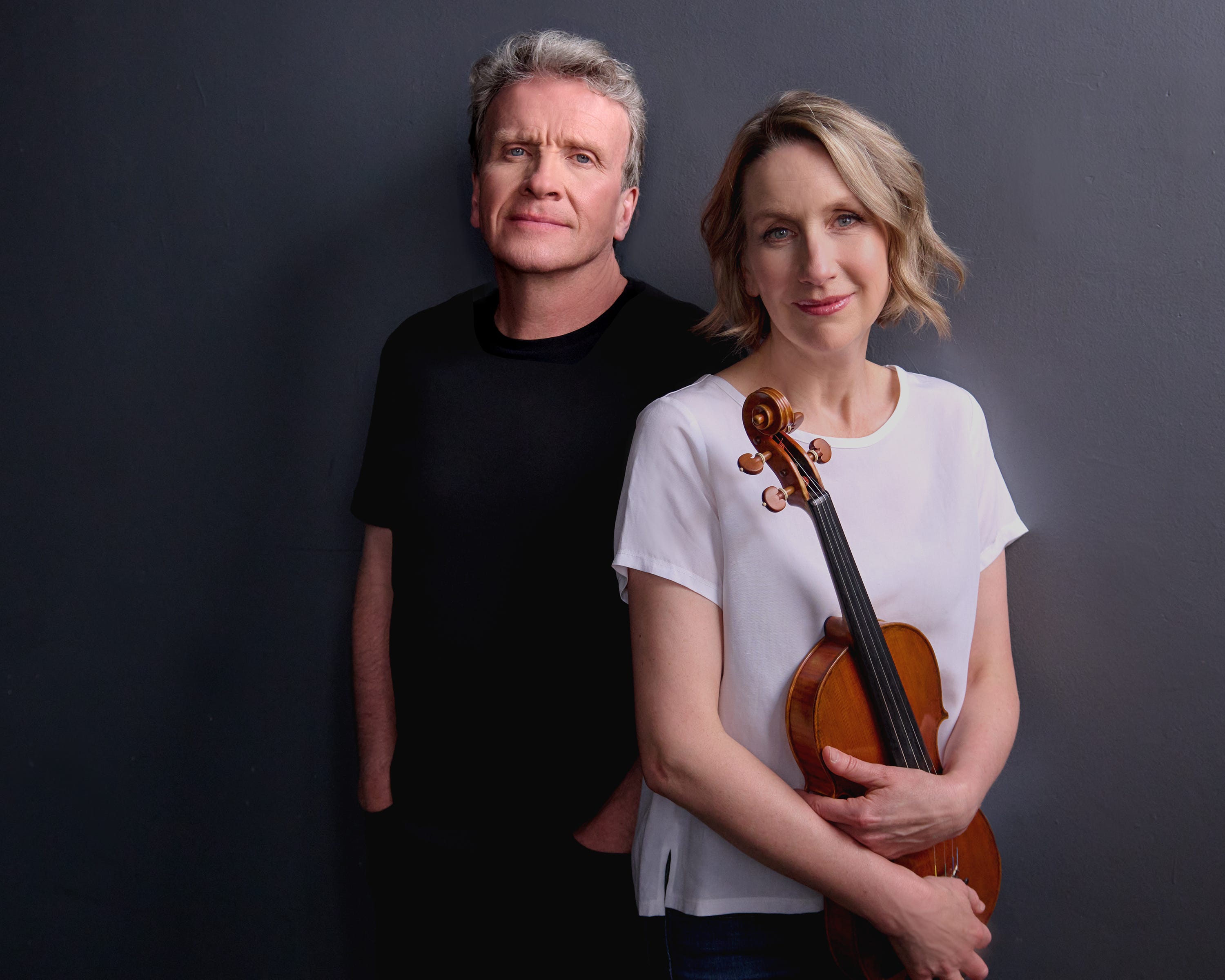
Duo Concertante with the Dior Quartet
One of Canada’s pre-eminent chamber ensembles, Duo Concertante—violinist Nancy Dahn and pianist Timothy Steeves—is celebrated internationally for its expressive depth and remarkable musical unity. They open the program with Luigi Dallapiccola’s Tartiniana Seconda, a brilliant reimagining of Baroque violin music, and a sonata by Ludwig van Beethoven in this Beethoven anniversary year. Vince Ho’s playful Donut Suite adds dazzling wit before the second half, when they join the dynamic Dior Quartet for the sweeping romanticism of Ernest Chausson’s magnificent Concerto for violin, piano, and string quartet. TICKETS
Danny Driver, piano
Returning to Music Toronto for a third appearance, British pianist Danny Driver brings his exceptional artistry to a program of waltzes and variations spanning three centuries. George Frideric Handel’s elegant Suite No. 5, Maurice Ravel’s shimmering Valses nobles et sentimentales, and Morton Feldman’s spare Variations lead to the evening’s centerpiece, Ludwig van Beethoven’s monumental Diabelli Variations. Rarely heard in concert, this astonishing cycle of 33 variations transforms a simple waltz into an imaginative and profound work in the piano repertoire, offering a special experience in a Beethoven anniversary year. TICKETS
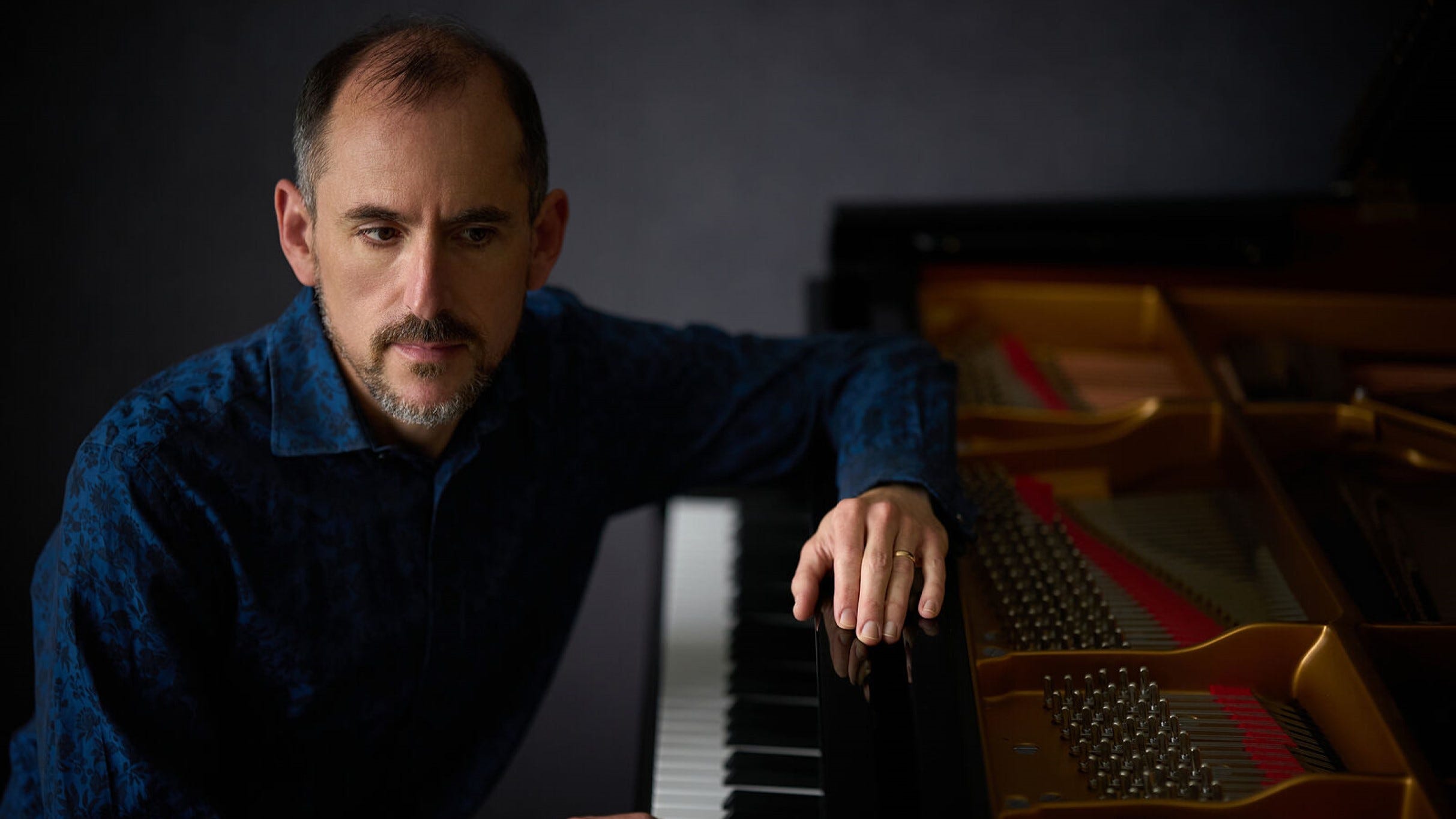
Escher String Quartet
Escher String Quartet makes its Music Toronto debut with a program that moves from Classical brilliance to late-Romantic intensity. Joseph Haydn’s sparkling Op. 76 No. 1 opens the evening, followed by the lush cinematic voice of Erich Wolfgang Korngold’s rarely heard Third Quartet, before the profound lyricism and drama of Johannes Brahms’s A minor Quartet. Formed in 2005, the Escher is named for the Dutch graphic artist M.C. Escher, inspired by his method of interplay between individual components working together to form a whole. TICKETS
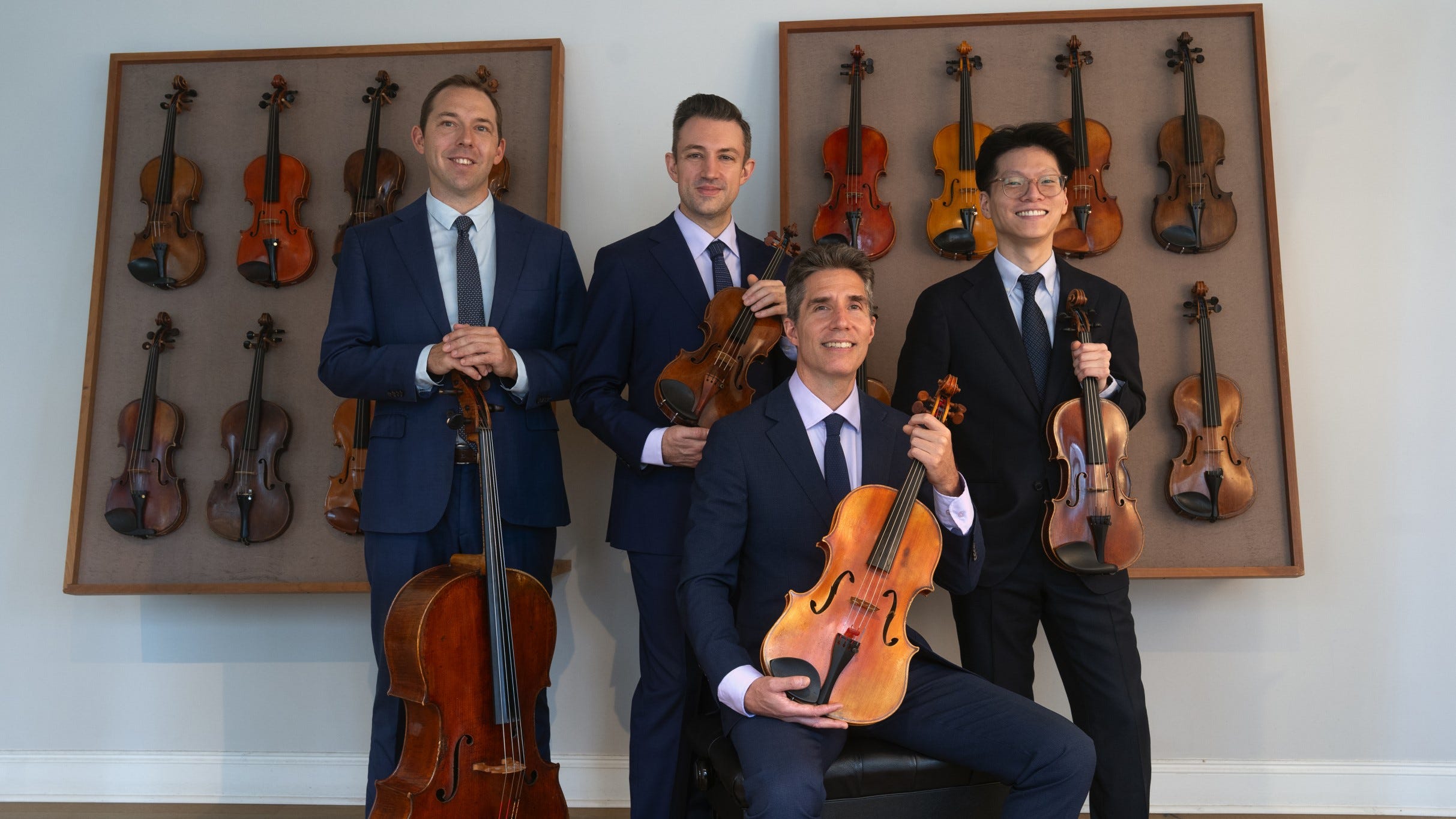
MUSE: Karen Ouzounian and Lembit Beecher
Cellist Karen Ouzounian, acclaimed for her work with the Silkroad Ensemble and the Aizuri Quartet, joins composer-pianist Lembit Beecher to close the season’s MUSE series with Mayrig, an immersive multimedia program centered on the human voice. Voices of Ouzounian’s mother and grandmother weave through Armenian music from Anatolia, songs of Lebanon, and the music of Charles Aznavour, alongside new works exploring memory, heritage, and resilience across generations. The program spans centuries and cultures, opening and closing with Marin Marais’s Les Voix Humaines. Traditional Armenian songs and early Anatolian recordings appear alongside arrangements of music by Charles Aznavour and Ashot Satyan. Original works by Lembit Beecher are joined by contemporary voices including Layale Chaker, Nathalie Joachim, Niloufar Nourbakhsh, and Karen Ouzounian, interwoven with recorded voices from Ouzounian’s family. Blending voice, memory, and music, Mayrig unfolds as a deeply human meditation on identity, inheritance, and the passage of time. TICKETS
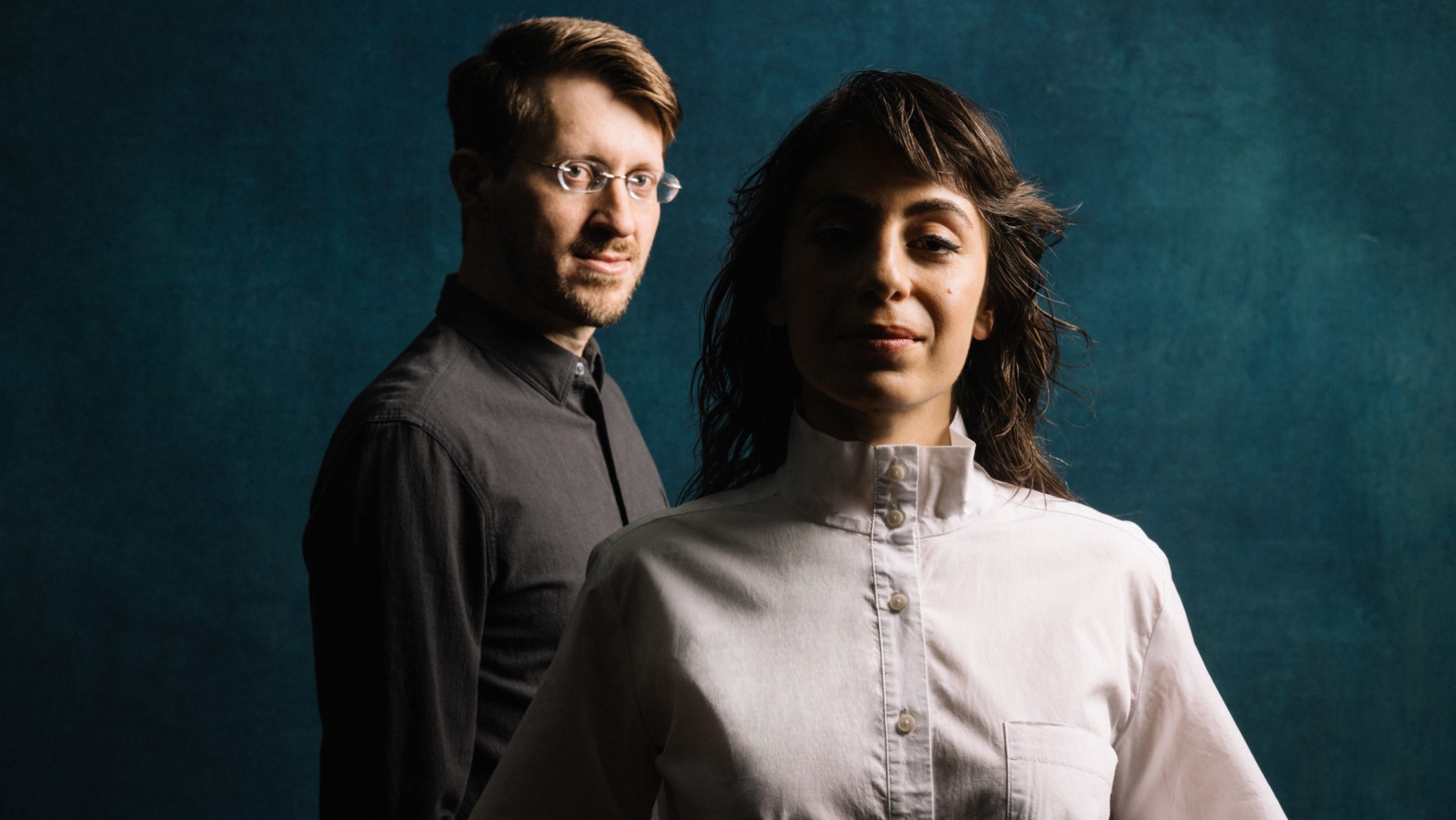
New Orford String Quartet
Well known to Toronto chamber music audiences, the New Orford String Quartet brings its celebrated artistry to Music Toronto in a program of brilliance, energy, and spiritual depth. Joseph Haydn’s sparkling Op. 76 No. 5 opens the evening, followed by Kelly-Marie Murphy’s gripping Dark Energy. The program culminates in the transcendent beauty of Ludwig van Beethoven’s A minor Quartet, Op. 132, part of Music Toronto’s exploration of beloved Beethoven masterpieces during the 2027 anniversary year. TICKETS

Comments
Nothing yet. Say the first thing.
Sign in to join the conversation.