
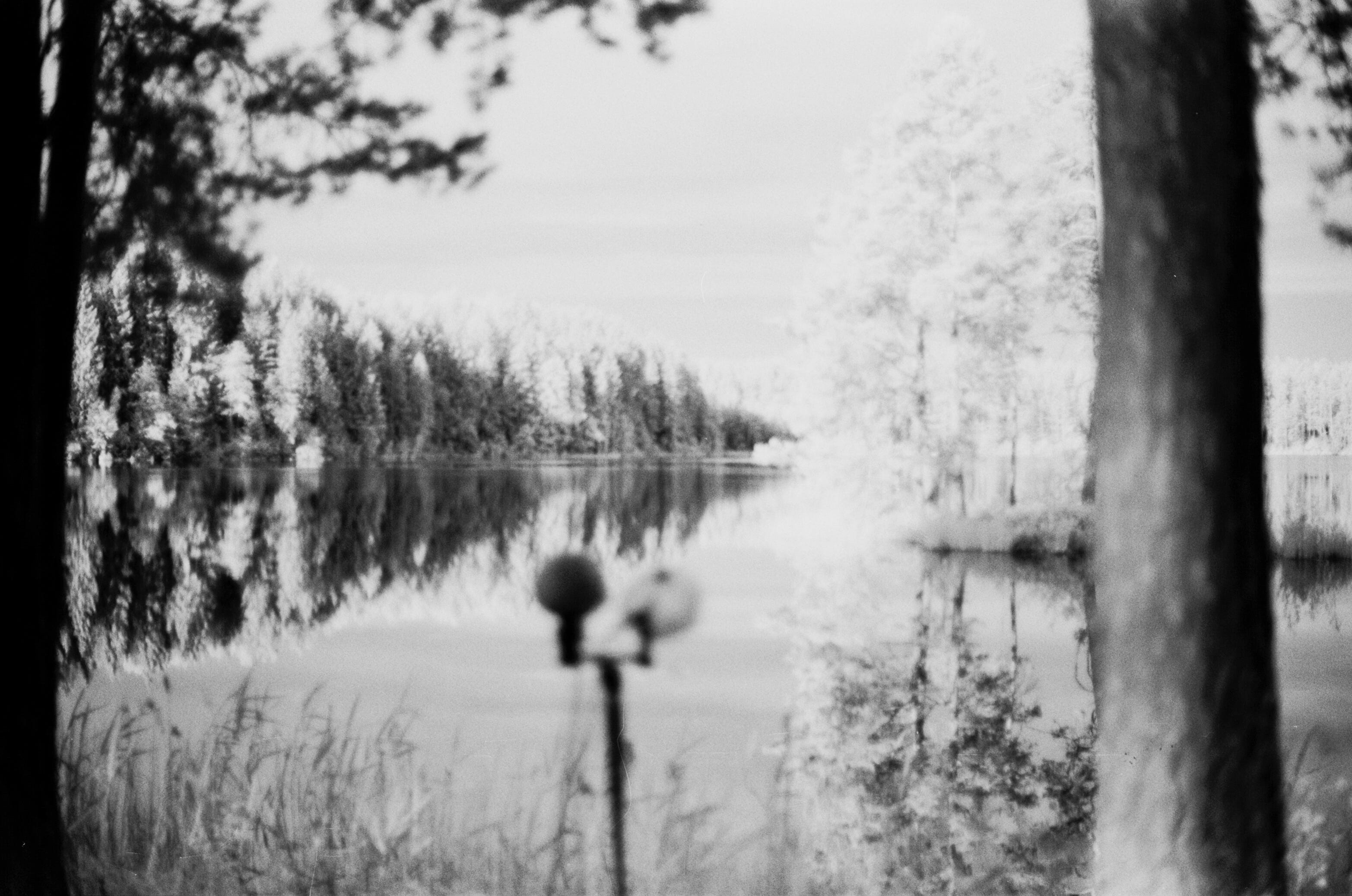
When electroacoustic composer, field recordist and traditional music researcher Anton Anishchanka visited the Hłybokaje / Čarbamysła hydrological reserve in northern Belarus in June 2023, he encountered two things that had changed the soundscape completely. The first was a ban on visiting the forests surrounding the lowland lake, due to the risk of fire, dramatically lowering the number of tourists in the area. The second was the massive reduction in air traffic since as a result of Belarus’ political isolation in recent years.
As a result, Anishchanka was able to make recordings in relative quiet - an audible nature shaped by political and ecological forces beyond the forest itself. As he writes, the uneasy absence of anthropogenic noise was amplified when the tourists returned some weeks later, making it clear that “the silence I recorded was not a given, but a fragile and temporary condition shaped by regulations, enforcement, borders and chance. “Nature” here is not outside politics: it is defined by who has access, who is kept out, and whose activities are tolerated.”
Anishchanka’s recordings have been collected in a new album called Hłybokaje / Čerbamysła - a detailed and meticulously presented suite of field recordings which he describes as “at the intersection of sound art and ornithological research.” The project features over 30 bird species, both rare and common, including the black-throated loon, cuckoo, chaffinch, garden warbler, robin, and mew gull, but is made all the more powerful for the context in which it takes place.
For this Through Sounds post, I asked Anishchanka to reflect on this context and his own recording process in more depth. Illustrated by his black and white photography - presented in a book that accompanies the release - Anishchanka’s text reveals the complex and competing narratives that shape sonic constructions of nature and the subjectivity of the artist in recording them.
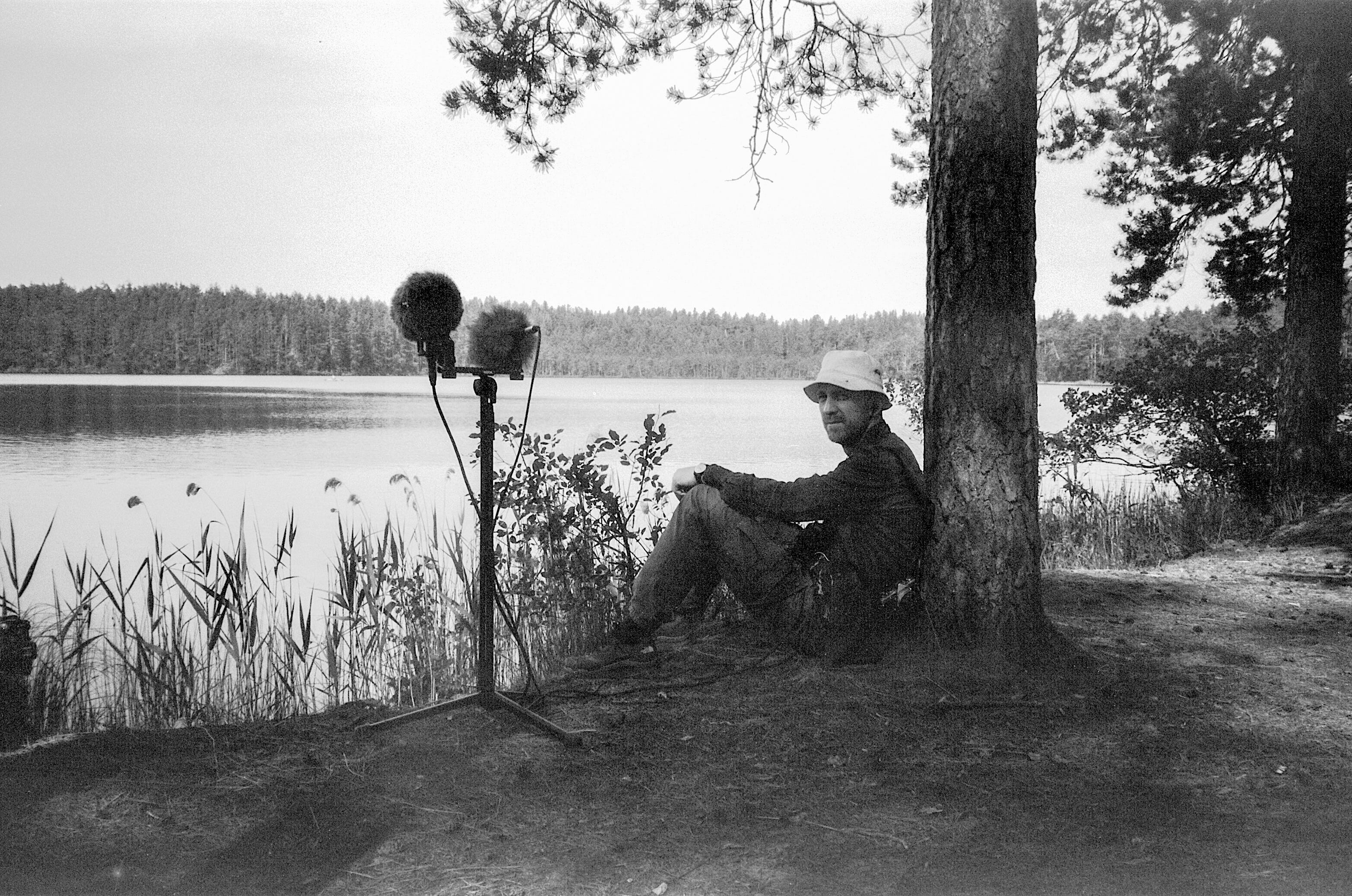
In June 2023 I travelled to the Hłybokaje / Čarbamysła hydrological reserve in the Polatsk Lowland in northern Belarus - a post-glacial landscape of lakes, bogs and pine forests. For thousands of years this area has remained relatively intact, but in recent decades it has been caught between different pressures: logging, hunting, fishing and tourism, as well as changing climate conditions that affect water levels and bird populations. Belarus likes to present itself as a “green” country with a high share of protected territories, yet in practice many reserves are shared spaces where conservation, resource extraction and recreation constantly overlap.
At the time of recording, a temporary ban on visiting forests was officially in place due to fire risk, yet the lakes were completely empty. A few weeks later, when my ornithologist friend returned with a videographer, he found the same shores crowded with tourists, cars and loud music drifting over the water - popular music, the usual summer soundtrack. This abrupt shift - from a seemingly “untouched” soundscape to a noisy recreational zone - made it clear that the silence I recorded was not a given, but a fragile and temporary condition shaped by regulations, enforcement, borders and chance. “Nature” here is not outside politics: it is defined by who has access, who is kept out, and whose activities are tolerated.
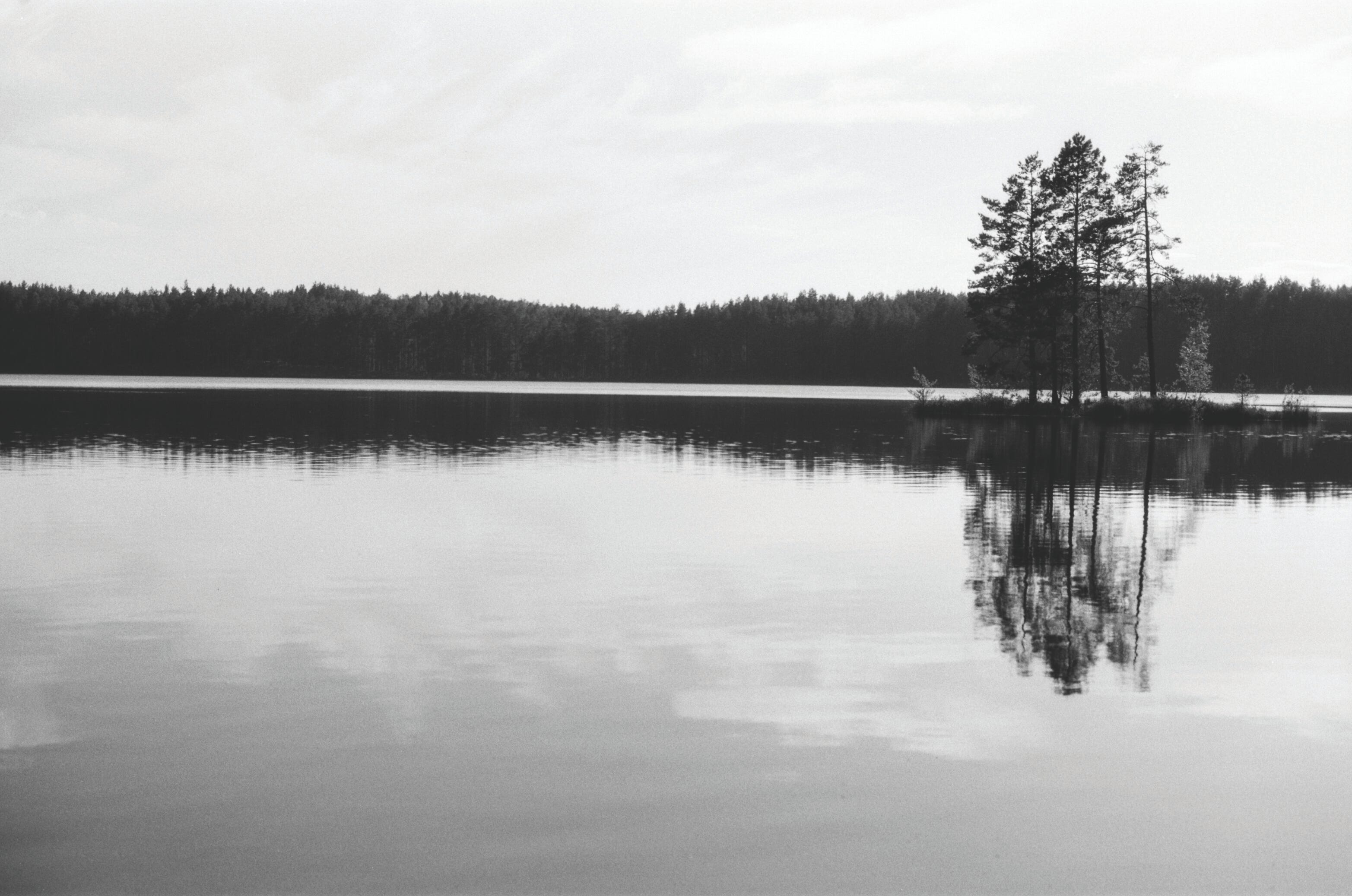
There is another, less visible layer to this political context. Since 2021, air traffic over Belarus has been drastically reduced due to the country’s isolation and sanctions. From a human perspective, this is often experienced as a restriction - fewer flights, longer and more complicated journeys, another reminder of closed borders. From an ecological perspective, however, the grounded sky of June 2023 created an unusual situation: for a brief moment, it was possible to listen to these lakes and forests without the constant distant roar of aircraft. What feels like a loss in terms of mobility can also be heard as a temporary relief for more-than-human life, exposing how deeply anthropocentric our default viewpoint tends to be.
The album focuses on nocturnal and dawn soundscapes: the calls of black- throated loons nesting on a small island, the chorus of frogs and insects, and the layered voices of forest birds. In Belarus these loons are considered an ornithological treasure, and their habitat depends on clean water, undisturbed shorelines and low levels of human disturbance. Bogs and lakes like these have a long history of drainage and reclamation for agriculture and forestry and, more recently, for peat extraction, which has been a significant part of the country’s energy and industrial policy across the twentieth century, leading to the loss of a large share of natural wetlands. Only in the last decades have some of these landscapes been reframed as ecosystems worth protecting, both for biodiversity and for climate mitigation. In that sense, the recordings are not just aesthetic documents; they indirectly register the health of a specific wetland landscape and the social decisions that shape it - which species are allowed to stay, which human uses are prioritised, and how “silence” is managed.
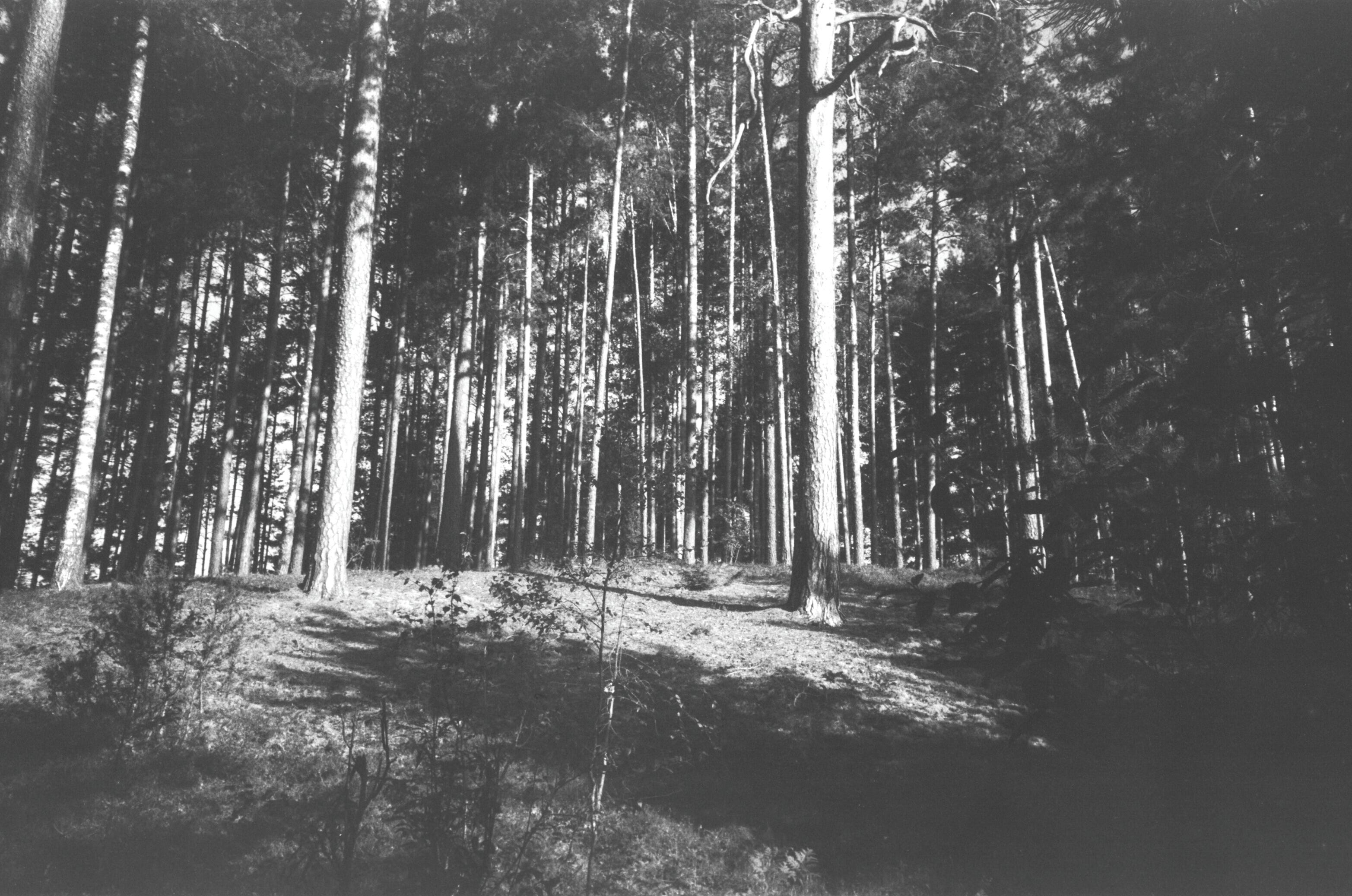
In Belarus, protected areas are rarely “pure” conservation zones. Many national parks and reserves combine their ecological mission with commercial activities, including paid hunting and fishing, which are openly advertised as a way to support local economies and park infrastructure. This creates a complex ethical landscape: the same animals that appear in conservation reports and promotional materials can also be framed as hunting trophies; numbers and categories become tools for managing both ecosystems and revenue. When I listen back to the recordings from Hłybokaje / Čarbamysła, I hear not only birds and insects, but also this tension between protection and exploitation - between nature as a legal category and nature as a resource.
My position is close to that of Bernie Krause, especially in The Great Animal Orchestra. He describes how, in relatively undisturbed habitats, animal voices tend to distribute themselves across different frequency bands - each species occupying its own acoustic niche - so that, on a spectrogram, a healthy soundscape appears like an orchestra: layered, differentiated, in balance. Listening to these patterns can tell us not only who is present, but how they share space, and how this balance shifts under stress or disturbance.
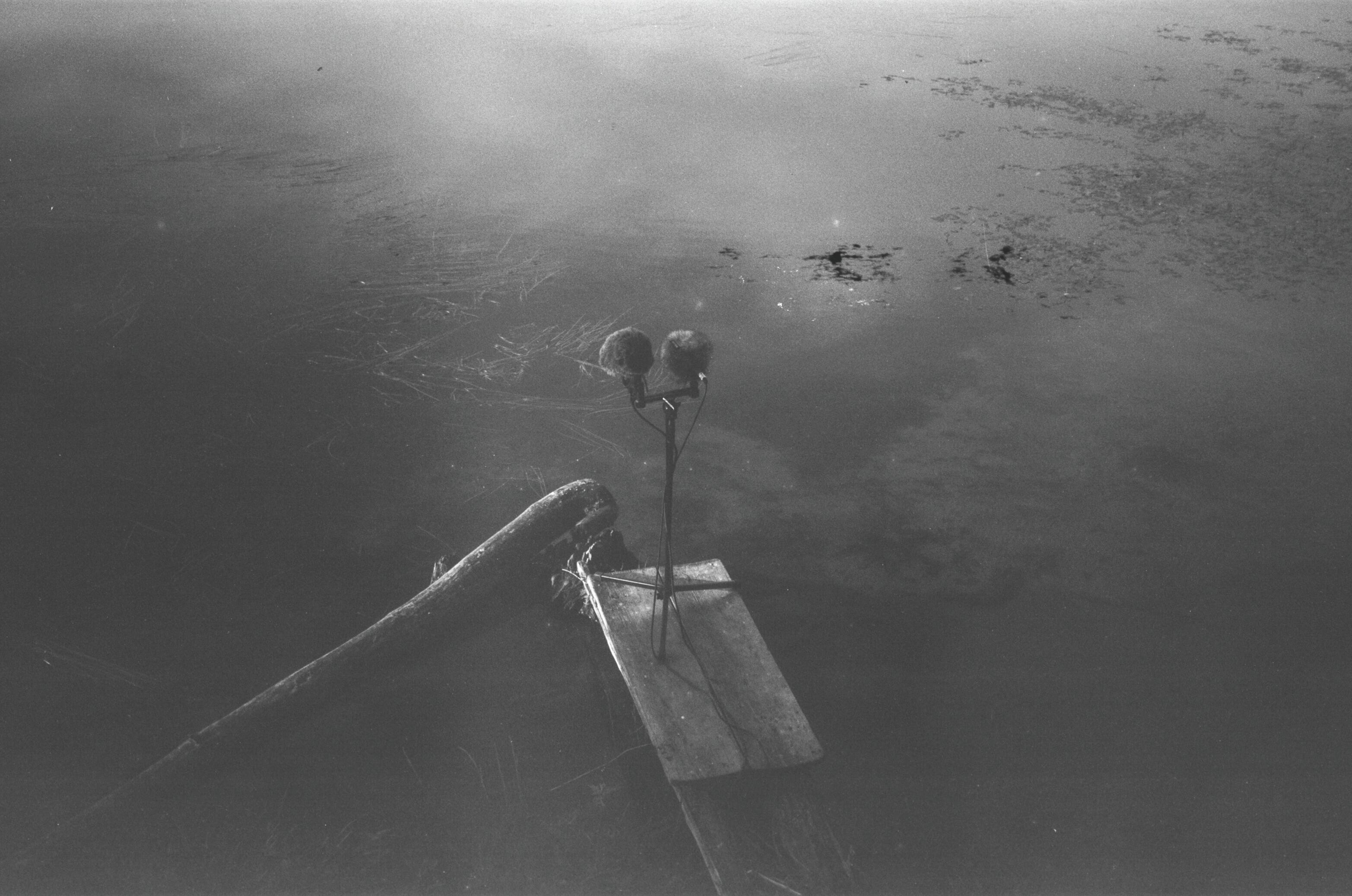
When humans enter such places with engines, amplified music or simply constant talk, they often flood multiple registers at once, masking or compressing other species. The moment my ornithologist friend returned to the lake and found it full of tourists, cars and portable speakers made this very concrete: the carefully layered biophony I had recorded only weeks before was suddenly overwritten by human sound. It is a subtle but deeply anthropocentric gesture - treating the forest as a backdrop for leisure, rather than as a subject with its own acoustic life. Even when we are not cutting trees or hunting, we still arrive as consumers, rarely thinking about the noise and waste we bring with us.
In this sense, listening practices can become an ecological method. To sit quietly with microphones is to suspend, at least for a moment, the tendency to occupy and dominate, and to let another kind of presence emerge. Field recording, for me, is a way of learning to treat nature as a subject - to attune to its voices before adding my own.
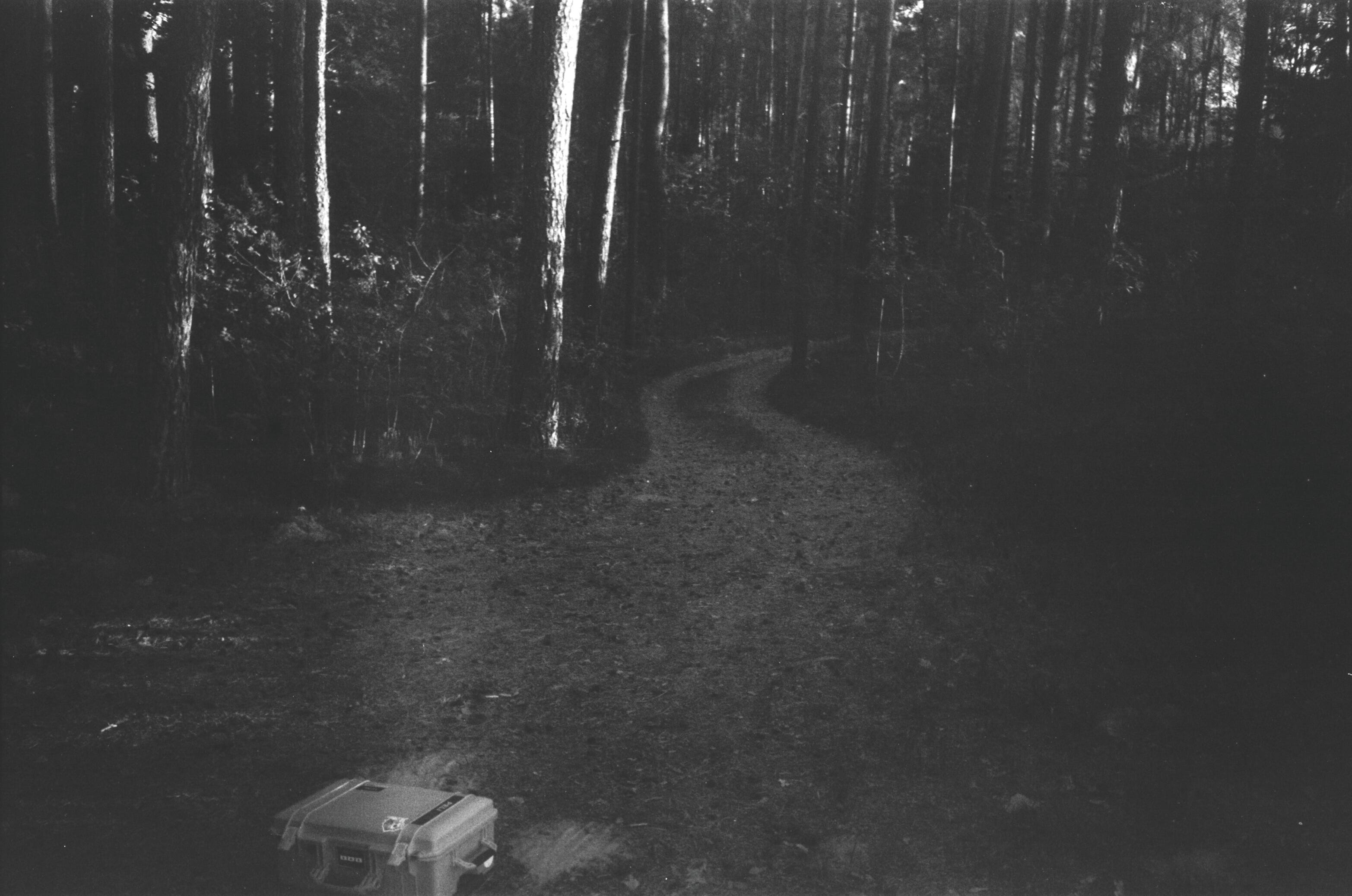
This tension becomes personal when fear enters the picture. I often feel afraid when I’m alone in a forest at night, whether in Belarus or in a tropical swamp in Uganda. Part of that fear comes from not knowing the environment well enough - every rustle could be anything. But fear can also arise from recognition. Once a friend listened to a track from this project and became scared because of a fly moving from one stereo channel to the other. He knew exactly what he was hearing, yet the embodied sensation of the insect circling his head was unsettling. Knowledge did not automatically calm him down.
For me, field recording sits between these poles of knowledge and unknowing. On one hand, it can be a tool for ecological research and monitoring; on the other, it is a practice of “active inaction”, of sitting still and allowing the world to unfold in sound. In Hłybokaje / Čarbamysła, I tried to minimise my own presence, but the most memorable moment of the expedition turned out to be the sound of my own snoring. My companion, ornithologist Vitali Koshcheev, and several local naturalists tried to identify the source: a bear, an elk, a lynx? In the end, my wife recognised the “animal” - it was me. This small misidentification reminds me that humans are never outside the soundscape they record. Even when we think we are capturing “pure nature”, our bodies, fears and histories remain inside the frame.
Anton Anishchanka’s Hłybokaje / Čerbamysła is out now via the Shatkavalka label.
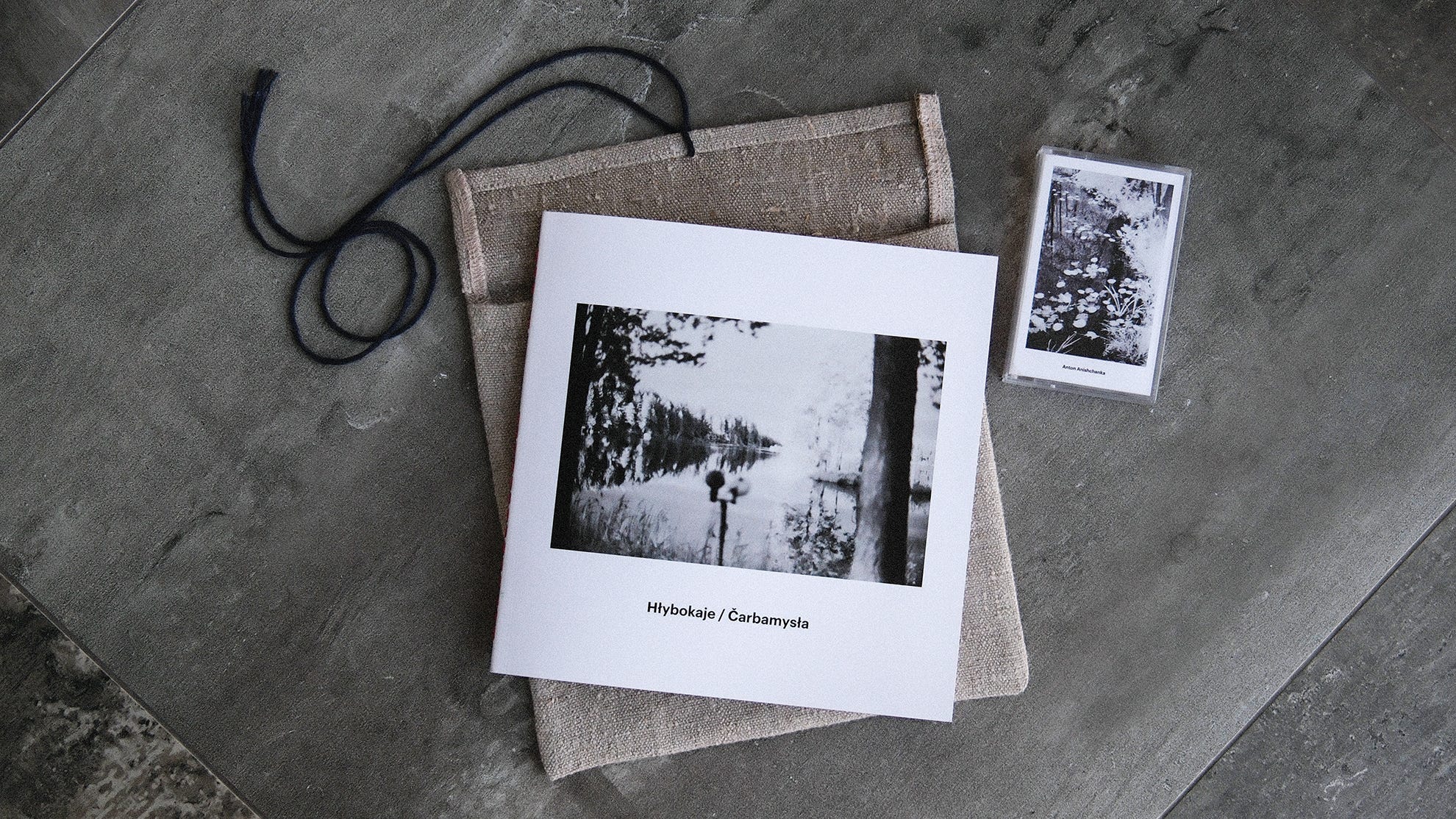
All photos courtesy of the artist.
Thanks for reading Through Sounds! Subscribe for free to receive new posts and support my work.
Comments
Nothing yet. Say the first thing.
Sign in to join the conversation.