
La última entrada era del 31 de enero y ya estamos a primero de marzo. Febrero es el mes más cruel, así que lo hemos pasado por alto. En realidad, sucedió algo curioso: el gozo del reto de escribir diariamente se desvaneció al convertirlo en una entrada semanal, y con el gozo se desvaneció el propósito (en ambos sentidos: la determinación y el sentido). Frente la férrea decisión y constancia de muchas personas a las que admiro, mis empeños suelen ser vaivenes de entusiasmo que no serían mayor cosa si no fuera porque algunos han logrado enraizarse en la tierra fértil de un empeño mucho más grande y duradero, que se mantiene vivo gracias a la fidelidad de los constantes. Yo vivo del nunc coepi, del comenzar y recomenzar, y todo comienzo —como lo ha sido el inicio de la cuaresma, lo es también este primer día de marzo y lo será también la llegada de la primavera— es una nueva oportunidad para repetírmelo.
Ahora comienzo. Y recalibro: Si ya han dejado de ser la antología diaria de poemas, ¿qué son ahora estas páginas? Si no escribo con la puerta abierta (en público), escribo poco, y si escribo poco, pienso poco, me fijo menos, se me escapa mucho más la realidad. Este procesador de palabras termina siendo un lugar de creación, no de textos, sino del silencio creador del que salen las palabras. Lo que crea el Jardín es un espacio de reflexión para atrapar la realidad.
“Colligite fragmenta”, le dijo Jesús a sus discípulos y yo lo escucho ahora para mí: “Recoged los fragmentos, no vaya a ser que se pierdan” (“Colligite quae superaverunt fragmenta, ne pereant” (Jn 6,12)). Podría ser el lema para un diario.
En mi vecindario de Substack —suelo pensar en los “blogs” (y afines) como haciendas, así los que visito son los de mi vecindario— disfruto con frecuencia de los paseos por el de Víctor del Moral, que tiene precisamente lo que desearía para el mío: pequeños detalles de un día, expresados con belleza y hondura. Víctor, creo, escribe “at whim”, a su antojo, sin calendario, aunque con esa certeza de que la constancia de “los muchos pocos” hacen mucho.
A pesar de que mis vaivenes de entusiasmo necesitan una disciplina, últimamente pienso en lo sobrenatural que es ese principio de “Whim” —el capricho—, que quiero que esté más presente en mi vida, también para la lectura. El consejo lo tomo de Randall Jarrell, nuestro poeta invitado:
A few months ago I read an interview with a critic; a well-known critic; an unusually humane and intelligent critic. The interviewer had just said that the critic “sounded like a happy man”, and the interview was drawing to a close; the critic said, ending it all: “I read, but I don’t get any time to read at whim. All the reading I do is in order to write or teach, and I resent it. We have no TV, and I don’t listen to the radio or records, or go to art galleries or the theater. I’m a completely negative personality.”
As I thought of that busy, artless life — no records, no paintings, no plays, no books except those you lecture on or write articles about — I was so depressed that I went back over the interview looking for some bright spot, and I found it, one beautiful sentence: for a moment I had left the gray, dutiful world of the professional critic, and was back in the sunlight and shadow, the unconsidered joys, the unreasoned sorrows, of ordinary readers and writers, amateurishly reading and writing “at whim”. The critic said that once a year he read Kim, it was plain, at whim: not to teach, not to criticize, just for love — he read it, as Kipling wrote it, just because he liked to, wanted to, couldn’t help himself. To him it wasn’t a means to a lecture or an article, it was an end; he read it not for anything he could get out of it, but for itself. And isn’t this what the work of art demands of us? The work of art, Rilke said, says to us always: You must change your life. It demands of us that we too see things as ends, not as means — that we too know them and love them for their own sake. This change is beyond us, perhaps, during the active, greedy, and powerful hours of our lives, but during the contemplative and sympathetic hours of our reading, our listening, our looking, it is surely within our power, if we choose to make it so, if we choose to let one part of our nature follow its natural desires. So I say to you, for a closing sentence: Read at whim! read at whim!
—Randall Jarrell, “Poets, Critics, and Readers”
Randall Jarrell es el autor, entre otras muchas cosas, de un maravilloso libro infantil, ilustrado por Maurice Sendak: The Bat-Poet. El libro lo descubrí gracias a A. E. Stallings, con la que comparto el amor por los murciélagos y la poesía. Si alguien más comparte estos peculiares amores, disfrutará especialmente su maravillosa lección inaugural como Oxford Professor of Poetry: Poetry as Echolocation.
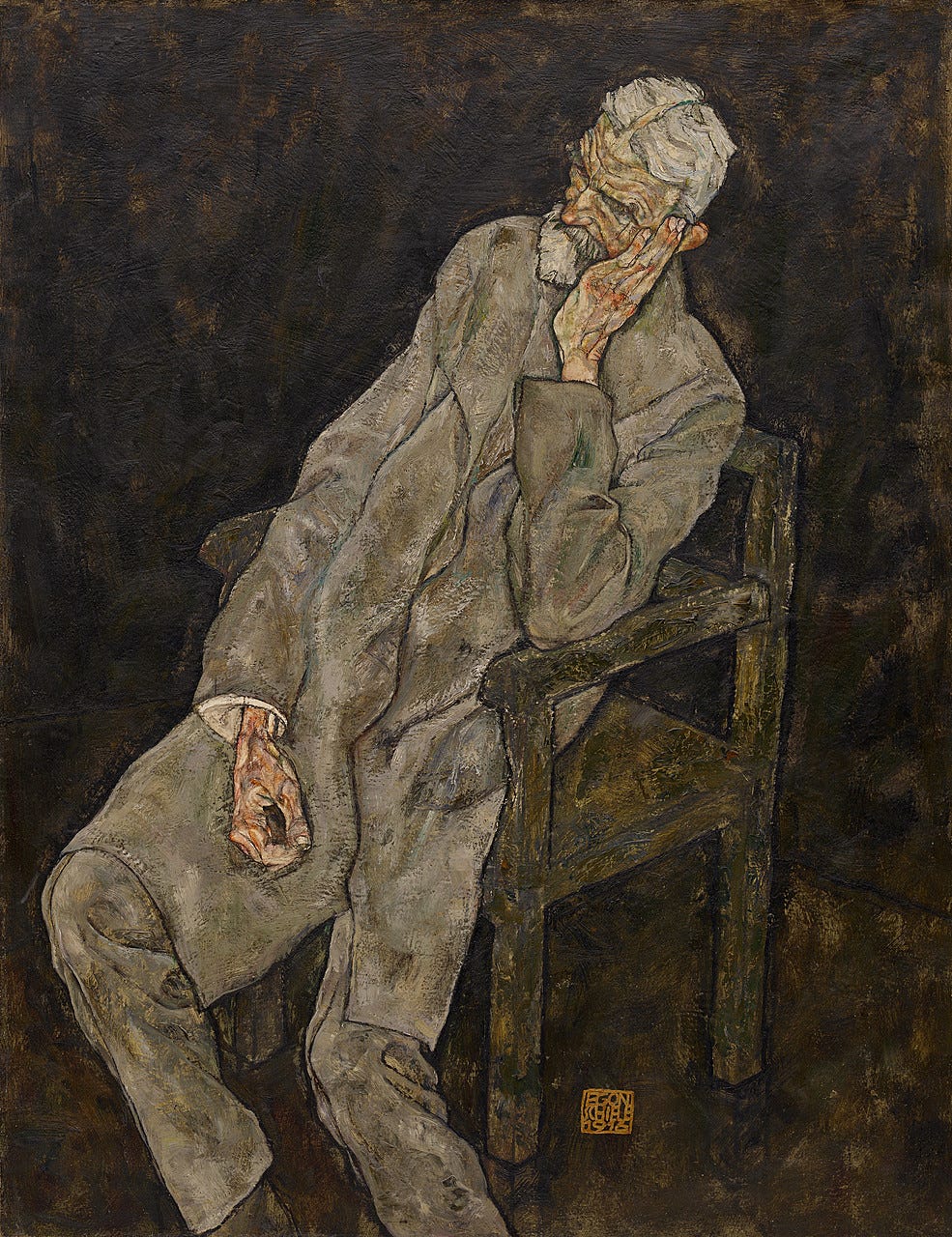
Text within this block will maintain its original spacing when published
AGING
Randall Jarrell
I wake, but before I know it it is done,
The day, I sleep. . . . And of days like these the years,
A life are made.  I nod, consenting to my life,
- But who can live in these quick-passing hours?
I need to find again, to make a life,
A child’s Sunday afternoon, the Pleasure Drive,
Where everything went by but time – the Study Hour
Spent at a desk with folded hands, in waiting.
In those I could make.  Did I not make in them
Myself? the Grown One whose time shortens,
Breath quickens, heart beats faster, till at last
It catches, skips?  Yet those hours that seemed, were endless
Were still not long enough to have remade
My childish heart: the heart that must have, always,
To make anything of anything, not time,
Not time but –
      but alas! eternity.
Sin posts
Comments
Nothing yet. Say the first thing.
Sign in to join the conversation.