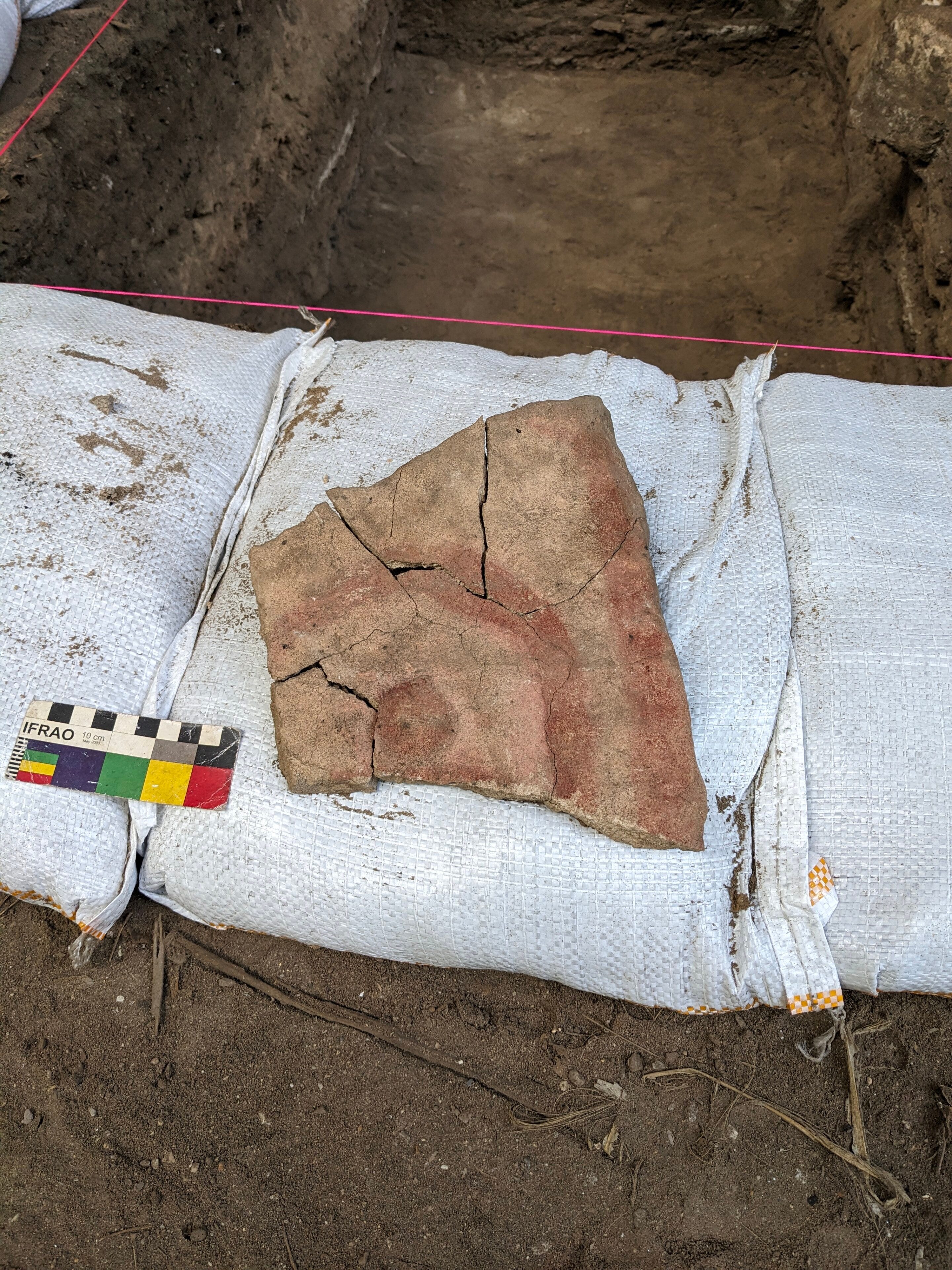
A Painted Stone Reached Wetar Island Before Pottery Did
What a small red plaque from a cave in eastern Indonesia says about what Austronesian voyagers actually carried across the Pacific.

A newsletter about anthropology.
Overdue Last read · last published · next check
Last read 17 hours ago, longer than this feed's 4 hours schedule.
What a small red plaque from a cave in eastern Indonesia says about what Austronesian voyagers actually carried across the Pacific.
A genomic study of 42 ancient hunter-gatherers traces cold-survival genes back to an isolated Ice Age population, and finds a “ghost population” in Hokkaido that vanished from the record
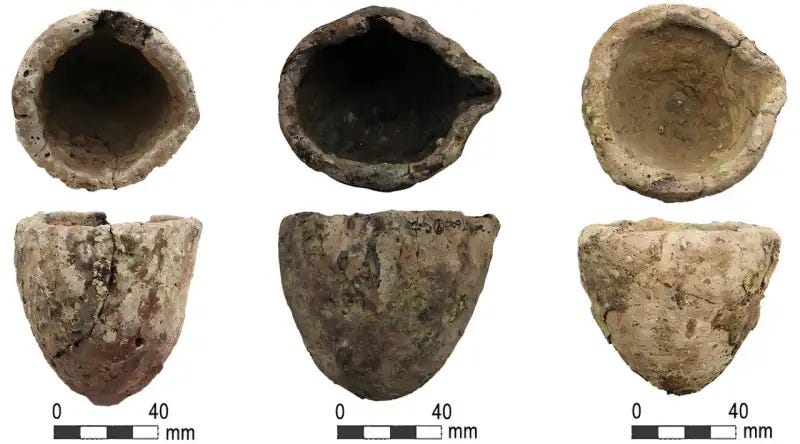
Crucibles from a government workshop in Guangzhou push the archaeological record of Chinese brass-making back six centuries, and point toward the sea rather than the Silk Road
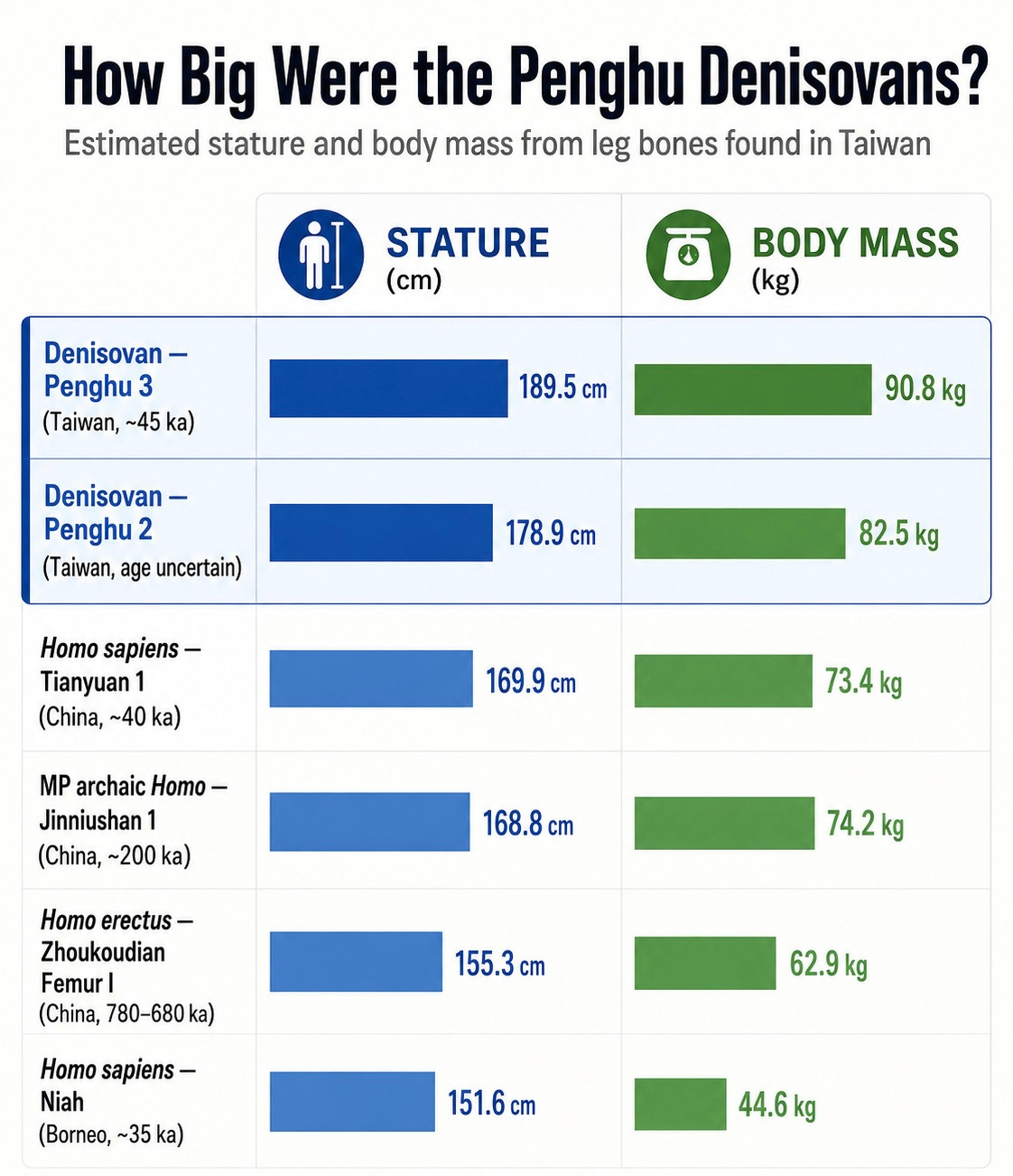
Proteins extracted from a femur and tibia dredged from the Taiwan Strait indicate that at least one regional Denisovan population grew unusually large, and nobody is quite sure why.
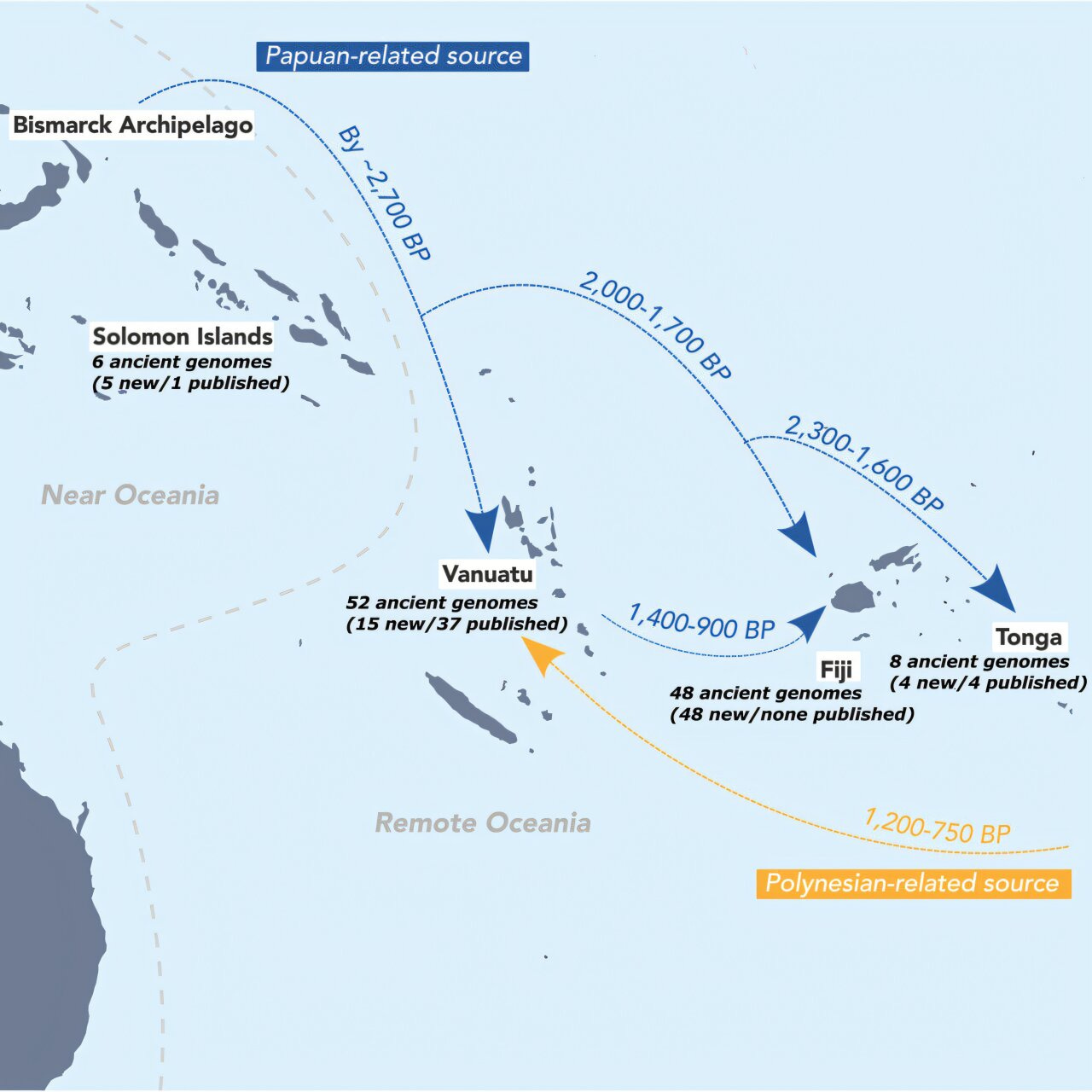
A three-thousand-year genomic record from Fiji, Vanuatu, and Tonga shows how later arrivals, not the first settlers, built the region’s deep cultural diversity.
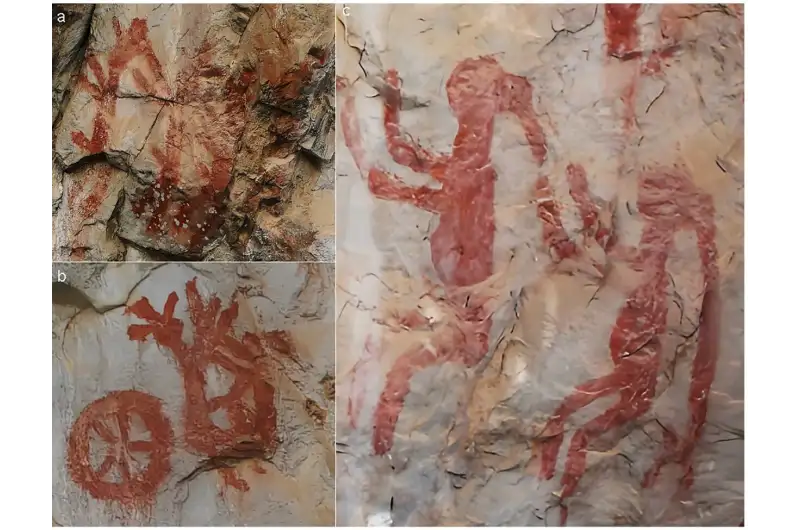
How a matriarchal society in Bronze Age China may have used blood to fuse red pigment to limestone cliffs for two thousand years
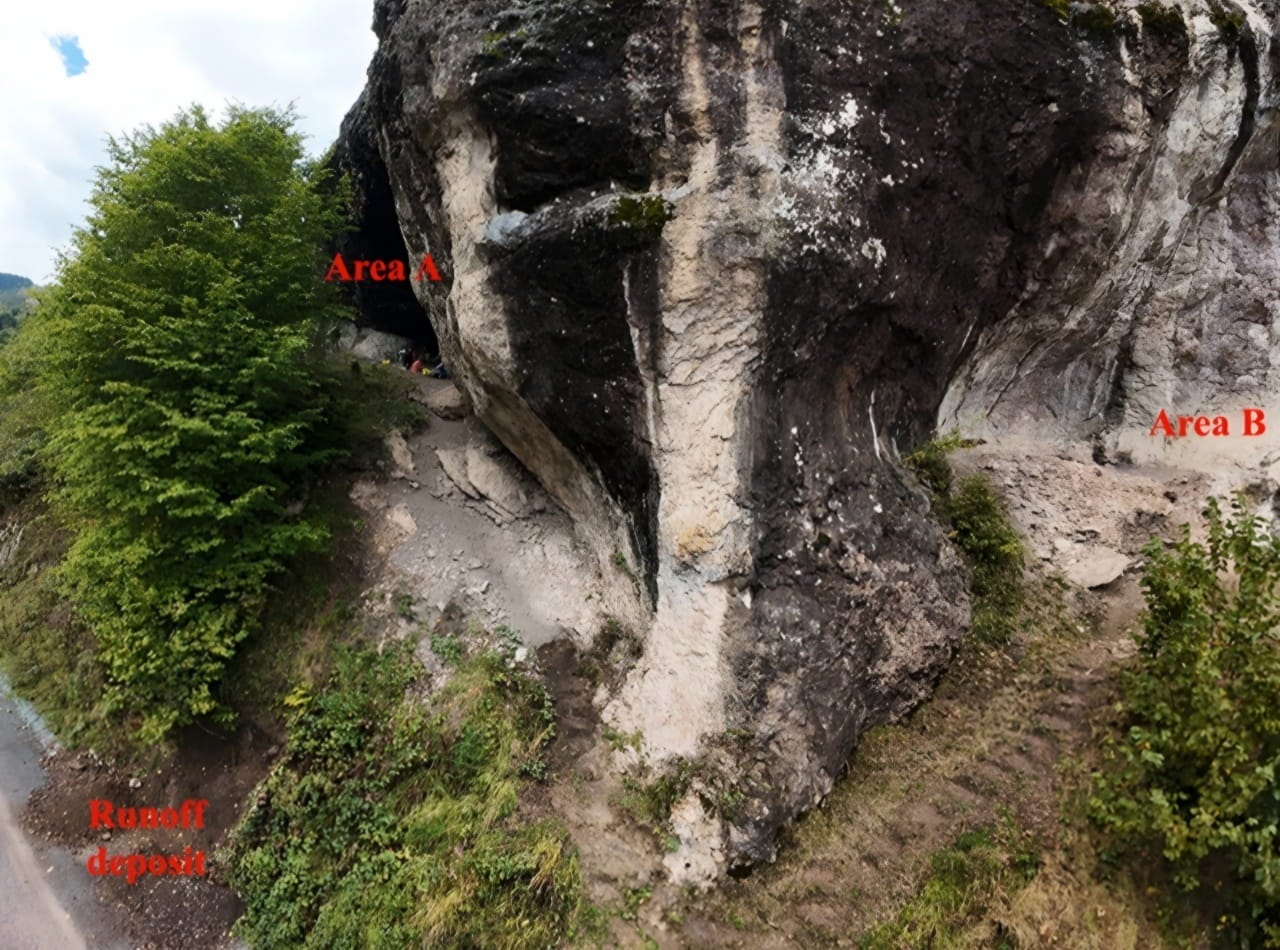
What a single trench in Türkiye’s eastern Black Sea region reveals about a gap in the map of Ice Age hunter-gatherers
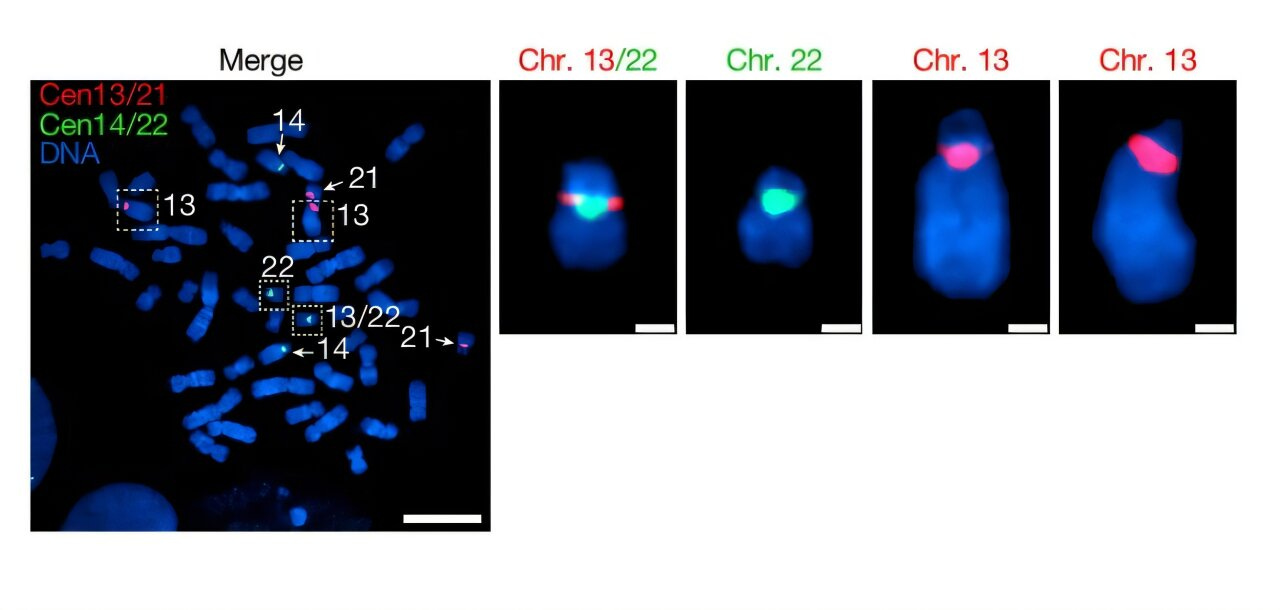
A global study of 2,110 centromeres reveals rapid mutation hotspots, inherited "three-headed" chromosomes, and ancient DNA surviving over 40,000 generations.
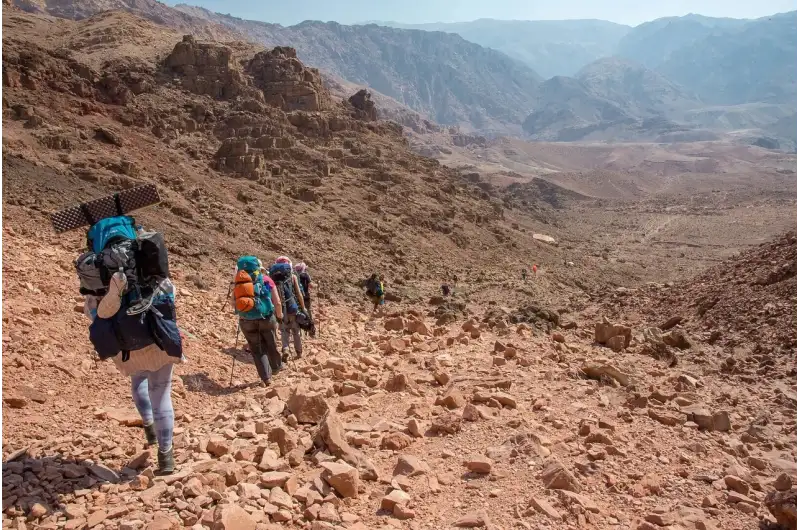
New isotope evidence from Jordan suggests the earliest “domestic-sized” barley wasn’t bred that way. It just grew somewhere wetter.
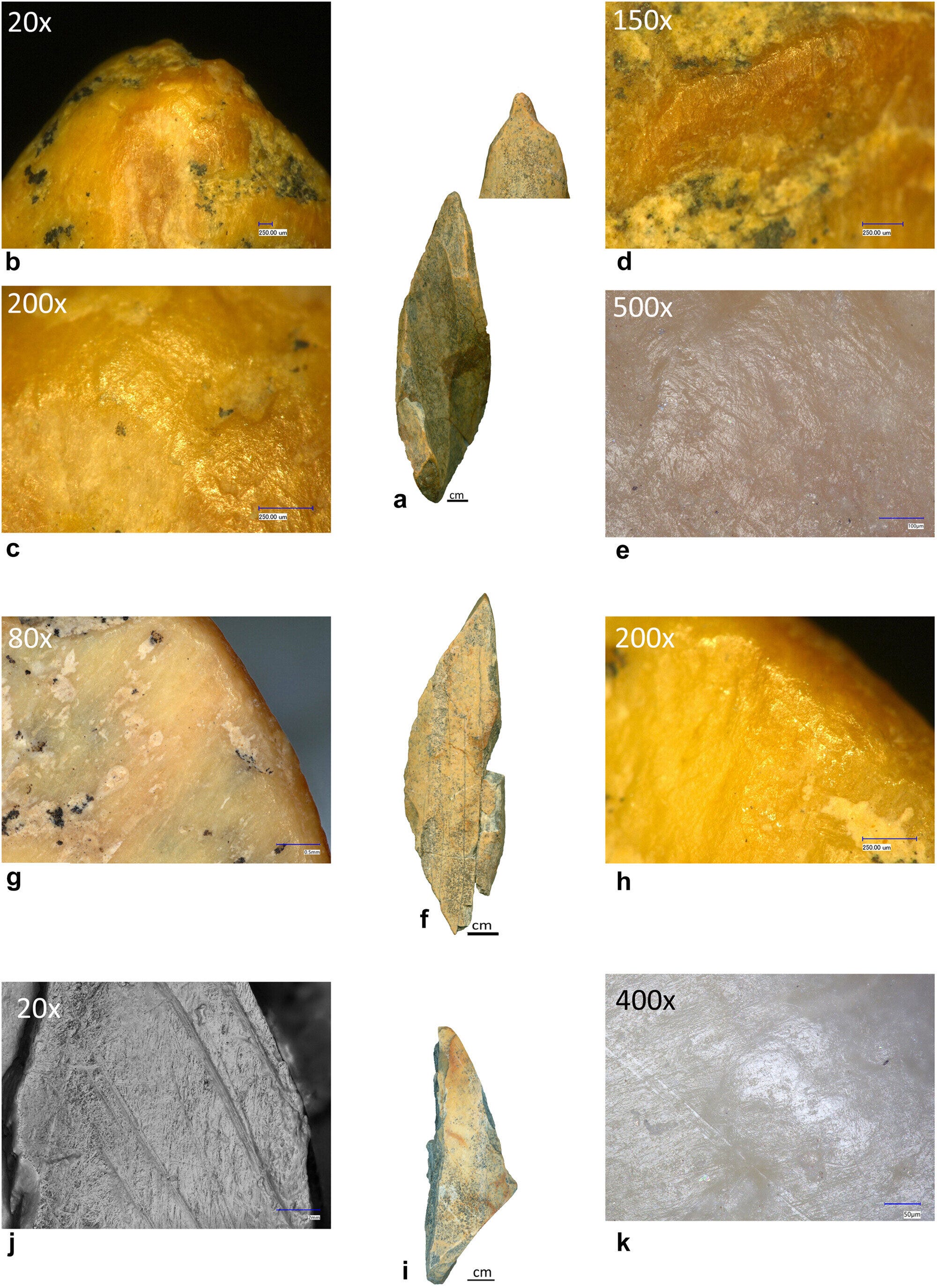
A new analysis of over 10,000 bone fragments from the Eastern Carpathians finally closes a geographic gap in the record of Neanderthal bone tool use
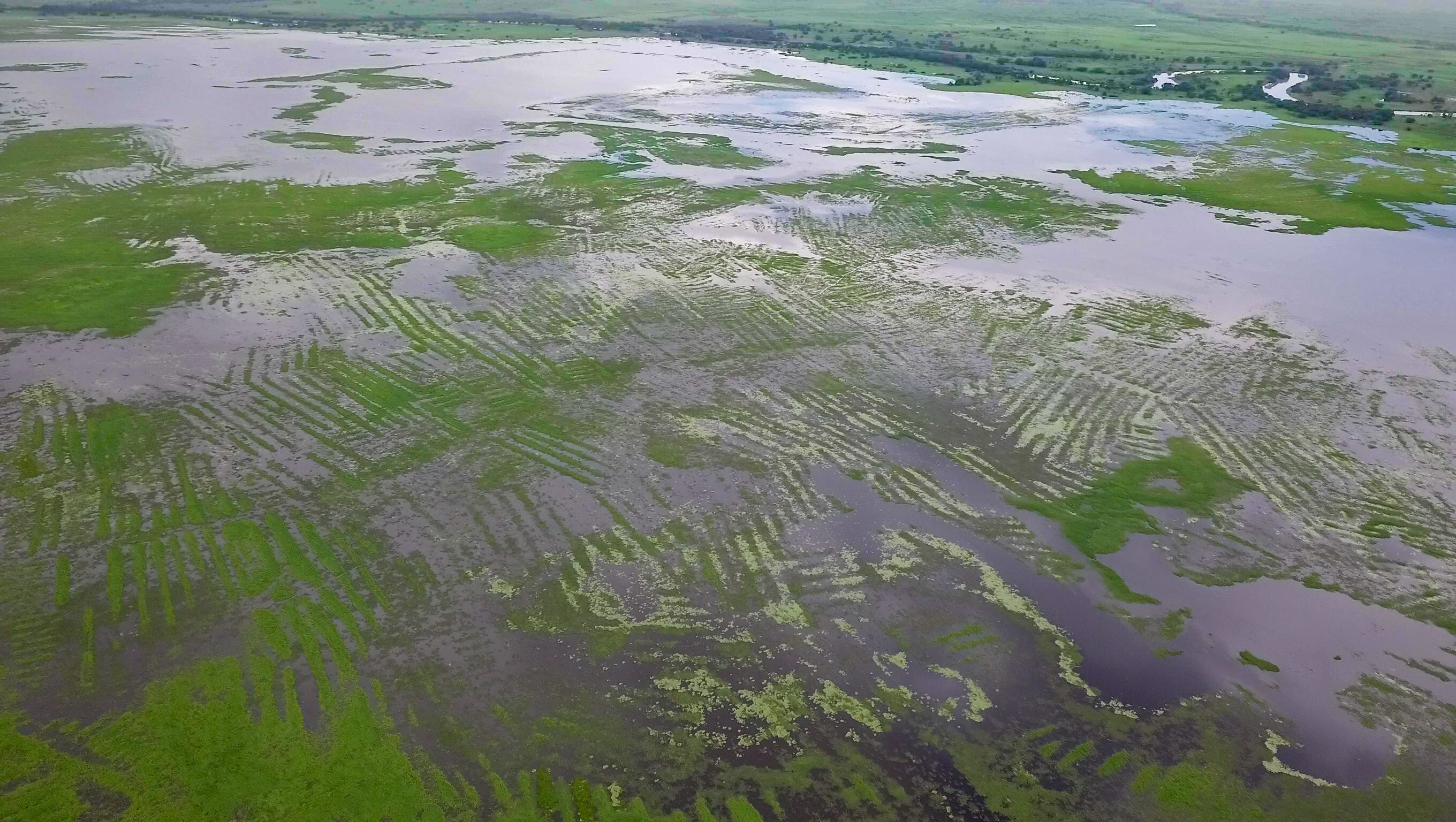
What a 500-hectare stretch of Colombian wetland just taught archaeologists about power, planning, and who actually builds big things
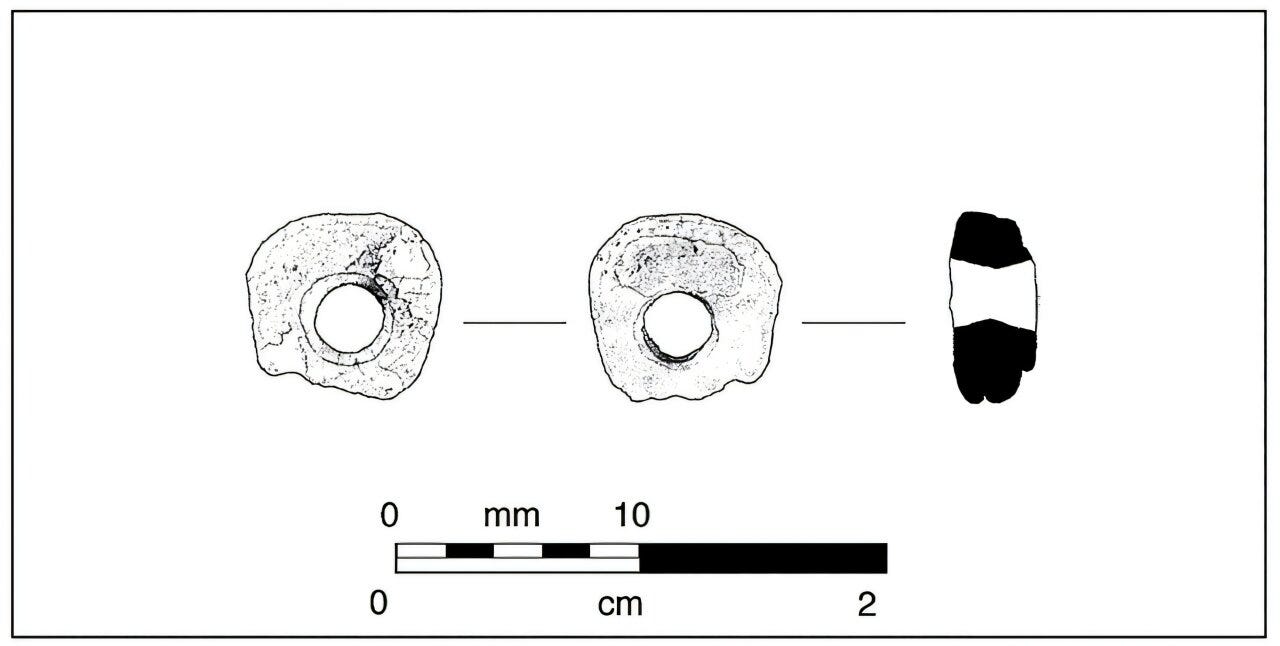
An 8,500-year-old Monterey ornament reveals coastal luxury goods reached inland trade routes 5,000 years earlier than known.
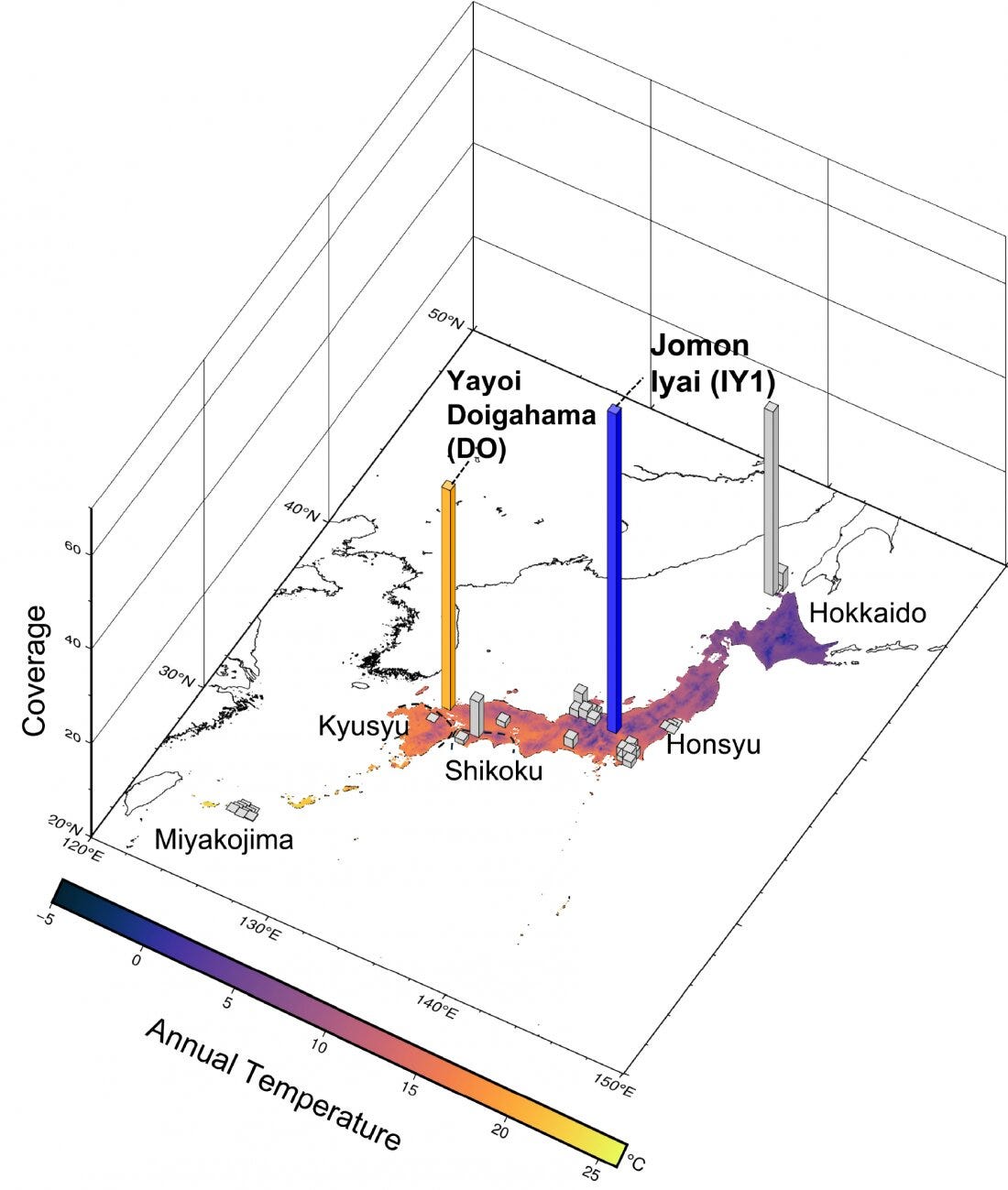
High-coverage ancient DNA from two skeletons buried five thousand years apart shows Japan's deepest dietary adaptations predate agriculture entirely
A new modeling study suggests glucose from fruit and honey, not protein from meat, was the real fuel behind four million years of human brain evolution.
A Neanderthal-derived receptor variant makes cells grow faster, and some people alive today are still carrying it around
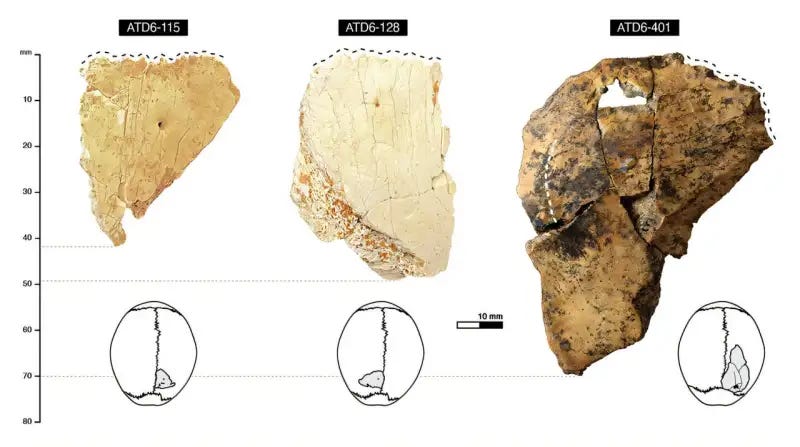
Three parietal fragments from Gran Dolina just gave Homo antecessor its first adult cranial profile, and the layers inside its skull look surprisingly familiar
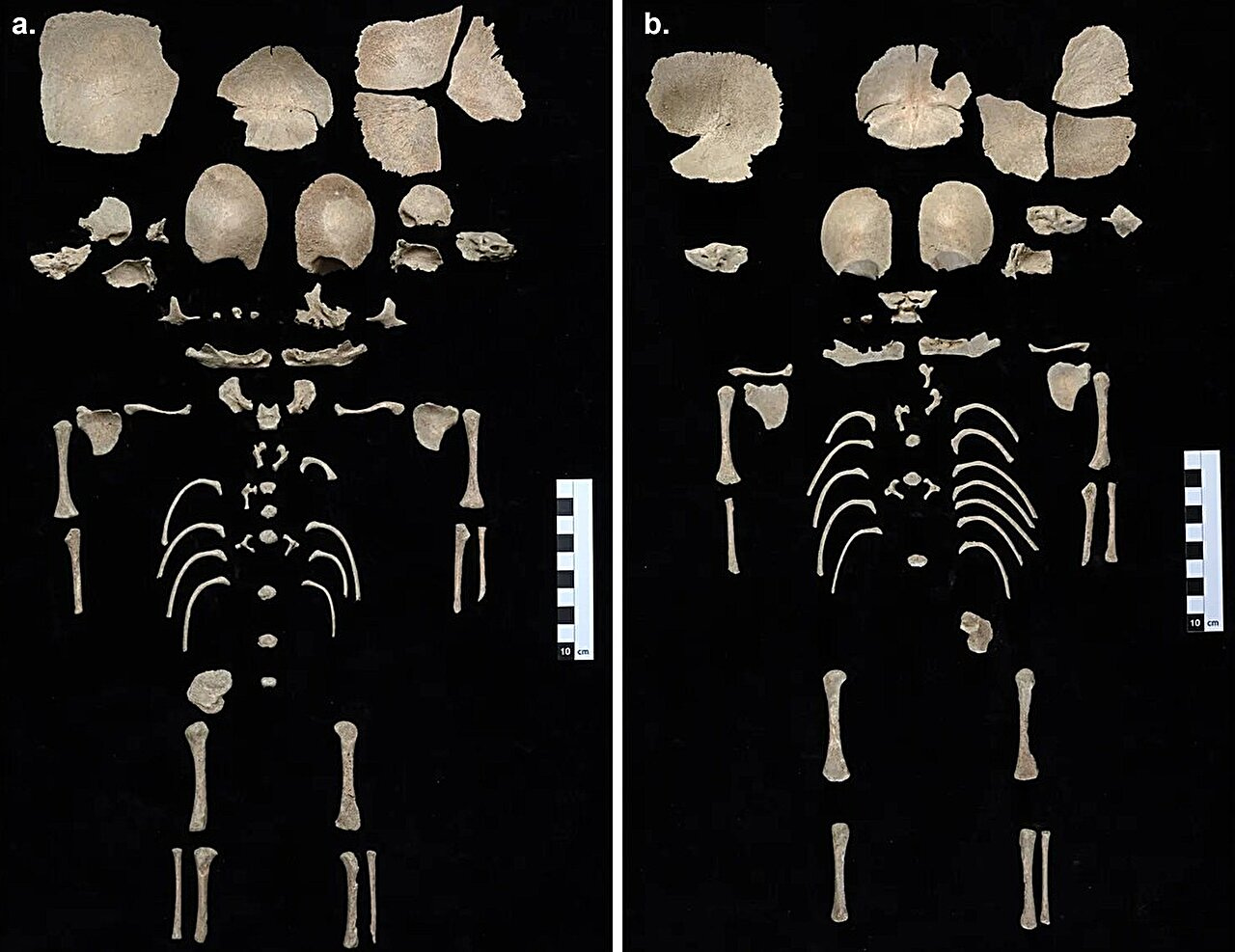
A grave built inside an abandoned Roman latrine turns out to be one of the gentlest funerary arrangements archaeologists have found from the period.
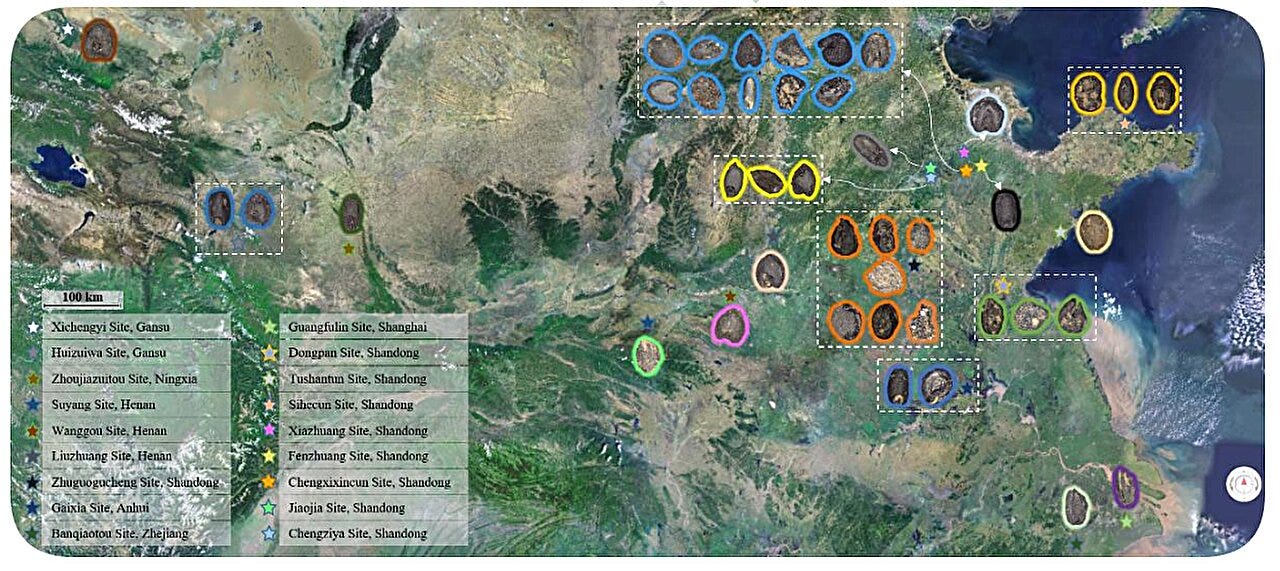
An AI system trained on 8,340 charred seed images now does in seconds what took archaeobotanists years to learn
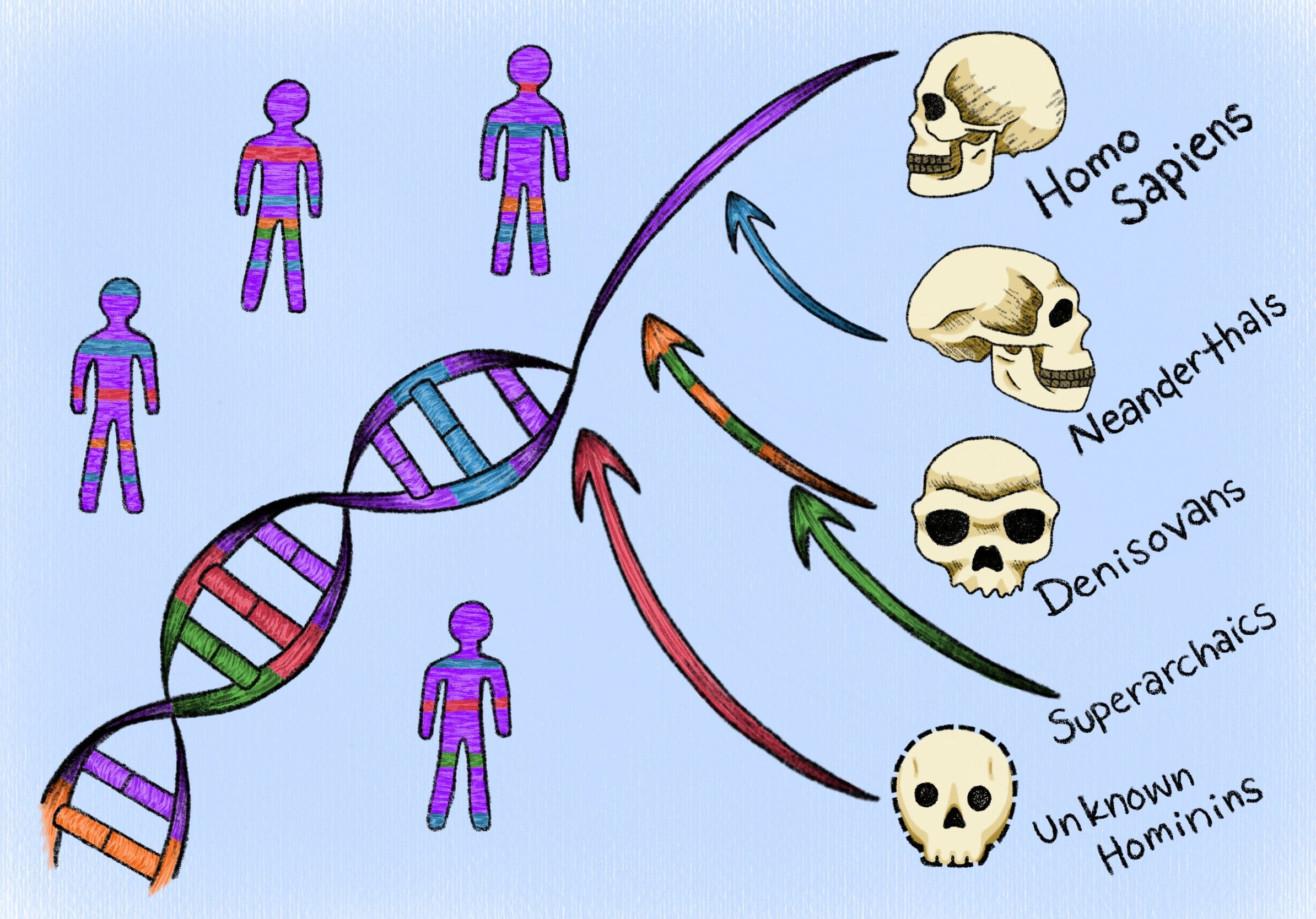
How a new method for reading DNA’s family tree found evidence of ancient human relatives who left no bones behind
A now-extinct viral lineage, recovered from a mummified Inca-colonial community, gives colonization-era disease history its first direct molecular anchor