
Last week I spent a full day running a workshop with a digital innovation team inside a company.
It was a full-day experience - part team learning, part experimentation, part play.
I’d like to share some interesting insights that emerged and help you rethink about learning.
Most people arrived with no idea how to even begin.
At the start of the day more than half the group weren’t really confident that they could learn to either.
But by the end of the day, to everyone’s great surprise, most of them could keep three balls moving!
But that was never the point.
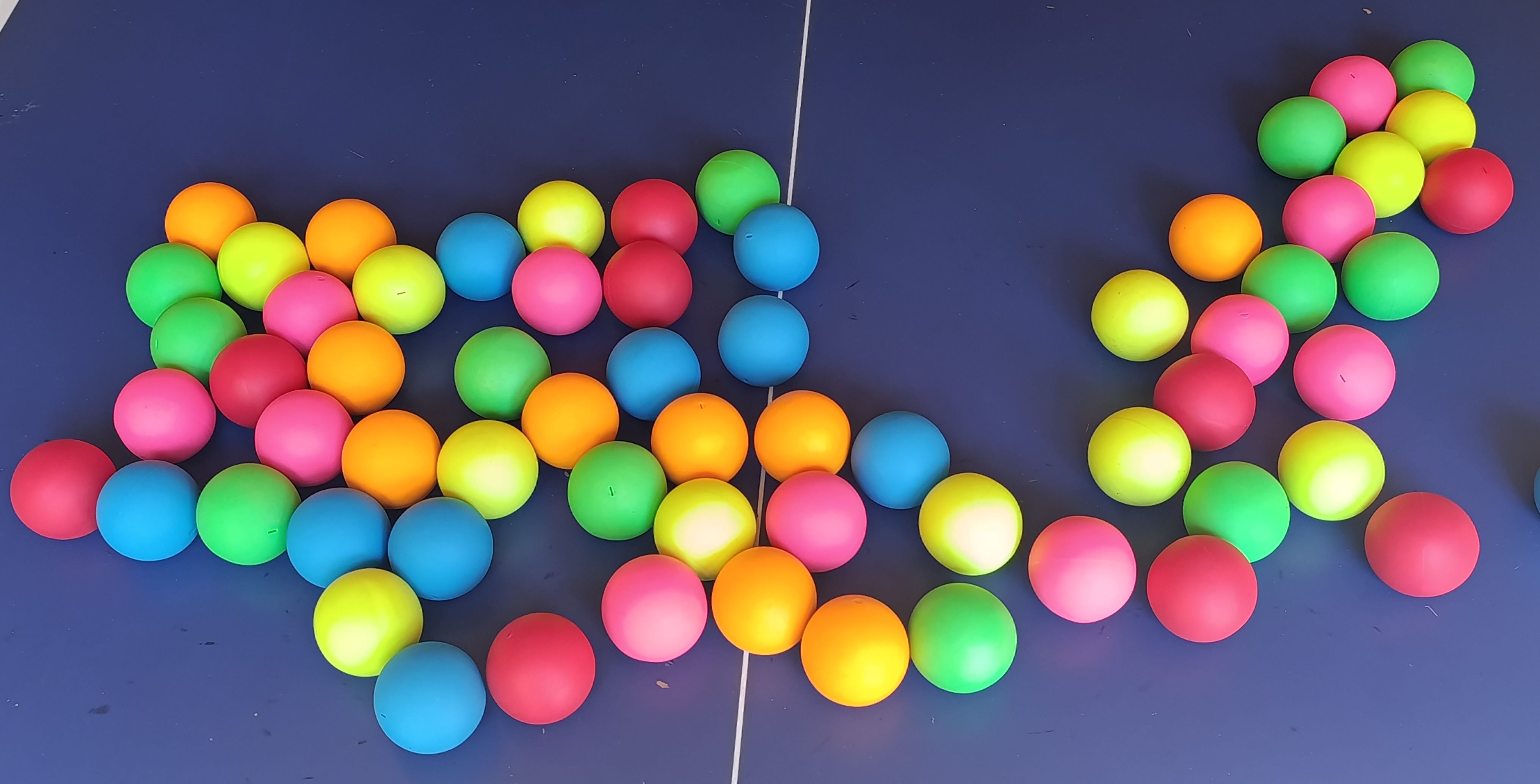
I wasn’t actually interested in whether people learned to juggle - though I was pretty sure they would.
I was interested in what juggling might reveal about how we learn itself.
Juggling is often seen as a skill. As something impossible for mere mortals.
But in this context, it became something else.
It became an environment for experiencing what learning feels like when:
you are slightly out of control
you are fully present
you cannot overthink
you must respond in real time
It is physical, immediate, and unforgiving in a very simple way.
You cannot “think” your way into juggling.
You have to enter it.
And then observe yourself inside it.
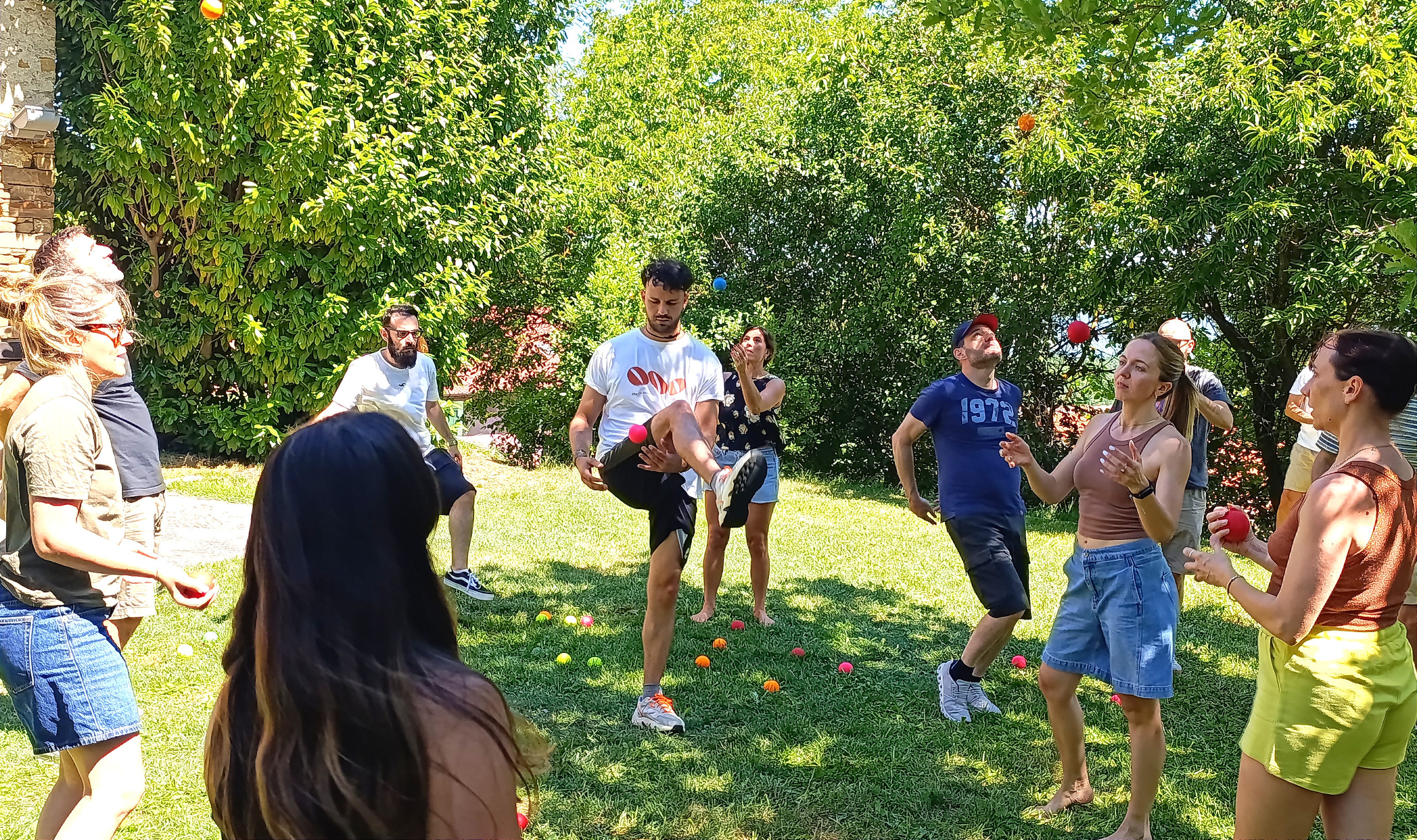
I was quite surprised when I listened back to what participants said afterwards.
Very few people talked about juggling.
They talked about peace.
They talked about:
feeling free to make mistakes
not needing to be perfect
being allowed to experiment
trusting the process
observing themselves while they were learning
In most workplaces learning is still linked to pressure:
get it right
don’t fail too much
be efficient
improve quickly
But what we saw was that when the pressure dropped, learning didn’t slow down.
It deepened.
In your bones you know that, but it’s really hard to create a culture that allows that to happen. That’s part of what I offer.
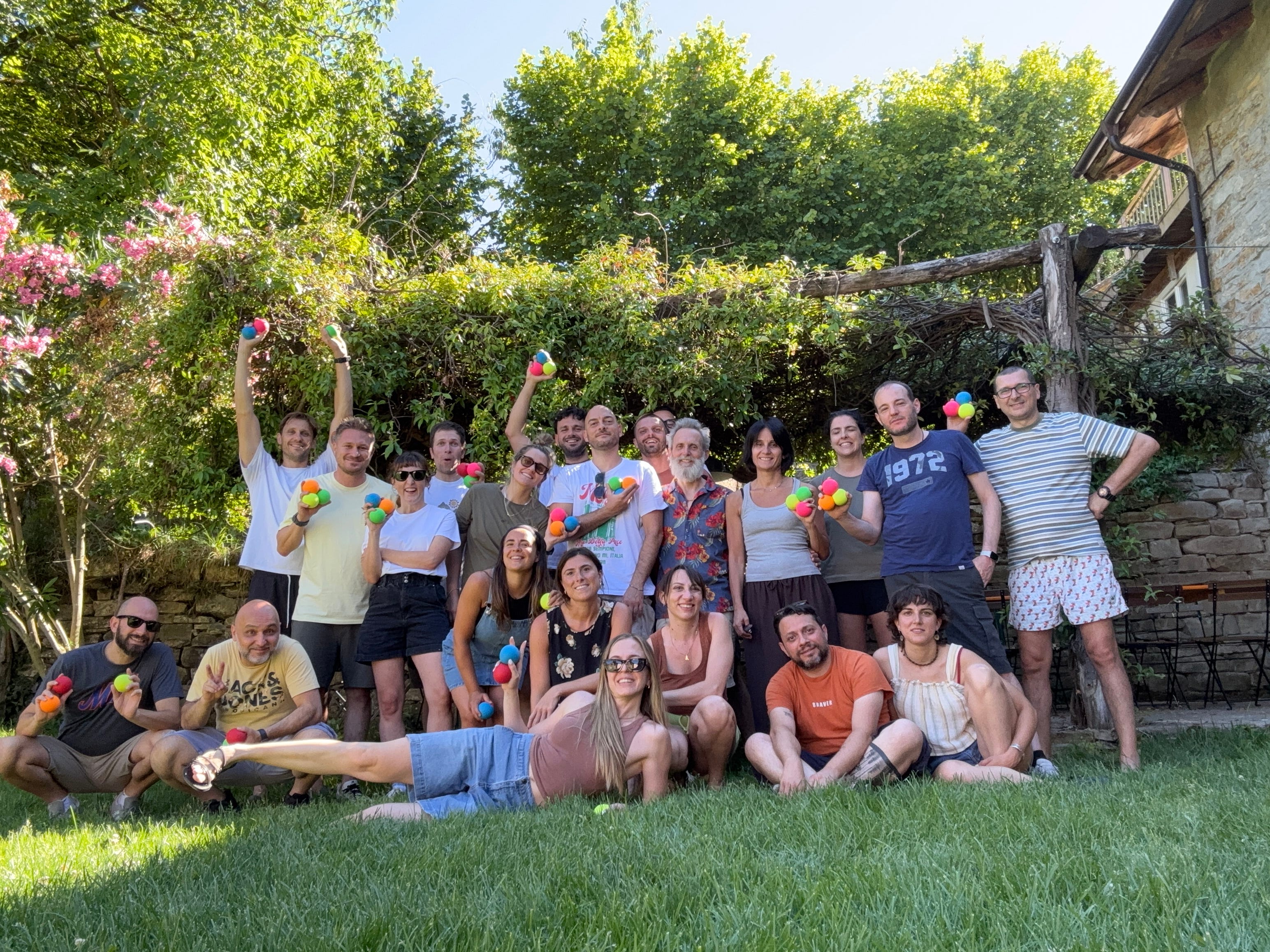
There is a specific moment in learning three-ball juggling that very often rears it’s head.
The first few throws are achievable.
Then, after the third throw, people start to hesitate.
Not because it’s physically impossible - but because the brain suddenly realises:
Three balls, three throws… what now?
There’s no time to think like that.
I saw this clearly with one participant.
I invited her not to stop and think about it as there’s no time to.
When she crossed that threshold and stopped stalling, something shifted not just in her juggling but in her whole presence.
I then invited others who were stuck to go over and learn from her.
Not from me.
From someone who had just been where they were.
That’s what creating a culture of learning is about.
I came in with a different intention: to teach people something about how we learn how to learn.
To create a space where participants can observe themselves learning, to apply it to their work and lives.
I was explicitly asked by the company to bring an experiential, emotional learning process - not a theoretical one.
Most organisations don’t need more intellectual theory.
They are already full of it.
What they lack are learning experiences people actually feel in their bodies - experiences that stay with them long after the slides and frameworks are gone.
Play is not the opposite of seriousness.
It is the climate in which learning becomes possible.
When I use play in these settings, I am not trying to force fun.
I am trying to release people from judgment.
Because when judgment softens, something very simple happens:
learning starts again.
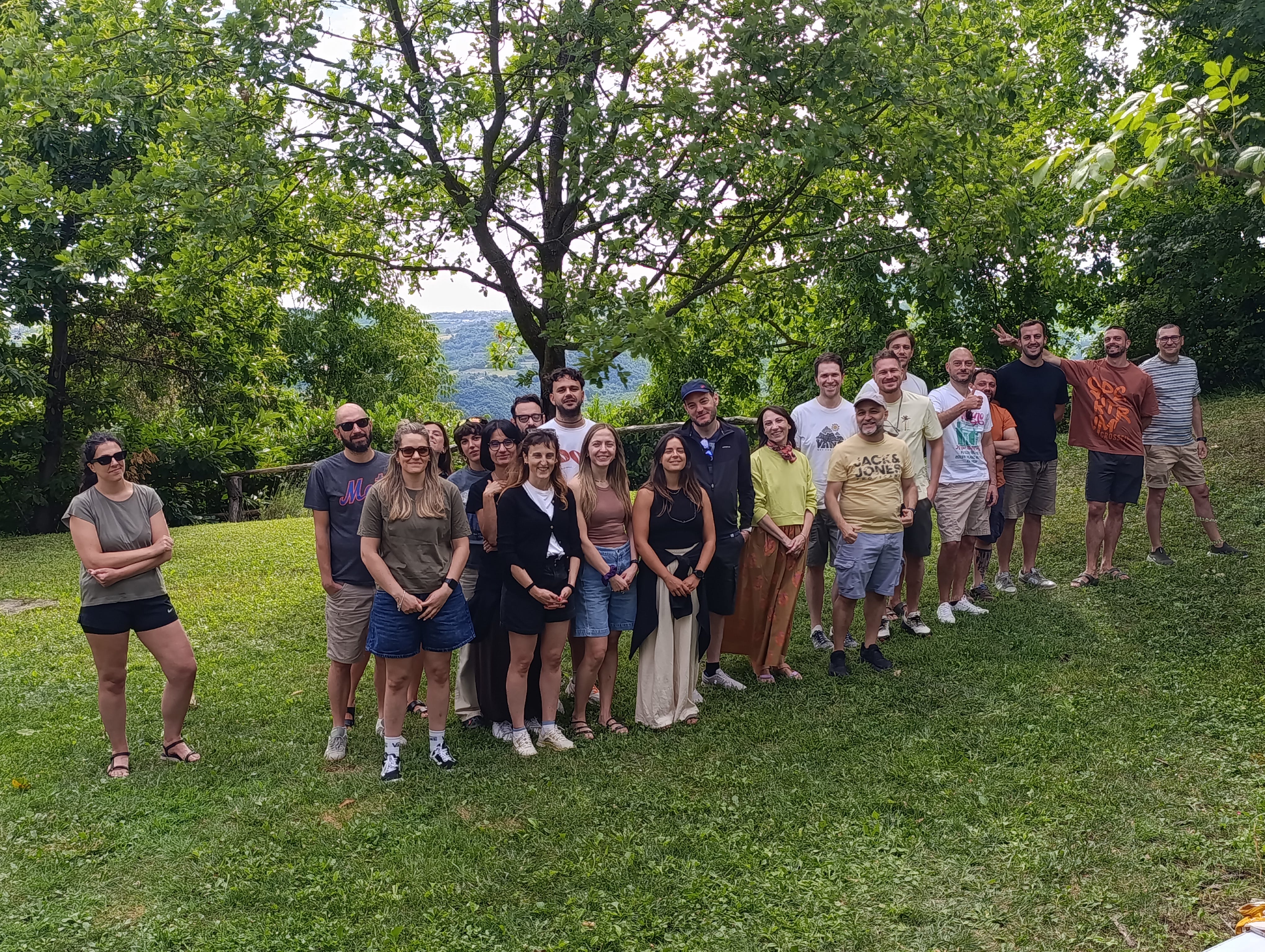
We often think learning is about:
effort
repetition
discipline
method
And all of that is true.
But there’s something missing.
Learning is also about:
safety
curiosity
permission
attention
the willingness to not yet know
In this workshop, I noticed something simple:
People didn’t learn faster because they were pushed harder.
At the end of the day, everyone received three juggling balls to take home.
They can continue practising and share it with their children, their grandchildren, and their colleagues.
They can pass on not just a skill, but an entry point into learning itself.
Because juggling, in a strange way, is also a perfect antidote to the frenzy and fragmentation of our screen-frenzied attention economy.
It brings people back into contact with something immediate, physical, and human.
And it builds confidence in our ability to learn.
I want to thank Marco Mazzucco and Viviana Ghidetti from Davines Group for their trust in bringing this experience into their organisation, and for their openness to doing something different.
It takes courage to step away from familiar formats and allow a team to learn through experience rather than explanation.
If you are part of a team and you are curious about how this kind of experiential learning might support your people, I’d be happy to talk.
Please reach out.
Thanks for reading :)
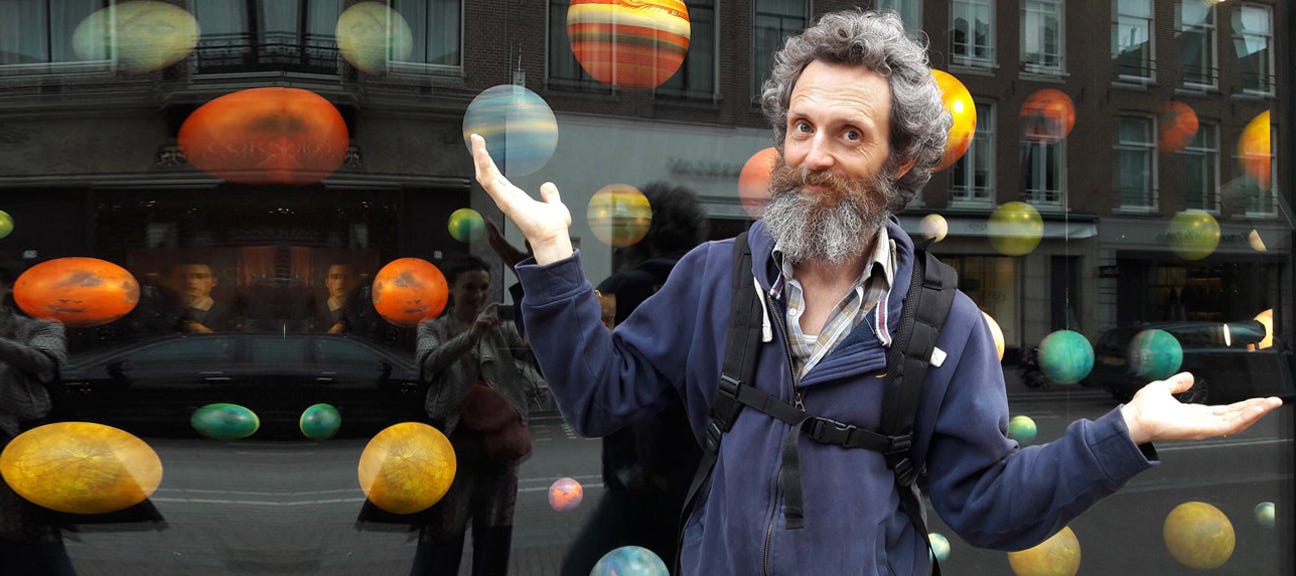
Anthony Trahair.
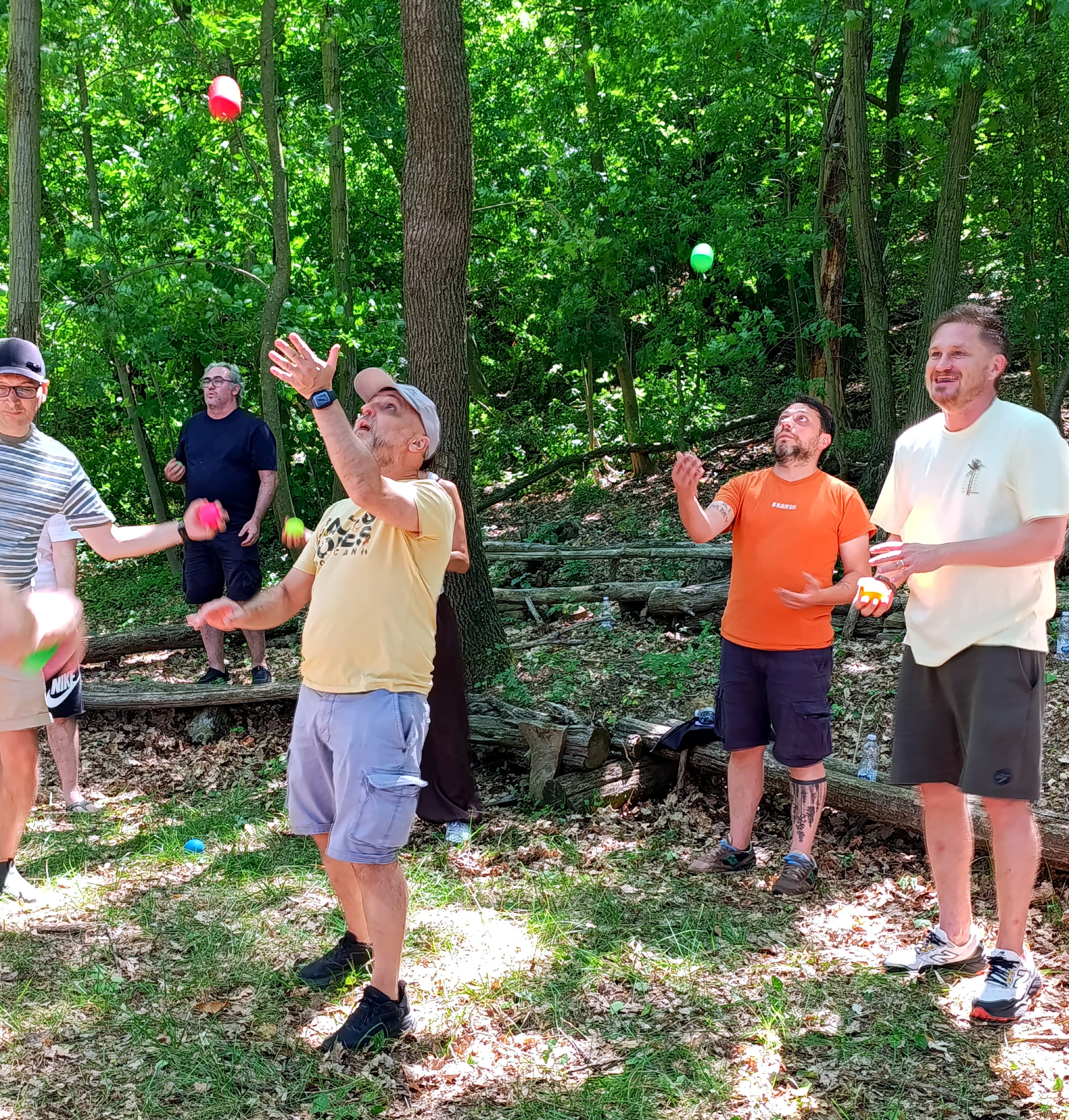
Anthony Trahair has been juggling for over 30 years and has written two books inspired by the lessons juggling can teach us about life.
Pearls of Juggling explores juggling as both an art form and a powerful tool for personal growth.
Meeting Life is the story of a journey of self-discovery in a time before mobile phones and Google Maps.
Both books are available on Amazon.
No posts
Comments
Nothing yet. Say the first thing.
Sign in to join the conversation.