
“20 Days in Mariupol,” “2000 Meters to Andriivka,” “No Other Land,” “American Doctor,” among others—for the last few years, the world’s most powerful, and in many cases, most lauded documentary movies have come out of the brutal wars perpetrated on Ukraine and Gaza. Captivating, urgent, and must-see chronicles of destruction, dehumanization, and perseverance, these are among the films that define our unsettling global moment through intimate stories of people struggling to survive against injustice. Where will the next wave of such stories arise? I’m guessing right here in the United States.
We already started to see it last year with “The Perfect Neighbor” and “The Alabama Solution,” two extraordinarily powerful and searing films about the abject failure of U.S. society. But I think the new wave of documentaries will pale in comparison. And startling atrocities will soon come to light from intrepid filmmakers working right now in North America. I have heard about some, but I trust there are a lot more out there.
The current moment reminds me of what was in the air in the mid-2000s when documentary filmmakers began to dig into the investigative journalistic work done by reporters at the New York Times and The New Yorker, and then make compelling cinematic accounts of what was really happening during America’s military operations in Afghanistan and Iraq, and the overt torture and abuses being committed under the direct orders of then Vice President Dick Cheney.
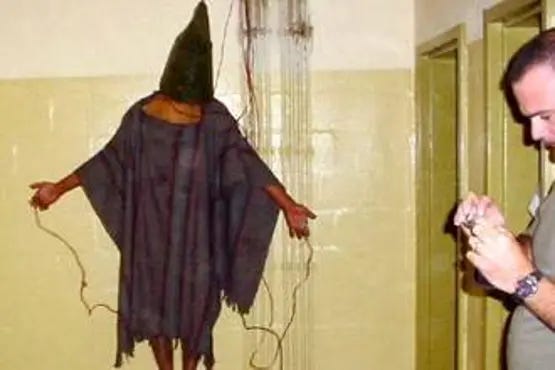
Films such as Petra Epperlein and Michael Tucker’s “The Prisoner or: How I Planned to Kill Tony Blair” (2006), Alex Gibney’s “Taxi to the Dark Side” (2007), Rory Kennedy’s “Ghosts of Abu Ghraib” (2007), and Errol Morris’ “Standard Operating Procedure” (2008), among others, revealed the harrowing truths behind U.S. policies, and the brazenly immoral and malicious ways they were being carried out by the country’s armed and intelligence forces, in ways that were unbearably visceral to ignore.
These days, the human rights abuses and acts of torture, abuse, and murder are being committed in our very our backyards, from Florida to Texas, Georgia to Pennsylvania, and I expect it will take documentary filmmakers to make them similarly palpable as they did 20 years ago.
There is no shortage of eye-opening stories and compelling evidence. The number of deaths in U.S. ICE detention centers (see the official list here) is unprecedented: In September and December of 2025, there were more deaths in those single months—one person dead every few days—than in any single month in the history of such recording.
An Associated Press investigation found that at least 10 detainees have died by suicide since January 2025, seven of which were picked up because of minor infractions, including 27-year-old Brayan Rayo Garzon, 36-year-old Victor Manuel Diaz, and 19-year-old Royer Perez-Jimenez—whose family believes that he didn’t actually take his own life, but was killed. If Netflix is looking for a true-crime doc of dirty coverups and political intrigue, maybe they can solve the murder of teenager Royer Perez-Jimenez.
There’s also the story of Mohammad Nazeer Paktiawal, a 41-year-old from Afghanistan who fought alongside U.S. forces, entered the U.S. legally under humanitarian parole, and was arrested for alleged “SNAP fraud” (though no charges were ever filed) and he died in ICE custody in March.
2026 is on track to be the deadliest year ever in ICE detention centers with 18 official recorded deaths so far. Actual casualty figures could be much higher. Just a week ago, ICE declared it will no longer report deaths of detainees who have recently been let go to avoid accountability for releasing severely ill people from custody. A few days ago, for instance, the death of Daphy Michel, a 31-year-old Haitian woman who died three days after being released from ICE detention in February, was ruled a homicide.
Cases of domestic abuse and torture have also been rampant. According to an investigation launched by Senator Jon Ossoff, there have been over 1,000 credible reports of human rights violations in ICE detection centers, from accounts of violent assaults and sexual abuse at Ford Bliss in Texas to detainees being denied insulin, asthma medication, and life-sustaining medication, and given food contaminated by rat feces.
Speaking about a recent Amnesty International report on torture and disappearances at “Alligator Alcatraz” and Krome North Service Processing Center in Florida, Ana Piquer, Amnesty International’s Regional Director for the Americas, said, “These findings confirm a deliberate system built to punish, dehumanize, and hide the suffering of people in detention… What we are seeing in Florida should alarm the entire region.”
Honestly, I don’t expect anyone to be alarmed by reports and investigations. But I do have some faith that a new wave of films and documentaries can grab the viewer and raise the alarm, forcing Americans to confront these stories through the power of visual and narrative storytelling.
Comments
Nothing yet. Say the first thing.
Sign in to join the conversation.