
When I travelled to Ireland this summer to help my wife Teresa with her annual English programme for Spanish young people, I decided to use the opportunity to satisfy a curiosity that had been growing for some time.
Was there a genuine wine culture in Ireland?
We specialise in taking thoughtfully sized groups to Spain’s wine regions, so I was curious to see whether there was an audience in Ireland that shared our passion for wine, food and travel.
The plan seemed straightforward enough.
Visit a few wine bars.
Meet some wine merchants.
Talk to people in the trade.
Get a feel for Ireland’s interest in wine.
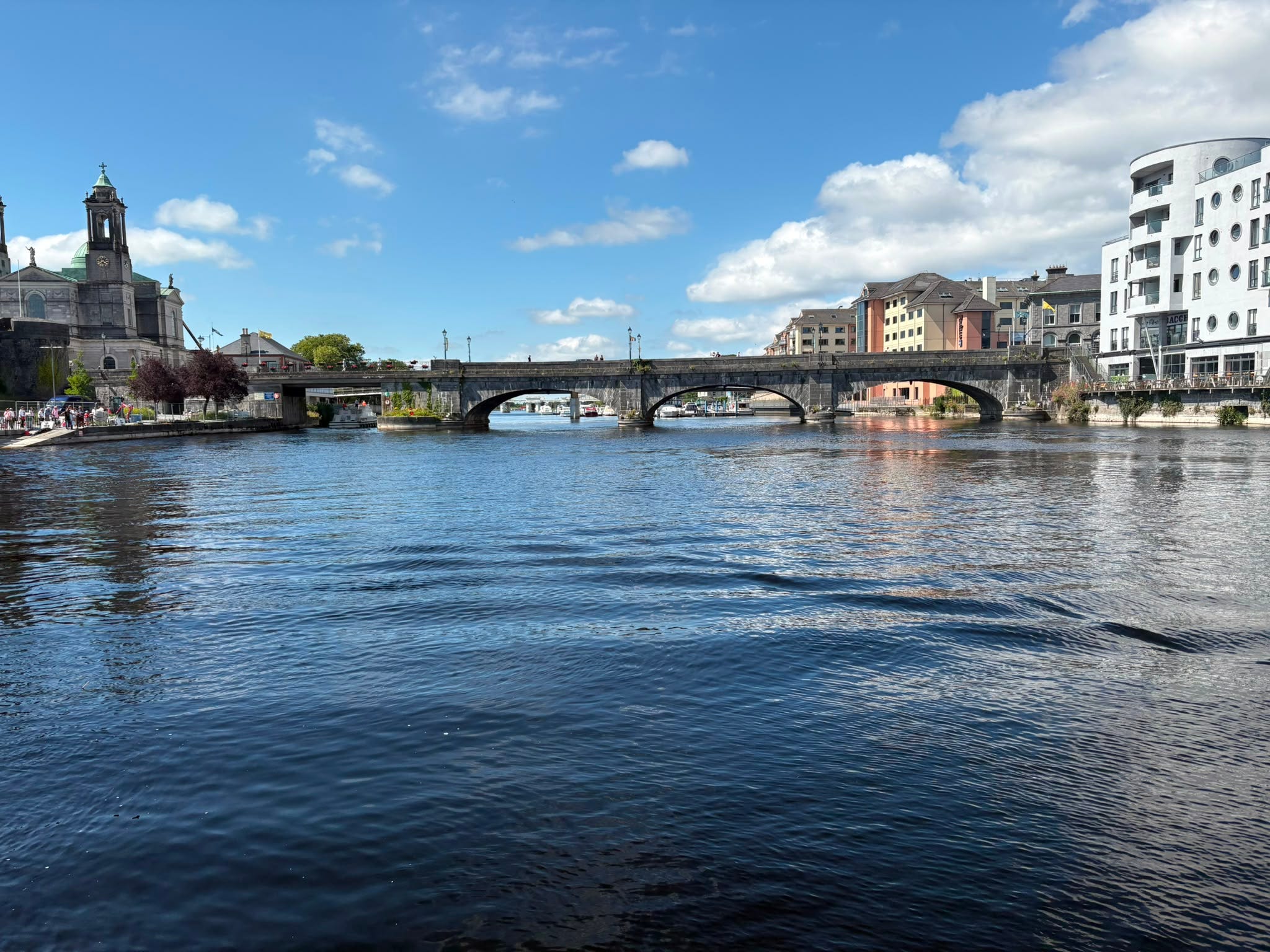
What I didn’t expect was to discover that Ireland’s relationship with wine stretches back almost a thousand years.
Our base was Athlone, in the heart of Ireland. Like many visitors, I’d always thought of it as a convenient place to stop between Dublin and Galway.
Then I noticed a hotel with an unusual name.
Wineport Lodge.
Its name immediately caught my attention.
Why “Wineport”?
Ireland isn’t exactly famous for wine, so why would a hotel in the middle of the country carry a name like that?
I assumed it was simply clever marketing.
It wasn’t.
The name comes from the old Irish Poirt an Fhíona—literally “Wine Port.” According to local tradition, monks from nearby Hare Island regularly landed wine from France there many centuries ago, and the name endured.
That single discovery sent me down a fascinating rabbit hole.
Before long I was reading about the River Shannon, Ireland’s greatest inland waterway, and how it had served as one of the country’s principal trade routes for centuries. Long before Ireland had railways or motorways, the Shannon was one of the country’s great commercial highways. Goods travelled inland by boat, connecting Atlantic ports with settlements deep in the Irish midlands.
Among those goods was wine.
Nearby stood Clonmacnoise, one of Ireland’s greatest early Christian monasteries. Founded in the sixth century, it became an important centre of learning, scholarship and pilgrimage with connections across Europe. Wine was essential for the celebration of Mass, while visiting pilgrims and travelling churchmen brought ideas, influence and trade from the continent.
Suddenly it became obvious that Ireland’s connection with wine wasn’t a modern phenomenon at all.
It had remarkably deep historical roots.
As my research continued, so did my journey.
Galway has always been one of my favourite Irish cities, but this time I found myself looking at it through different eyes.
Rather than simply enjoying the atmosphere, I began asking questions.
Who built this city?
Who traded here?
Why were there so many references to Spain?
The answers led me to the famous Fourteen Tribes of Galway, the powerful merchant families who dominated the city for centuries. Among them were names that immediately caught my attention, including the Lynch family—one that wine lovers instantly recognise from some of Bordeaux’s most famous châteaux.
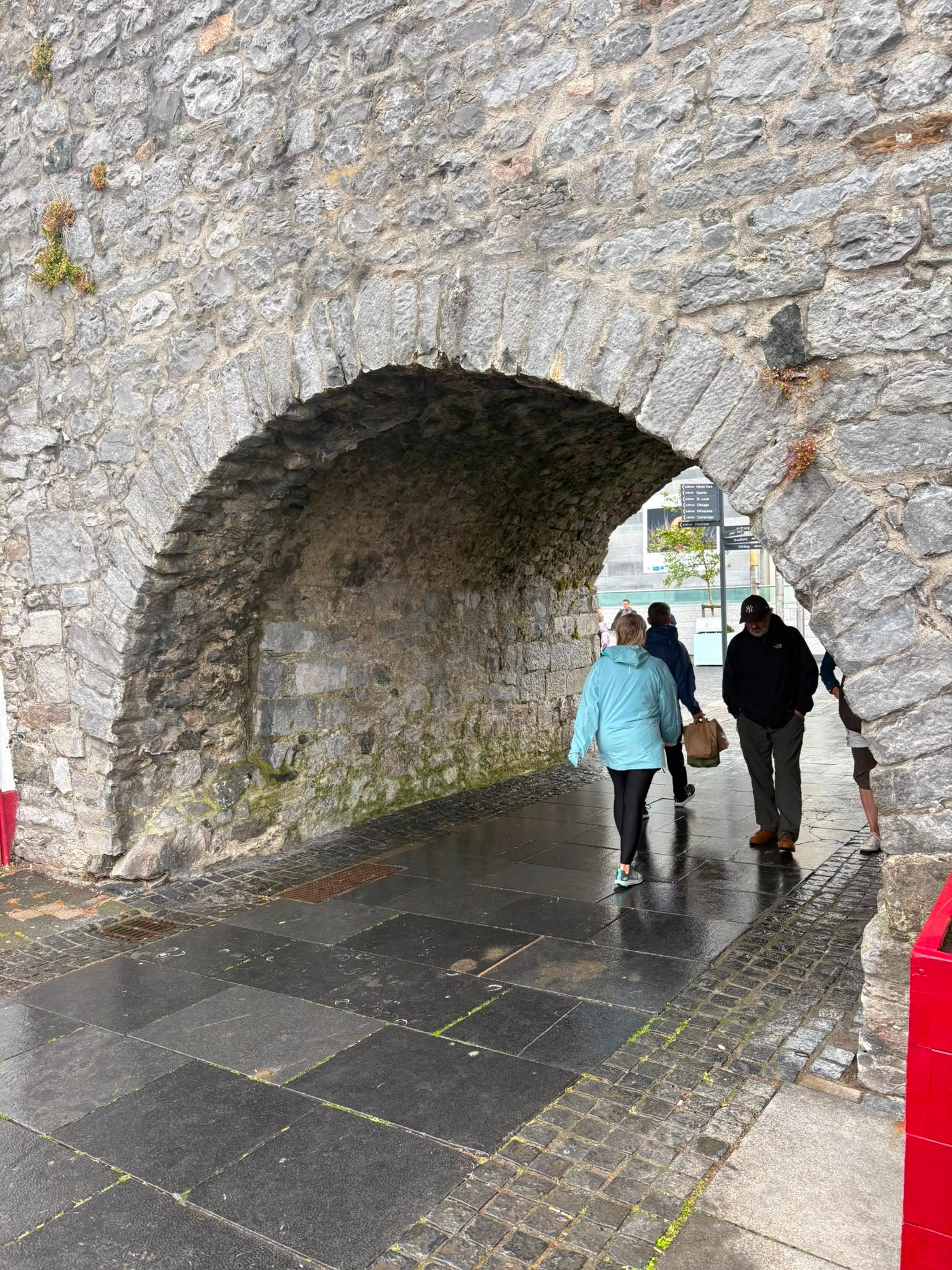
Walking through the Latin Quarter, beneath the Spanish Arch and along streets once filled with merchants, I began to appreciate just how connected Galway had been to continental Europe.
Ships crossed the Bay of Biscay carrying not only wine, but also salt, cloth, spices, ideas and prosperity between Ireland, Spain, France and Portugal.
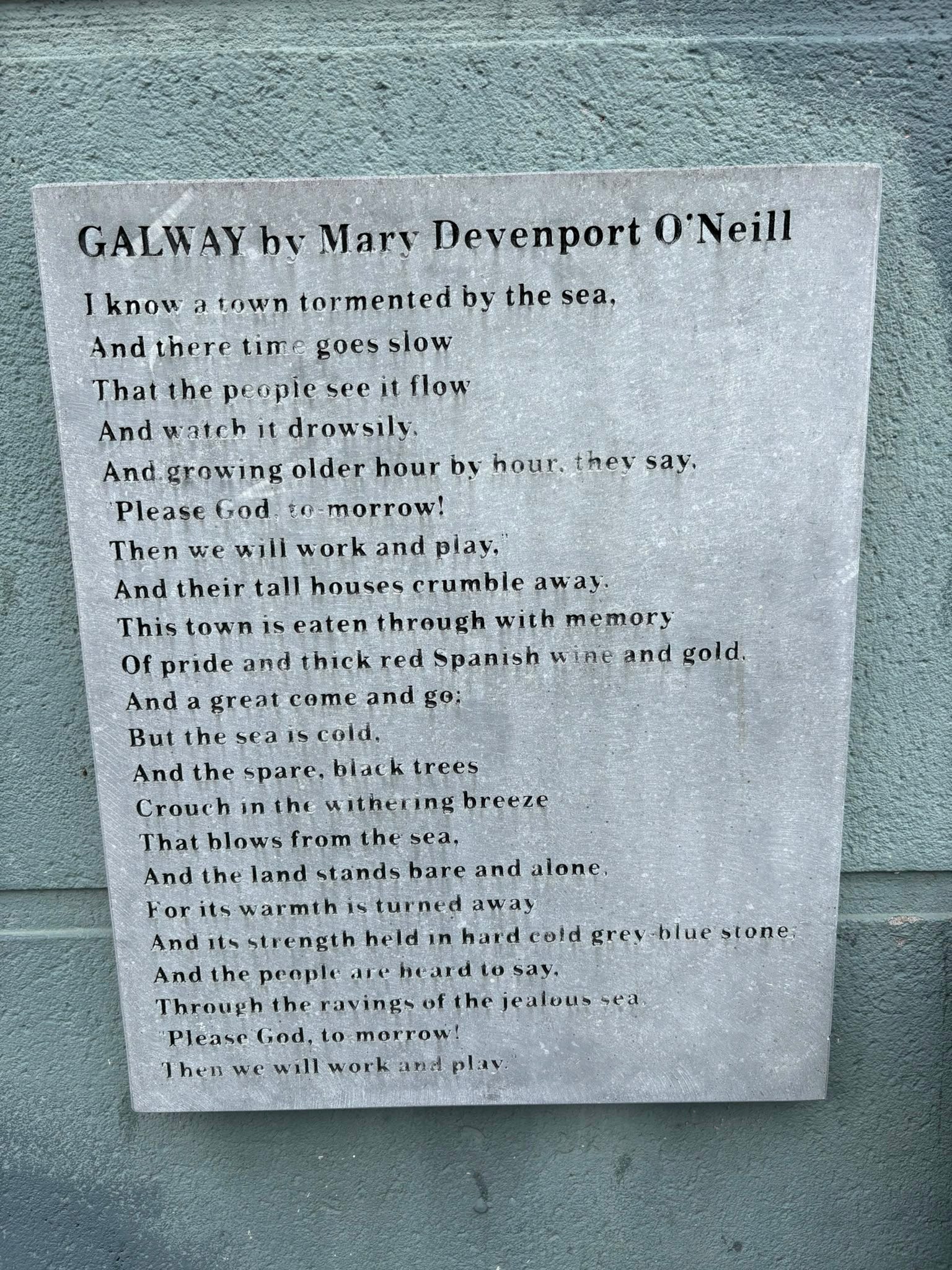
Standing beneath the Spanish Arch, I found myself reading one of the poems displayed nearby. It spoke of Spanish ships, Spanish gold and wine—reminders of a time when Galway looked confidently towards continental Europe rather than across the Irish Sea.
I stood there for several minutes, reading it again before taking a photograph. At the time I wasn’t entirely sure why it resonated so strongly. Looking back now, I think it was because all the pieces of the puzzle were slowly beginning to fit together.
The River Shannon.
Clonmacnoise.
The merchant families.
Spain.
Wine.
Individually they were interesting stories.
Together they revealed a side of Ireland’s history I had never really considered before.
Local tradition even suggests that Christopher Columbus visited Galway before sailing west across the Atlantic. Whether entirely true or not, the story itself reflects just how outward-looking and internationally connected medieval Galway had become.
Perhaps Ireland had never been isolated at all.
Perhaps the Atlantic had been less of a barrier and more of a bridge.
My search eventually took me to Kinsale.
I’d gone there hoping to explore its modern wine scene, and I wasn’t disappointed. The town boasts excellent wine bars, knowledgeable merchants and a genuine appreciation for good food and wine.
But once again...
History had other ideas.
Like many people, I’d heard of the Battle of Kinsale, fought in 1601, but I had never fully appreciated its significance.
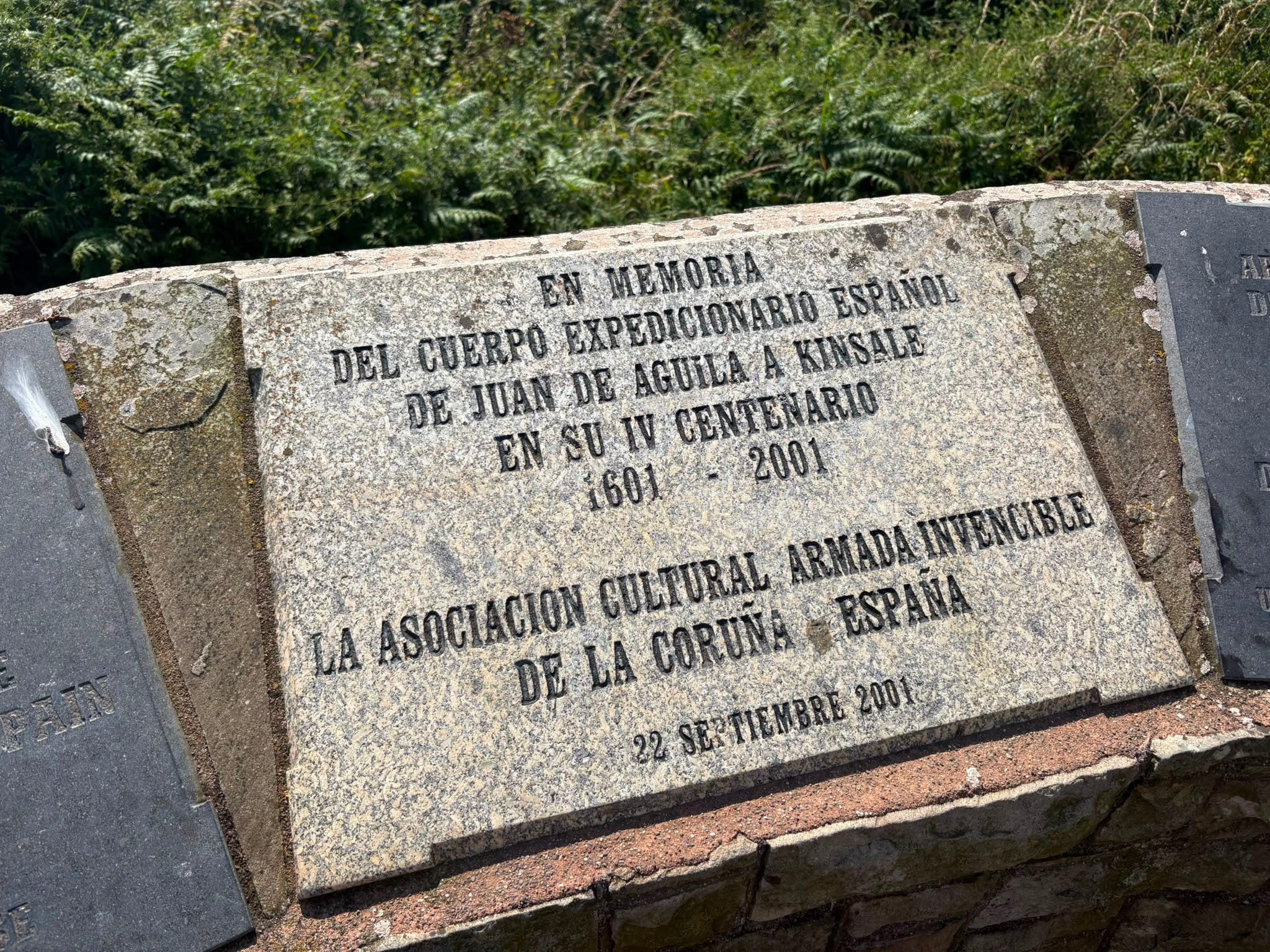
It was far more than a battle.
It effectively marked the end of Gaelic Ireland as it had existed for centuries. The defeat of the combined Irish and Spanish forces paved the way for a new political order under English rule, changing the course of Irish history forever. It also marked the beginning of a period that would eventually see many Irish soldiers, merchants and noble families seek new lives on continental Europe, setting the scene for one of wine history’s most fascinating stories.
Then another phrase kept appearing.
The Wine Geese.
These were the Irish families who settled in Bordeaux, where names such as Barton, Lynch, Kirwan and Dillon would become woven into the fabric of one of the world’s greatest wine regions.
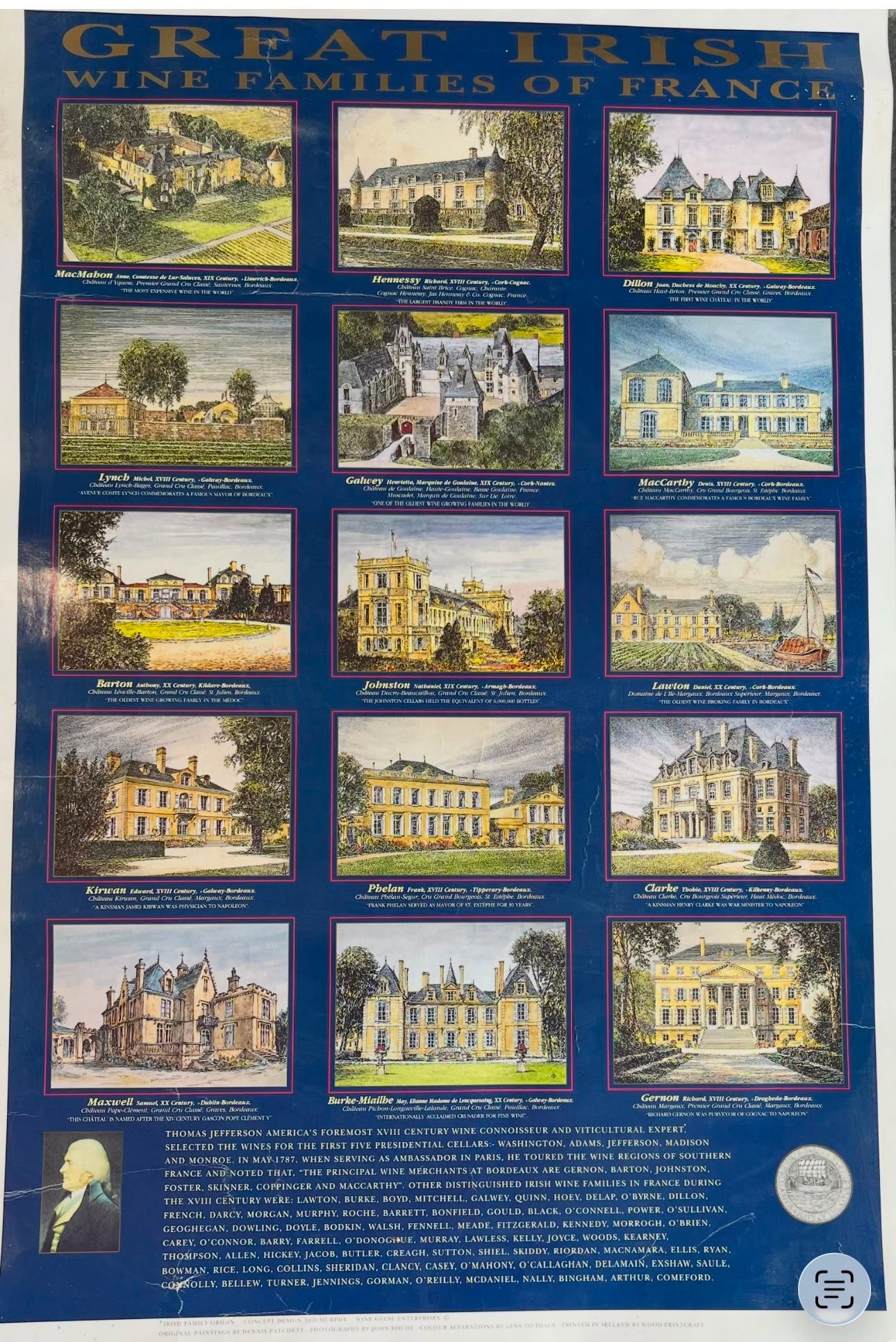
The more I read, the more I realised this wasn’t a forgotten story waiting to be rediscovered.
Far from it.
Others had already dedicated years—indeed, lifetimes—to researching it.
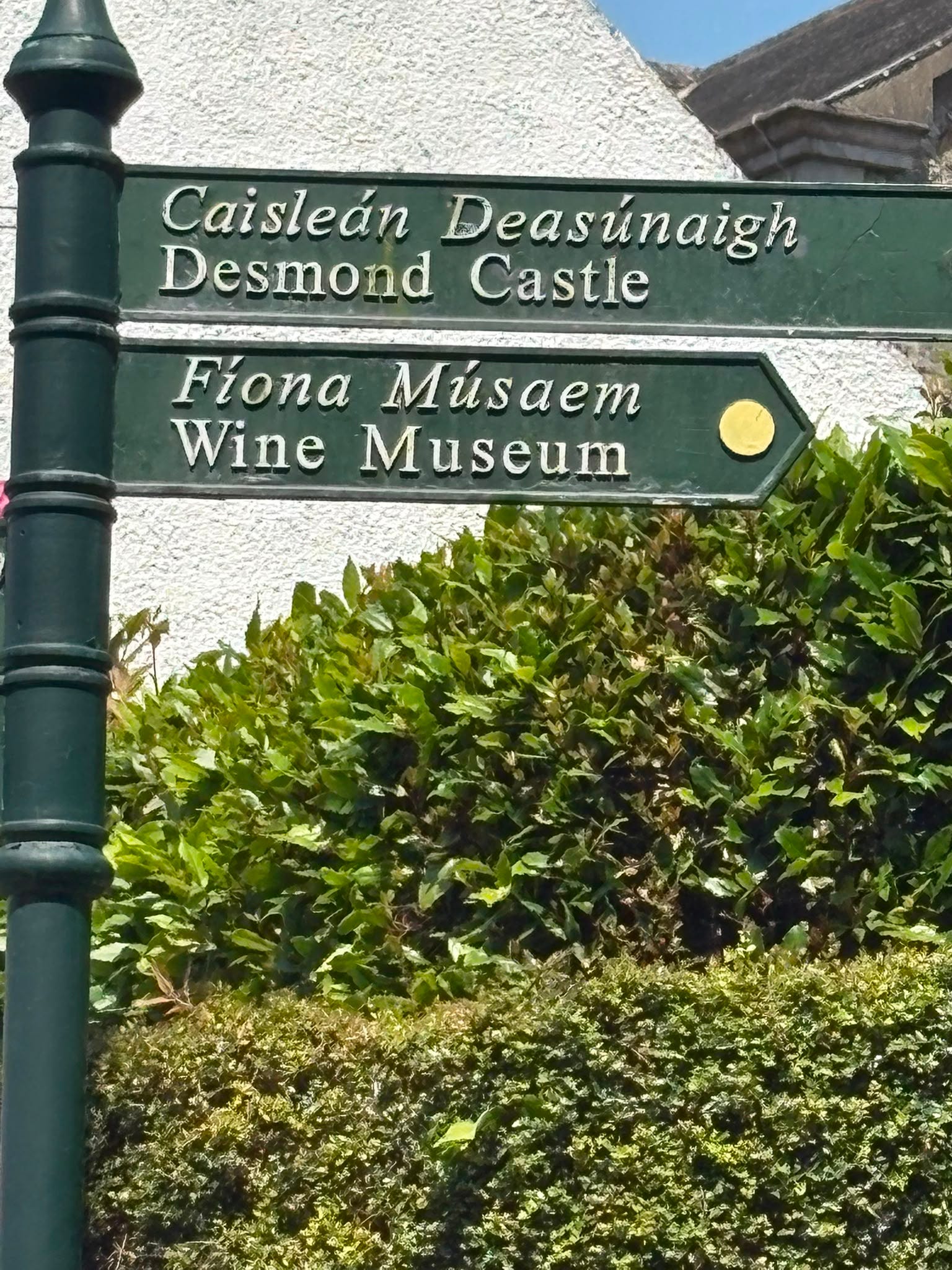
Just when I thought the story couldn’t become any more intriguing, I learnt that Kinsale had once been home to the International Museum of Wine, housed within the beautiful Desmond Castle.
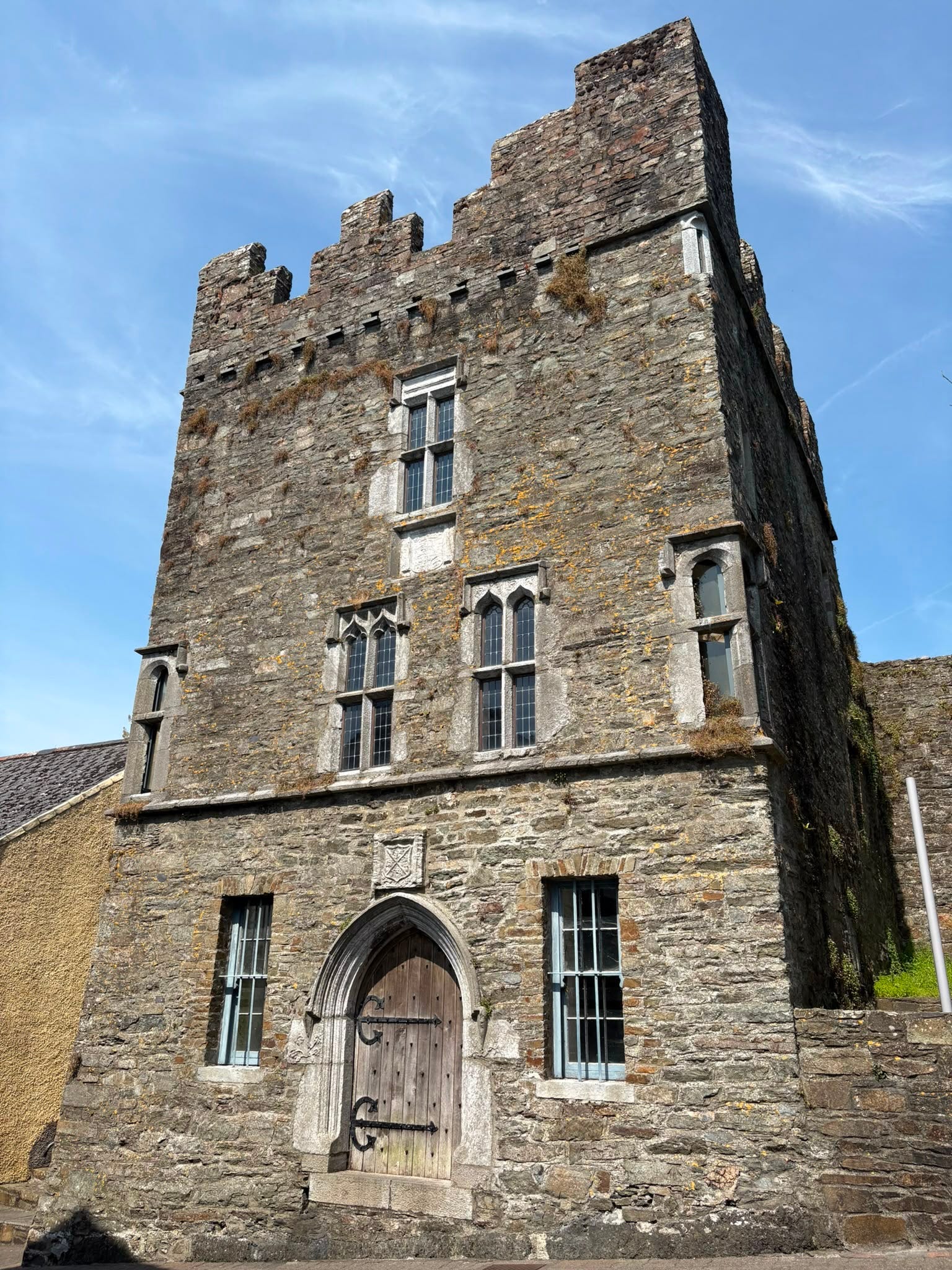
Sadly, the museum has now closed.
Fortunately, its story hasn’t been forgotten.
While visiting Kinsale Museum, I struck up a conversation with a lovely lady called Patricia. As luck would have it, she had previously worked in the International Museum of Wine and spoke with genuine affection about its collection and the people behind it.
There was something infectious about her enthusiasm. She wasn’t simply recounting history; she had lived a small part of it herself. As she spoke about the Wine Geese, Desmond Castle and the museum’s exhibitions, it became obvious how much the project had meant to Kinsale.
It was Patricia who first pointed me towards the work of Ted Murphy (1935–2021).
If my own journey had begun with a question beside the River Shannon, Ted Murphy had spent decades uncovering many of the answers.
A Cork-based wine historian and writer, Murphy devoted much of his life to researching Ireland’s historic relationship with the wine trade. He is widely credited with coining the term “Wine Geese,” inspired by the better-known “Wild Geese,” to describe the Irish families who settled in Bordeaux and helped shape its wine industry.
His work extended far beyond books. He researched the landmark RTÉ television documentary The Wine Geese and played a leading role in establishing the International Museum of Wine at Desmond Castle.
As I began reading his work, something struck me.
I wasn’t researching Irish wine.
I was researching Irish history through wine.
And that, perhaps, is a far more interesting story.
After spending days immersed in monasteries, medieval trade routes and centuries of Irish wine history, it would have been easy to forget why I’d come to Ireland in the first place.
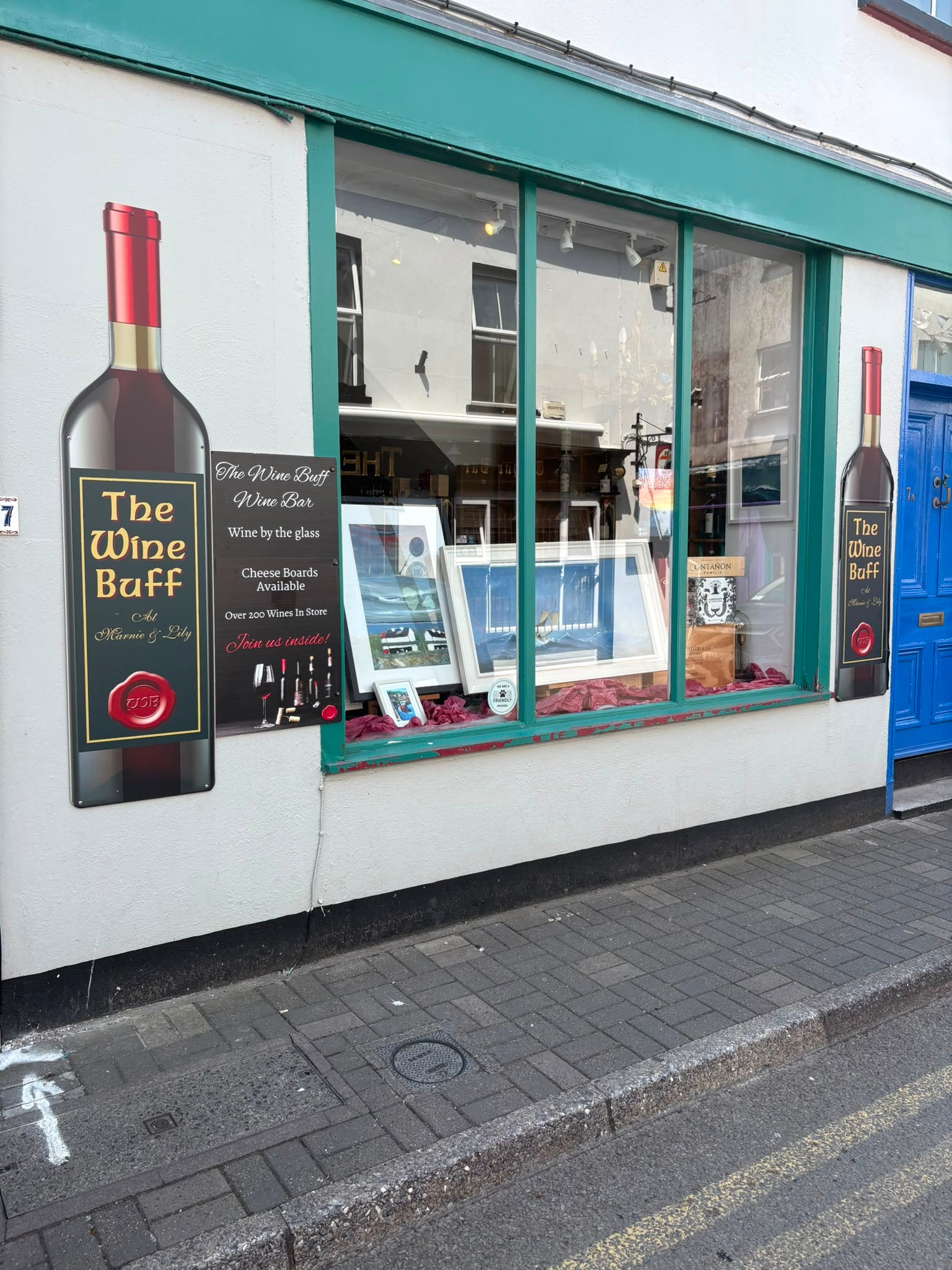
Then I walked into one of Kinsale’s excellent wine bars.
Once again I found passionate people talking about wine—not as a luxury, but as something to be shared. Bottles from Spain, France, Italy and beyond lined the shelves, conversations flowed naturally between staff and customers, and it was obvious that wine appreciation in Ireland is alive and well.
In many ways, that brought my journey full circle.
I’d travelled to Ireland hoping to discover whether there was a modern wine culture.
There undoubtedly is.
But what surprised me most was discovering that today’s wine culture didn’t appear from nowhere.
It has grown from centuries of trade, travel and cultural exchange with Europe.
Yes.
Without question.
I found excellent wine bars in Cork and Kinsale.
I met passionate wine professionals who are helping to build Ireland’s modern wine scene.
But I also found something I never expected.
I found monks beside the River Shannon.
Merchant families in Galway.
Spanish ships sailing into Irish ports.
A battle that changed the course of a nation.
And Irish families whose names would later appear on some of Bordeaux’s greatest châteaux.
I arrived looking for Ireland’s wine culture.
I left understanding that Ireland has always had one.
I just hadn’t known where to look.
My journey only scratched the surface of this remarkable chapter of Irish history. If you’d like to explore it further, these are some of the people and resources that helped me begin my own journey:
The Irish Times – Ted Murphy Obituary – an excellent overview of Murphy’s life and the extraordinary legacy he left to Irish wine history.
Desmond Castle, Kinsale – although the International Museum of Wine has now closed, Desmond Castle remains central to the story of Kinsale’s historic wine trade and the Wine Geese.
The Wine Geese: Irish Exiles Who Started New Lives in French Vineyards – A highly readable introduction by Nathan Mannion of EPIC: The Irish Emigration Museum, explaining how Irish emigrants helped shape the wine trade in Bordeaux and beyond.
Forbes – Ireland's Wine Geese Founded Some Of The World's Most Famous Wineries by Katie Kelly Bell. A superb introduction to the remarkable legacy of the Irish families who helped establish some of Bordeaux's greatest châteaux and the Hennessy Cognac dynasty. It also explains why the story continues to resonate today
No posts
Comments
Nothing yet. Say the first thing.
Sign in to join the conversation.