
Eight months have passed since thieves broke into the Louvre in broad daylight, during open hours, and made off with an estimated $102 million in French Crown jewels. Since then, those who perpetrated the actual heist have been arrested, but, as is not completely uncommon, that hasn’t led to a recovery.
What it has led to is the resignation of the museum director, Laurence des Cars, earlier this year and yet another security review that, hopefully, will result in action instead of endless meetings and delays.
The investigation has apparently led detectives towards Belgium for the stolen treasures. Vittoria Benzine at artnet reports:
The latest lead in this case arose courtesy of a few suspects’ cell phones. According to Euronews, authorities investigated calls, contacts, photographs—and even dating sites, per L’Avenir—stored on the phones of “several suspects from Eastern Europe.” German news agency dpa stated [the] suspects “specialize in freight theft.” Brussels-based VRT News has revealed that they’d been previously arrested in Belgium for robbing a truck. Paris’s public prosecutor rejected an email request for clarification.
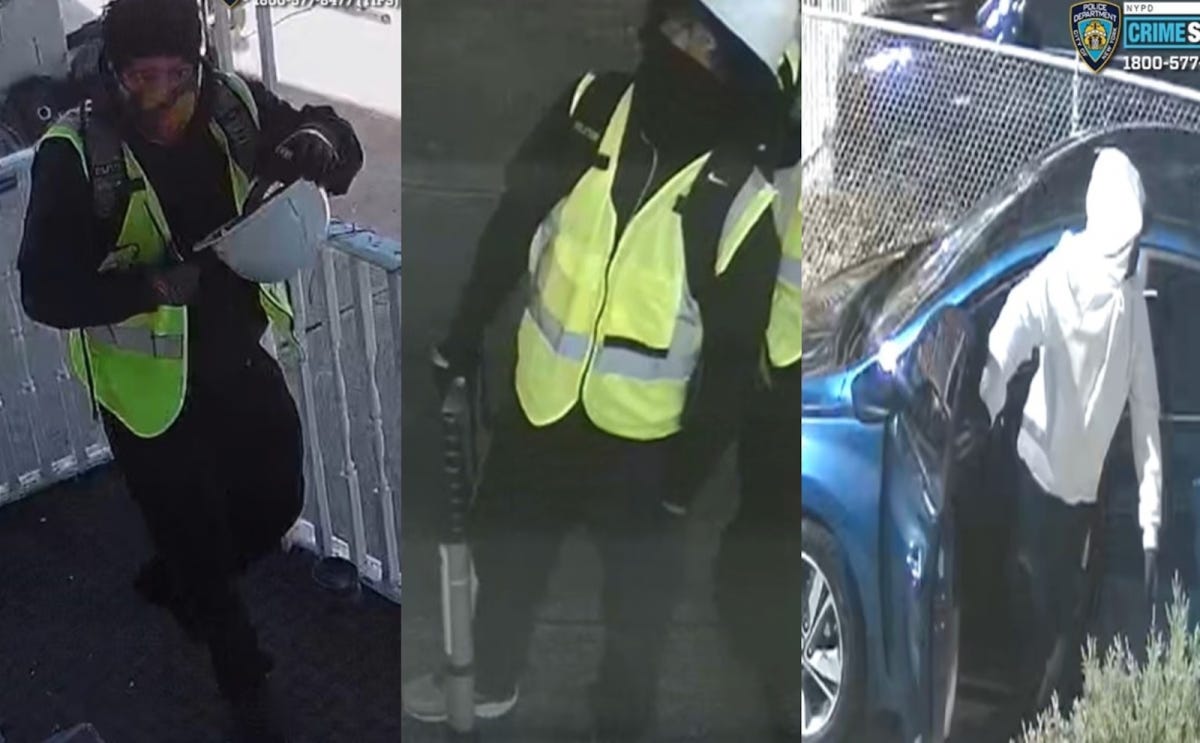
Much has been made of the fact that the cameras at the Louvre didn’t pick up the thieves in action. Consider this, however. There are more than 430 internal cameras at the giant museum. What is hardly ever considered is the challenge of monitoring that many views in real time to prevent a crime. Now, 100 external cameras are being added. If 50 officers are assigned to monitor all of them, that will be more than 10 cameras per person. That’s a daunting task. And believe me, there aren’t anywhere near 50 people monitoring the cameras.
So, what to do?
The Louvre has to concentrate on layers of security. For instance, they’ve added bars to the windows that are susceptible to the same sort of attack they saw last October. But that’s not enough. Museums must strive to ensure that their collections are never just one failure away from catastrophic loss. Rather, measures must be in place to force thieves to be effective and somewhat lucky to be able to get to an art object and out of the museum to freedom without being stopped.
As to the challenge of monitoring all of those camera views, it’s my belief that Artificial Intelligence software will solve that problem. The AI software will alert officers to anomalies like people lingering in secure areas, visitors who act outside of the AI-learned norms, and those who reach for an object. It will detect vehicles that appear to be casing the site. And it will make review of suspicious activity much quicker and easier to track.
I don’t think it will be long before most major museums have AI boosting their security. I look forward to it.
No posts
Comments
Nothing yet. Say the first thing.
Sign in to join the conversation.