
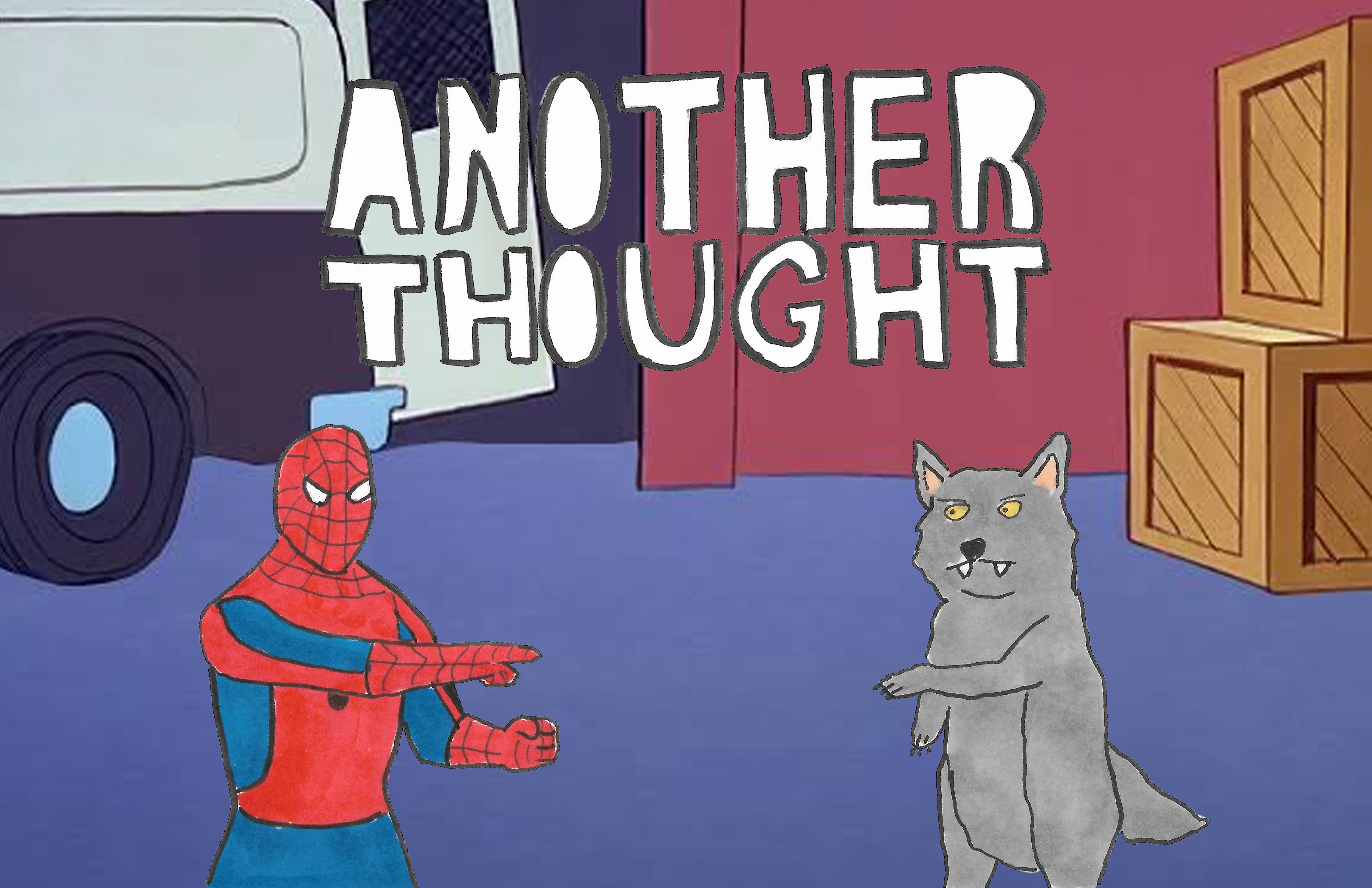
I feel pissed off more often than I let on. There’s no shortage of things in this world that will leave you feeling irritated, angsty, and disrespected. Turn on the news, scroll your news feed, read the comments, look around you. We all have something that sets us off. I've spent a lot of time trying to ignore or deny those feelings, but now my thinking is starting to shift. I want to understand those feelings instead.
For a long time, I didn’t know what to do with anger. I equated it with being sinful or evil. So when I felt it brewing up in myself, I tried to push it away. This, of course, had diminishing returns. In retrospect, I can see why I was initially drawn to punk rock as a kid. Hearing Nirvana or even Linkin Park felt like releasing the steam valve. All that pressure, all that intensity that was weighing on my soul felt lifted. I didn’t have the voice to express my rage in a productive way, but other people did. I think it’s around this time that I learned the word “catharsis.”
Occasionally I’ll get into a discussion with friends about the best songs for “running through brick walls.” We’re talking songs that make you feel powerful, that have such a propulsive energy that when you hear them, you feel invincible. Songs that tap into something primal within your soul.
I keep a playlist full of these songs, simply titled with a 😤 emoji. It’s my “break in case of emergency” playlist when I feel pressed, worn down, and furious. Sometimes I don’t even know what I’m feeling or why I’m feeling it, some mysterious angst hovering over me like a black cloud, but I suddenly get clarity when I put these songs on. Tracks from Kendrick Lamar, Rico Nasty, Black Flag, and Rites of Spring, all spanning a wide gamut of genres but tapping into a similar wellspring of aggression. Smack in the middle of this playlist is the song that always hits the hardest for me: TV On The Radio’s “Wolf Like Me.”
Like a true carnivore, “Wolf Like Me” has stalked me since 2006. I’d been a fan of the band after a friend painstakingly sent me the Young Liars EP over AOL Instant Messenger one song at a time on dial-up Internet. I remember there was an otherworldly quality to this art rock band from Brooklyn. I remember “Staring at the Sun” came through first. I was transfixed. I’d loop it again and again, trying to understand it. I’d never heard something so droney and feverish. Tunde Adebimpe’s oohs and aahs leading in the track over Spanish radio feedback before the gnarliest bass synth devours the song alongside some nasty guitar tremolos. This music was weird, but exciting.
Not long after, I was watching MTV and happened to catch the “Wolf Like Me” video playing. In the time before the conceit of “on-demand,” any song that wasn’t a heavy-rotation hitter on the music video channels could easily become a missed connection. I maybe saw it once or twice when it aired. I tried to hold on to as much as I could remember about it – Adebimpe looking a fascinating mixture of cool and nerdy with his thick-rimmed glasses and black leather jacket amidst a flurry of film scratches, and blurry images of wolves terrorizing a town. Those flashes of images stuck with me and still pop into my head when I listen to the song now.
It’s not hard to sell a teenage boy on a rock song about werewolves, and I gladly took the bait. It was the “badassery” that resonated with me most back then, or at least that’s what I thought. The song is a perfectly orchestrated anthem. From the opening feedback leading into that pounding drum beat, the adrenaline starts pumping. And then that grimy, droning bass comes in, and it’s like a lit cigarette on dried grass. The inferno blazes hotter and hotter. Adebimpe starts furiously singing a nursery rhyme; the guitars wail in glorious mania. The energy only goes up and up before it hits a transcendent, almost gospel-like breakdown, before rising again into a fury.
It’d be a few years before I saw their storied performance on Late Night with David Letterman, now considered to be one of the all-time great late-night performances. If the band looked like mythical ghost riders in the music video, here they look more like some guys who just walked off the street. Adebimpe stands in the center in green pants, a T-shirt, and a plaid overshirt. But as the music kicks in, he becomes a man possessed. The performance sounds far more raw than the studio version. The band’s art rock tendencies are eclipsed by a more rickety, punk rock club feel – an impressive feat to get that energy in a TV studio. It’s as if they’ve gone through a werewolf-like change from Sonic Youth into Bad Brains.
The song feels like it could fall apart at any moment, but it never does. Adebimpe bounces across the stage, sweat pouring off him. His voice cracks as he howls, the kind of vocal shake that can only come from throwing every last piece of our soul into the microphone. If he’s not having an out-of-body experience in the performance, I certainly am as I watch it.
In Lizzy Goodman’s book Meet Me in the Bathroom, TV On The Radio’s Dave Sitek reflects on how the band’s perspective changed after 9/11. He references another song from Return to Cookie Mountain, “I Was a Lover,” particularly the line, “I was a lover before this war.”
“I was thinking about getting laid and now I’m thinking about dying in the fucking eternity,” Sitek says. Even without referencing “Wolf Like Me” directly, I think that idea extends across Return to Cookie Mountain. The stakes had changed. We all had changed. Not every metamorphosis leads to a butterfly.
The metaphor of the werewolf couldn’t be more apt. When you start losing your sense of self, you begin to wonder who you really are. Are you man or monster?
Sometimes the toxicity can be intoxicating: “but god, I like it.” The innocence of “say, say my playmate” quickly devolves into talk of bloodlust. Clarity only comes in that swooning bridge as Adebimpe pleads for connection.
Dream me, oh, dreamer, down to the floor
Open my hands and let them weave onto yours
Feel me, completer, down to my core
Open my heart and let it bleed onto yours
Feeding on fever, down on all fours
Show you what all the howling is for
Despite the song’s exciting energy, it’s openly about tragedy. Adebimpe is heeding a warning that there’s something monstrous inside of him – or, at least, the character he’s inhabiting in the song. Through the allegory of a wolf man, he’s tapping into the truest parts of humanity: questioning your own morality and whether you’re as good of a person as you think you are.
A funny thing started to happen to me with this song a few years ago. Now when I hear “Wolf Like Me,” I start to well up. My throat tightens. There have been numerous times when I’d throw this song on in the car and suddenly realize I’m crying. I was never much of a crier when I was young. That changed after having a kid; now everything makes me cry. But “Wolf Like Me” of all songs? This is the song that’s supposed to make me feel invincible, not vulnerable. What gives?
Another Thought is a reader-supported publication. To receive new posts and support my work, consider becoming a free or paid subscriber.
I think there are a few factors at play. One is the music journalist in me. I get too emotionally invested in bands. As time has gone on, I can’t help but look at TV On The Radio as one of the best bands of that 2000s indie rock era. And for all their critical acclaim, it feels like they never properly got their due. How can you write a song like this and not be the biggest arena act in the world? In a just world, TV On The Radio should be talked about in the same way as The Strokes or Arctic Monkeys. Not just by journalists and music nerds, but the general populace.
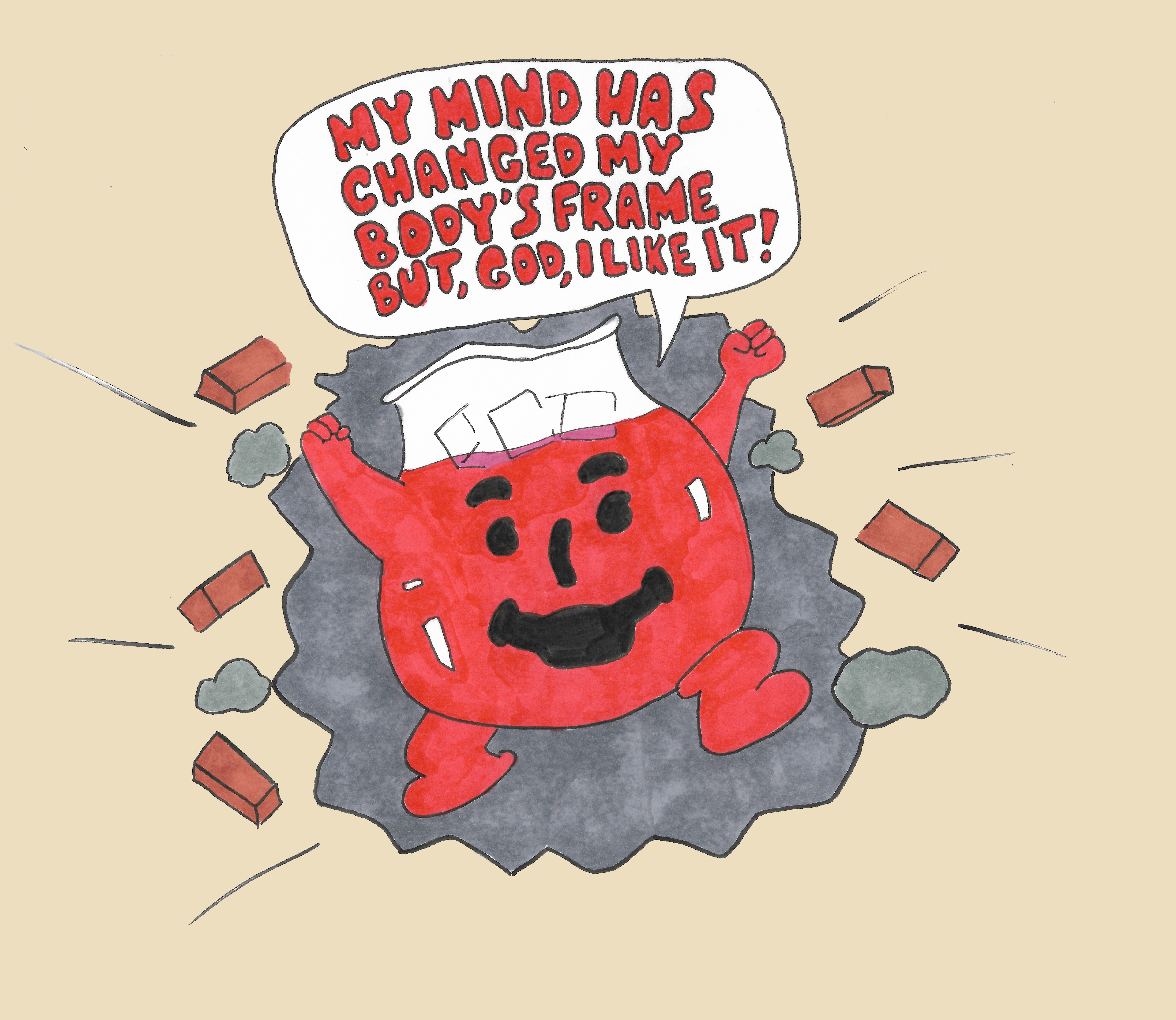
That’s only part of it, though. Adebimpe maybe puts it best in the song: “My mind has changed my body’s frame.” I feel a different physical reaction to the song because my life and experiences have fundamentally changed me.
With each passing year, I relate more to the idea of fighting the monster inside. The more you experience the world, and that always seems to want to bring you down, it’s easy to succumb to the darkness. But you also start to see more nuance. For me, it’s been realizing that anger isn’t necessarily bad on its own. It’s where it’s placed and how it’s utilized—or weaponized. It’s a useful emotion, one our body instinctually musters up as a form of protection. Righteous rage at injustice is warranted. It’s natural for certain moments, ideas, or interactions to set us off. How we let that out and how we interrogate those feelings – that’s where you have to be careful.
I think that’s what Adebimpe is doing on “Wolf Like Me.” He’s taking stock of himself; he sees the monster he could become and fights against it. That intensity that sets off our adrenaline when we hear the song is a byproduct of the push and pull between the song’s narrative fighting against the person you are and the person you see yourself becoming. Will you let yourself grow or will you devolve into a beast?
The last time I ran into “Wolf Like Me” in the wild, I was sitting in a movie theater. I caught a late showing of Spider-Man: Brand New Day on opening night, sitting in an auditorium full of people my age when I first heard the song. To my surprise, those opening drums started booming through the speakers as we watched a montage of Spider-Man fighting villains and saving the day while his personal life was falling apart.
As usual, I started to well up. But I also had to smile. Knowing how big of a comic book fan Adebimpe is, it felt oddly fitting to hear the song paired with Spider-Man—and even stranger to imagine a new generation hearing it for the first time. (And, fun fact, previous Spider-Man director Jon Watts also directed the “Wolf Like Me” music video. The spider web weaves in mysterious ways.)
The song couldn’t have been a better fit. Peter Parker has always been a character caught between who he wants to be and who he’s afraid he might become. Hearing “Wolf Like Me” blasting over that montage, nearly twenty years after I first heard it, made the song feel like it had somehow followed me into a completely different era.
There’s something about “Wolf Like Me” that feels part of the cosmic canon. Hearing it in the movie made it seem real to me that this song transcends eras and generations. It’s the ultimate ode to humanity. Those “brick wall” urges the song elicits tap into that primal human instinct. Yet the song is savvy enough to know its energy and infuse it with lyrics that remind you you’re human after all.
It’s hard to say if any of us can ever truly strike a perfect balance. The world will constantly change, and we’ll change with it, whether we notice or not. That internal battle is a common denominator. It feels good to hear a song that so aptly, both musically and lyrically, taps into that difficult mixture of emotions. It makes me feel less alone in that struggle. Each one of us will be howling forever. Just let our transformation be a good one and keep the beasts at bay.
Support Another Thought and Get Cool Stuff!
I appreciate you reading Another Thought, whether this is your first post or you’re a long-time reader. Another Thought is a labor of love fueled by very long deadline nights, lots of art supplies, and espresso at ungodly hours.
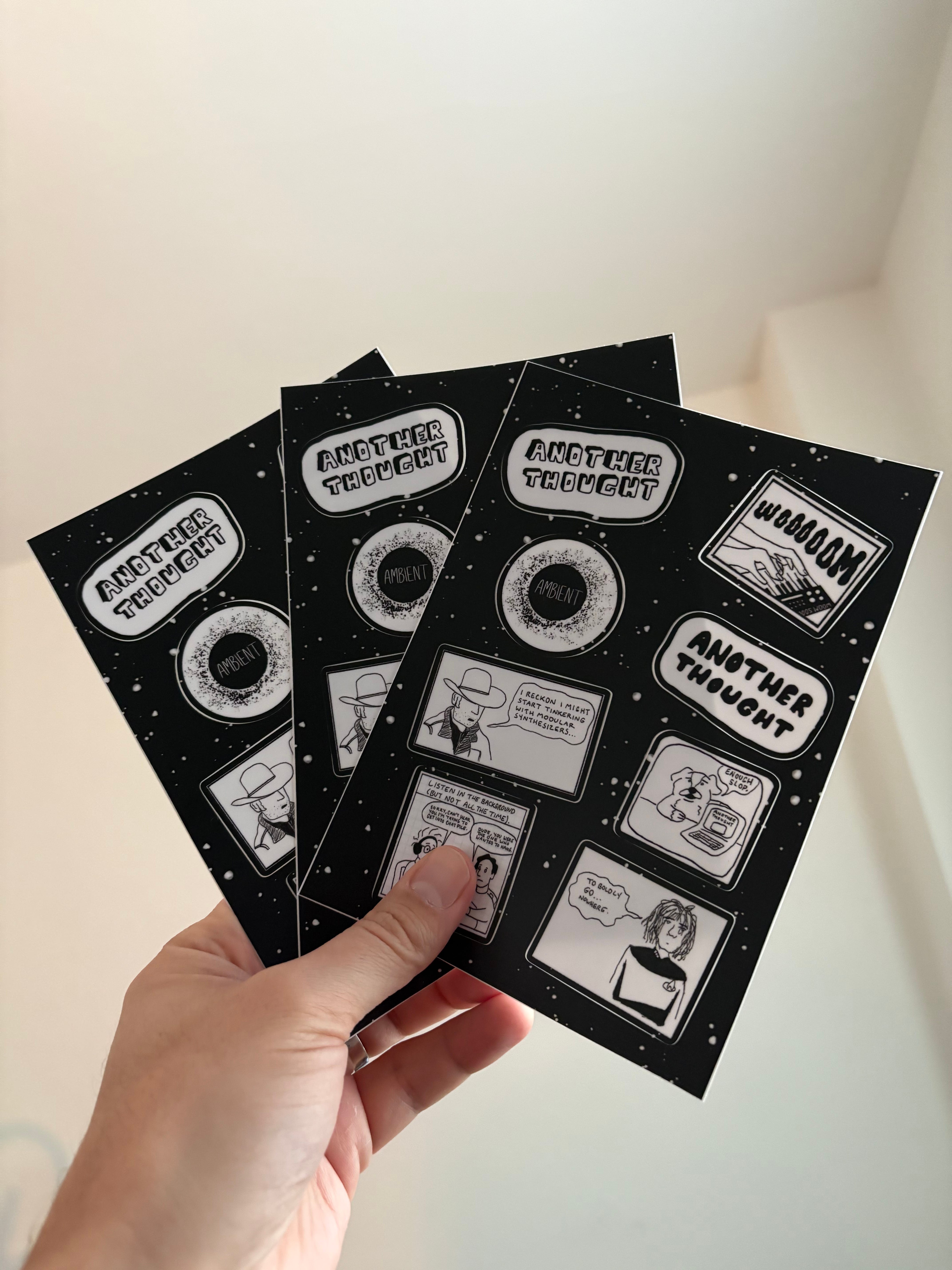
If you want to support the newsletter, please consider becoming a paid subscriber at $5/mo. You’ll get exclusive newsletters, early access to upcoming physical media, and a sheet of stickers featuring drawings from the newsletter and my book mailed to you!
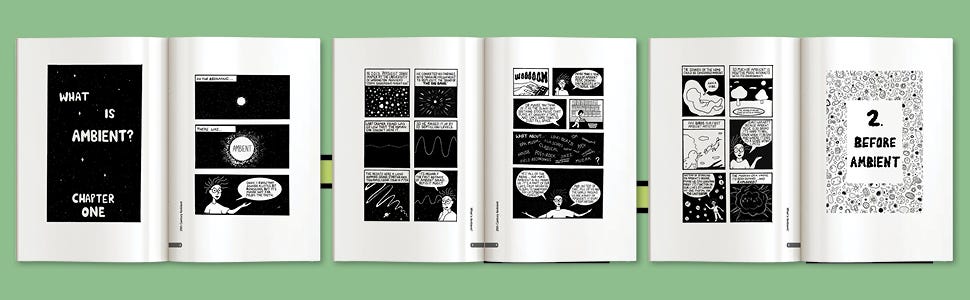
Get my book, 20th Century Ambient!

Through text and comics, 20th Century Ambient traces the recent history of ambient music to uncover how the genre has evolved and the role it plays in our daily lives. If you dig the combination of art and essays on Another Thought, I think you’ll love this book.
“Enriched by vivid profiles of the genre’s practitioners and capped by a list of essential tracks, it’s a quirky love letter to an enigmatic sound.” - Publishers Weekly
“Dad! Your book isn’t boring! It has pictures in it! It’s hilarious. Kids can read it too!” - my child
20th Century Ambient is out now from Bloomsbury Books.
Comments
Nothing yet. Say the first thing.
Sign in to join the conversation.