
On a recent call shift, I took over on an induction for a first-time mom who had been on the labor and delivery unit three days. Even before the shift, I was dreading it. I had checked the board and reviewed her history. “I know exactly how this night is gonna go,” I griped to my coworker. “I’ll be up all night. She’ll get infected or the baby’s heart tones will tank. She won’t progress. After three days of labor, she’ll end up with a C-section anyway, and hate us.”
I should know by now never to try to predict birth. I started my shift at 8 p.m., she began pushing at 8:30 p.m., and we had a healthy baby by 9:00 p.m. The mom was incredibly grateful for her care, and the long labor was water under the bridge once that beautiful baby was in her arms. When we finished up, I texted my coworker to thank her for letting me vent, and apologize for being such an insufferable grump. Then, I slept the rest of the night because no one else went into labor.
Sometimes I love it when I’m wrong.

Why Inductions Make Me Grumpy
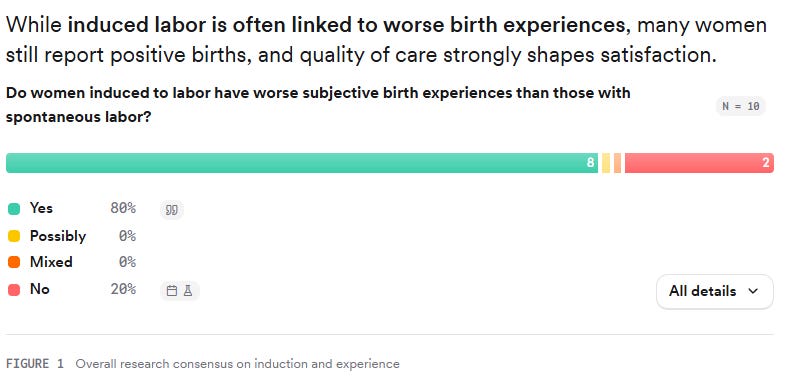
But there’s a reason that inductions put me in a foul mood. A lot of reps attending birth have taught me that they can be really difficult—for the mom, for the baby, and (least importantly) for me. Obviously, I want moms to come away feeling satisfied, empowered and well cared for. But inductions are linked to women reporting a worse birth experience than with spontaneous labor.
I don’t want to overstate this finding, because a lot of inductions are done for medical complications or risk factors, so these surveys of women are not comparing apples to apples. If asked, moms would probably prefer no preeclampsia to preeclampsia. No gestational diabetes to gestational diabetes. Spontaneous labor at 38 weeks to induced, meconium-saturated, prolonged labor at 42 weeks. You get the picture.
And if I could order up a short, physiologic labor at a reasonable gestation for all the moms I care for, I obviously would! Unfortunately, that’s not how birth works. As I covered in the post below, human birth can sometimes be prolonged, difficult and complicated—especially the first time. Both gestation (40w0d vs 40w5d) and labor lengths (~6–12 hours vs ~12–18 hours) are longer for first time moms.
But it’s not really surprising to me that, overall, most women prefer to avoid induction. It’s an open secret that inductions can be miserable. In fact, of the 22,533 low-risk, first-time moms who were eligible for the ARRIVE trial—the famed study in which half the group was randomly assigned to be induced at 39 wk for no medical reason—73% declined to participate. I think this also has important implications for how we interpret the study’s results.1
Personally, I am very pro-research, but I never would have signed up for a study where I might randomly get pulled into a long, difficult process that had previously been linked to higher C-section rates in several prospective and observational studies.2 Furthermore, having worked night shift as a labor and delivery nurse, I’d witnessed many elective inductions end in C-section in the evening hours, often seeming to coincide with a doctor wanting to go home for the night. And my experience must not be unique, given the temporal patterns of unplanned C-section in the United States.3
Even more important to me, none of the women in the ARRIVE trial were cared for by midwives. The trial asked whether inducing low-risk women at 39 weeks could reduce cesareans within a highly medicalized model of birth in both arms of the study, while ignoring one of the clearest existing pathways to lower C-section rates in the first place—midwifery care. This has been shown to result in lower C-section rates in both home4 and hospital settings.5 So the fact that the NIH poured money into a study about elective induction but has never conducted a randomized controlled trial (RCT) comparing outcomes for low-risk women assigned to midwifery versus obstetric care says a lot about our maternity care system’s biases and priorities.
So I want to state my bias early in this essay: I don’t like inductions. I didn’t like going through one myself with my first birth, and I don’t like watching my patients go through them. I would not willingly sign up for one without a legitimate medical indication, and I don’t encourage my patients to do so either. That being said, there are a lot of legitimate reasons for induction.
Furthermore, pregnancy and birth are highly individual experiences with a strong psychological component, and I acknowledge that what makes me feel safe and fulfilled isn’t necessarily what makes other moms feel safe and fulfilled. Just recently, a dear patient begged me for an elective induction. I thought she was a little crazy to want that, but in her particular circumstances—a multiparous mom with a favorable cervix, a prior uncomplicated vaginal birth, and difficult child care logistics for her other child—there was no real reason to tell her no. She had a lovely induced birth with Pitocin and an epidural and was very satisfied with the experience.
What’s The Difference Between “Elective” and “Medically-Indicated” Induction?
Let’s take a moment to clarify something: An elective induction is one that’s chosen by the patient and/or her care team even though there isn’t a clear medical reason to give birth. A medically-indicated induction is done because continuing the pregnancy poses increased risk to the mother or baby. Sounds black and white, right?
But some medical indications for induction are strong and extremely well-supported by evidence. In certain situations, remaining pregnant is genuinely dangerous or even life-threatening (e.g. preeclampsia with severe features, uncontrolled gestational diabetes, cholestasis of pregnancy with very high bile acids, or severe fetal growth restriction).
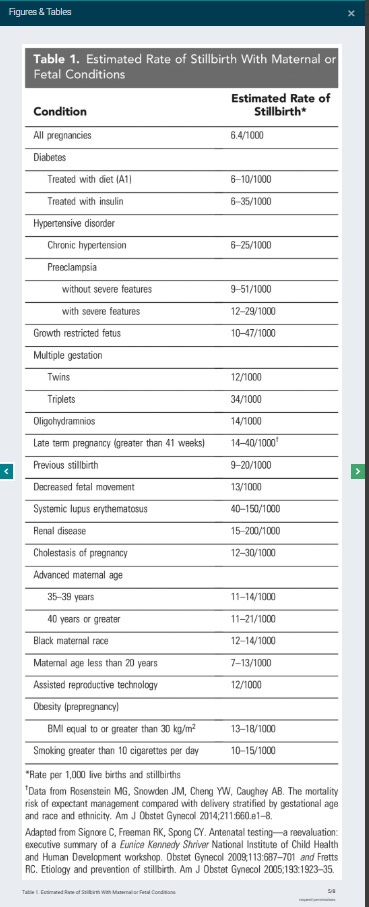
Other times, there are less clear-cut indications for induction that shouldn’t be dismissed out of hand. The risk of stillbirth does increase with factors like advanced maternal age, obesity, and continuing pregnancy into later gestational ages.6 Unfortunately, induction is often presented to mothers as a requirement rather than a risk-reducing choice. The message is “You can say no, but you’ll be risking your baby’s life” which can feel really coercive, especially because the absolute risk of stillbirth, even in higher-risk groups, remains relatively low.
But no one wants to get to the end of a pregnancy and lose their baby, and induction can sometimes prevent that horrible outcome. So even if uncommon, the stillbirth threat looms large. It also weighs heavily on obstetricians, who face the highest malpractice risk of any medical specialty, with stillbirth or neonatal death the second most common reason they are sued.
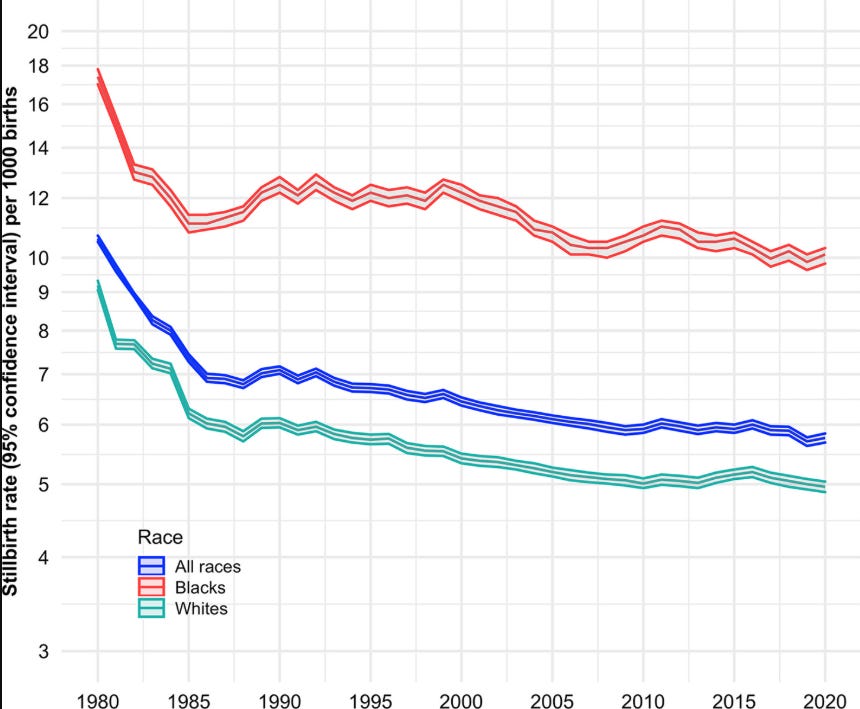
On the bright side, the U.S. stillbirth rate does seem to have fallen modestly over the last twenty years, and increased induction could be one of the reasons.7
But when it comes to considering the risk of stillbirth, two moms—or two medical professionals—can look at the same statistic and come to different conclusions. For example, the graph below8 shows the risk of stillbirth with advancing gestational age. In the U.S., including in my hospital-based midwifery practice, induction at 41 weeks is considered medically-indicated rather than purely elective.9
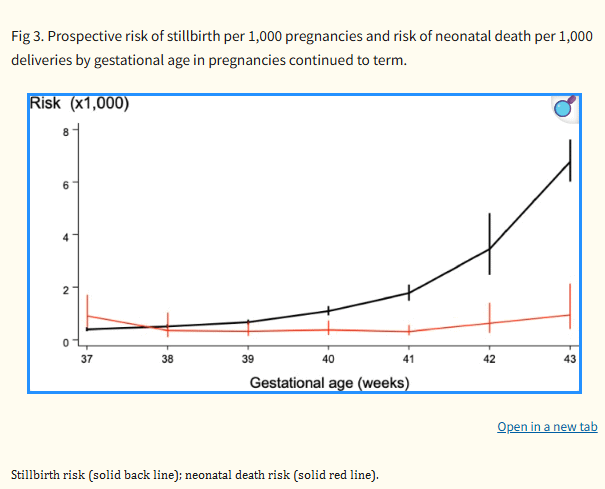
But reasonable people could disagree about when it makes sense to stop waiting and induce labor, especially because this intervention is not without its own risks.
What Inductions Look Like From My Perspective
I consider myself one such reasonable person, and—as I stated earlier—I dislike inductions, so I don’t recommend them until 41-42 wk unless another medical complication or risk factor pops up sooner. My knowledge of the benefits of physiologic labor and the fact that, left to nature, about 95% of women will enter labor before 42 weeks, give me the confidence to recommend that low-risk moms10 let their babies choose their own birthdays.11
That being said, as a midwife caring for a fairly high-risk population, I collaborate with my obstetrician friends on a lot of inductions. So I’d like to explain what they look like from my perspective, and why this leads me to avoid them unless medically necessary. If you’re not into boring, sciency stuff, feel free to skip this part!
Cervical ripening
When you begin an induction, you are often fighting against nature—trying to get a mom’s rock-hard cervix to soften, dilate, and give up a baby before it wants to. A lot of first-time moms come in for induction like this—though not all. If you’re lucky enough to have a soft, thin, 2-3 cm dilated cervix at the beginning of your induction,12 WOO HOO! You can skip ahead to the “oxytocin” part knowing that your chances of induction ending in vaginal birth are a lot higher.13
Cervical ripening often starts at night: a mom goes into the hospital around 8 or 9 p.m. with the idea that she will sleep through the first part of the induction. In reality, she has an IV and continuous fetal monitoring cables, and a nurse is coming in every 30–60 minutes to reposition monitors, take vitals or give medication. Some moms get a nap here or there, but I would not call it a great night of sleep. So a mom is often starting a 24–48 hour process already exhausted.
One cervical ripening option is misoprostol (Cytotec), which can be given orally or vaginally every two or four hours. What makes me uneasy about this drug is how variable the response can be. I’ve had patients get three or four doses and have almost nothing happen. I’ve also seen crazy, intense labor contractions every 1-2 minutes come on very suddenly. We call this tachysystole, and while it’s usually manageable, it can become dangerous if contractions become too frequent or prolonged. But once Cytotec has been given, you can’t take it back. Most of the time that’s fine, but the edge cases are very memorable and have left me with a certain discomfort and fear when using this drug.14
The alternative drug for cervical ripening is dinoprostone (Cervidil)—a vaginal insert placed next to the cervix and left in for up to 12 hours, or removed sooner if necessary. I tend to like Cervidil more because it is removable, although at my old hospital we were discouraged from using it because it was more expensive than Cytotec (like, $700 vs 25 cents. It is also FDA approved, whereas Cytotec is used off-label.) It also doesn’t require the same frequent dosing that Cytotec does, so it can allow the patient more time to rest with fewer interruptions from staff. Some clinicians find it less effective than Cytotec, though this is debated.
During cervical ripening with either agent, the patient has to remain in the hospital. That’s because pharmacologic cervical ripening can occasionally cause excessive uterine activity or changes in the fetal heart rate that require prompt intervention, and because continuous fetal monitoring is standard during this phase. In patients attempting a VBAC, misoprostol and Cervidil are contraindicated because they are linked to increased rates of uterine rupture—which should serve as a reminder of how powerful and sometimes unpredictable these drugs can be.
Personally, I’ve always found it hard to fully square the idea that “these drugs are perfectly safe” with the reality that we insist on hospital admission and continuous fetal monitoring while using them. That being said, if induction is being recommended for a legitimate medical indication, the risks of continuing the pregnancy probably outweigh the risks of these medications.
The other way to help dilate the cervix is a cervical ripening balloon (Foley or Cook catheter). These are mostly mechanical methods of dilation—a balloon is placed through the cervix and gradually inflated to physically stretch it open—but there is also some secondary hormonal effect because stretching the cervix can trigger local prostaglandin release.
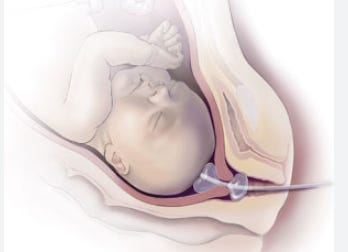
Having a cervical ripening balloon put in can be very painful. Moms often hate the placement, and I hate putting them in because I feel like I am torturing someone. At the same time, most people are tough, and can handle it—and we can always ask the anesthesiologist for help if medications are needed to tolerate the procedure. And once it’s in, it doesn’t bother people too much. Some clinics and hospitals are even allowing patients to go home for the night after it’s placed! I love this idea, because it shaves some time in hospital off of what can be a long induction process.
Cervical ripening balloons sometimes fall out on their own when the cervix has opened sufficiently, but otherwise they are usually deflated and pulled out after 12 hours. They can also be used in conjunction with low-dose Pitocin. When the balloon is out, we usually find the cervix significantly more dilated and thinner.
My complaint about cervical ripening balloons is that they seem to create a “fake four” or “fake five” centimeters dilation after a patient is done using them. By that I mean, the cervix may technically be more dilated than before, but the texture remains the same—it’s firm, rather than soft, which means it still doesn’t open easily with contractions. The bulb can also seem to displace the baby’s head, making it less engaged in the pelvis, and more likely to come down in a funny way that causes difficult descent. It has also been linked to cord prolapse in the literature15, but this is still an extremely rare event. Furthermore, these ripening balloons don’t usually change much hormonally, so even if more dilated, it doesn’t guarantee that continuing the induction with Pitocin will go well. So basically, they help, but are not a slam dunk.
Oxytocin (Pitocin)
After any of these cervical ripening methods, the next step is oxytocin (Pitocin). Normally, labor appears to be initiated by signals from the fetus. As the fetus reaches maturity, hormonal and inflammatory signals (including signals associated with fetal lung maturation) stimulate prostaglandin release and make the uterus increasingly responsive to oxytocin. The mother’s body then releases increasing amounts of oxytocin, creating the powerful positive feedback loop that drives labor contractions. We don’t know exactly what determines the precise timing of labor, but this coordinated maternal–fetal signaling process plays the central role.
So by giving synthetic oxytocin, we are basically giving your body the hormone that causes labor contractions. Some moms respond quickly and move into active labor with strong, regular contractions. Others can be on escalating doses for hours with minimal cervical change. A person’s response has a lot to do with how many receptors for oxytocin her uterus has. Because these receptors naturally multiply as pregnancy nears its end, an early induction or an unripened cervix often requires higher doses and more time to stimulate effective contractions.
The problem with synthetic oxytocin (and why I prefer endogenous oxytocin!) is that your body is no longer directing the process—we are. Nurses, midwives, and physicians decide how quickly to increase the medication, how strong contractions should be, whether labor is progressing “adequately,” and whether fetal heart rate changes are concerning enough to intervene. Some of these decisions are guided by protocols, but there is a fair amount of subjectivity involved—and I’m not gonna say we never fight amongst ourselves about the best course of action.16
Once Pitocin enters the picture, other interventions often follow. Partly because induced labors are often longer and more painful, moms are more likely to get an epidural. I honestly don’t have any problem with epidurals—they can be a lifesaver, but they change labor dynamics quite a bit, as I’ve written about before.
You May Want To Give Birth Without An Epidural
·
November 12, 2025

I’m always hesitant to wade into the waters of the “natural childbirth,” debate, at least when it comes to the over-simplified version of it contained in the so-called “Mommy Wars.” A recent example is this Babylon Bee article.
Fetal heart tracings are watched closely during induction with Pitocin because excessive uterine stimulation can stress the baby—but fetal heart rate monitoring is such an imperfect tool. Dubbed “the worst test in medicine” by the New York Times, these tracings frequently lead to C-sections despite an extremely high false-positive rate at identifying babies in distress. As a result, Pitocin inductions can create situations where clinicians are balancing competing concerns: increase the Pitocin and risk stressing the baby, or decrease it and risk stalling labor entirely.
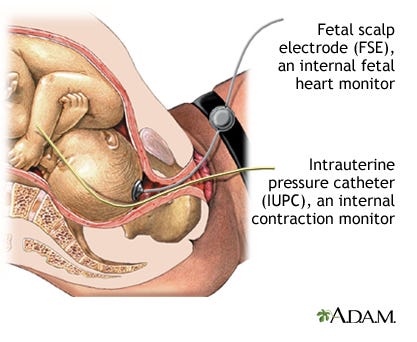
If external monitoring becomes difficult, internal monitors are commonly recommended, especially if clinicians are trying to determine whether contractions are strong enough or whether the fetal heart rate tracing is truly concerning. That means more cervical exams, more wires, and higher risk of infection. A fetal scalp electrode (FSE) is a tiny wire screwed into the baby’s scalp to get an accurate reading of the heart tones. An intrauterine pressure catheter (IUPC) can trace the strength of contractions more accurately than an external monitor, so they are commonly used in inductions, especially if the mom has an epidural or labor is not progressing well.
Emotionally, inductions can be rough. Even the strongest, calmest, best-supported mothers can reach a point of profound desperation during a prolonged induction. I know because I have personally experienced this. At the end of my first birth, a 48-hour process with about 24 hours of Pitocin, I had not slept, eaten normally, or left my tiny L&D room for many hours. It was probably the closest to insanity I’ve ever felt—and this was in a situation where I had the utmost support from some of my favorite nurses, midwives, and my husband. I hated going through that, and I hate watching other moms go through it. When it happens, I have to dig deep and find my absolute best cheerleader self.
My Overall Takeaways About The Induction Process
I realize that what I’ve written above could feel like a threat or a worst-case scenario, so let me be clear that most inductions go quite well. I definitely don’t want to scare anyone away from an induction that they truly need. I’m just trying to paint an honest picture of what it feels like from my side of the labor room, so you can understand why I like spontaneous labor so much more.
And if I’m honest, I think part of the difference between how many midwives and physicians typically view induction comes down to proximity. Midwives often spend long stretches of time physically in the labor room, sitting with women during the process. The obstetric model of care usually has the physician coming in every 4-8 hours throughout the labor for 10-15 minutes, and then showing up to catch the baby at the end of the pushing phase.17 After enough years of watching women tethered to monitors, catheters and IV poles, unable to sleep, exhausted, discouraged, and desperately asking when it will finally be over, it becomes hard not to develop a complicated relationship with induction.
I realize that I’ve said a lot here, so let me just summarize my biggest suggestions:
Induction is not a walk in the park. I personally wouldn’t sign up for it unless there is a legitimate medical reason, especially if you do not have a favorable cervix, but different moms want different things
Risk factors for stillbirth can be a legitimate medical reasons. If this is why your doctor or midwife is recommending induction, ask for information on what increased risk of stillbirth you might be accepting by waiting for spontaneous labor
If you need to be induced, and you do not have a favorable cervix, you are in for a long ride, but you will likely still have a vaginal birth if you (and the people taking care of you) are patient. My favorite cervical ripening method is Cervidil, but this is mostly just based on my experience/opinion! If you are offered an out-of-hospital cervical ripening balloon, that is something to seriously consider
I do not think induction vastly changes your individual chances of C-section (I also do not believe it improves them—see below section!) unless you are being cared for by people less likely to follow evidence-based recommendations for C-section
The benefits of having a doula and/or using midwifery care apply whether you are being induced or not
But What About The ARRIVE Trial?
Thus far, I’ve argued against elective induction of labor on the grounds that the process often isn’t pretty. But you may be thinking “Ok, isn’t spontaneous labor also hard? Isn’t it also unpredictable, long, and sometimes complicated? And didn’t the ARRIVE trial show that elective induction at 39 weeks actually lowers the cesarean rate for first time moms?” It has been widely cited as one of the strongest pieces of evidence we have in favor of elective induction.
First of all, let me just say that my hospital-based midwifery practice was already achieving C-section rates lower than the ARRIVE trial despite caring for a fairly high-risk population—and we were not doing this through routine elective induction.
When the results of ARRIVE first came out, I remember feeling a mix of frustration and unease that was hard to articulate without sounding like a whiny, biased midwife with a “natural birth” agenda. Obviously, we can’t just dismiss the results of a well-done study because we don’t like them. But my big concern was that people would run away with these findings even though there was little chance of them actually translating into lower C-section rates in real life.
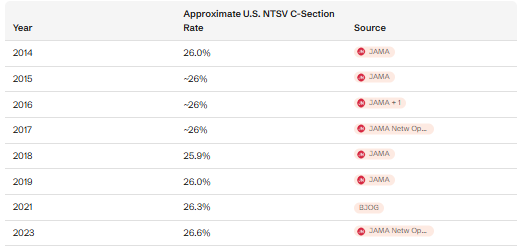
Thus far, my concerns have been valid. Since ARRIVE was published in 2018, we have not seen a substantial reduction in the overall nulliparous, term, singleton, vertex (NTSV) cesarean rate at the population level, despite all the women being pressured into unnecessary inductions.
I have some guesses as to why. First of all, I question the supremacy of a randomized controlled trial (RCT) in assessing birth outcomes. I actually debated with Emily Oster about RCTs vs. retrospective data in assessing birth outcomes on her Parent Data podcast! Start listening at 21:10 if you want to hear my full explanation.
Basically, I think retrospective and observational data is more valuable, because it shows how people actually practice in the real world. The pressures on obstetricians are quite different on a random labor and delivery unit in West Virginia at 10 p.m. on a Friday night than within the confines of an RCT where physicians are being watched and protocols for evidence-based cesarean are being followed.
What stood out to me about the ARRIVE trial was that both arms of the study achieved cesarean rates substantially lower than the national average for NTSV births, which is 25–27% and varies substantially by hospital. For example, one study of California hospitals showed nearly 5-fold variation in NTSV cesarean rates across labor and delivery units (18.5% to 84.6%)!
C-section outcomes are highly institution-dependent, and sadly, most of us don’t have control over whether or not the hospital nearby is C-section happy.
So, not to drag Elena Bridgers into this, but I recently experienced some intellectual whiplash reading her Substack. First, she published a beautiful piece called To Home Birth or Not to Home Birth? that I found very helpful and accurate. My only concern was that it didn’t spend much time defining which kind of women were low-risk enough for home birth, or acknowledging that a large percentage of women—probably the majority—either would not be good candidates for home birth, would not personally want one (epidurals are a popular choice!) or simply would not have access to qualified home birth midwives. Also, about one-third of first-time mothers planning a home birth will ultimately transfer to the hospital at some point during labor anyway.
Then, in Should You Induce at 39 Weeks? she basically came to the polar opposite conclusion, glazing the ARRIVE trial and saying that for everyone else who is planning to give birth at a hospital, you might as well just get induced at 39 weeks:
If we ignore individual preferences (which we shouldn’t) and just look at the data, then it seems to me like well-integrated, midwife-attended home birth is still optimal choice for low-risk pregnancies in terms of maternal outcomes (as I reviewed in depth here), but if you are going to give birth in a hospital, and it’s your first birth, outcomes are actually slightly better if you induce at 39 weeks.
Ok, sorry, but I basically started my whole “A Moderate Midwife” Substack to present the viewpoint that there are more than two choices in birth. There is actually a lot between a zero-intervention home birth and a 39-week induction with every possible intervention. You can have a nice hospital birth.
Hospital Birth Doesn't Have To Be Horrible
·
December 11, 2025

Hi friends! Before we begin, I want to confess something. This essay has been a work in progress since late last year, and my New Year’s resolution was to get it published in a mainstream media outlet. But here we are in December, and after pitching it in various forms to several places throughout the year, I still haven’t found home for it.
And maybe I’m just in a bad mood because it feels like she left out the substantial number of CNMs in our country kicking butt at reducing the C-section rate. We’re active in all 50 states, and 94% of us attend births in hospitals, making us a lot more accessible to the general population than your average home birth midwife.18
Take a look at this beautiful recent study (N=7345) from the Journal of Midwifery and Women’s Health where induction was common, but not routine, and it didn’t seem to impact the C-section rate much: Outcomes for Labor Induction Compared With Expectant Management Among Women Receiving Hospital-Based, Midwifery-Led Care:
Look at the NTSV C-section rate without any kind of routine IOL policy:
The overall cesarean birth rate was 10.7%; the nulliparous, term, singleton, vertex cesarean birth rate was 18.4%. Labor induction occurred in 28.8% of births. Cesarean birth rates following induction of labor (IOL) ranged from 10.5% at 39 weeks to 31.1% at 42 weeks. No significant differences in cesarean birth rates were observed between IOL and expectant management groups across gestational ages in adjusted analyses. Secondary outcomes, including postpartum hemorrhage, Apgar scores, and neonatal intensive care unit admission showed no significant differences across groups. Time from admission to birth was significantly longer following IOL, averaging 31.5 compared with 12.6 hours for spontaneous labor at 37 weeks.
I highlighted that last bit just to remind everyone why I hate inductions. It’s not necessarily that they are more likely to end in C-section. It’s that they are longer and more unpleasant.
And this is exactly why I’m so interested in the French ARRIVE trial, now underway, which is attempting to replicate the original ARRIVE findings in a healthcare system that looks very different from ours in that 70-80% of care during birth is provided by midwives. That’s right—in France, midwives are not some fringe alternative. They are the default providers for low-risk labor care. And that matters because (surprise, surprise!) baseline cesarean rates in this country are already much lower. The expected control-group cesarean rate in the French trial is around 15%, compared with roughly 22% in the original ARRIVE trial.
If a system already achieves relatively low cesarean rates through midwifery-led, physiologic labor management, does adding more elective induction improve outcomes further? Or was ARRIVE’s apparent benefit in reducing the C-section rate actually specific to the American obstetric environment in which the trial was done?
I guess we’re about to find out. I can’t wait!
Closing—An Analogy For Induction
I know a lot of moms struggle with knowing what to do when induction is recommended, so I have written this analogy to help you wrap your head around it:
Imagine that you are the mother of a two-year-old child, and it’s a beautiful day, so you walk several blocks to the park, hand-in-hand with your child. Once you arrive, you judge the toddler playground area to be safe, so you let him explore. He can climb the small ladder and go down the slide. He may ask to be pushed in the swing. He can contentedly toddle around in the grass nearby. You are letting him lead the experience because all is well. If nothing changes, you will let him play until he’s tired, hungry, and wants to go home.
But if you start to notice storm clouds and thunder in the distance, you will tell him it’s time to go. In some circumstances, he may not want to go! He may put up a fight. But if it’s clear by looking at the sky that you cannot stay at the park, you will snatch him up, despite his protests, and begin to lead him home. If he will not walk, you will carry him, even if he struggles and kicks. With any luck, he will be in a good mood, and come willingly. Either way, you will make this decision for him because, as the adult, you judge that the situation is dangerous.
Suppose that on the walk home, you are suddenly caught in a torrential downpour, maybe even with hail or lightning. There is a 5 in 1000 chance that you will be struck by it. So you will find cover. You duck into a nearby coffee shop.
Cold and drenched to the bone, your child crying in distress, you will lean on the safety of the coffee shop and its staff. Chances are, they will take good care of you both. They may offer you a towel, some kind words, and a warm drink.
Of course, there is a chance they will not be so kind. The coffee shop owner may complain about the wet footprints you’ve left on the floor. She may say something uncharitable like: “Didn’t you read the weather forecast today? How did you not know it was going to rain?” Perhaps she will question your parenting: “What kind of mother brings her child out in a rainstorm?”
These comments may hurt you, but you should hold your head high. You have done what you needed to do. You have brought your child out of the storm.
A lot is made of the fact that ARRIVE was a “random” sample of nulliparous, term, singleton, vertex (NTSV) moms, but it wasn’t random at all. It was a group of people who didn’t mind being induced, so would have excluded any moms with a strong preference for physiologic labor. That matters, because a desire for low-intervention birth is also linked to lower C-section rates.
This study controlled for risk factors and found that moms receiving midwifery care in a hospital setting (from CNMs like me!) had approximately 30% lower risk of cesarean delivery in nulliparous patients (adjusted relative risk [aRR] 0.68; 95th% CI 0.57-0.82), and an approximately 40% lower risk of cesarean in multiparous patients (aRR 0.57; 95th% CI 0.36-0.89).
Comparison of Midwifery and Obstetric Care in Low-Risk Hospital Births
This chart from ACOG is useful at describing stillbirth risk with certain factors compared to the overall stillbirth rate, which is 6.4/1000
We could debate why the stillbirth rate has fallen (more inductions? better fetal surveillance during pregnancy? improved overall health?) and whether the tradeoffs are worth it. But from the conclusion of Evolving stillbirth rates among Black and White women in the United States, 1980–2020: A population-based study: “Age, period, and birth cohorts greatly influenced US stillbirth rates over the last forty years. The decline in stillbirth rate was evident between 1980 and 2005, however subsequent declines have been minimal, reflecting no further gains for cohorts of women born in 1955–1980 and stagnation of period effects starting in 2005.”
Personally, I am of the opinion that we have reached a point of diminishing returns with induction. Furthermore, the continued racial disparities indicate we’d be better focusing our efforts elsewhere.
But that approach is not universal: historically, and in some countries still today (the Netherlands, Scandinavia), pregnancies have often been considered “post-term” and induction recommended only after 42 weeks.
There are different definitions of low-risk and it’s my biggest pet peeve when people throw this around without defining it, so let me tell you what it means to me: mom is <35 years old, has a pre-pregnancy BMI <30, does not have gestational diabetes or any hypertensive disorders of pregnancy. I’m not saying I force earlier induction on any of these people, but I do offer and/or recommend it sometimes. And I recommend induction at 41 wk rather than continuing to wait until 42 if a person has an additional risk factor (like older age or obesity). It’s always the mom’s decision, but I feel a lot more comfortable waiting until 42 weeks if the mom does not have other risk factors. From 41-42 wk we do NSTs (listen to baby’s heart rate for 20 min) every 3 days.
Personally, I waited it out in both my second and third pregnancies and my boys came at 41w1d and 41w2d. The second avoided a Friday the 13th birthday and chose pi day: 3.14.15. I’ve always found that really meaningful, because pi is an irrational and transcendental number (and the boy is good at math!) Computers have calculated trillions of its digits without ever finding a predictable repeating pattern. Very mysterious.
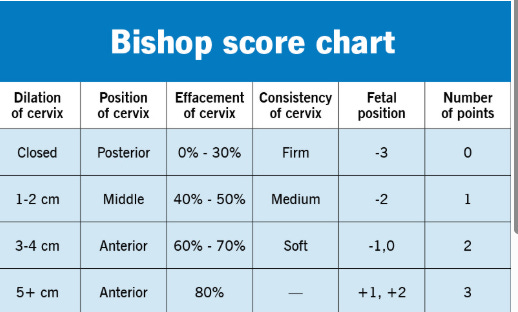
Maybe you’ve heard of the Bishop Score, but it’s a system we use to determine if someone is ready for Pitocin or requires cervical ripening first. Being honest, there is a lot of subjectivity to a Bishop score: lots of variability based on your examiner.
I’ve had a few bad experiences with Cytotec, but I’m not going to go into them here because it feels like the n of 2 that I shouldn’t be using to guide management or scare other people!
Biggest disagreements include “I’m not comfortable going up on the Pitocin because of baby’s heart tones” vs “This baby’s heart tones are fine. If you don’t go up, she’ll end up with a C-section”
Again, #notallOBs but this is the pattern I have seen for my entire career in hospital birth. Yes, I have known a few awesome OBs who spent significantly more time with patients. But this is not the model in which they learn, or typically practice. I spoke a little bit about this on my Podcast with Emily Oster.
This is not a diss against home birth midwives, who are usually CPMs (with a few CNMs)! Their work is really important. But their birth model only allows them to take on maybe 5 patients a month, and there are far fewer of them in our country, with some states having almost none: “According to data cited from the 2023 GAO Midwives Report (GAO-23-105861), there were approximately 13,409 Certified Nurse-Midwives (CNMs) and 2,723 Certified Professional Midwives (CPMs) nationwide.”
No posts
Comments
Nothing yet. Say the first thing.
Sign in to join the conversation.