
“Is the job market bad right now?”
After 5 years of coaching jobseekers, I find this question hard to answer.
My product is live! Try OfferBee
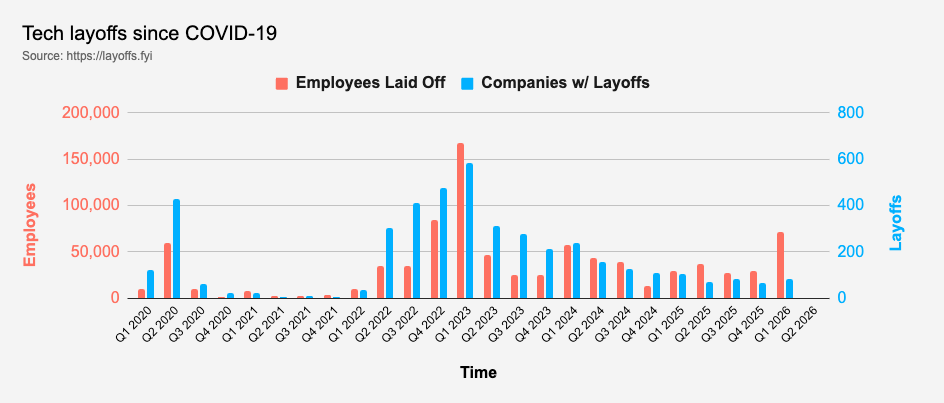
The tech job market has certainly not been better since the pandemic started. Layoffs become more frequent with some FAANGs even doing multiple layoffs in a year.
We can’t choose when we have to look for a job. If we need a job, we need it now. The bills can’t wait for when the market is good again.
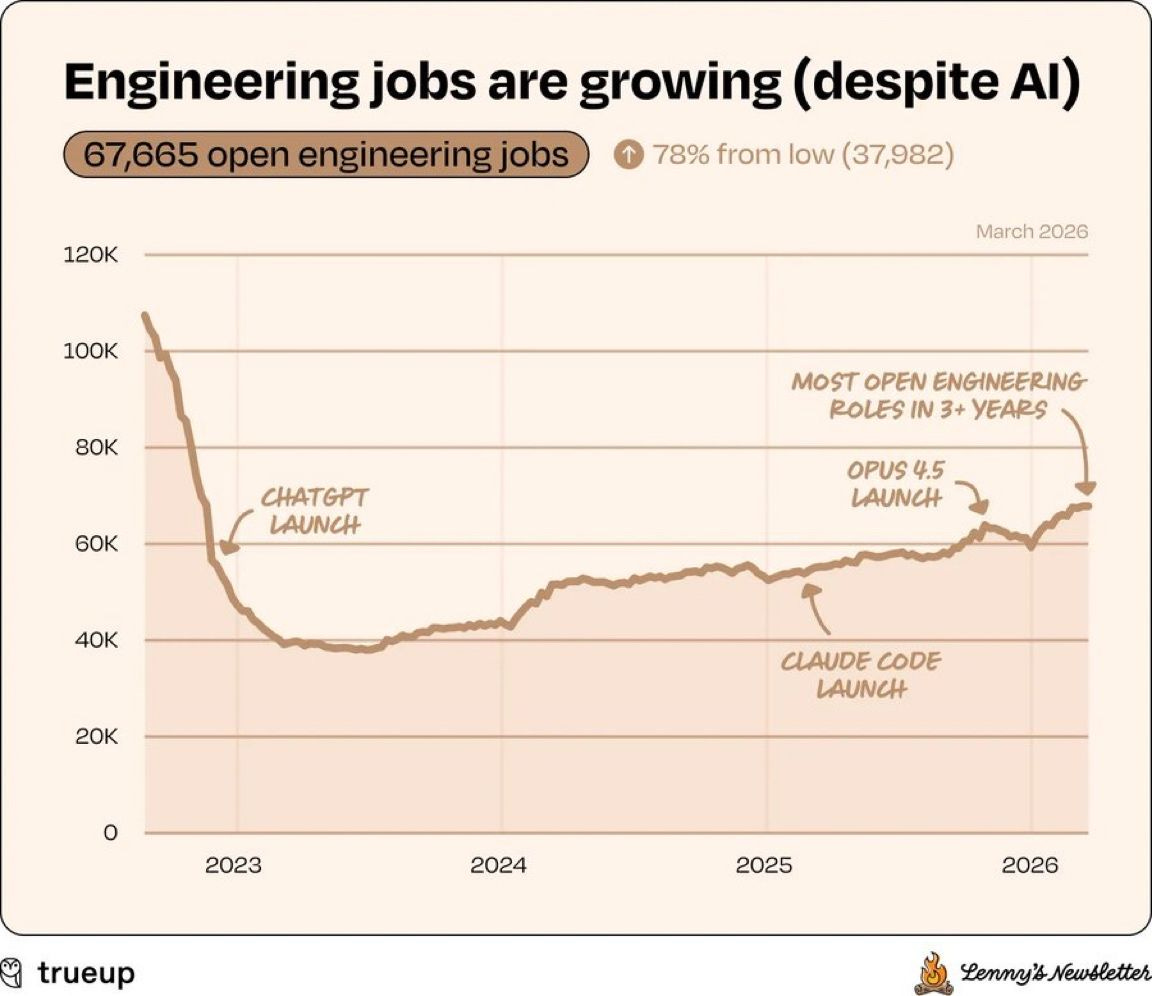
However, 2026 has given us some positive signals. I’m seeing a lot more job openings pop up on my timeline. Lenny’s Newsletter shared that on some job boards, PM, engineering, and recruiting openings are the highest in 3 years.
What do these market fluctuations mean for jobseekers?
They are no longer the chill, fancy big money, “get hired if you learn to code” jobs as they appeared to be years ago. This is a good thing. Most tech jobs were never that chill or fancy to begin with. Understanding the reality of this industry helps people make informed decisions about their careers.
My dad was assigned a teaching job right after university in 1990, and he’s been in that same school for 36 years. He was shocked and worried when he heard how frequently layoffs happen in my field, yet it was just another Monday for me. Not to mention the overwork and 996 culture, Slack and Teams installed on personal phones making us reachable 24/7, and young people pushing themselves so hard to justify their 6-digit salaries.
I believe we as workers have power against companies which we can leverage collectively. But the pre-COVID nostalgia is not helping us land the job offer we need today.
Companies evolved so much in the way they make decisions in the past 10-20 years. Yet many still apply to jobs the same way as before: same CV format, same cover letter style, filling out the form then wait for a response, “spray and pray”.
“Insanity is doing the same thing over and over again and expecting different results.” Civil rights campaigner and feminist writer Rita Mae Brown said it best (indeed, this quote was often misattributed to Einstein).
Here’s 3 tips on adapting your strategy:
1. Don’t rely on 1 job site. LinkedIn in particular is the most expensive job board, putting a high barrier for the jobs that get displayed. This means lots of openings are on other platforms.
LinkedIn is also built to monetize the data of jobseekers. The Easy Apply button jacks up applicant numbers so they can charge hiring companies more. On the recruiting end, we often saw LinkedIn as the bad channel with the lowest ROI, where often more than 60% of the applications being completely irrelevant for our roles.
Other job boards will make money in similar ways. This is why it’s better to see them as one of the many tools in your job search toolbox.
Don’t mistake convenience for higher chances of success.
2. Experiment. If you notice a specific method (e.g. networking) worked out well for you, double down. If something is not working out, try a new approach. What worked for others might not always work for you, because we all have such different careers and skills.
Out of personal interest, I collect unconventional stories of how people landed jobs in tech. 3 examples came to mind:
Marta made a super cool short film about her professional skills 2 years ago and got over 140k LinkedIn reactions. I’m pretty sure she was hired very soon!
A former colleague of mine, now an engineering manager with about 10 years of experience, told me he never applied for a job, because while he was still studying in university, he wrote a script to connect with all the HR managers and recruiters in his city, then when he graduated, he simply posted on LinkedIn that he was available for jobs and was reached out to directly.
An experienced product designer mentor I know, once hosted an event in his city about product design and invited all his favorite companies to attend. He presented his work and of course, happened to have mentioned he was open for hire at the end.
3. Understand hiring mindsets. If you had 1000 people wanting to fix your lightbulb, how do you decide who to hire? Are you going to interview every person? What are things outside the basic requirements you might take into consideration?
From an applicant’s point of view, it’s easy to think “I met every requirement written here, therefore I should get the job”. But the internet (and the spray and pray method) made it too easy to have hundreds of applicants per job, most of them decently qualified. And the employer wants to suss out the less suitable as much as they can.
If you’ve been following me for a few years, you know I’ve been slowly building up to this point… As a recruiter, I was disappointed in most of the job search tools out there and the ineffective features they pretended would work.
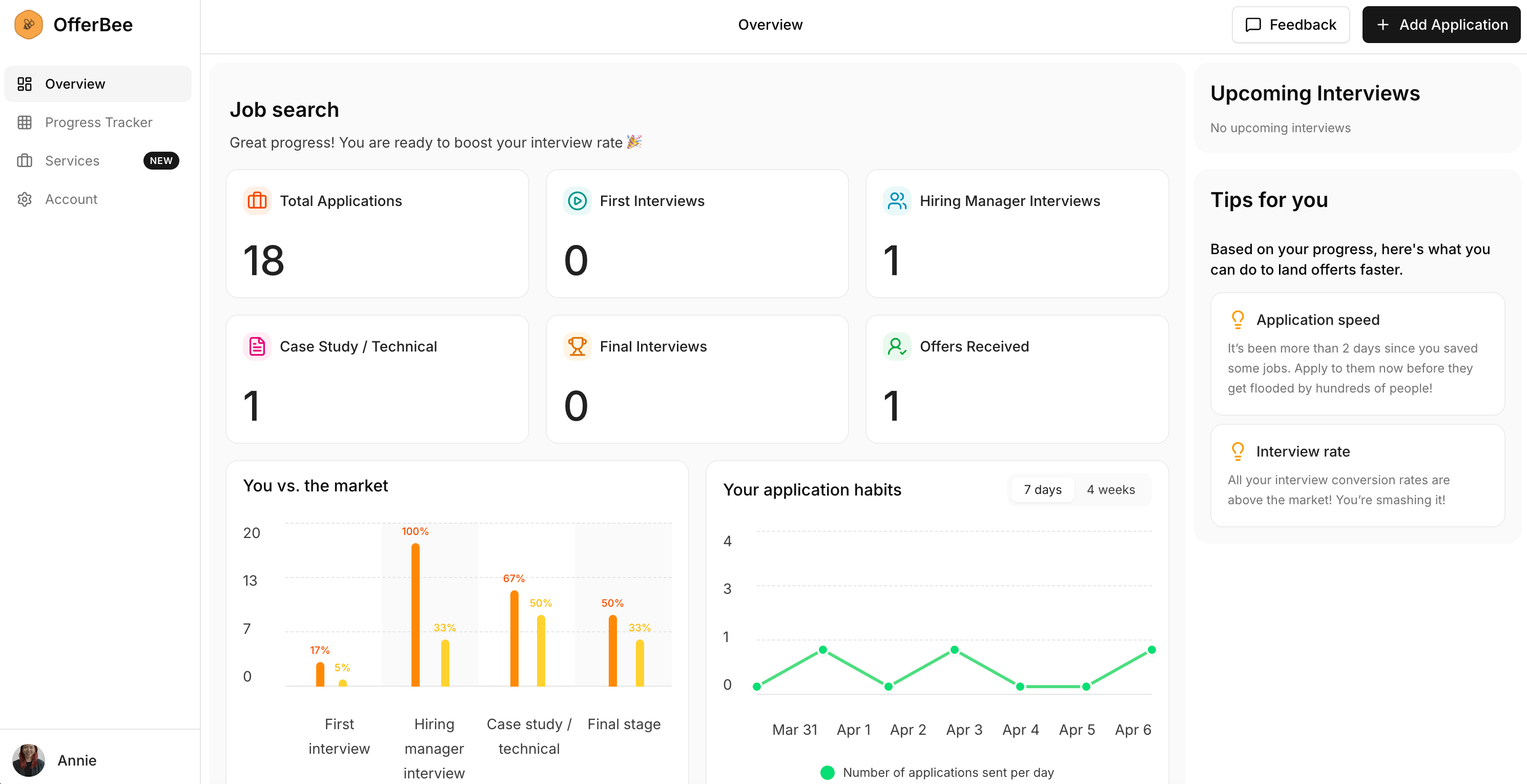
This is why I built OfferBee, a smart job search tracker that not only helps you capture key information, focus on the big picture, but also provides personalized tips as you go through the journey. If you’re looking for jobs, I’d love for you to try it out and let me know what you think!
No posts
Comments
Nothing yet. Say the first thing.
Sign in to join the conversation.