
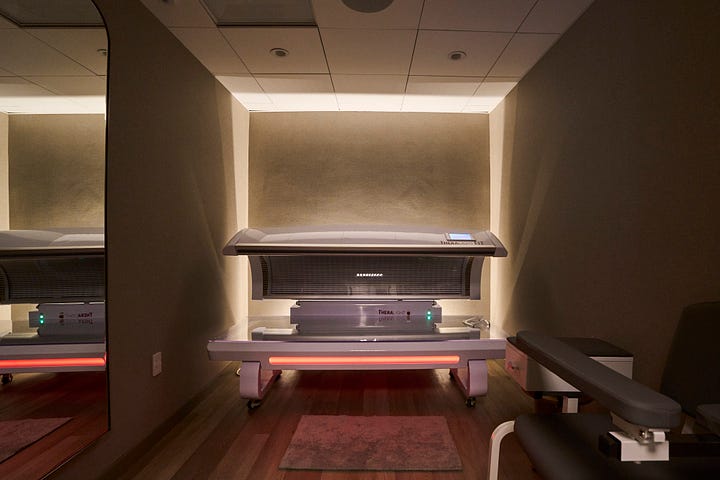
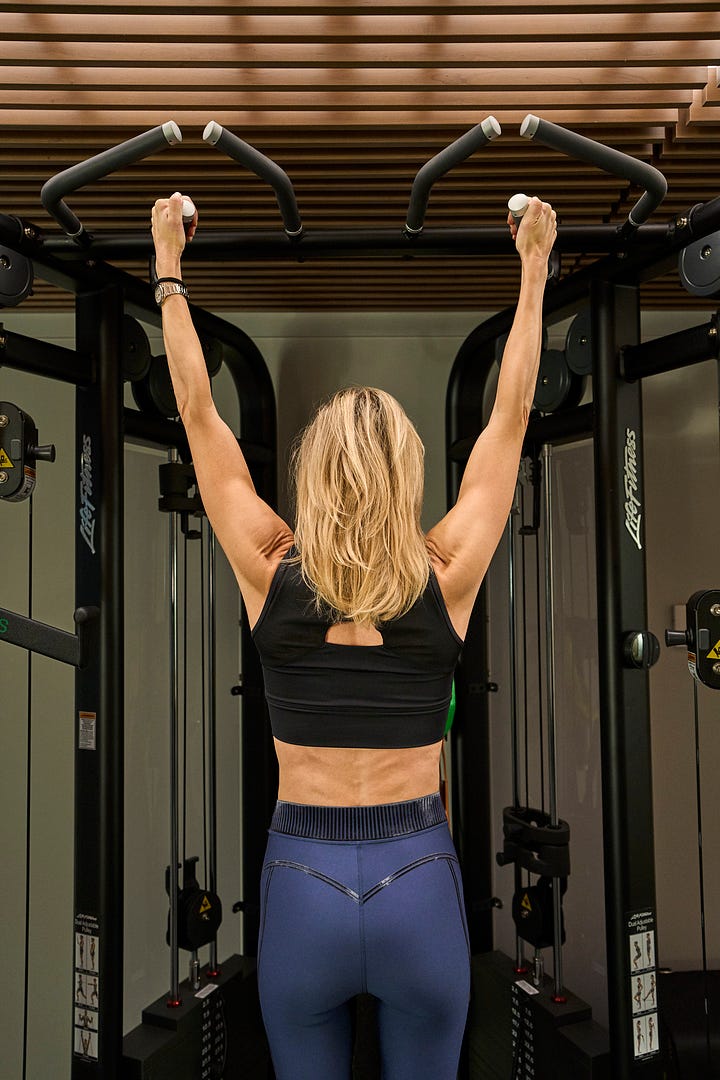
In a back corner of a sprawling medical complex in San Francisco’s Pacific Heights neighborhood, there’s an unmarked ground-floor suite lined with barbells, a red-light bed, a laser machine, and a doctor’s office. Women here pay $20,000 a year for hormone testing, supervised strength training, on-demand doctor visits, and aesthetic treatments that can run $2,000 a session. It’s part medical practice, part gym, part spa, part biohacker lab.
Welcome to the Female Longevity Institute.
Longevity, as a concept, has long been steeped in bro culture—popularized by podcasters touting testosterone, influencers showcasing supplement “stacks,” and billionaires intrigued by blood plasma swaps. The genre has been performative, extreme, and overwhelmingly male. But an emerging cohort of affluent midlife women is now looking for a version of it that speaks to their bodies, hormones, and fears of aging.
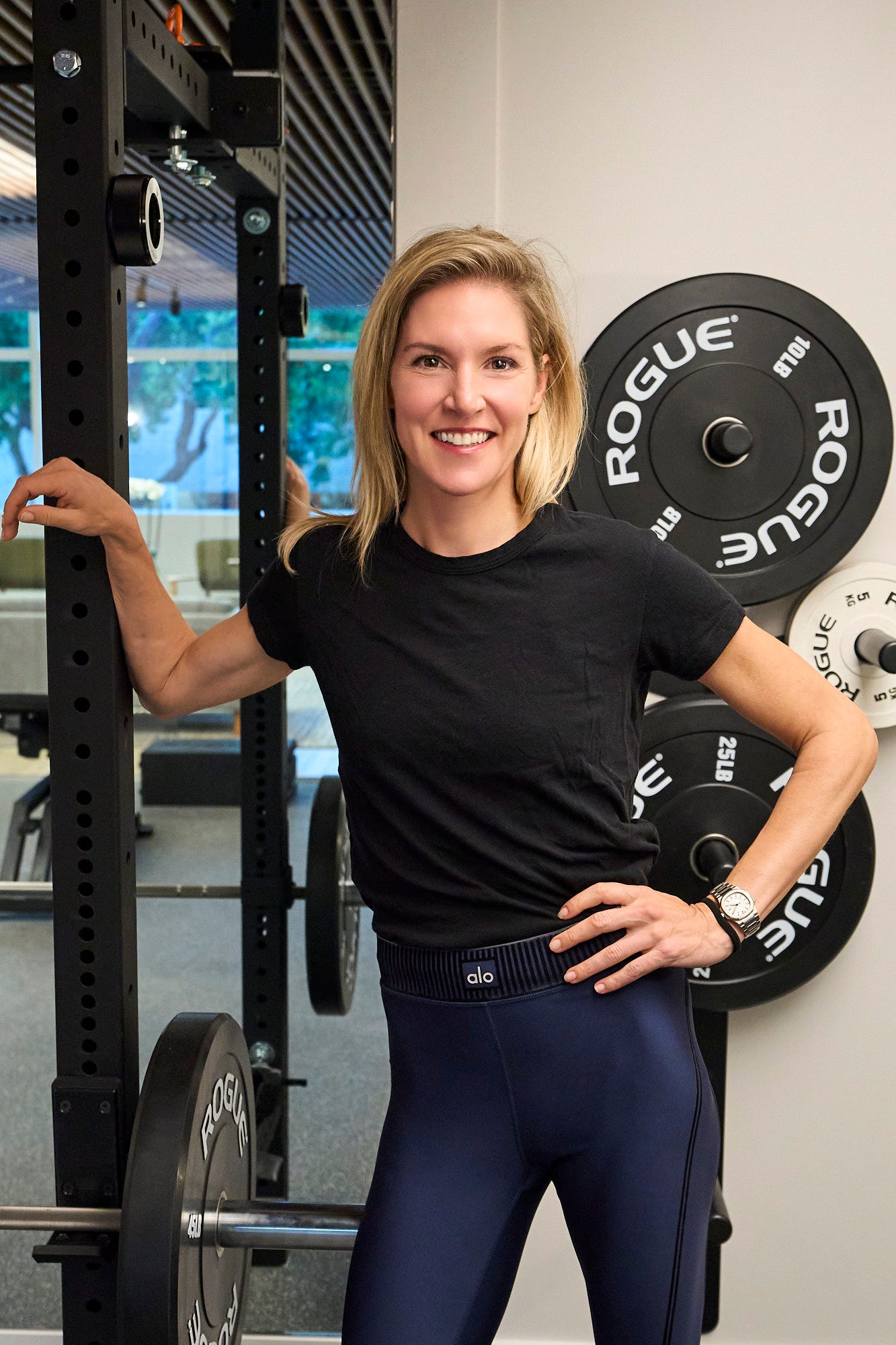
In San Francisco, that search has a figurehead: Lynn Jurich. Jurich is best known as the co-founder and former CEO of Sunrun, the rooftop-solar and battery company she helped build into a multibillion-dollar enterprise. She stepped back three years ago and turned her attention to women’s health. Tall, blond, and long-limbed, she has the rested glow that midlife women in this city spend real money pursuing. (I’d interviewed her last summer for TIME and flew out to see how her newest experiment was taking shape.)
Within minutes of arriving, I’m zipped into what looks like a giant pressurized sleeping bag as a staffer sticks three electrodes behind my ears. A skipping, disharmonious rhythm pulses through my headphones. It’s a neurofeedback session, I’m told, meant to calm the brain and improve focus.
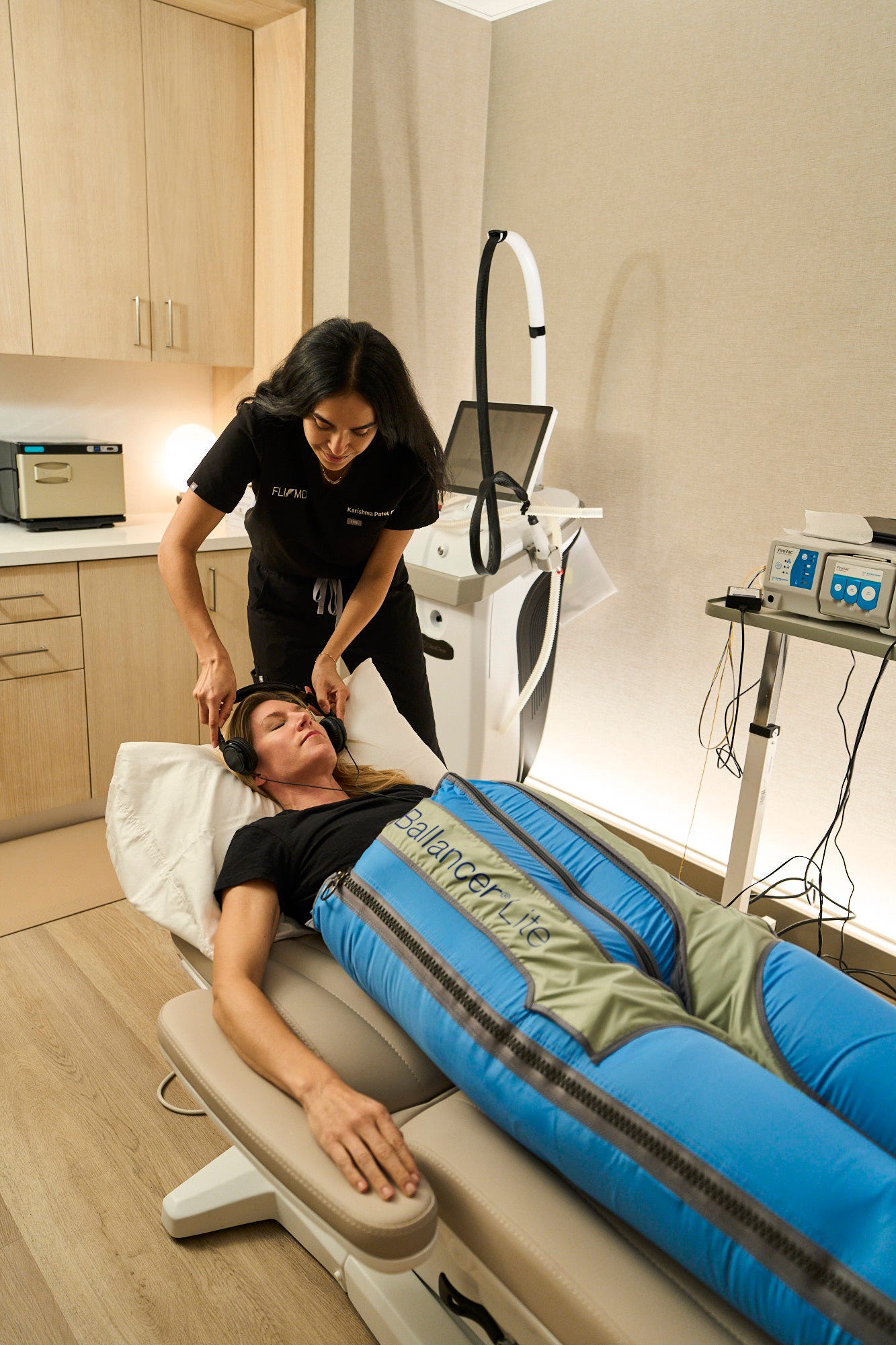
(To be sure, research on neurofeedback is mixed. A recent JAMA Psychiatry meta-analysis found little evidence of meaningful benefit, though some studies showed small, statistically significant gains.) Still, the ambiguity has not slowed demand.
“People are desperate to find tools to help them, and that’s why alternative medicine is growing rapidly,” says Deborah Kado, a medical professor who co-directs the Stanford Longevity Center. “The focus has largely been on men. But women want answers too. They want to feel young and beautiful for as long as they can. And the medical research just hasn’t been there yet to make most doctors comfortable giving recommendations.”
FLI offers a 30-day diagnostic blur of blood panels, glucose monitoring, gut-microbiome testing, biological age scoring, “epigenetics,” neurocognitive assessments, and fitness analysis. After that comes a year of treatment and oversight. At the center of it all—unexpectedly—is heavy weightlifting.
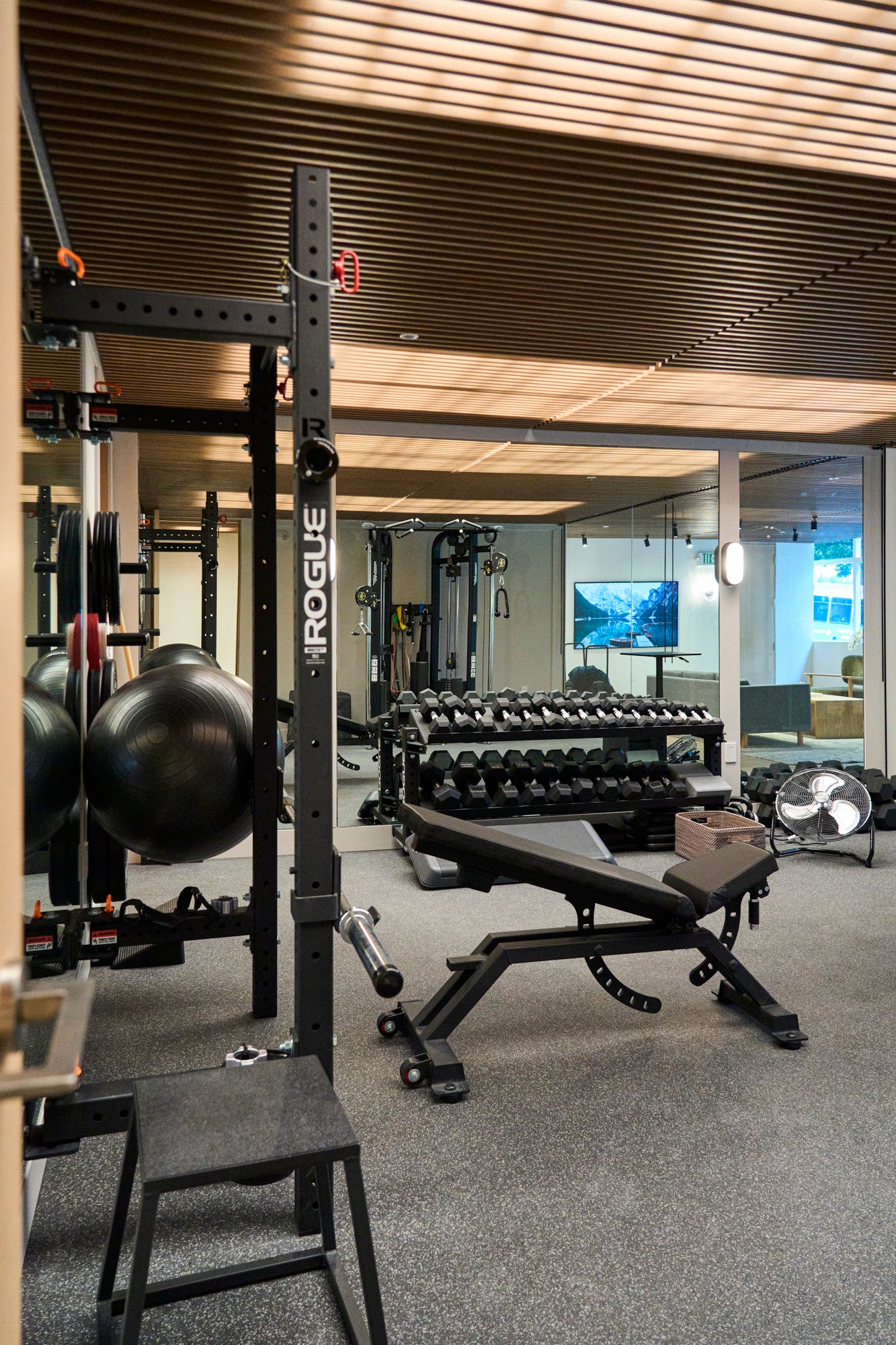
In a small training room, there’s a squat rack, Rogue plates, and little else. No treadmill. No Peloton. No cardio equipment at all.
“A key goal of ours is to bring back feminine power,” Jurich tells me.
Many women here share a common frustration: being told they are “fine” by traditional doctors even when they don’t feel fine. Hormone therapy, long stigmatized by outdated cancer warnings, is slowly being reconsidered. Yet fewer than 5 percent of menopausal women use it. In research and practitioner circles, however, there’s a growing belief that it offers not just symptom relief but real longevity potential—across brain health, cardiovascular protection, osteoporosis prevention, and bone density. The problem, Jurich says, is that HRT is still approached primarily through the lens of symptom management, not long-term health.The default remains the “minimum viable dose,” rather than an understanding that these are, in many ways, longevity hormones.
Two to three times a week, 52-year-old Melissa Gisler arrives in Vuori leggings for an hour of Romanian deadlifts, barbell hip thrusts, and goblet squats with her trainer, Sara Goldman. Gisler joined in February and didn’t balk at the $1,333 monthly fee. She’d already been spending roughly the same for concierge medicine for her family—without much clarity or progress.
“I was spending $10,000 to $15,000 a year trying to piece this together myself,” she says. “Nothing fit together. Here, it finally does.”
FLI ordered microbiome testing, genetic screening, biological age scoring, and an early-cancer blood panel. Within months, clinicians gradually increased her estradiol dose from 0.025 mg—the lowest starter level—to 0.075 mg.
Recently, Gisler popped in to show a nurse practitioner a swollen finger. It turned out to be nothing serious. But within minutes , the staff wrote a case report, looped in a dermatologist, and phoned an ER specialist to confirm their thinking.
“That just doesn’t happen anywhere else,” Gisler says. “To go in, point to my finger, and everyone mobilizes around it—I’ve never experienced care like that.”
Jurich’s obsession with women’s longevity didn’t appear out of nowhere. She grew up a self-described “Type A from age four,” devouring biographies, grinding through elite club sports, and pushing herself to the breaking point by 18. She graduated from Stanford into the dot-com boom, day-traded stocks, joined a venture firm, and co-founded Sunrun at 27. She pumped breastmilk between IPO roadshow meetings. By her forties, her arm throbbed from searing nerve pain. After stepping away from her CEO role, surgeons told her the degeneration in her neck resembled that of a rugby player.
Only then, she says, did she realize she had spent decades building companies and almost no time maintaining the body that built them.
The Female Longevity Institute is her attempt to rewrite that script—not just for herself, but for “dysregulated” midlife women who feel their bodies unraveling faster than their ambitions. She plans to build lower-cost versions in the future and use revenue to research ovarian optimization, which she believes is one of the most neglected areas in medicine.
The goal, she insists, is not to live to 150. “We just need to feel good again,” Jurich tells me. “That’s it.”
No posts
Comments
Nothing yet. Say the first thing.
Sign in to join the conversation.