
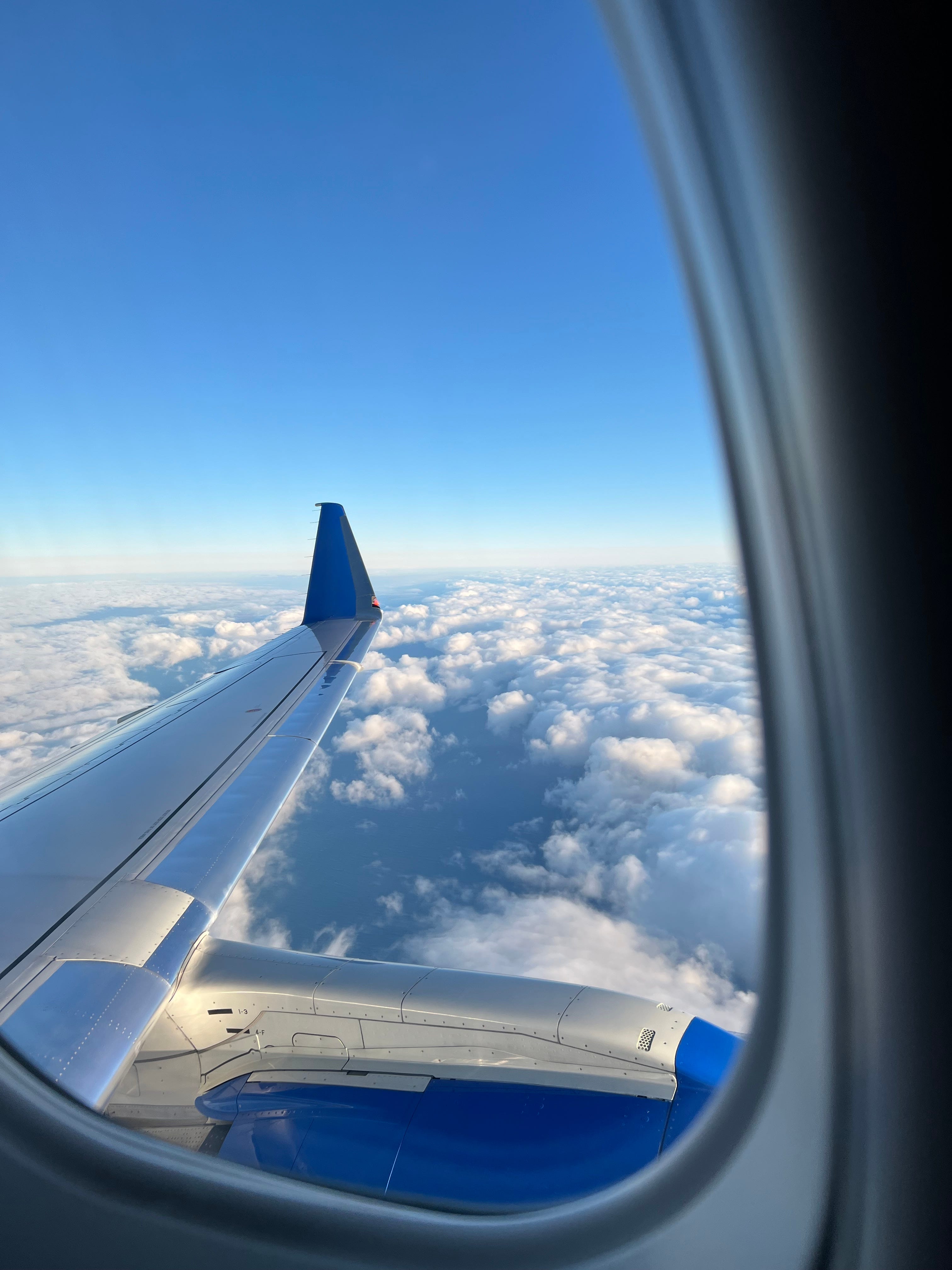
A day ago I was at the United Nations in New York, as diplomats debated the future of nuclear weapons. Today I’m on a plane to Japan, where I’ll spend the next seven months on a Fulbright fellowship researching peace and security in East Asia, and sharing with you what I am seeing and hearing in Tokyo, Nagasaki and beyond.
I’m writing to say hello to everyone who found their way here in the last few days. I’m so glad you’re here.
If you’re wondering who I am beyond the bio, the best way I know to answer that is to share three pieces that tell my story:
The Day My Eight-Year-Old Son Led Me to Nagasaki — How a boy who played with dolls changed my life’s work, and what a journalist in a red beret taught me about what it means to really listen.
The Border Between Us — My husband and I have different passports. What that has meant for our family, and what it taught me about building peace across the divides that live inside our own homes.
Our Borders Ourselves—A Feminist Response to Minneapolis—Thinking about “border protection” through a feminist and global lens.

Each month, in my Ambassador’s Notebook, I come to you live with updates on what is happening in global peace and security. This month, that’s from Tokyo.
Each month, also, we explore one diplomatic move you can use— a practice I have seen the best diplomats deploy, that you can put to work right now to support democracy, strengthen institutions, and act on the global challenges that keep us up at night. There’s a free post introducing the move, a podcast exploring the theme in practice, and
For my inner circle of paid subscribers, there’s more: a Field Guide essay where I go deeper — the research behind the move, reflection questions and exercises to help you put it into practice, and also my more thinking still in formation, the things I’m not ready to say on a public stage — and a monthly AMA session where you can bring your own questions, clinic-style.
This month’s move is listening. Not passive listening — strategic listening, the kind that diplomats use to navigate impossible rooms and that any of us can use to build trust, read a situation, and find the opening that argument alone never creates. As a professional anthropologist, I’ve been practicing this for a long time. After decades of watching negotiations at the UN, I want to share with you what I know.

When you become a yearly paid subscriber this week, you’ll get access to How to Stop Nuclear Weapons— a self-guided primer I have built over the last year from interviews with survivors, diplomats, and activists, essays and explainers that synthesize the academic debates in a quickly digestible form, plus reading lists and discussion guides like I would share with my students. Everything you need to move from alarmed to informed. Here’s what you’ll learn:
Week 1: Nuclear Weapons Today — The Current Threat
Week 2: The History of Nuclear Testing (A Global Story)
Week 3: International Law & Strategy of Disarmament
Week 4: Creativity, Community & Resistance
Week 5: Passing the Baton
Week 6: Concrete Strategies & Your Plan of Action
My best thinking, curated. It’s my gift to you when you join my inner circle by May 17.
Become a paid subscriber — $80/year
And if you’re already a yearly paid subscriber, thank you! You’ll get the self-guided primer next week too.
I’ll be in touch from Tokyo.
Warmly,
Annelise
Comments
Nothing yet. Say the first thing.
Sign in to join the conversation.