

For four years I have been without a home. I have been yearning for one, and I (tentatively/finally?) feel ready to begin my search.
I’m entering a new phase—my real estate phase. But my thoughts and feelings about home—not to mention buying a house!—are complicated.
As I embark on this new adventure, I thought it might be a good idea to reread Deborah Levy’s Real Estate. Have you read it? I first read it in 2021 when I was doing a lot of dreaming about buying a house in the French countryside.
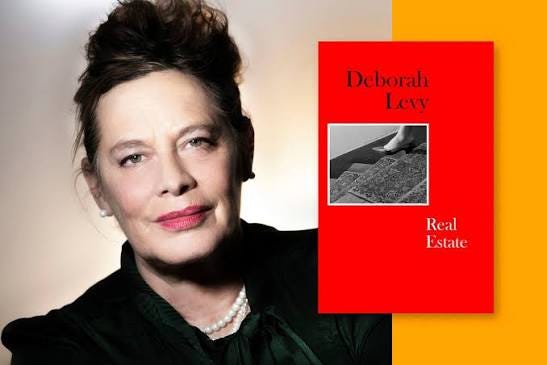
In my imagination, I took up residence in multiple homes, envisioning various lives in them. In August 2021, as soon as travel opened up again during the pandemic, I even traveled up and down France in search of the right place for me. But ultimately, I couldn’t visualize anything concrete. My dreams remained vague and unrealized.
The same is true for Levy. She was also facing the dreaded ‘empty nest.’ Her youngest was leaving for university, as my daughter did in 2022. She had been dreaming of a home that sounds a lot like my dreams as well:
There were many rooms, a breeze blew through every window, all the doors were open, the gate was unlatched. Outside . . . , butterflies landed on bushes of purple lavender. . . . I had recently added light green wooden shutters to the windows.
She goes so far as to buy things for this imagined house, indicating that it was more than just a fantasy. It had started to become real for her. She bought things like blinds, tablecloths, a copper frying pan, a watering can with a long spout. ‘I was collecting things for a parallel life, or a life not yet lived, a life that was waiting to be made.’
By the end of the book, however, she says, ‘My unreal estate was losing its reality.’ She considers that she has been drunk on a fantasy, like a fly that she watches becoming paralyzed by the sugary jam it feasts on. ‘I was endlessly searching for home, as if it were an elusive lover.’ The book ends with her full of questions but no answers, her dreams fading into the ether.
This ending didn’t bother me when I read it before. I wasn’t ready to realize my dreams either. But this time it did. I want to move out of the dream phase and into reality. She’s content to stay in her London flat and take up residence in temporary abodes in Greece and Paris to write her novels. She remains noncommittal, while I am trying to figure out how to move into a ready-to-commit place.
The idea of a home has something of the idea of a relationship embedded in it. We want to ‘fall in love’ with a house. Buying a house, signing the contract, is like getting married.
But it’s more than that. It’s can also be entangled with our ideas about relationships, a thorny topic for many of us. And for Levy. It is, in fact, the thing holding her back from committing to a home. She writes,
It seemed that acquiring a house was not the same thing as acquiring a home. And connected to home was a question I swatted away every time it landed too near me. Who else was living with me in the grand old house with the pomegranate tree? Was I alone with the melancholy fountain for company? No. There was definitely someone else there with me, perhaps even cooling their feet in that fountain. Who was this person?
A phantom.
Her life is full of people, but the home in her dreams is not. She cannot imagine who will share it with her. The house can take shape in her mind, but it can’t become a home if it remains empty.
I realized reading Real Estate this time that this is exactly what has held me back as well. I want much more than a house. I want a home. But what makes a house a home? Levy refers throughout to the phantom as a male partner who never materializes. She doubts he ever will, in fact. But why do we have this narrow view of who is required to be in residence for a house to be a home?
Elsewhere she brilliantly skewers the patriarchal household in which women are treated as tenants, while men are the landlords. She writes of a space ‘for living, [in which] no one’s life has more value than another, no one can take up most of that space or spray their moods in every room or intimidate anyone else.’ So many women are trapped in so-called homes in which they are not allowed to take up as much space as their male partners. In that case, ‘home’ becomes a trap they have to flee. Real estate becomes something they have to dismantle.
Having dismantled such a home, how can you create a new one? Levy cannot realize the home of her dreams because she cannot imagine a partner to share it with, probably because the partner who would not make a tenant of her feels even more elusive than the house itself.
But why stop there? Fuck the elusive partner! Re-imagine what home can be.
She actually writes at one point,
If [a woman] can create another sort of household, she can create another sort of world.
I want this to be my motto! She says this in the context of single motherhood, though, thinking about the home she made with her daughters after her divorce. The home a woman makes after her children leave home, however, remains a blank.
I love Deborah Levy, but I wanted something more from her on this reading, a wider imagination about what a home could be and how to make one. I’m eager to build one in my imagination that I can realize in actuality, not just retain as a fantasy that sits half-formed on a shelf in the back of my mind. This is my project now.
Do you have any recommendations for me for other books I can read on the subject of ‘Home’? I’d love to dig deeper.
In a couple of days I’ll be leaving France, saying goodbye to my daughter, and heading back to the UK. It will be a sad moment, for sure. But I’m excited to come back soon. My daughter will be a teaching assistant starting this fall in the town of Perigueux, east of Bordeaux. And I’ll be starting my house hunt in northern France. More about that in future letters!
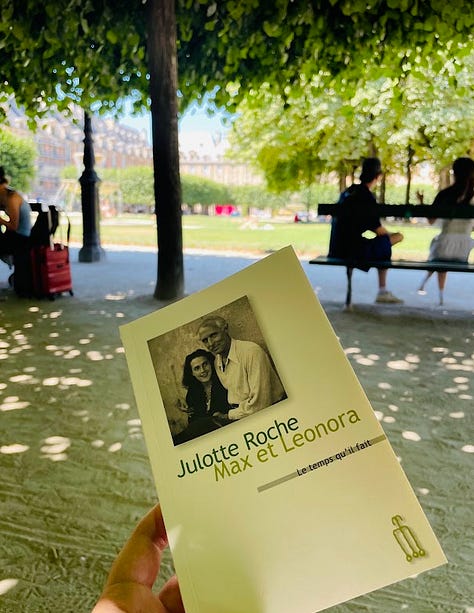
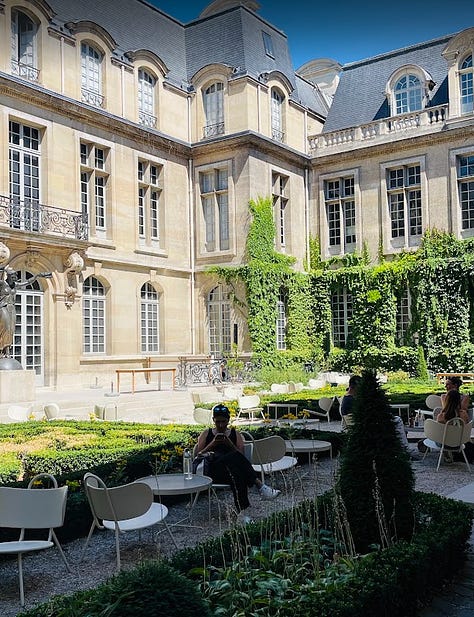
For now, we are enjoying Paris, which I have decided is officially my favorite city! Wherever I live in France, I want to be able to come here easily
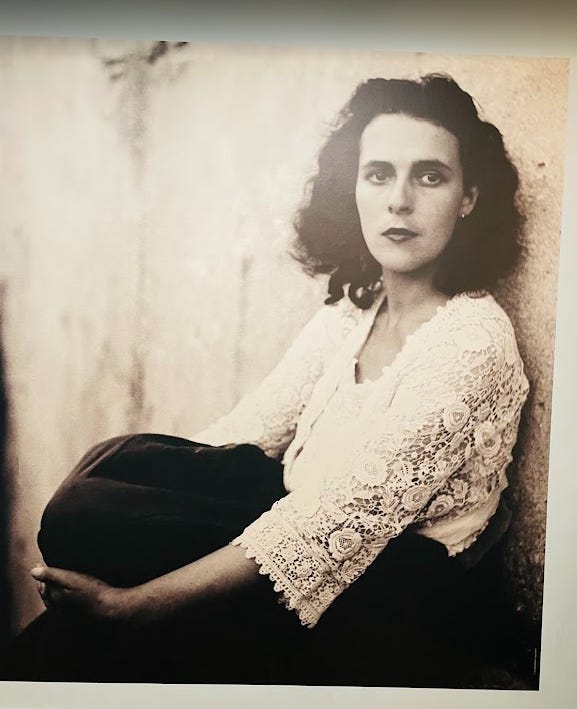
Every time I visit Paris, I enjoy some amazing exhibits of women artists. This time it was Leonora Carrington, the surrealist painter and writer. J’adore!
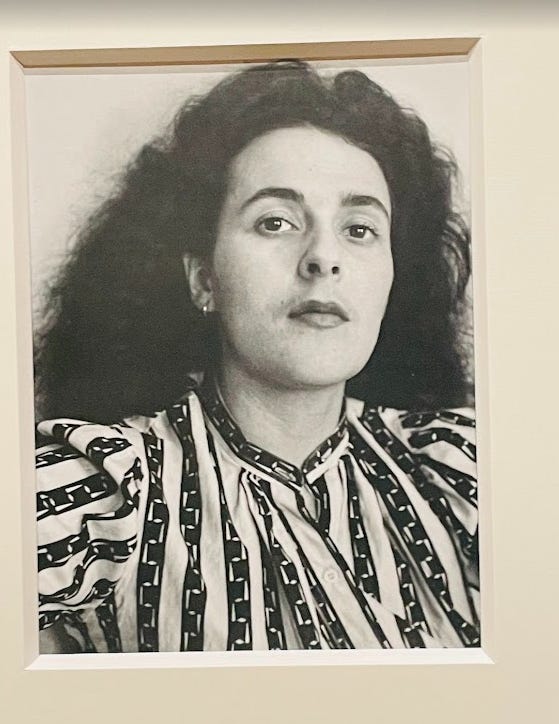
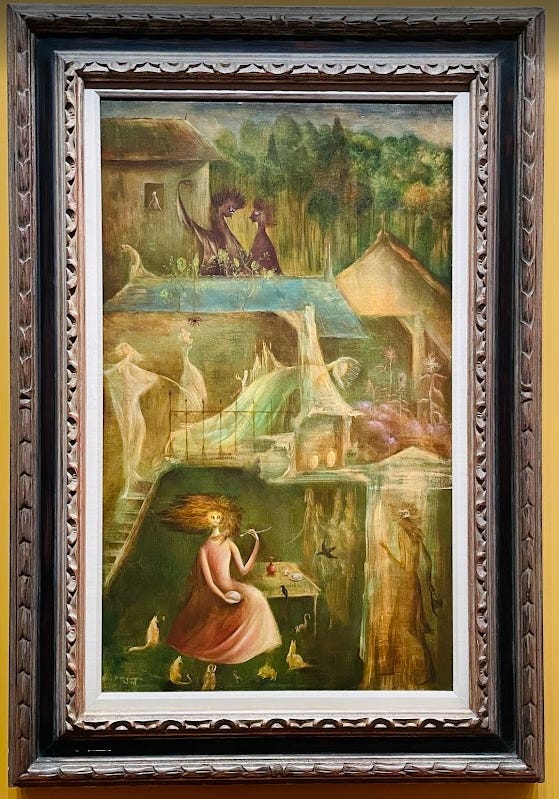
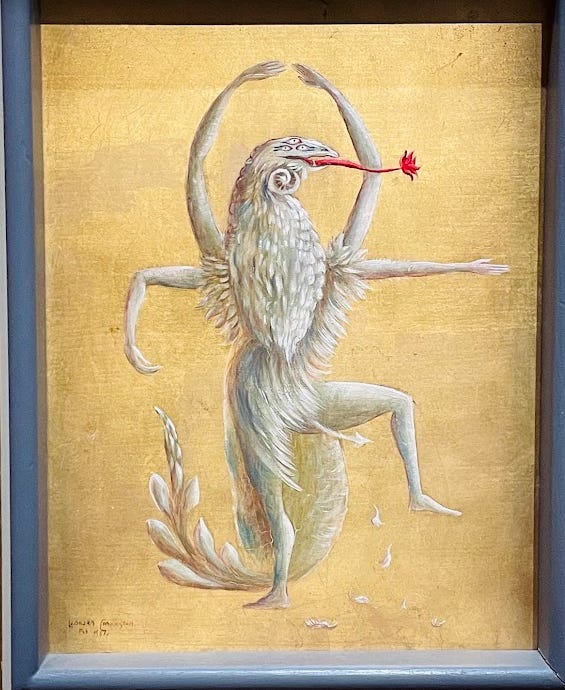
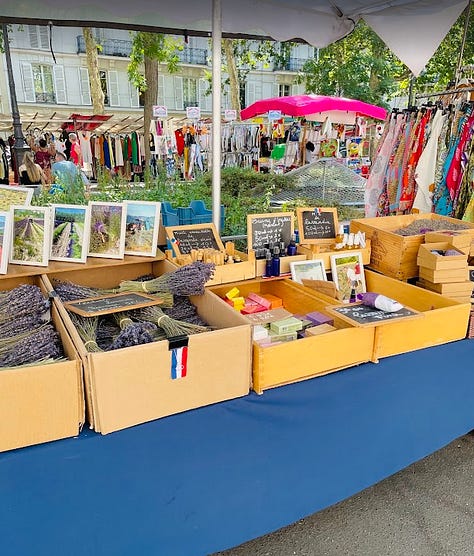
And we’ve loved just hanging out in the gardens of Paris and visiting the markets as well. So far, the heat hasn’t been as bad as we had feared.
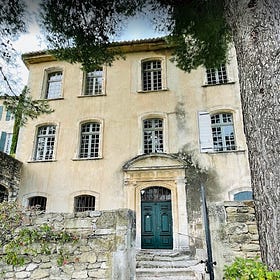
If you’d like to read more about France, I just arrived in Provence for a month-long residency (in 2022) at the Dora Maar House in the serialization of my memoir:
Disappearing in Provence
·
Jul 9
Hello, it’s time for another installment of FLIGHT, about my year of travel around Europe, following in the footsteps of bold women writers and artists who redefined their lives on their own terms.
Until next time,
Anne
P.S. If you enjoyed this post, please click on the heart at the bottom or the top of this email/post and help others discover Audacious Creative Lives. And it helps me know what kinds of content you value, which is important to me!
Anne Boyd was a literature professor in New Orleans for 23 years before embarking on new life abroad as a creative writer. She is the author or editor of seven books. She has been writing this newsletter since December 2022. You can learn more about her on her website.
Comments
Nothing yet. Say the first thing.
Sign in to join the conversation.