
In a recent Theo Von podcast episode, HHS Secretary Robert F. Kennedy Jr. made a bold claim:
“Fluoride is crazy because we know it reduces IQ — there’s no question.”
This sparked a heated debate online with some people saying this of course is being said by someone who has a brain worm and snorted cocaine off of toilet seats.
But what is the history of fluoride? Are you curious why we put it in our water but most nations do not? Let’s go through how fluoride was discovered and what the science actually says.

In the early 1900s, dentist Frederick McKay opened a practice in Colorado Springs. He noticed something unusual: many local children had severe brown staining on their teeth, now known as dental fluorosis. He didn’t find mention of this condition in any of the literature, so he started to experiment.

McKay advised that the town use a natural spring as a water source instead of the communal pipeline. When they switched water sources, the staining declined. So what was in the water that caused staining?
McKay and a member of the United States Public Health Services traveled to an aluminum company. During this time, some scientists were adamant that aluminum was safe. However when new testing technology came out, McKay discovered fluoride. Not only did he discover fluoride, he discovered that the high levels of fluoride actually caused the brown stains on the children’s teeth.

Turns out, fluoride is a by-product of aluminum production. The aluminum plant was contaminating the water.
Researchers later observed that children with mild fluorosis also appeared to have fewer cavities. That observation launched decades of study into whether controlled fluoride levels could reduce tooth decay without causing visible damage.
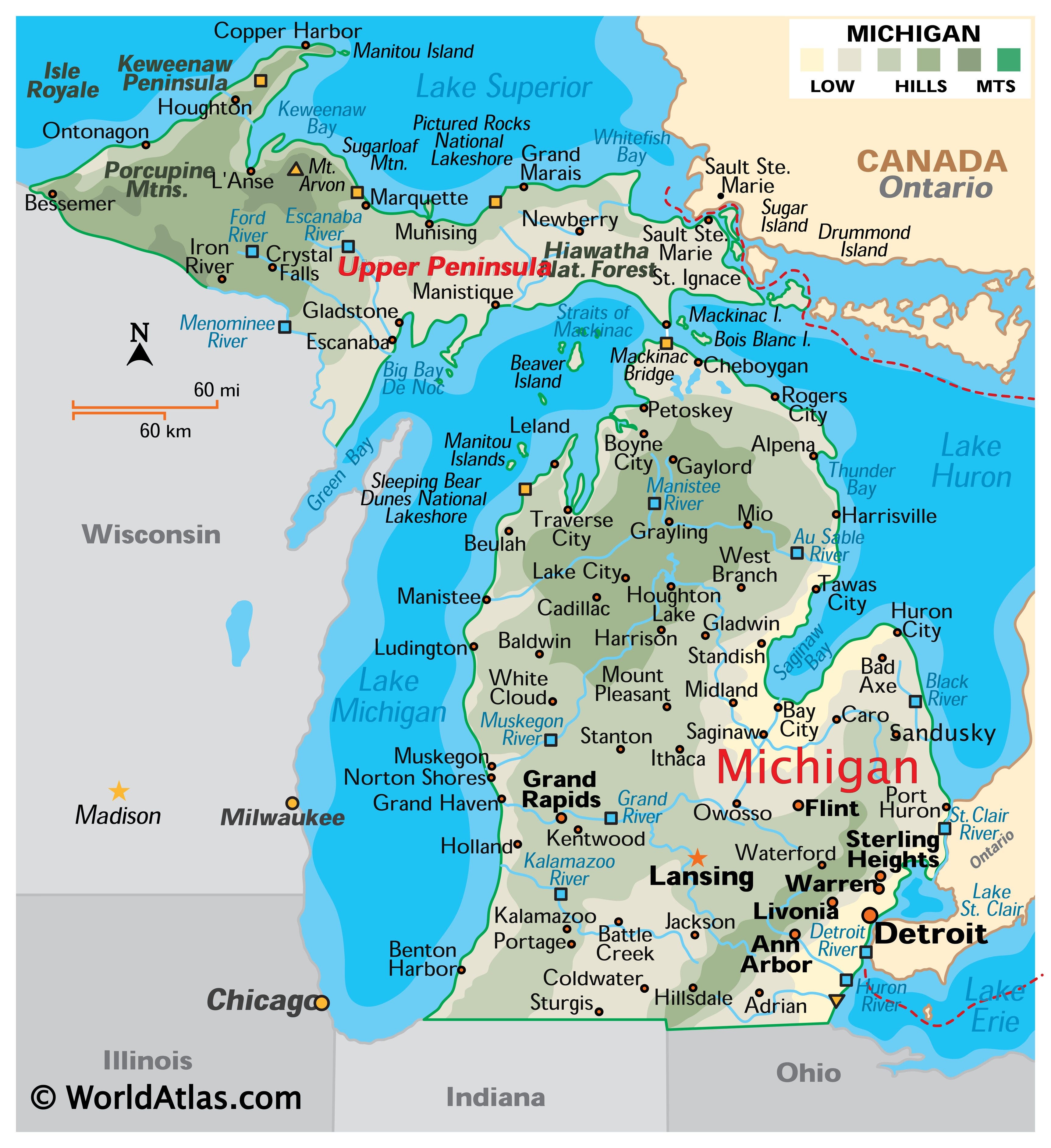
By the late 1930s, Dr. Elias Elvove from NIH found that fluoride levels up to 1.0 pp, in drinking water did not cause staining in most people and reduces cavities. Then in 1945, Grand Rapids became the first city in the world to add fluoride to its public water supply in a controlled trial.
Think about that-
The first city that tested mass fluoridation was attached to one of the Great Lakes. So the fluoride almost certainly contaminated the Great Lakes during these experiments.
After 11 years, Grand Rapids children had cavity reductions of approximately 60% in children compared to non-fluoridated communities. Those findings helped establish fluoridation as a national policy. Today, roughly 70% of Americans on public water systems receive fluoridated water.
So what could be wrong about fluoride?
Believe it or not, fluoride exists naturally in water. In some parts of the country, groundwater contains naturally occurring calcium fluoride that dissolves from rocks and minerals.
But that is not what most municipalities add to public water systems.
The compounds typically added today are fluorosilicic acid or sodium fluorosilicate. These substances are captured during phosphate fertilizer production and, in some cases, aluminum processing. When phosphate rock is treated to make fertilizer, fluoride gases are released. Instead of venting them into the atmosphere, manufacturers capture and condense them into a liquid form.
Without buyers, those captured fluoride compounds would require regulated disposal, which can be costly. By selling them to municipal water systems for fluoridation, manufacturers are able to offset disposal expenses and actually generate revenue from what would otherwise be classified as industrial waste.
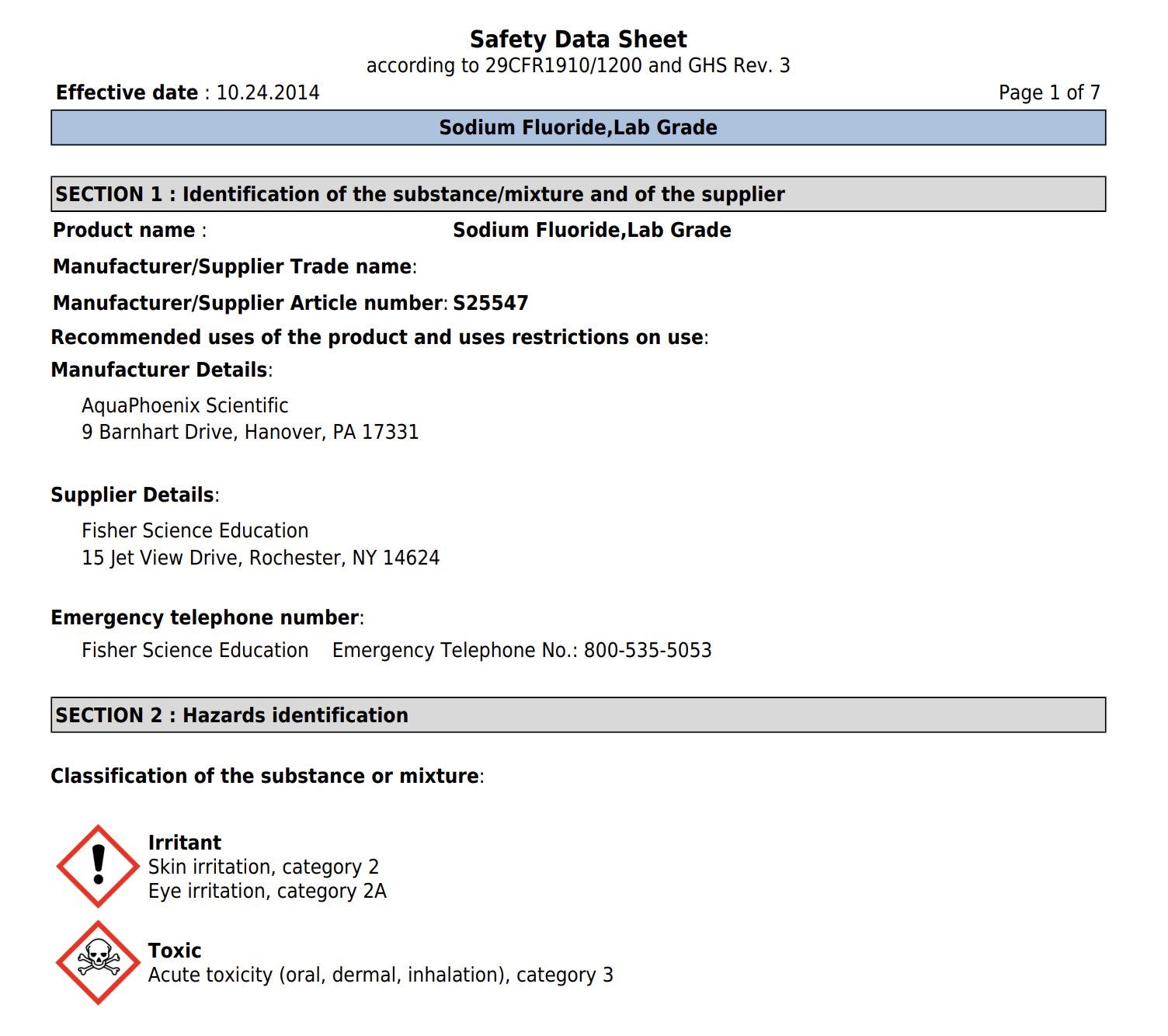
When shipped to water treatment facilities, these fluoride products are labeled with hazardous material warnings. Fluoride is corrosive and requires protective handling protocols. However, water authorities maintain that once diluted to recommended levels, it is completely safe and even necessary to prevent cavities.
But how does fluoride affect the rest of our bodies?
In 2013, a CDC Task Force looked at the available science in order to make an updated recommendation on fluoridination. They concluded, “the updated search for evidence showed a decrease in new dental caries after community water fluoridation began and an increase in new dental caries when it stopped.”
However, in the same findings the Task Force also listed glaring concerns that still have not been addressed fully by the government.
“There is limited information about the unique effects of community water fluoridation among populations that are exposed to fluoride through other sources (e.g., dental products, infant formula).”
Furthermore, “the contribution of alternative fluoride sources (e.g., toothpaste, mouth rinses), especially with growing concerns about the overall effect of multiple fluoride exposures,” is listed as an evidence gap.
So we know that in low volumes, fluoride can be helpful for dental health, but health authorities didn’t investigate the impact of fluoride on the rest of our health. Also, fluoride is not just found in water, so it’s hard to say if people are actually consuming below the recommended dose.
According to the review titled “Recent Advancements in fluoride impact on human health,” fluoride can be beneficial in low doses, but harmful in high doeses.
Numerous scientists have reported that a small amount of fluoride is beneficiary for strengthening the bone and preventing dental caries, instead, its high dose causes severe effects on human health such as
skeletal fluorosis,
increase in bone fracture,
decrease in birth rates,
impaired thyroid functions,
increased rates of Urolithiasis
and lower IQ in children.
An article published in JAMA specifically looked at fluoride and IQ. The authors found, “found significant inverse associations between fluoride exposure and children’s IQ scores.”
Critics say this is only for high doses of fluoride, but there is limited data on the effects of low doses.

According to a systematic review on the impacts of soil and water fluoride, “many authors observed that fluoride can produce toxic effects on plants leading to oxidative stress, reduction in chlorophyll content, alterations in the levels of proline, betaine, soluble sugars, nitrogen and macro and micronutrients.”
Furthermore, “food and feed crops exposed to soil and water fluoride pollution may reach concentrations of fluoride potentially harmful to human health.”
This leads me to my next question…
Recommended fluoride levels have changed overtime but are currently at 0.7 parts fluoride per million parts water. However, NIH recommends different amounts per life stage. For those under 6 months old, the recommended amount is 0.01 mg daily and 0.5 mg for 7-12 months.
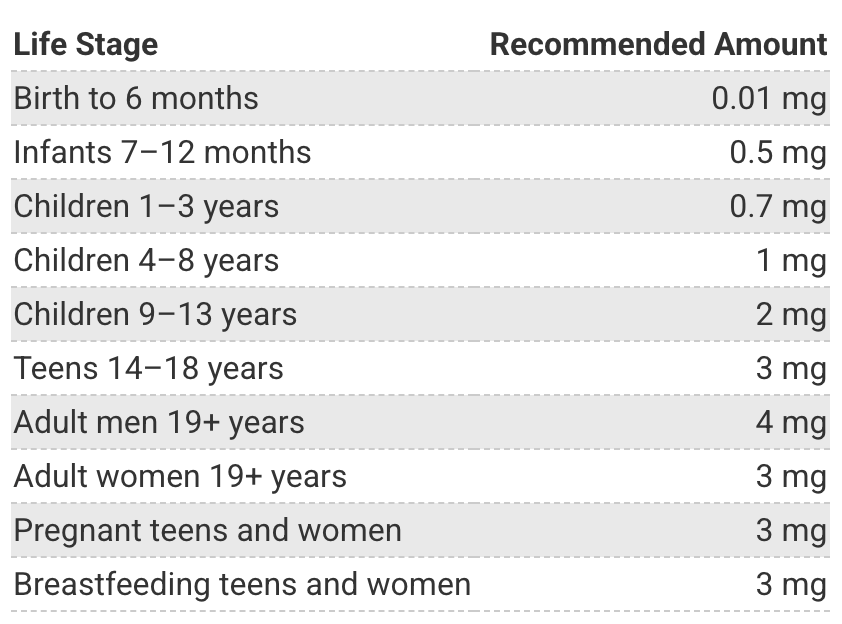
For formula fed babies under 12 months could be getting above the recommended amount from the use of tap water with formula. This does not include any other fluoride that could be consumed through the bay formula itself or other food sources.
I found one study that estimated the daily amount of fluoride babies and toddlers are getting from all sources and it concluded, “the findings of this health risk assessment study support concerns that a segment of the infant and child population in the United States may be exposed to amounts of fluoride greater than the optimum level for caries prevention.”
So while low levels in drinking water might be within daily limits, when factoring in all fluoride sources, it can be over the limit and contribute to negative health effects.
How are cavities formed in the first place? According to the Mayo Clinic, “There are several causes of cavities, including bacteria in your mouth, snacking a lot, sipping sugary drinks and not cleaning your teeth well.” Similarly, the Cleveland Clinic says, “Causes include plaque buildup, eating lots of sugary snacks and poor oral hygiene.”
So if eating a lot of sugar and not cleaning your teeth well cause cavities, it is entirely reasonable to assume that reducing sugar and cleaning your teeth well will prevent cavities. But turns out, the sugar industry doesn’t want the attention on them. Instead, the industry over emphasized fluoride throughout the years to hide attention.
According to a recently published article,
“Records dating back to the 1930s demonstrate the sugar industry, sometimes in cooperation with dental interests, exaggerated fluoride’s effectiveness and downplayed safety concerns. The sugar industry’s science manipulation campaign preceded the better-known tobacco industry campaign defending cigarettes. Key leaders of the sugar industry’s campaign transferred to the tobacco industry, which then adopted many of the sugar industry’s tactics and financed research from some of the same sugar-conflicted scientists. Currently, a prominent safety issue with fluoride is developmental neurotoxicity. Evidence indicates that researchers with undisclosed conflicts of interest with sugar and allied industries produced biased reviews downplaying this risk.”
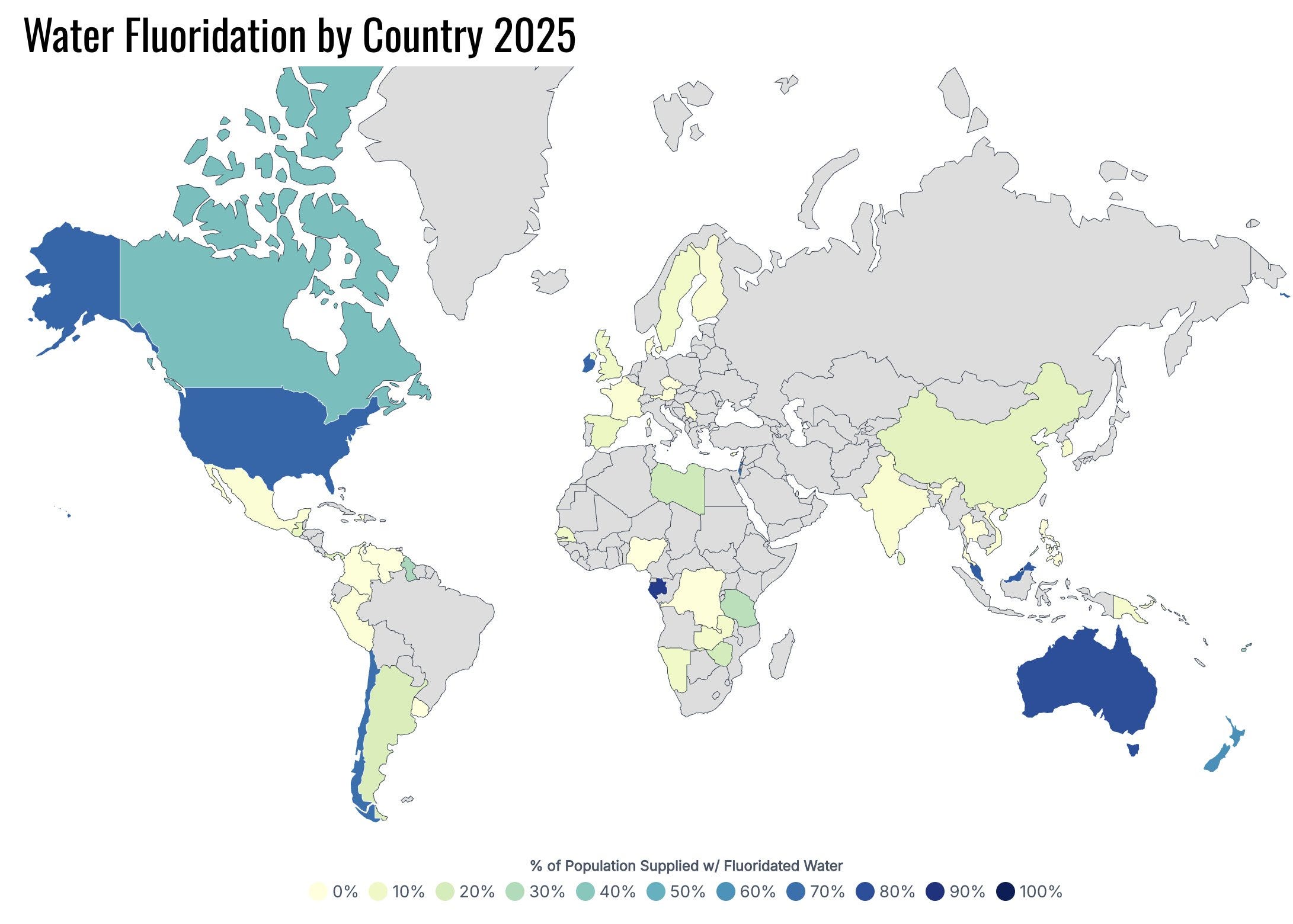
Keep in mind, most countries do not add fluoride to drinking water.
Like most toxins, we need more studies to truly understand how much fluoride the average person at all life stages is taking in and what the long-term health consequences are. We also need to stop this dangerous habit of experimenting on entire populations without full and complete safety profiles. It took nearly 50 years for researchers to seriously look at the non-dental health effects of fluoride. Now that it has been implemented for so long, it’s hard to break old habits.
Here’s what you can do if you are worried about fluoride exposure:
Try to reduce your exposure as much as possible. If you are on city water, consider installing a reverse osmosis system, and switch to fluoride-free toothpaste. Keep in mind, you may still be exposed to fluoride through other sources, including certain foods and beverages.

You can also reach out to your local, state, and federal representatives and explain your concerns about fluoride exposure and the lack of comprehensive research examining total daily accumulation levels.
If I haven’t convinced you to at least ask more questions about fluoride, I hope you can still appreciate the importance of informed consent. Millions of people are not actively consenting to drink fluoride in their water, it is simply the only option available to them. Mass fluoridation should not be the default. If someone wants fluoride in their drinking water, that should be their choice — but their neighbors shouldn’t be forced into it.
No posts
Comments
Nothing yet. Say the first thing.
Sign in to join the conversation.