
On April 16, 2026, President Trump announced Dr. Erica Schwartz as his pick for CDC director. While she still has to go through the Senate confirmation process, she is likely to be approved.
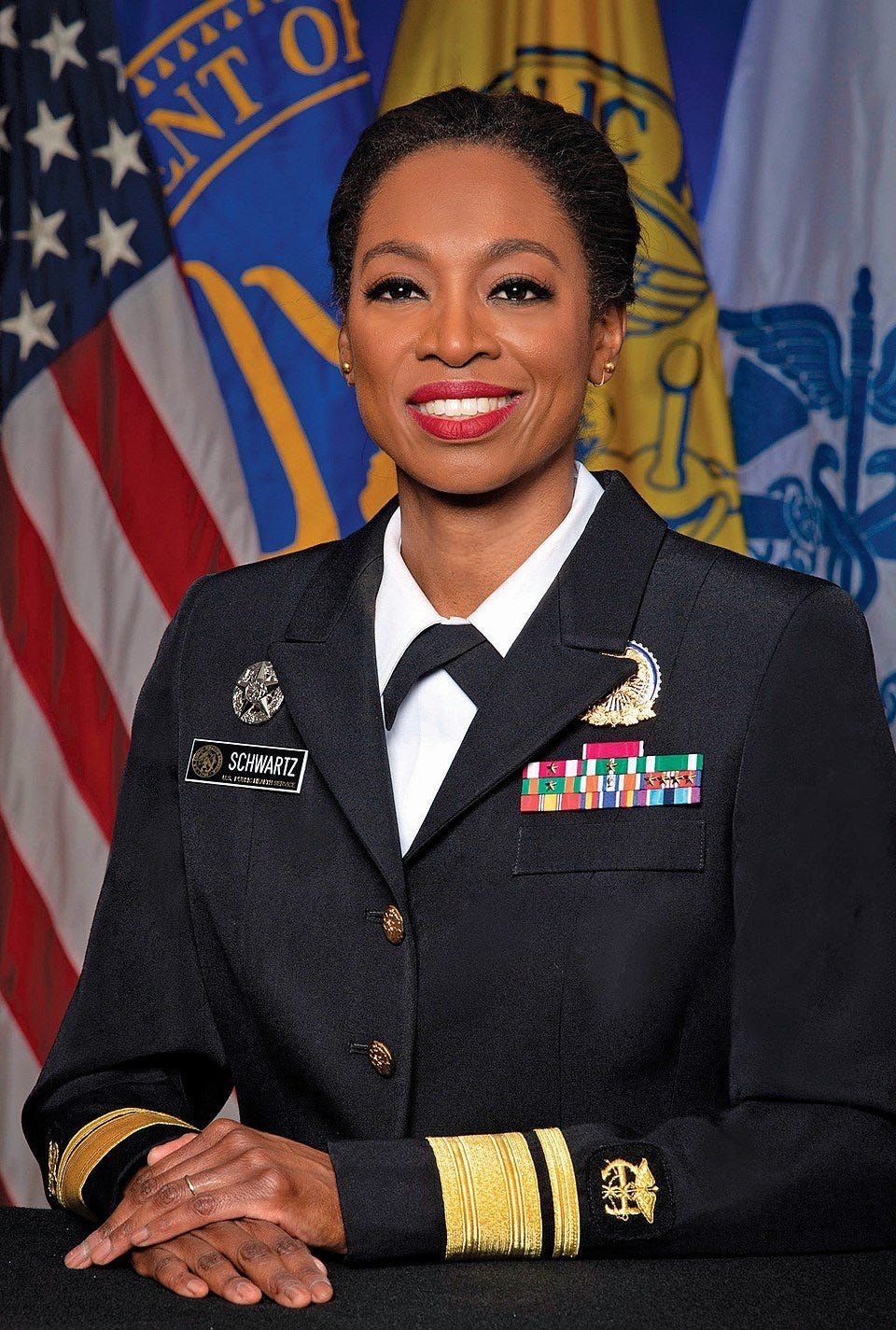
On paper, Dr. Schwartz has had a remarkable career. Not only does she have a medical degree from Brown University, she also has a law degree from the University of Maryland. In the Navy, she served as an Occupational Medicine physician and later transferred to the U.S. Public Health Service Commissioned Corps, which is overseen by the Surgeon General. Under President Trump’s first administration, she served as Deputy Surgeon General.
Impressive, right?
Well, she specialized in vaccine policy in the military. Her government biography credits her for the following:
“As an expert in health care policy, she wrote the first-ever force health protection policies to include: the Pandemic Influenza Force Health Protection policy, the Anthrax and Smallpox Vaccination policies, the Quarantinable Communicable Disease policy, the Periodic Health Assessment policy, and the Human Immunodeficiency Virus policy. Additionally, she developed force health protection guidance for numerous contingency operations, to include Hurricanes Katrina and Rita, the 2009 H1N1 pandemic, Operation Unified Response (2010 Haiti earthquake), the Deepwater Horizon Operation, and the most recent Ebola outbreak in West Africa. RADM Schwartz served as the Coast Guard’s principal expert on pandemic influenza.”
These policies included forced vaccination for soldiers. With MAHA being made up of people who prioritize medical freedom, this has become a major concern.
Additionally, when Dr. Schwartz left government service in 2021, she entered the private sector and took roles with major healthcare companies like UnitedHealthcare and Aveanna Healthcare. This is not exactly what voters envisioned when President Trump said he would “drain the swamp.” Bringing in people who have worked for the very industries they are supposed to regulate feels more like filling the swamp than draining it.
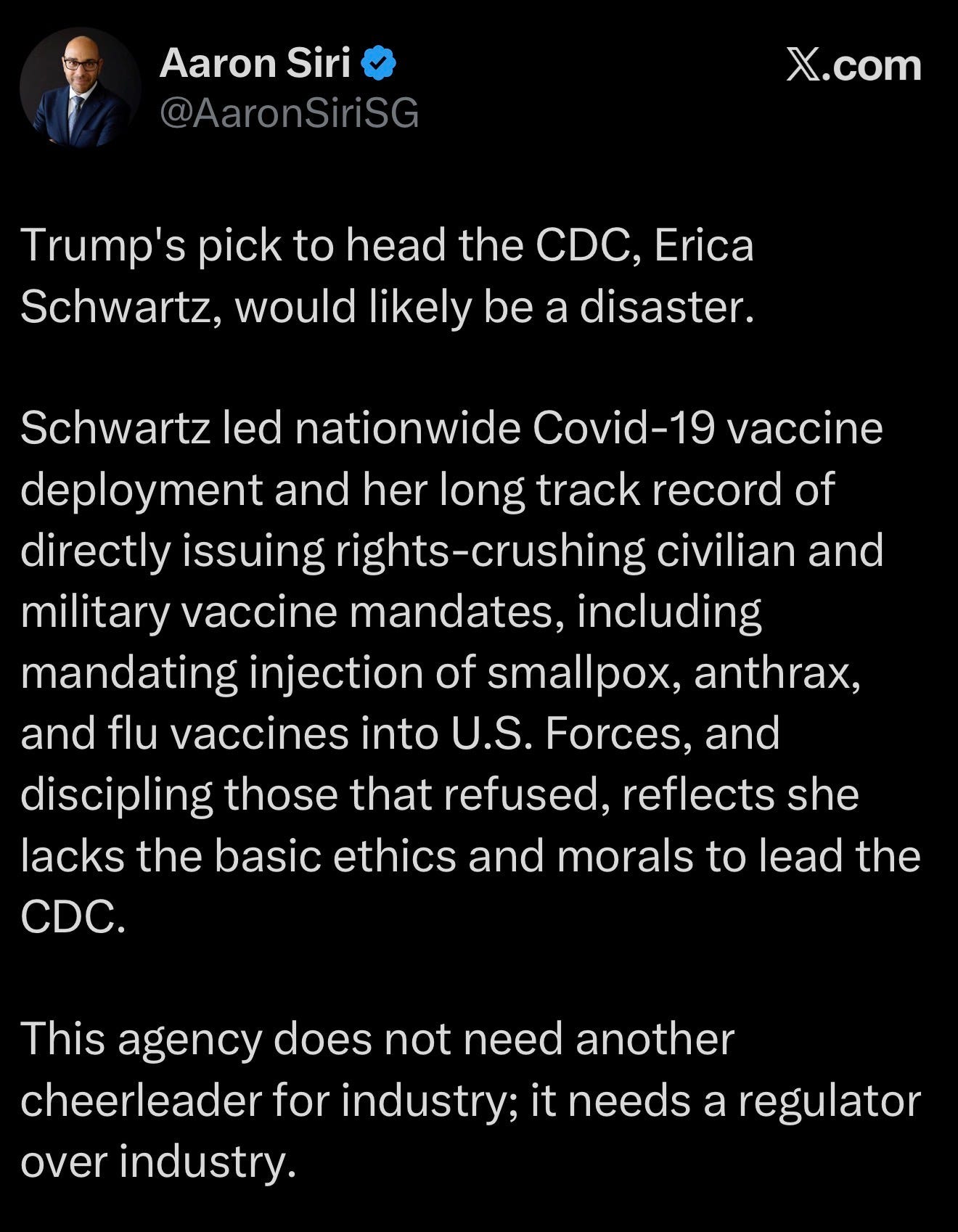
Medical freedom attorney, Aaron Siri, shared the sentiments many are feeling:
To understand that, we need to look at the past year. While the FDA and NIH have had consistent leadership, the CDC has been an ongoing battle.
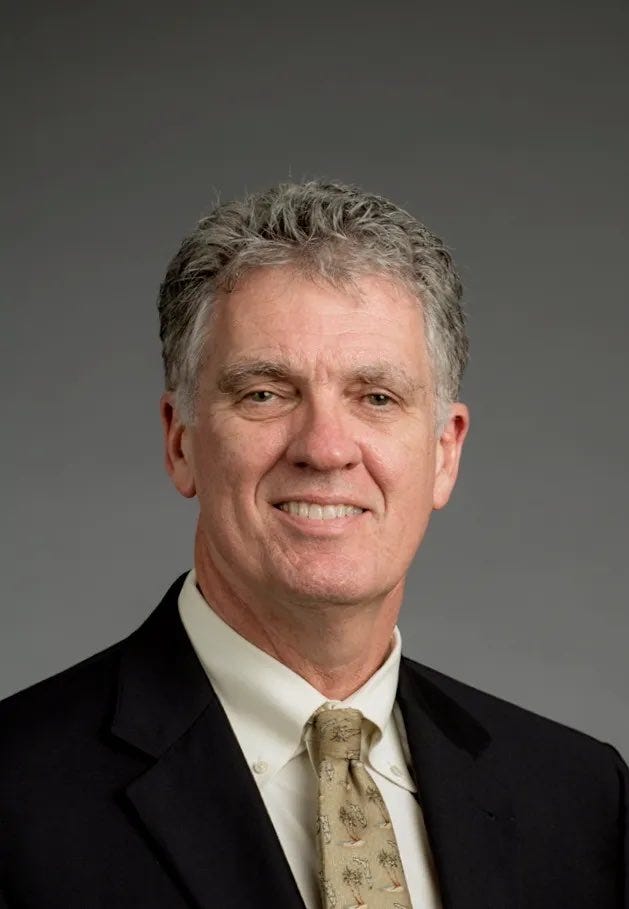
Before President Trump took office, he selected Dr. Dave Weldon, a former congressman and physician, to lead the CDC. However, his nomination was pulled after it became clear he would not receive enough votes for Senate confirmation.
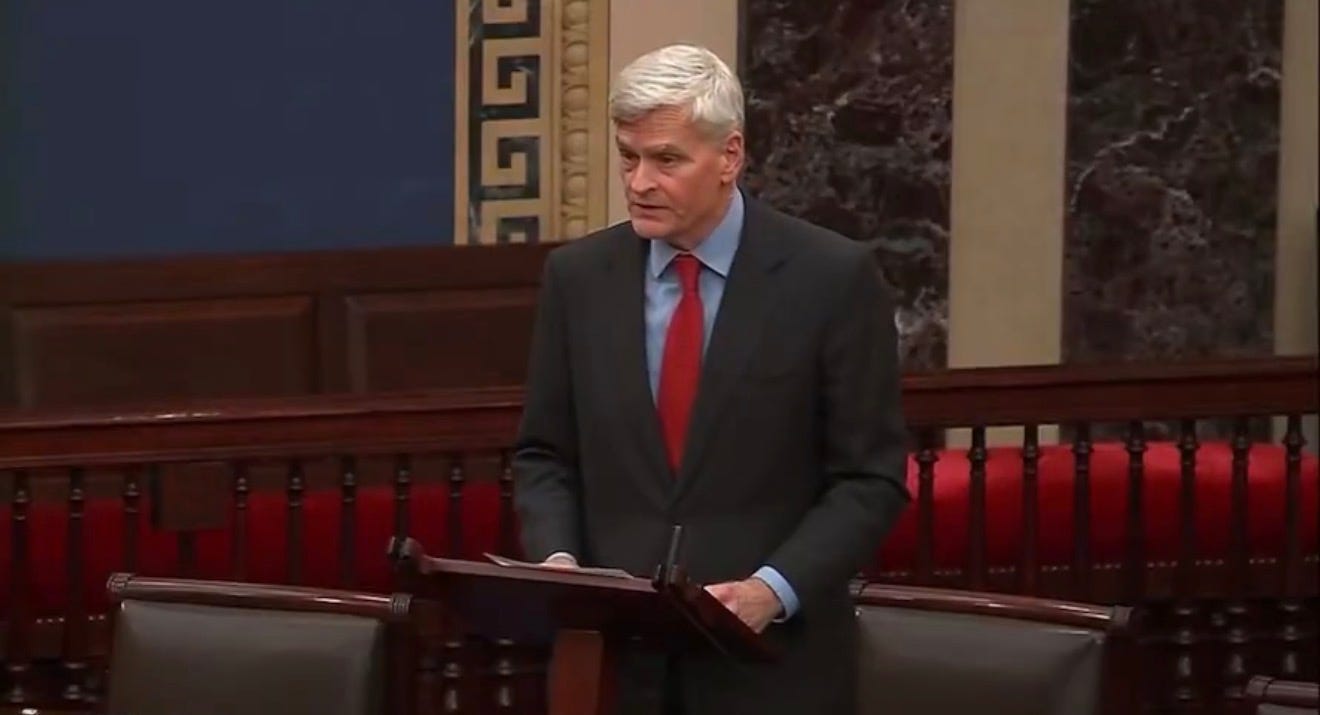
Major leadership positions like this must go through the Senate and be approved by a majority vote. They start in committee and then move to the full Senate floor. There are 53 Republicans in the Senate, but Big Pharma has a strong hold on a few of them. Most notably, Senator Bill Cassidy of Louisiana has consistently defended pharmaceutical interests over what many believe are the best interests of his constituents. He is also a physician and the chairman of the HELP Committee, which gives him significant influence. Because of this, several other Republicans tend to follow his lead.
RFK Jr. was only confirmed because he had to make a deal with Senator Cassidy. Cassidy wasn’t shy about it. After his committee vote, he went to the Senate floor and openly discussed the agreement, which included having input on HHS leadership picks, maintaining a close working relationship with RFK Jr., and more.
View his Senate floor speech here.
After that deal, Dr. Susan Monarez was selected as CDC director. Every Republican voted yes, and every Democrat voted no. She was confirmed—but her tenure lasted just one month before she was fired by President Trump.
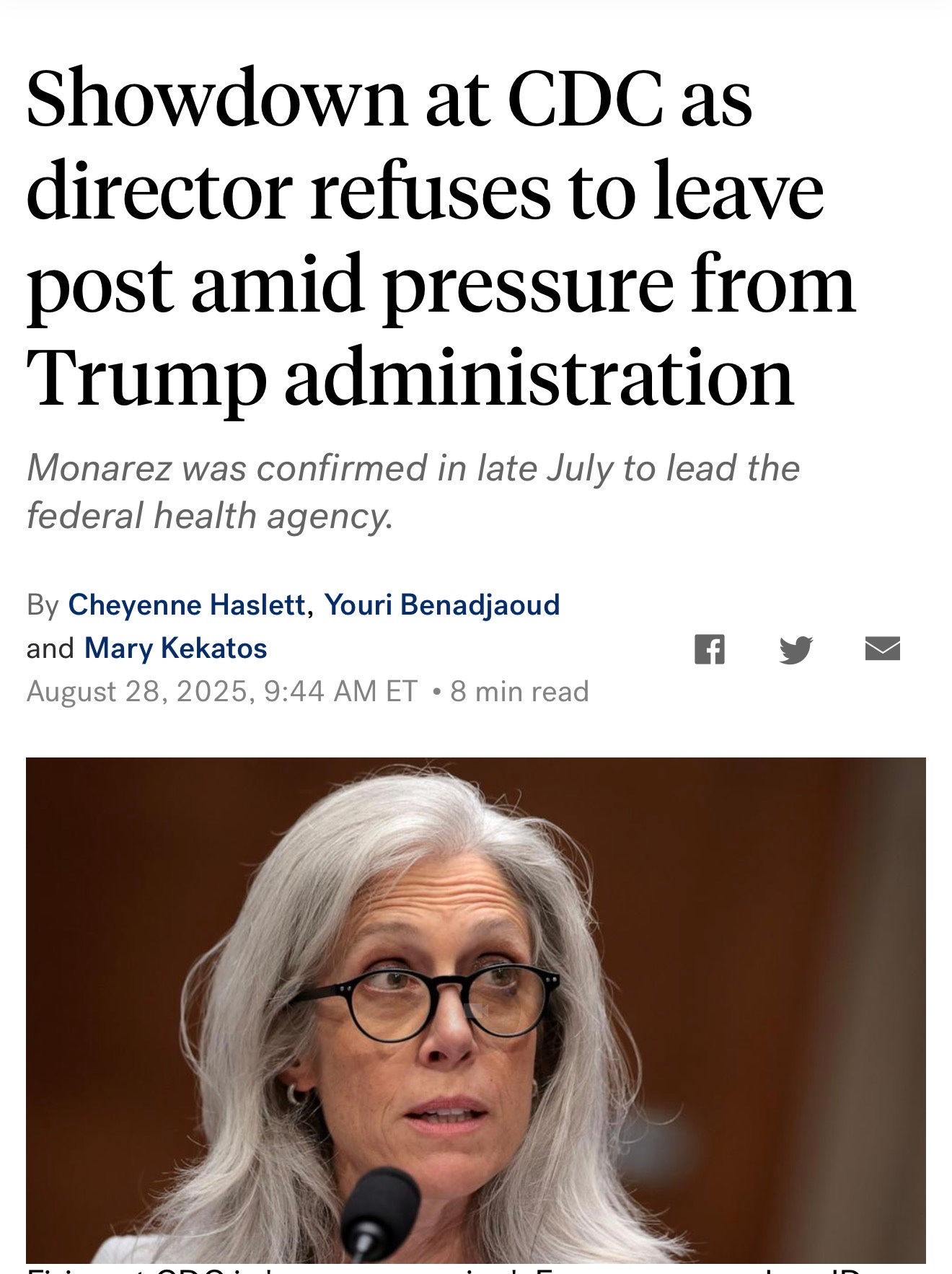
According to RFK Jr., Monarez told him she was not trustworthy, and that was enough for both him and President Trump to remove her. Monarez, on the other hand, claimed she was fired for refusing to rubber-stamp vaccine policy changes. Democrats quickly rallied behind her, praising her for standing up to the administration, even though her claim was never verified.
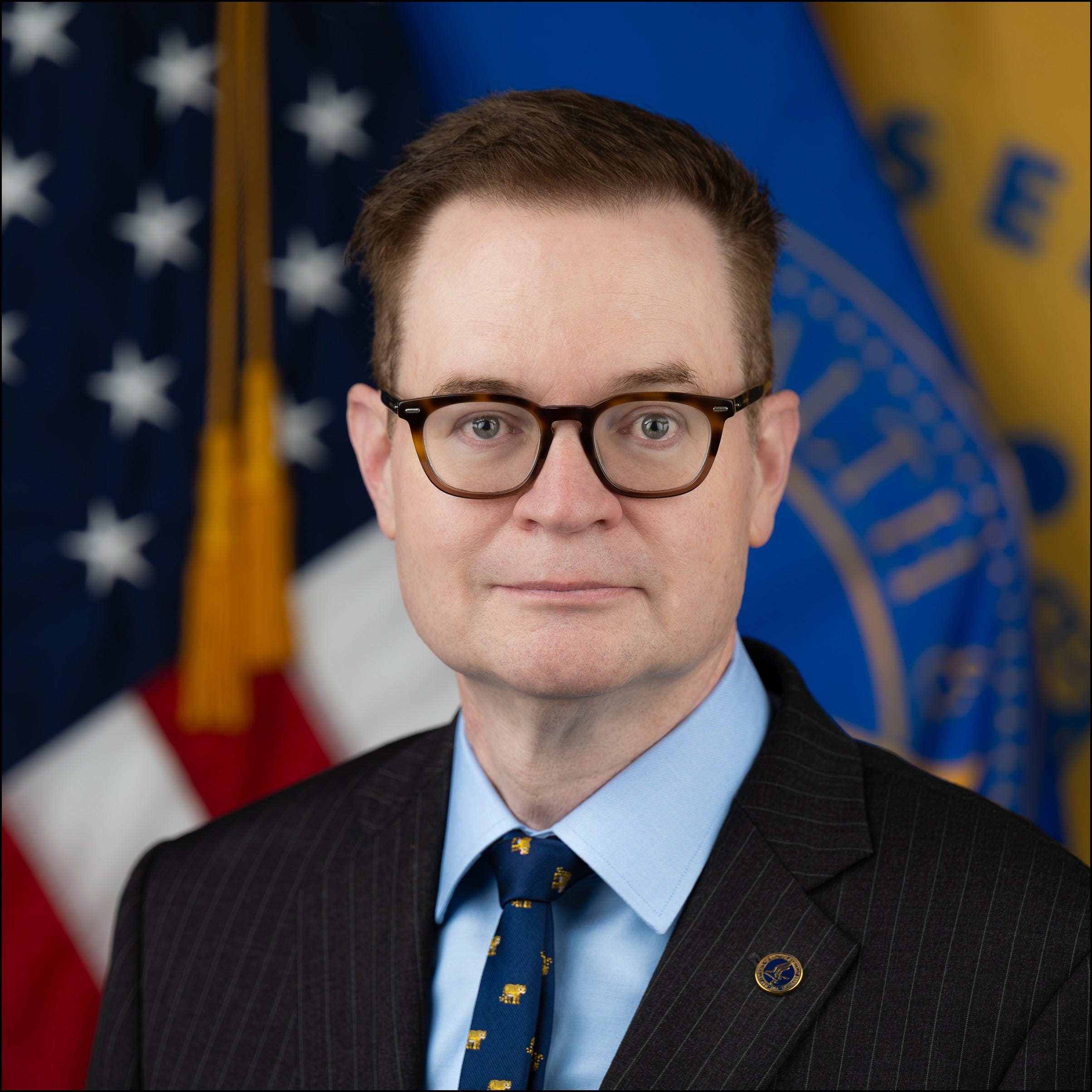
That led to Jim O’Neill becoming acting CDC director, while also serving as Deputy HHS Secretary. Under his leadership, the CDC made changes to the childhood vaccine schedule, which drew both praise and backlash along party lines. Republicans and MAHA supporters largely praised the move, while Democrats criticized it.
Following a strategy meeting in Washington, D.C. with key Republican leaders about upcoming elections, it was decided that vaccines were not a winning issue. From that point forward, the administration largely stopped talking about vaccines and shifted its focus to food policy. At the same time, there was a broader shift in leadership across the agency.
Jim O’Neill stepped down from the CDC and quietly left his role as Deputy Secretary as well. Dr. Jay Bhattacharya, who leads the NIH, became acting CDC director in February 2026.
So now, more than a year into President Trump’s administration, there has still not been consistent leadership at the CDC. The only Senate-confirmed director lasted just one month. And now, President Trump has announced his next pick: Dr. Erica Schwartz.
So back to the question—why her? Why her when MAHA was obviously going to be outraged?
Remember, Senator Bill Cassidy made a deal with RFK Jr. to have influence over HHS leadership picks. If that agreement isn’t honored, he has the ability to block nominees in the Senate, a necessary step for confirmation.
MAHA already had a preferred candidate, Dr. Dave Weldon, and he didn’t make it through the process. He believed in vaccines and administered them, but was open to new science on safety. Even that wasn’t enough to secure Senate approval.
What that shows is that no candidate aligned with MAHA’s priorities is likely to make it through the current Senate confirmation process. The political leverage simply isn’t there right now with many feeling like MAHA died a long time ago. We just don’t have the people who will make enough noise to change Senate votes.
We lost this battle. Medical freedom advocates are not going to get what they want out of the CDC right now.
But it’s also worth remembering that people can change, and their past doesn’t always define their future. I was strongly opposed to Jim O’Neill as Deputy HHS Secretary because of his big tech background, but he ended up surprising many of us. He became one of the strongest MAHA advocates within HHS. Dr. Schwartz could surprise us too—for better or worse. We won’t know until we see her in action.
And even though this battle may be lost, the larger fight isn’t necessarily over. RFK Jr. is still in the administration. There is influence over the NIH and FDA. The USDA Secretary is working in alignment, and even the EPA has made some moves in that direction (although they are very small moves.)
The reality is that timing matters. After the November elections, President Trump may have more flexibility to act without the same political constraints tied to party strategy.
What I do know for sure is this: turning against RFK Jr. over this decision will not achieve our goals. This was not his decision. If there’s frustration, it should be directed where the leverage actually exists—at Senator Bill Cassidy and President Trump.
Cassidy is up for reelection this year. If attention shifted to that race in Louisiana, it could change the equation entirely. Because ultimately, getting a CDC director aligned with MAHA priorities will require control of the Senate and the White House.
So you won’t see me screaming about this CDC pick because it was predictable. I like to focus on the things we have more control over and that will be the Louisiana primary election in May.
No posts
Comments
Nothing yet. Say the first thing.
Sign in to join the conversation.