

Despite repeated calls over the years for more government transparency, Michigan Attorney General Dana Nessel has not enforced transparency laws once during her entire time in office.
I have witnessed violations of the Freedom of Information Act and the Open Meetings Act firsthand by multiple government bodies. Each time, I am told to report the violations to the attorney general. I am not the only one. Over the years, citizens from Ottawa County, Hudsonville, Saline Township, and more have also spoken out over potential transparency law violations.
But what happens when the attorney general’s office is not taking complaints seriously?
Government bodies hide, and residents are left to hold them accountable on their own.
Nothing in this article is legal advice.
Transparency Laws
Other than the Constitution, public records laws and open meetings laws are some of the best tools residents have to hold their government accountable. Every state has a version of these laws under different names. In Michigan, they are called the Freedom of Information Act (FOIA) and the Open Meetings Act (OMA).
FOIA requires public bodies, including local governments, school boards, libraries, county agencies, and state agencies, to release public records with very few exceptions. Public records are defined as “a writing prepared, owned, used, in the possession of, or retained by a public body in the performance of an official function, from the time it is created.”
Public records can include reports, budgets, emails, and even text messages. FOIA has uncovered mass fraud and remains an essential tool to keep government working honestly.
The Open Meetings Act requires that government decisions be made openly. This ensures the public knows how government is operating with public resources. Some requirements of the law include open meetings, accessible meetings, public notice of meetings, mandated public comment, and very limited circumstances in which closed sessions are allowed.
In my four years of involvement in local government, I have seen these laws broken more times than I can count. While many public bodies are transparent, there is an alarming number that try to hide public records, overcharge for records, meet in illegal closed sessions, or avoid making decisions in open meetings.
When the FOIA is Broken
What happens when the law is broken?
Under FOIA, you have two options if a public body wrongfully denies your request or overcharges you:
Appeal the decision to the head of the public body
Commence a civil action in circuit court
In my experience, appeals rarely overturn decisions because the same public body that denied you or overcharged you decides your appeal. That leaves you with one option — suing the public body in circuit court. This often requires money and a robust legal team, resources the average person does not have. The government knows this and sometimes takes advantage of it.
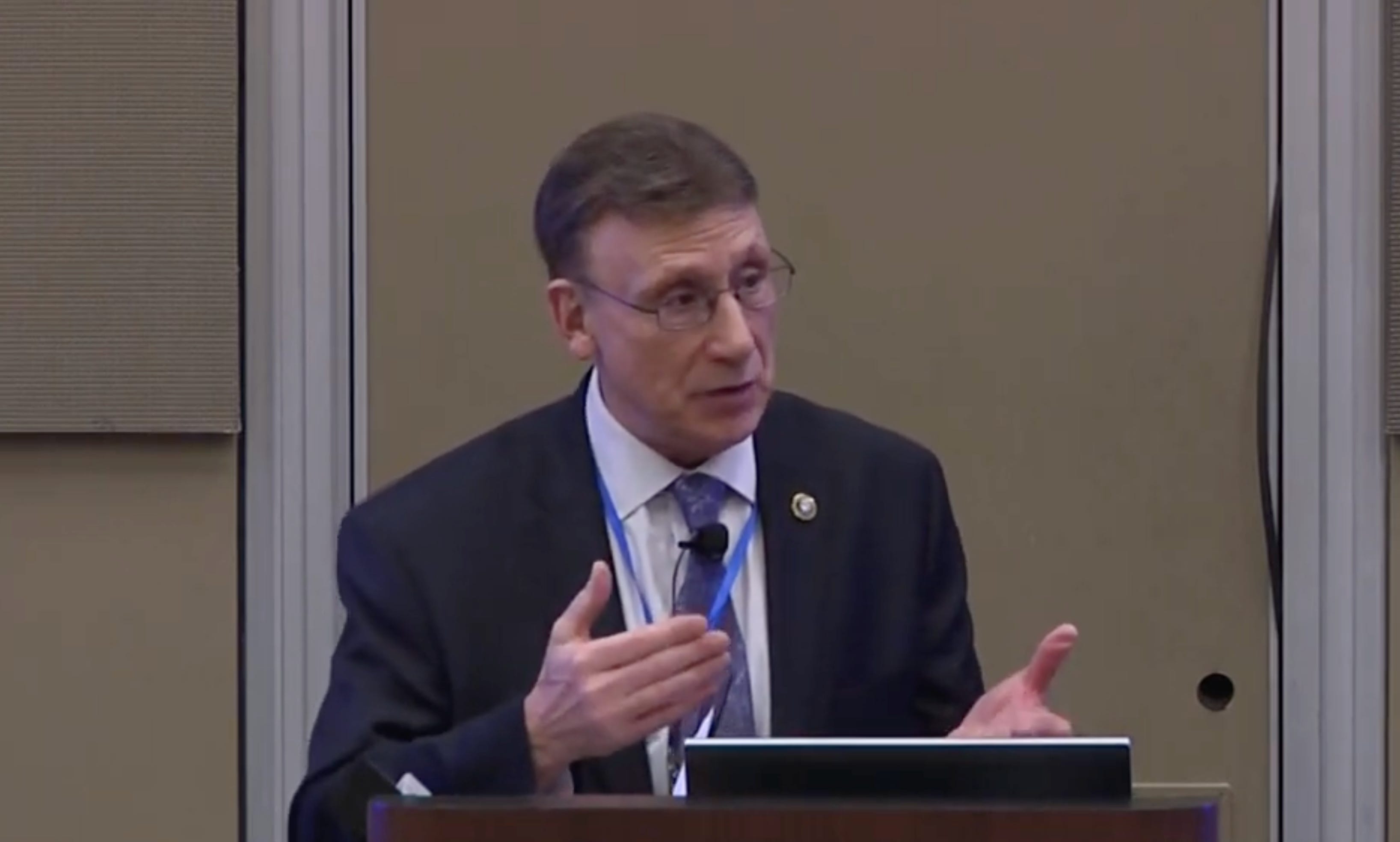
While the law does not allow the attorney general to sue a public body under FOIA, her office can still be involved and bring attention to violations. According to Thomas Quasarano, an Assistant Attorney General in the State Operations Division:
“The Attorney General has mentioned recently that our office is going to look into ways that we might be able to assist citizens…we will look after we go through a determination on process to possibly be the advanced guard, if you will, on contacting a public body and saying this is what’s been alleged. If this is true, you have so many days to correct it otherwise we would take further intervention if necessary.”
When the Open Meetings Act is Broken
What happens when the law is broken?
The OMA provides additional pathways to hold government accountable. If a public body is believed to have broken the OMA, one of the following can happen:
A person can commence a civil lawsuit
The prosecuting attorney in the county can commence a civil lawsuit
The attorney general can commence a civil lawsuit
Under the OMA, compliance is not solely dependent on a private citizen having the resources to sue. The prosecuting attorney or the attorney general can step in.
So how often has Attorney General Dana Nessel stepped in to sue public bodies for violations of the OMA? Not once. This leaves residents without a major compliance authority that could prevent them from spending thousands of dollars on legal fees.
Exclusive Report
This exclusive report is made possible by the very transparency laws Nessel should be enforcing. On January 28, 2026, I submitted the following FOIA request to the attorney general’s office:
Copies of all records, from January 1, 2019 to present, that reflect or relate to enforcement actions taken by the Attorney General’s Office for violations of OMA or FOIA, including but not limited to: Warning letters, Notices of violation, Compliance letters, Settlement agreements, Referral letters, Criminal complaints or charging documents, Civil enforcement actions, Internal memoranda authorizing enforcement, Correspondence with public bodies regarding violations, Records reflecting investigations into OMA or FOIA violations [ ] includes records involving state agencies, counties, cities, villages, townships, school districts, and other public bodies.
After five business days, the department sent a notice extending the response time by an additional 10 business days. Then, on February 19, the office issued the following determination:
After a search for records, to the best of the Department’s knowledge, information, and belief, the Department does not possess records that are responsive to your above-quoted description or under another description reasonably known to the Department. Therefore, the request must be denied.
It took 15 business days for the department to determine that the Attorney General has never enforced transparency laws in her seven years in office.
Why this Matters
Transparency laws only work when there is enforcement behind them. If residents are forced to act as private prosecutors every time a public body hides public records or hides from constituents in closed session, then these rights exist for the people who can afford to fight.
Even if you win a FOIA or OMA case in court, you are not always awarded full attorney fees or court costs, and punitive damages are rarely granted. These cases can drag on for months, even years, and there is no compensation for the time, stress, and personal resources invested. That reality alone discourages many residents from ever pursuing enforcement. This is precisely why the attorney general’s office plays such a critical role. When the state steps in, the burden shifts from a single individual to an office meant to act on behalf of the entire public.
Too many times transparency is used as a campaign slogan, but not carried out in practice.
Michigan needs consistent enforcement, clear consequences, and a statewide signal that violations will not be tolerated, whether they happen in Lansing or in a small town meeting room. The attorney general’s office needs to take complaints seriously and congress needs to allow more pathways for enforcement of these laws. Until that happens, public bodies will keep testing the limits, and everyday residents will keep paying the price for simply asking for openness from the government they pay for.
Comments
Nothing yet. Say the first thing.
Sign in to join the conversation.