
I really need to write about the Olympics, more specifically, I need to write about figure skater Alysa Liu and the pictures photographer Matthew Johnson took of her. You probably have seen the headlines that Alysa Liu took home the gold medal for the USA. But if you haven’t, let me catch you up and go a bit deeper on the story. I might be a bit late to talk about this news, but there is a story here that connects to art and keeping a creative practice going without burning out. Truthfully, I’m also just fan-girling over Alysa, but whether you are into figure skating or not, we can all take a page from her book.
When I was a teenager, I practiced figure skating competitively, spending most of my after-school time training on and off the ice. Unfortunately, my figure skating career was cut short at 15, and I never looked back at the sport much. I fell in love with figure skating as a little kid, watching the Olympics on TV. I was enthralled by the unique combination of the technical skill required, while at the same time making it look effortless, and wearing glamorous outfits. The literal translation of figure skating from Dutch and German into English would be “art skating”, and it might be a more accurate descriptor of the sport. If you know something about my art practice, you understand how I would be attracted to something that intersects art and technique. As you can imagine, figure skating is a somewhat subjective sport, and in an attempt to make it more objective, the judging system was overhauled in 2002. Unfortunately, the downstream effect was that the sport came to emphasize technical prowess, and difficult jumps were rewarded rather than artistic expression. It started to look more like gymnastics on ice, and I lost my interest.
Yours truly performing a double Salchow, recorded from a laptop screen
Recently, the International Skating Union has course-corrected and adjusted some of its judging mechanisms to tip the scales back towards artistry. So, during this Olympic cycle, I decided to have a look again, and I’m so glad I did, because it led me to discover Alysa Liu. In a sport usually represented by demure femininity, she is a breath of fresh air. What immediately jumps out are the bleach dyed bands in her hair that complement her overall emo-revival aesthetic, and her smile reveals a pointed frenulum piercing she pierced herself. I don’t want to dwell on her appearance. Figure skating is rife with toxic attitudes towards the bodies of skaters, with an extreme emphasis on thinness and a lack of healthy nutritional advice for its high-performing athletes. I bring it up because it defies the stereotypical expectations we have of a figure skating champion and hopefully can inspire change. What really captured my attention was the way she skates; she made me fall in love with figure skating all over again. While watching her, I was mesmerized, like the little kid who watched figure skating for the first time. Besides her technical excellence, she brings a level of artistry to her program that is hard to match, and she fucking enjoys doing it.
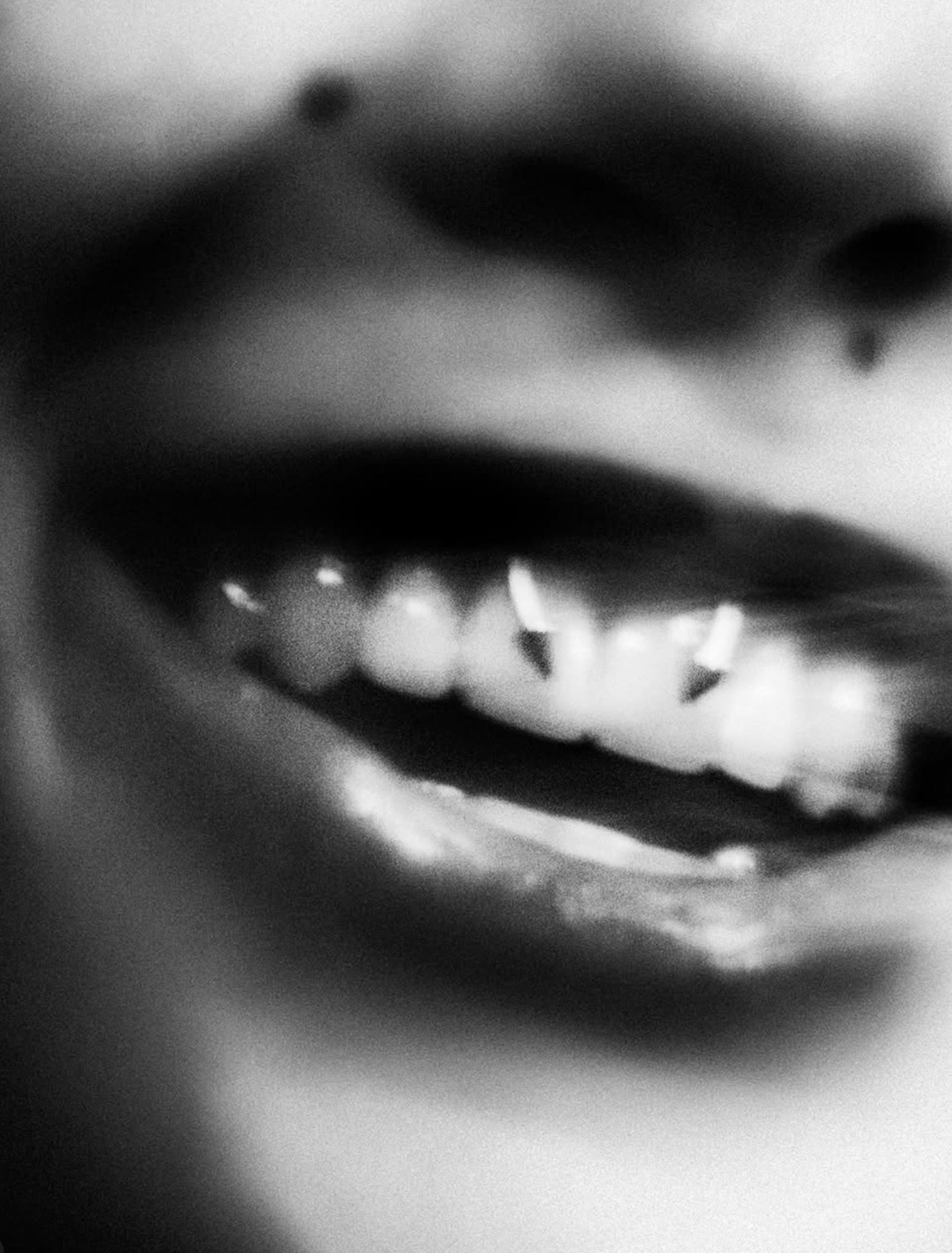
But this wasn’t the case from the start, she retired from figure skating in 2022. She was burned out, and it no longer felt like her decision to train. The COVID pandemic was the first time the environment she spent most of her time in fell away, and she began to see the toxicity created by the adults around her. This led her to the decision to step away from the sport shortly after the 2022 Beijing Olympics. It was a ski trip that brought her back to figure skating. She felt the excitement in her body again of practicing a sport, and because there is no ski slope close to where she lives, she decided to go back to the skating rink. But this time on her own terms. In an interview with David Greene, recorded before the Olympics, she explains that stepping away from figure skating allowed her to educate herself on topics such as nutrition and muscle building. She doesn’t seem to hold any grudges against the people who influenced her negatively in the past. Instead, she expresses empathy and sees the adversity she went through as a lesson that now serves as proof for the confidence in her own ideas.
“When I enjoy performing, it doesn’t matter what happens”
When asked by David Greene how she is preparing for the Olympics and how she is dealing with the pressure, she immediately smiled. Regarding the pressure, she was quick to point out that there are other US women who are podium contenders, and she can’t bring herself to truly care about winning a medal. “Things will play out the way they are meant to,” she says, and she is simply enjoying skating and is excited to show her program to the world. “When I enjoy performing, it doesn’t matter what happens”. It’s this sense of clarity that I think we can all learn from. She herself expresses that the moral of her biopic’s worthy comeback story is that we all, athlete or not, should strive for balance. We shouldn’t 100% identify with one thing and not explore the rest of our potential, that would be doing ourselves a disservice.
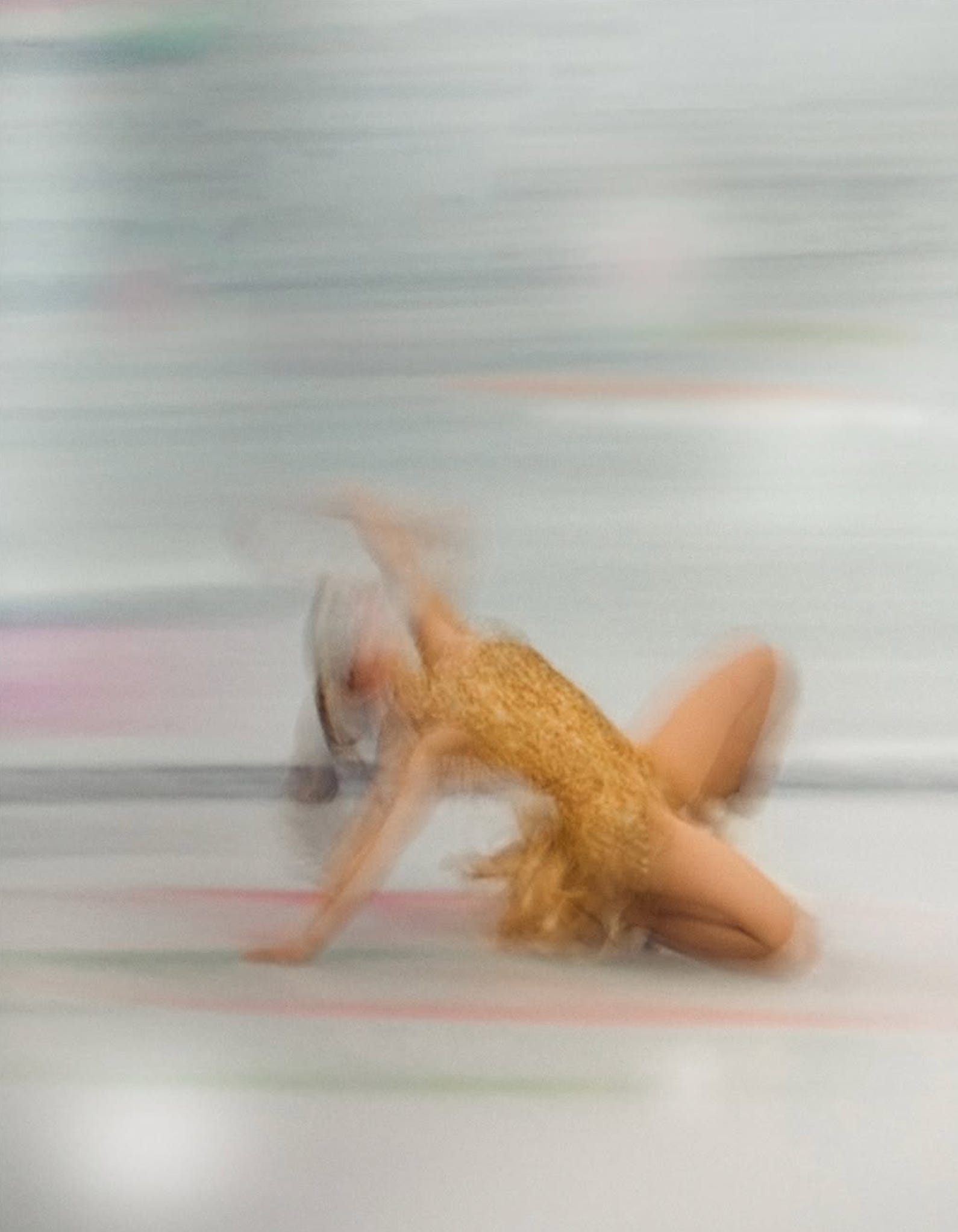
Quickly after the Olympics were over, my Instagram algorithm caught up with my newfound love for figure skating and flooded my feed with videos and images I might enjoy. One series of pictures by photographer Matthew Johnson jumped out at me immediately, they were blurry shots with a long shutter speed of Alysa Liu’s short program. Showing movement and a graininess that is the opposite of the crisp sports photography we are used to. The complete series of photographs is called ‘screen time’ and is completely shot from the comfort of his own home, taking pictures of the TV screen. I quickly found commentators calling the work illegitimate, saying the work devalues photography and there is no merit in taking blurry photos for TV angles. I disagree and I think it misses the point entirely. Not everyone can afford a flight to Milan or obtain a press pass to attend the event. The work instead puts a focus on merit instead of access and pushes the boundary of resourcefulness.
But beyond the craft argument, the TV is actually a poignant mediator for the imagery of the Olympics. It’s one of the few events where we still tap into the same live stream, instead of watching our personalized feeds. It’s through this extremely high production value broadcast most of us experience the event. The blur and grain of Johnson’s photograph create the illusion of honesty, something more human, becoming both relatable and aspirational.
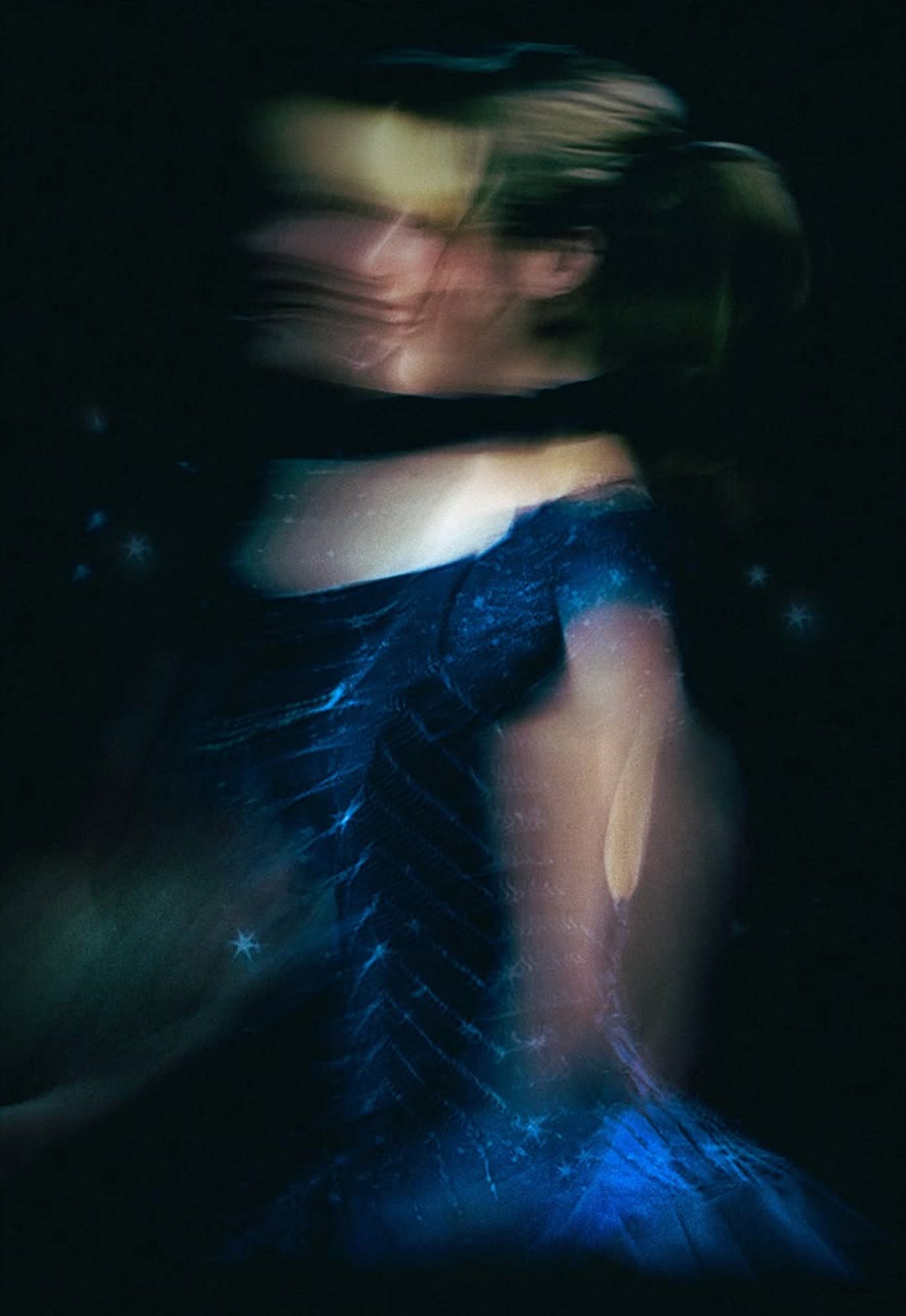
Both Matthew Johnson and Alysa Liu do their thing on their own terms, stepping outside the expectations of their medium. I regard this Substack as a slowly growing collection of note-to-self’s, and the tldr is less performing for outcomes and more joy and experimentation in the process.
No posts
Comments
Nothing yet. Say the first thing.
Sign in to join the conversation.