
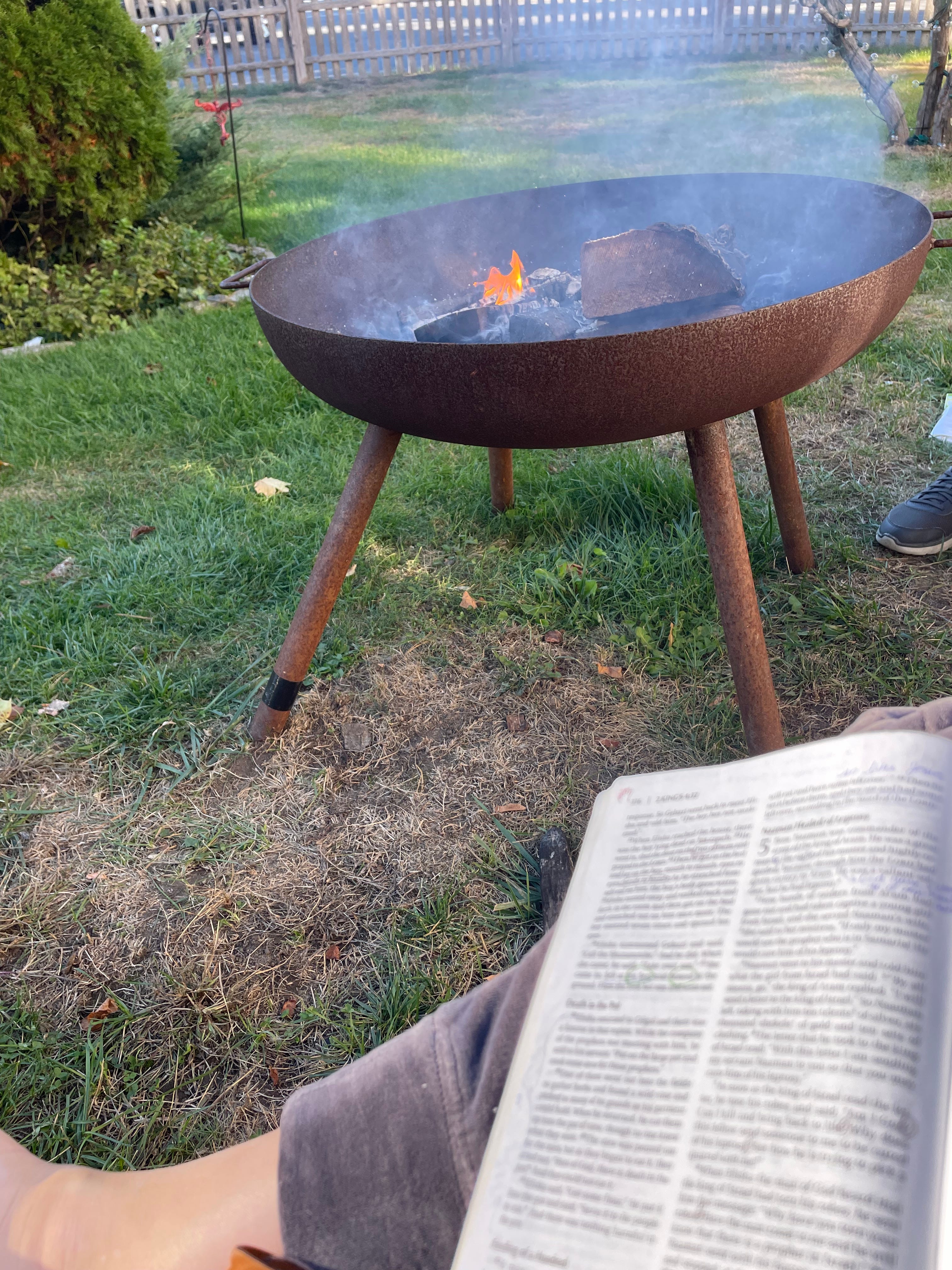
Here in the 5th part of this Aaronic narrative epic, we finally come to the golden calf—sadly one of the only things Aaron is remembered for. I’m trying to suss out other parts of his story in the Bible, as I hope you’ve noticed, but here we are on that awful day. Part V~ here’s a voice recording of it:
An Overness / Aaron
V.
The golden calf we must come to at last. The heat
of the moment. The heap in the fire—
it leapt out! We laugh.
But Moses, enraged, watch him come down
the mountain. Hear him speak disaster
in verse—the new song
Being sung? Rattled out from stiff throats
as loosened limbs shook to the folly.
A man stood between
the people and the flame—a priest
of great peril, who could redeem
This? The truth is three thousand
fell by the Levite sword
Set apart for slaughter (clean linens,
bloodied hands)—ready yourself Aaron
for the offerings, again and again.
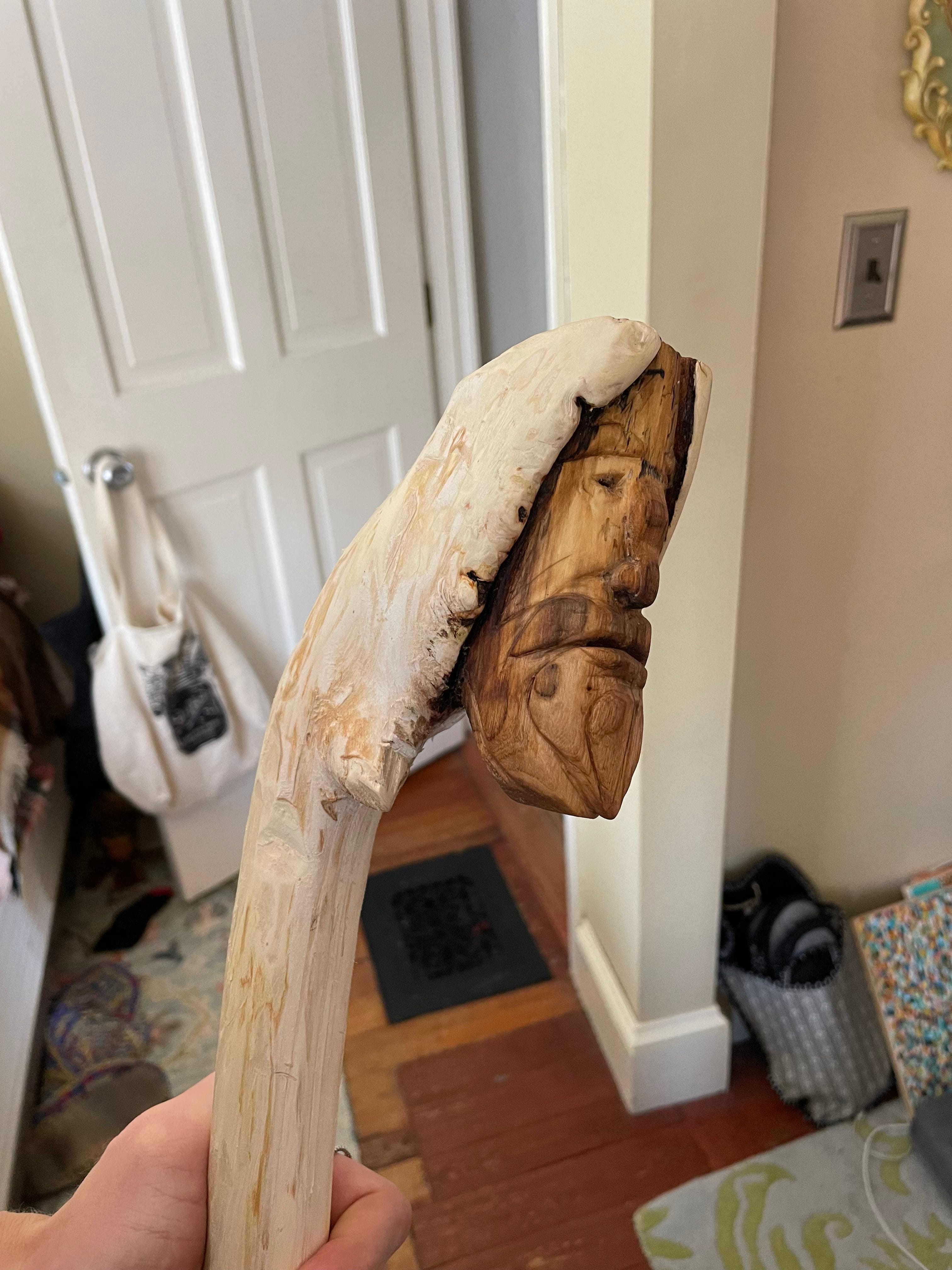
Aaron was called to be the first priest among his family who would then become the set apart tribe of priests for the whole nation of Israel. What were they set apart for?
Oh my. So much. For instance, just this week, I read that priests needed to know about mold, and when to have a home re-plastered (Lev 13:49). And how to examine skin diseases (Lev 13:12). A big part of their job, of course, was to “confess all the wickedness and rebellion of the Israelites — all their sins” on the Day of Atonement. You probably know Aaron needed to do a lot of animal slaughtering. He needed to bathe in a special way (Lev 16:24), to become expert at sprinkling blood upon things, on washing internal organs of animals, and to wear unique and perhaps cumbersome layers of sacred clothing. He blessed the people. And the Levites were at times warriors, with a sword strapped to their sides (Ex 32:27). He had to have the courage to enter the Tent of Meeting, and he spoke, obviously, a great deal, to an entire nation —
“He will speak to the people for you, and it will be as if he were your mouth and as if you were God to him” — so said the Lord to Moses, regarding Aaron, in Exodus 4:16.
So, Aaron functioned as a prophet / preacher / soldier / doctor / grill master / repairman / government official / judge / butcher / inspector / I’m sure there’s stuff I’ve missed.
And though he had a role in the Exodus, his priestly role seems to begin here — when Moses has been up Mt. Sinai for so long that the people were saying,
“As for this fellow Moses who brought us up out of Egypt, we don’t know what has happened to him.” (Ex 32:23)
You know what happens next. The text is not straightforward (it rarely is, in the way we modern readers want) — Aaron obviously fashions an idol for them to worship, but then, in Ex 32:5, he seems to freak out a little bit, at least that’s how I read it. He’s like, all this dancing and carousing and bowing and what not, it’s about Yahweh! Yeah! But God’s interpretation of it all is not muddled when he tells Moses what’s happening down the mountain. This is pagan idol worship, and Aaron is the “priest” of it. What a redemption God offers him when you look at this story through this lens. Here, with the golden calf turned to dust and thousands dead, this is not the end of Aaron’s story as priest.
Moses, you might say, functions as the true priest in this story though — mediating between the people and their God. He offers himself (!) as a kind of atonement offering (Ex 32:32, the easiest reference to remember if you’re looking for Messianic hints through the OT) and self-offering is indeed the truest revelation of Priest in the whole Biblical story.
~~~
MonafolkSPEAK
In other news…
I got to write a little reflection for Story Street recently (one of my favorite spaces on the internet these days — because it does what the internet does well — a limited connection place made to point beyond itself, to foster real interactions between real humans) ~

Further up & further in,
Anna
Comments
Nothing yet. Say the first thing.
Sign in to join the conversation.