
Episode 6 of Life, Documented talks about how documentary photography is less about cameras and more about attention — learning to notice light, rhythm, repetition, mood, and meaning in everyday life.
🎧 Listen to the episode:

Some days feel almost invisible. They pass quietly, without anything to mark them — no photos, no highlights, no proof they ever really happened.
And yet, when we look back on our lives, it’s often these quiet days we miss the most.
Some days are more exciting than others. Some days feel extremely dull and uninteresting.
That’s not a judgement of how you live your life — it’s just life. And honestly, I don’t think anyone could cope with excitement every single day. So let’s not worry about slow days.
Slow days are actually great for photography practice. There’s nothing flashy to distract you. No big moments demanding your attention. Which means you get to practise something much more important: finding meaning in the mundane.
Beaumont Newhall said it beautifully:
“We are not interested in the unusual, but the usual seen unusually.”
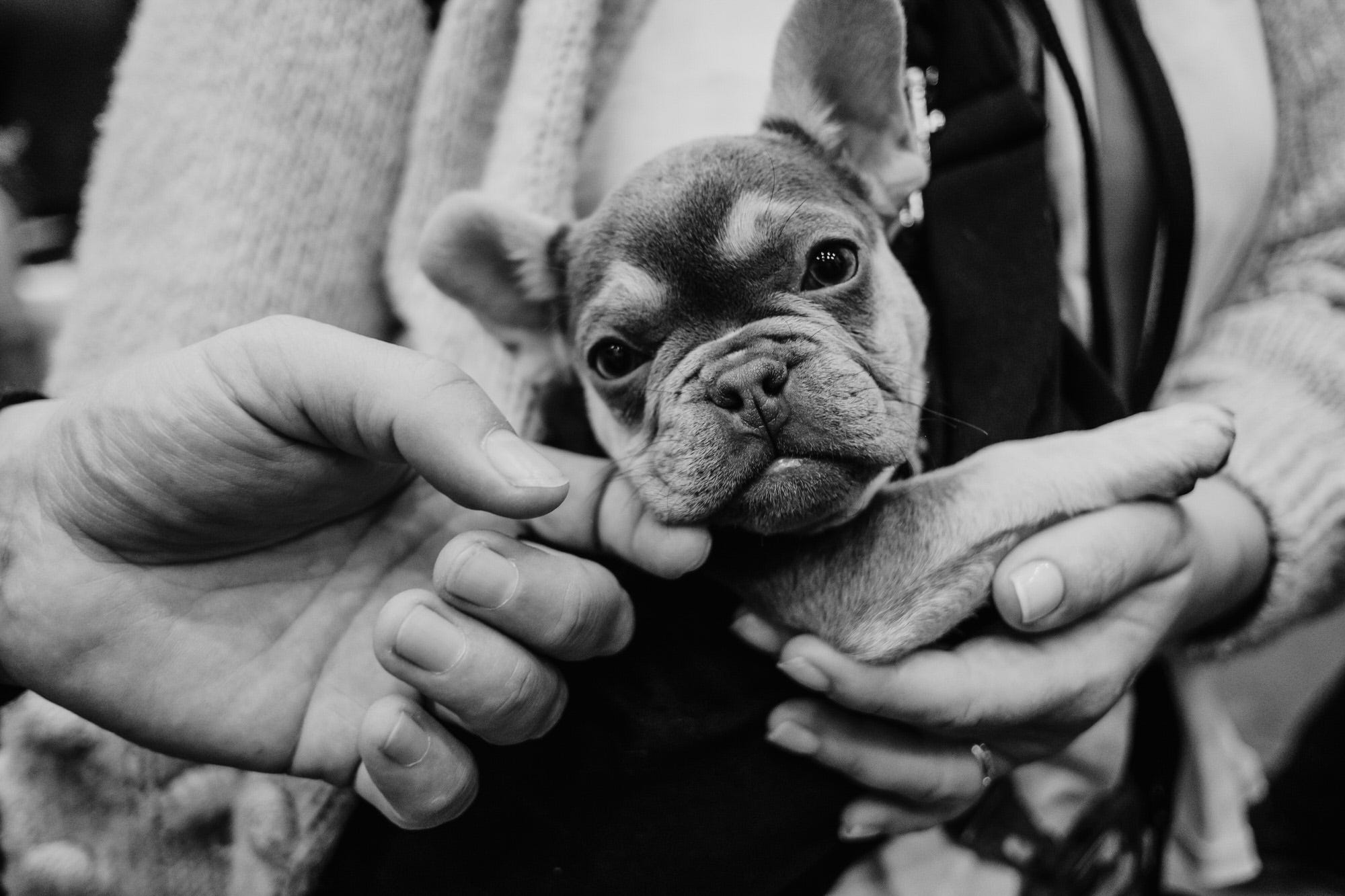
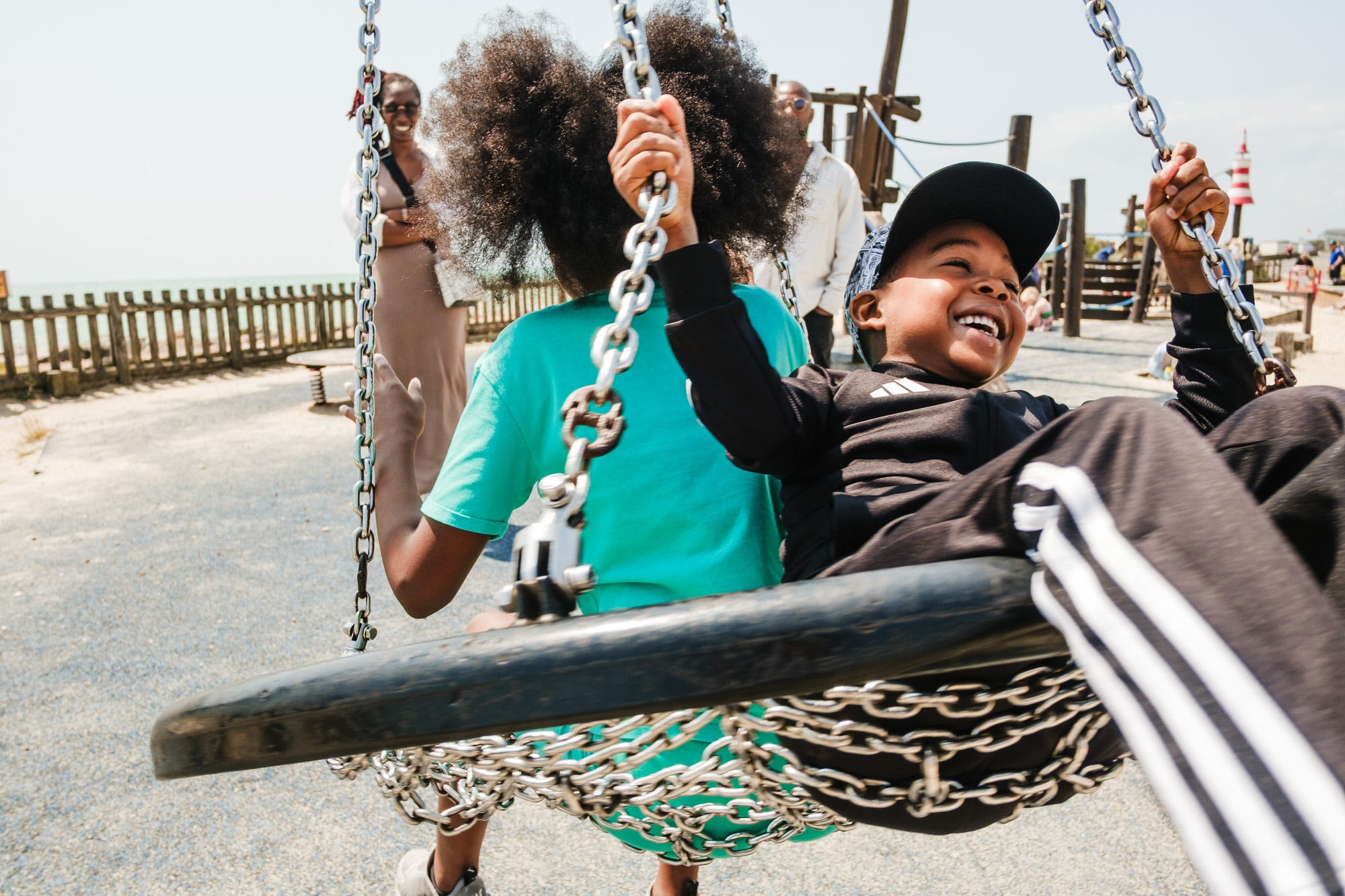
So when you think that nothing exciting happened today — and therefore there’s nothing to photograph — think again.
You’re not hunting moments.
You’re allowing them to happen.
You’re not creating something that isn’t there.
You’re observing what already exists.
And the more you observe — especially when nothing obvious seems to be happening — the closer you get to seeing.

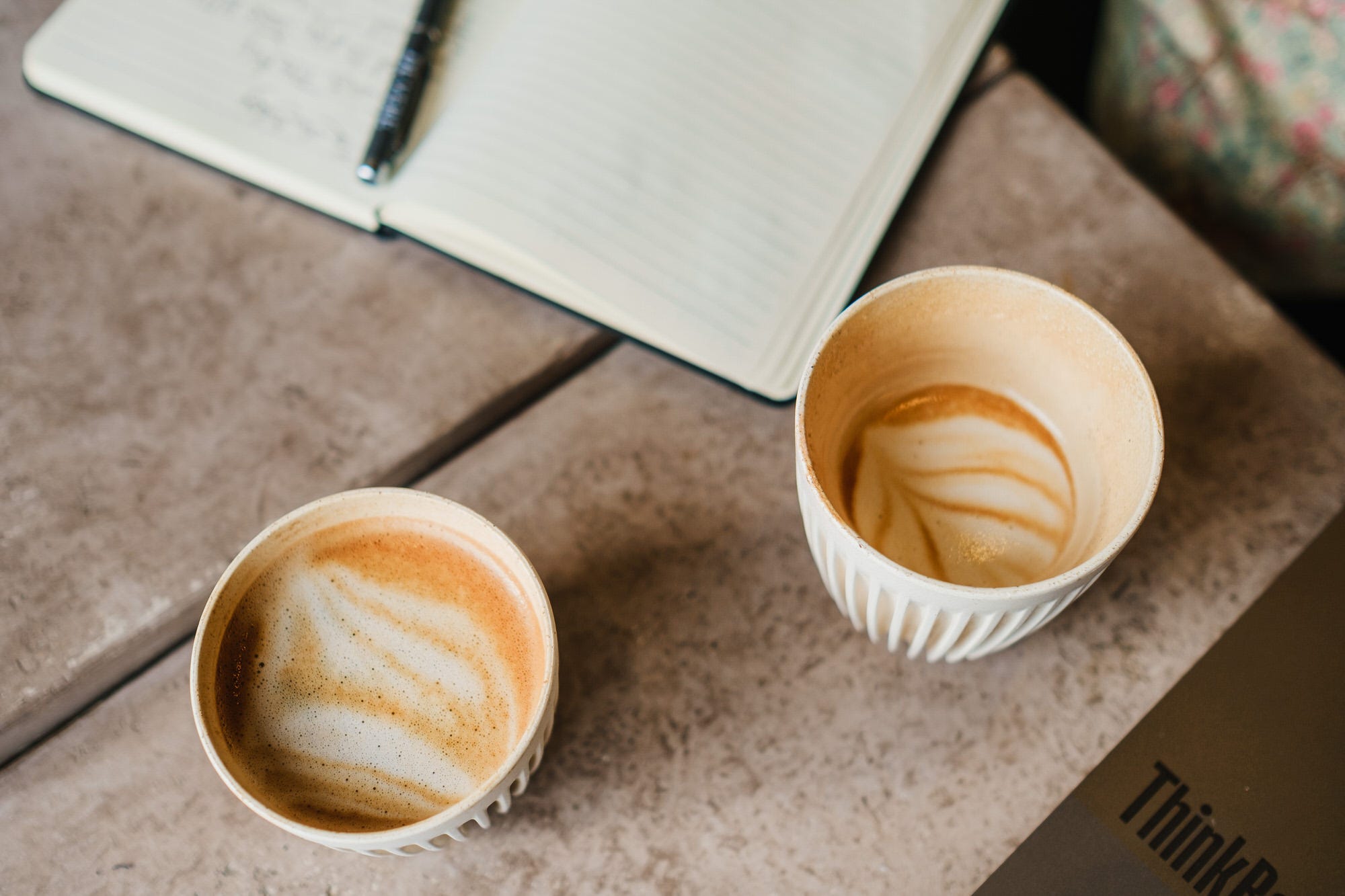
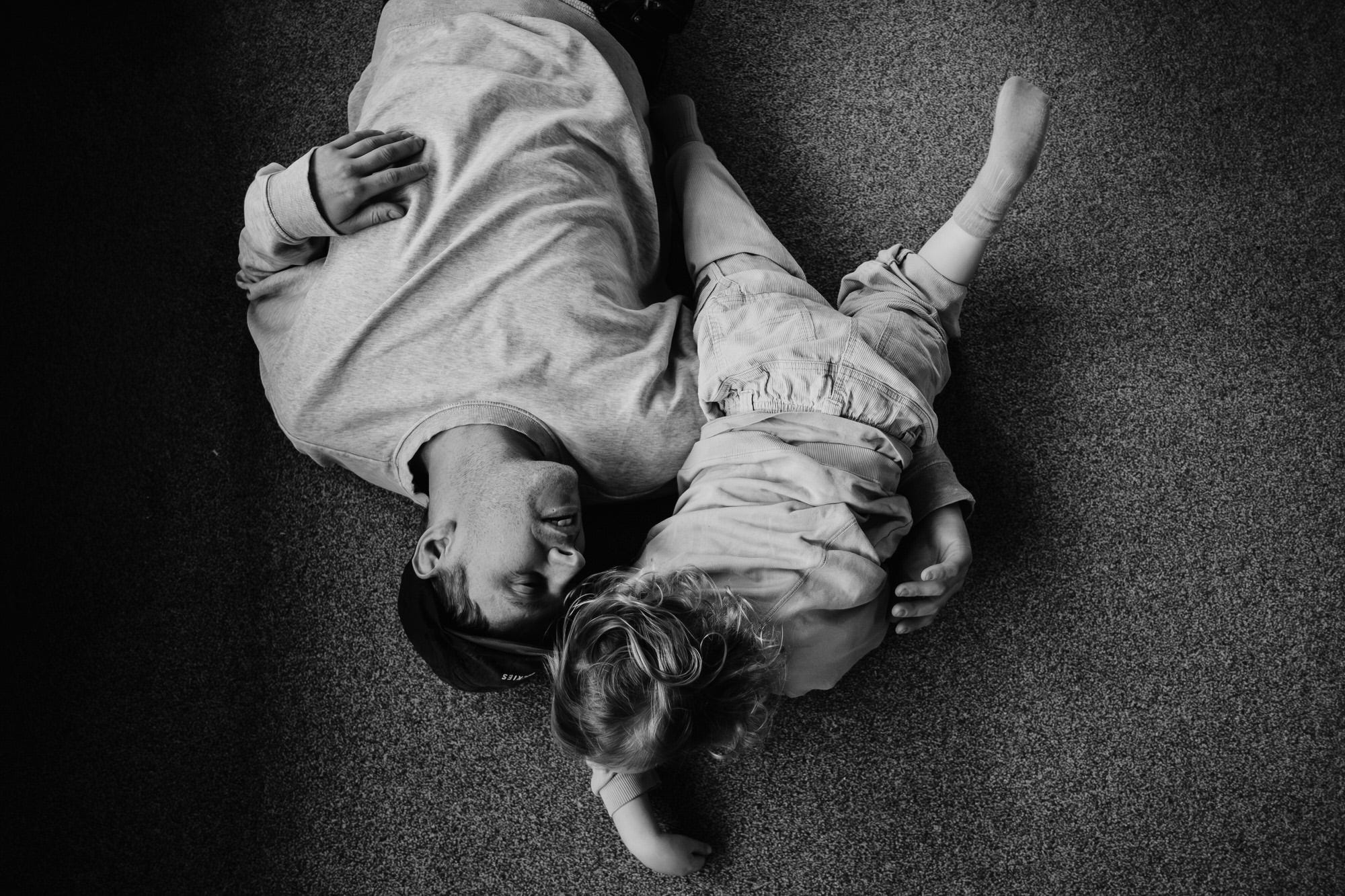
Some days, it’s just light moving across a wall.
The quiet ritual of making dinner.
Toys scattered randomly across the house.
An untouched cup of tea going cold on the table.
None of these things are extraordinary on their own. But together, they tell the story of a life. And every day, there’s a story like that waiting to be noticed. Repetition is not the enemy here — it’s the guide. The same actions, day after day, reveal subtle differences if you pay attention.
Mood shifts. Energy changes. Seasons pass quietly in the background.
Pay attention not just to what’s happening — but to how it feels.
Your own mood.
The atmosphere in your home.
The emotional temperature of the day.
All of that can be photographed. And in a world that moves faster than most of us can comfortably keep up with, this kind of noticing almost feels like an act of resistance. Choosing to slow down. Choosing to stay with a moment instead of rushing past it.
It doesn’t just make you a better photographer — it makes you a better observer of your own life. This is where the emotional layer sits. Noticing helps you reconnect with yourself. It allows you to see your life more clearly, without judgement.
And over time, it can make things feel less numb — more rooted, more real.
Before I leave you today, I want to offer you a small exercise. You don’t need a camera for this:
Just notice.
Pay attention to one detail that stands out — it could be a person, an object, a sound, or the way light enters a room. Don’t photograph it. Don’t analyse it. Just notice it.
That’s the secret to becoming a better documentary photographer. Paying attention. That’s it.

Life, Documented
Hosted by Anja, a documentary family and personal branding photographer, the show explores what happens when we start documenting our lives with honesty and attention — without pressure, perfection, or fancy gear.
New episodes are available on Apple Podcasts and Spotify.
If you’re listening, you can subscribe in your podcast app to get new episodes automatically.
Thank you for reading Life, Documented.
You can share this with someone who’s documenting their life. ❤️
💬 Feel free to like or comment on this article so more Substack users can find it! Thank you for reading Life, Documented. This post is public so feel free to share it. ❤️
Comments
Nothing yet. Say the first thing.
Sign in to join the conversation.