
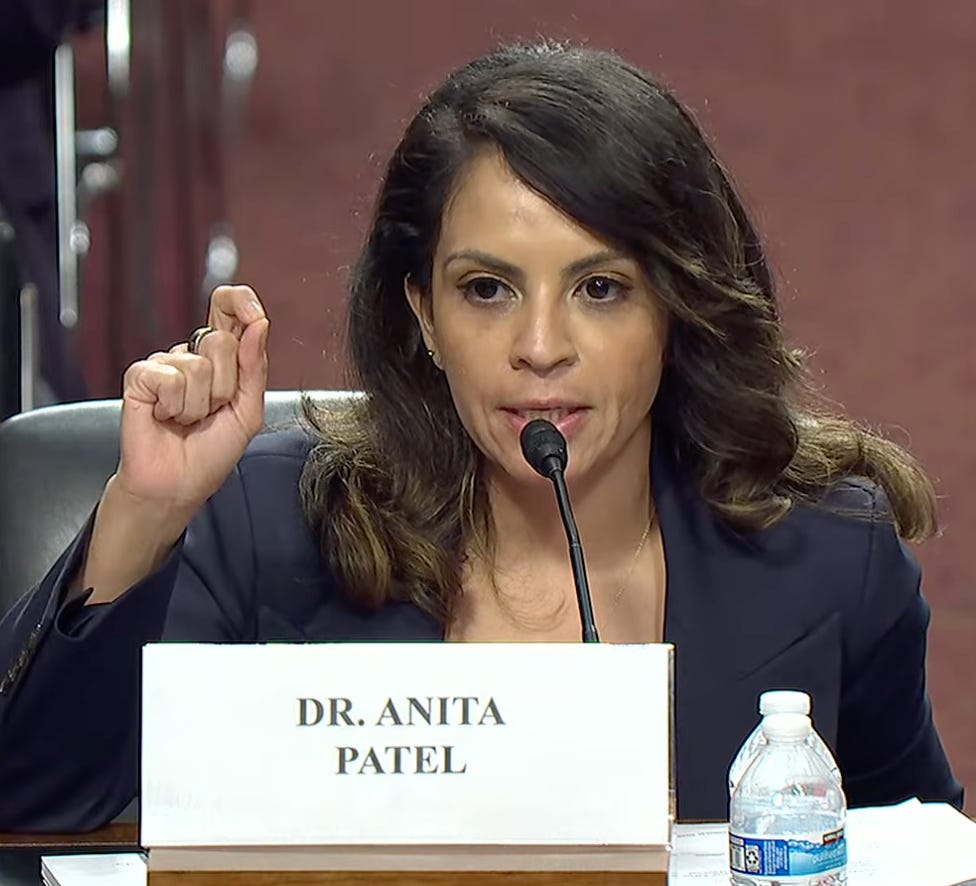
A doctor, a mom, a yogi, and an accidental activist walk into the internet. This is her Substack.
I have been on the internet for a while now. Long enough to know that Instagram is a highlight reel, that Twitter (fine, X, I refuse) rewards outrage over nuance, and that the algorithm will surface your most alarming content to people who had no idea they wanted a pediatric intensivist in their feed, and then reward you for it. I have made it work. I have built something real there, a community of people who, against all odds, want their medical news delivered with dry humor and genuine alarm in equal measure.
But there has always been something missing. A place where I could sit down, take a breath, and actually say the thing. All of it, with context, with feeling, with footnotes if I want them. A place that is not optimized for the scroll. A place where the people reading actually chose to be here.
That place, I have come to understand, is Substack. And I am embarrassingly late to the party.
Thanks for reading The State of Pediatrics! Subscribe for free to receive new posts and support my work.
Let me tell you who I am, for those of you who are new here.
I am a pediatric intensivist (a PICU doctor) at Children’s National Hospital in Washington, DC. I spend my days, and more nights than I care to count, caring for the sickest children in the region, the ones whose bodies have decided to stage a full revolt and whose families are white-knuckling it in the waiting room. I am also a physician-scientist, which means I spend my other hours doing research on how to use artificial intelligence to make those children safer. I am an Associate Professor at George Washington University. I have NIH funding. I own approximately too many tote bags that say things like “evidence-based medicine.”
The path here was not short. I grew up at the NIH, literally. I started working there at sixteen, which tells you everything you need to know about what kind of teenager I was. I went on to Penn for undergrad, UVA for medical school, Cornell for residency, and Columbia for my critical care fellowship. I have had an MD after my name for sixteen years. I have been an attending in pediatric critical care for a decade. I say this not to impress you but to explain something: I have spent a very long time earning the right to say hard things about sick children, and I am done saying them quietly. Somewhere in the middle of that Columbia fellowship, while I was learning to manage multiple organ failure and run codes on children, I also became a certified yoga teacher. Yes, at the same time. I was learning to breathe while learning to keep other people alive. I recommend it. The yoga, I mean, though the critical care training has also come in handy.
I am also a mom to two small, feral, wonderful humans. A wife. A dog owner to the inimitable Maddie.
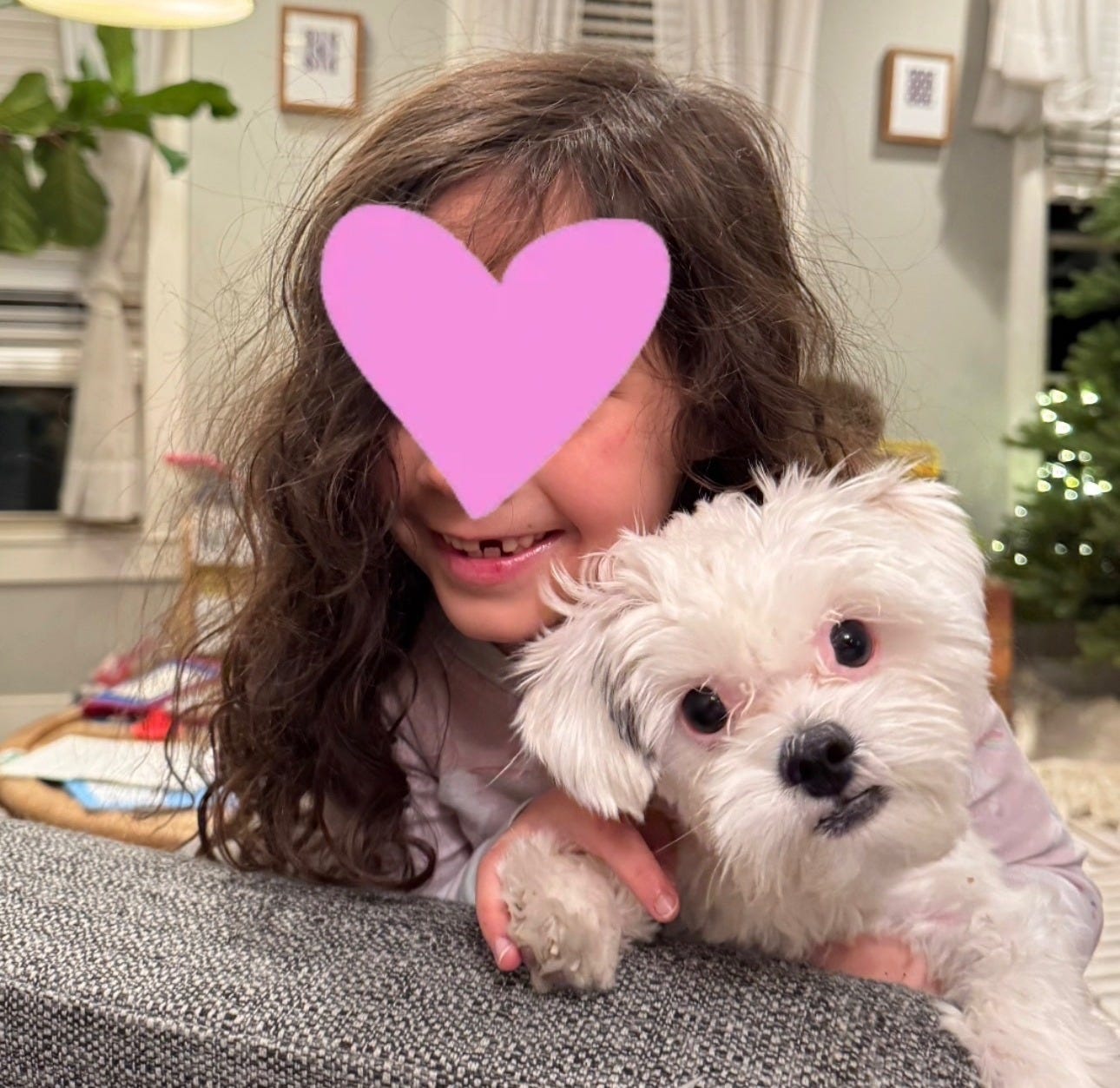
I tell you all of this not because I think you need my CV, but because I want you to understand: I am a person who contains multitudes, who has spent a career learning to hold complexity without flinching, and who built a public platform because I believe that medical knowledge belongs to everyone, not just to the people lucky enough to afford a specialist.
And then something happened that changed everything.
When reports began emerging about children being detained at immigration facilities, children who were sick, children who were scared, children who were separated from their families and denied the most basic medical care, I did not feel like an activist. I felt like a pediatrician. I felt like a mother. I felt the specific, clarifying rage of someone who knows exactly what happens to a child’s body and brain when they are traumatized and left without care.
So I started talking about it. Publicly. Loudly. With data.
What I did not expect was that I would not be alone.
Thanks for reading The State of Pediatrics! This post is public so feel free to share it.
The “Bring Them Home” campaign did not begin as a campaign. It began as several very angry mothers: doctors, advocates, human beings who found each other and realized that our individual voices were not enough. That we needed each other. That what we had, together, was something that could not be ignored.
Dr. Ashley Cozzo (@dr.ashmarie) and Dr. Lara Jones, who you may know as @AskLaDoctora, became my partners in this. We built something from nothing: congressional meetings, a coalition letter signed by thousands of healthcare workers, advocacy days on Capitol Hill, on-camera interviews, call scripts for constituents, a research study on the infectious disease burden carried by children in immigration detention.
I sat in the gallery at the State of the Union as a guest of Congressman Joaquin Castro. I have met with Representatives Castro, Omar, Khanna, Magaziner, Dexter, and Gomez. I have sat across from people with actual power and said: these children are patients. They are your constituents’ children. This is what is happening to their bodies. What are you going to do?
And then, because the universe has a sense of humor and also occasionally delivers miracles, Ms. Rachel reached out to us. Rachel Accurso, beloved of toddlers everywhere, the woman whose voice has narrated the snack time of an entire generation of American children, looked at what we were building and said: I want to help. Hilaria Baldwin joined us. Rania Batrice, who has spent her career amplifying voices that need to be heard, brought her platform and her heart.
What started as a thought from an angry mom — actually, several angry moms — became a movement. A real one. The kind that has press conferences and congressional records and, yes, a Substack.
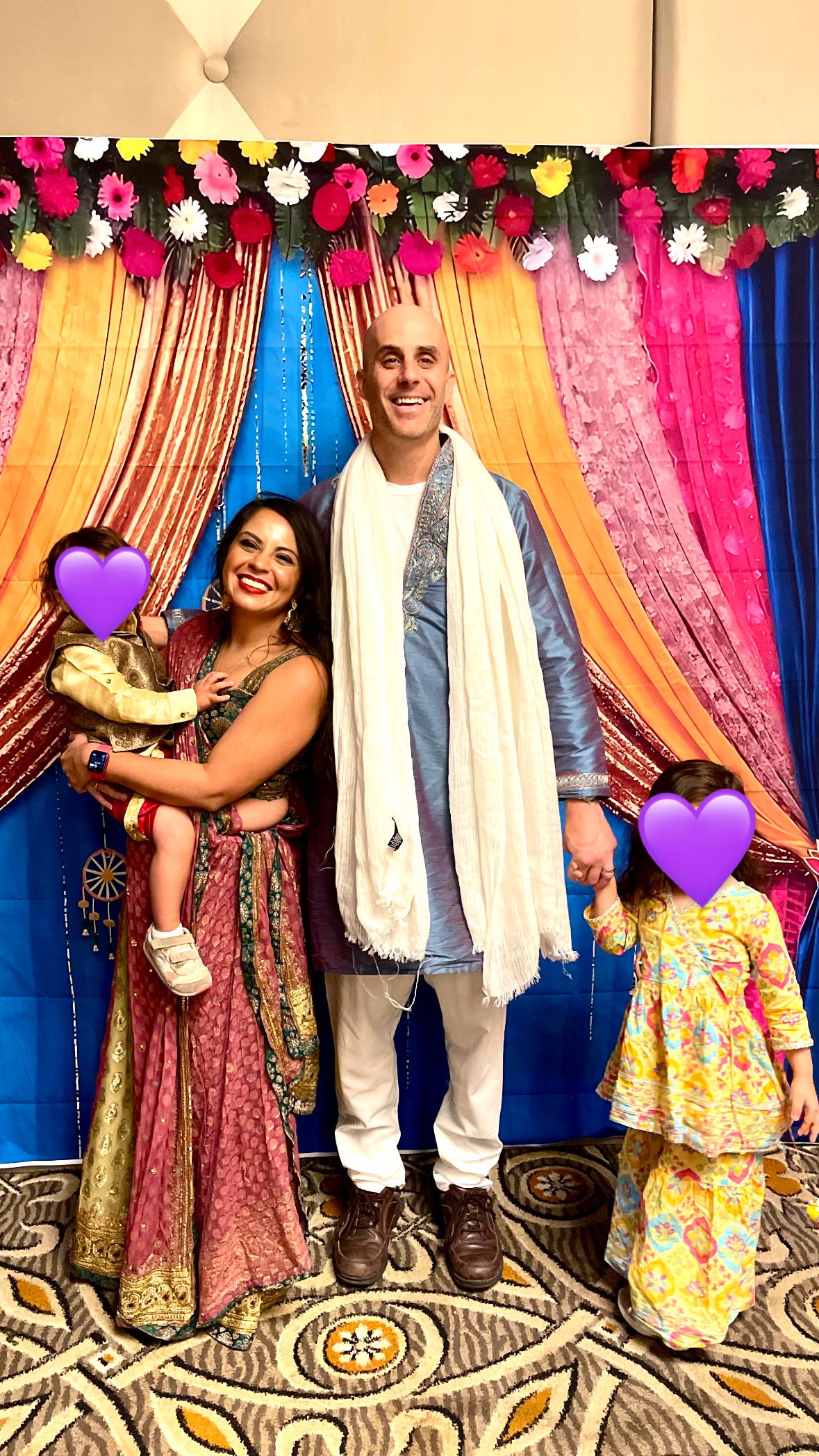
My husband is a human rights advocate. He has spent his career doing the quiet, unglamorous, essential work of fighting for people that governments would prefer the world forget. He has taught me, by example and never by lecture, that advocacy is not a personality trait. It is a practice. It is showing up, again and again, with evidence and with fury and with strategy, even when the systems you are fighting are enormous and the progress is slow.
I realized that my medical knowledge was not just a clinical tool. It was a policy argument. It was a moral claim. It was evidence. I came to see that what I had spent a decade learning in the PICU, how to read a sick child, how to fight for them, how to hold a family’s terror and translate it into action, was exactly what this moment needed.
He changed how I see myself. This work has changed me, full stop. I do not know how to go back to being the person who kept her head down and her opinions to her colleagues.
So here is what this Substack is.
This is where I document the cases. The children. The policies that put them in harm’s way and the people working to change those policies. This is where I go deeper than a caption allows, where I trace the line from a child in a detention facility in Dilley, Texas to a vote in a congressional office in Washington, DC to a parent’s inbox to a phone call to a representative who might, if enough of us are loud enough, do something about it.
This is also where I write about the other things I care about: evidence-based medicine in an era of manufactured doubt, universal health coverage as a moral imperative, what it actually looks like to practice pediatric critical care in 2026, and yes, occasionally, what I am reading, what I am cooking, and how the yoga is going.
This is not a newsletter that is going to tell you everything is fine. It is not going to perform optimism it does not feel. But it is also not going to despair. Despair is a luxury we cannot afford. What we can afford is clarity, and community, and the particular kind of hope that is not a feeling but a practice.
The campaign will not end until child detention ends. That is not a slogan. It is a commitment.
Welcome. I am so glad you are here.
Anita
Comments
Nothing yet. Say the first thing.
Sign in to join the conversation.