
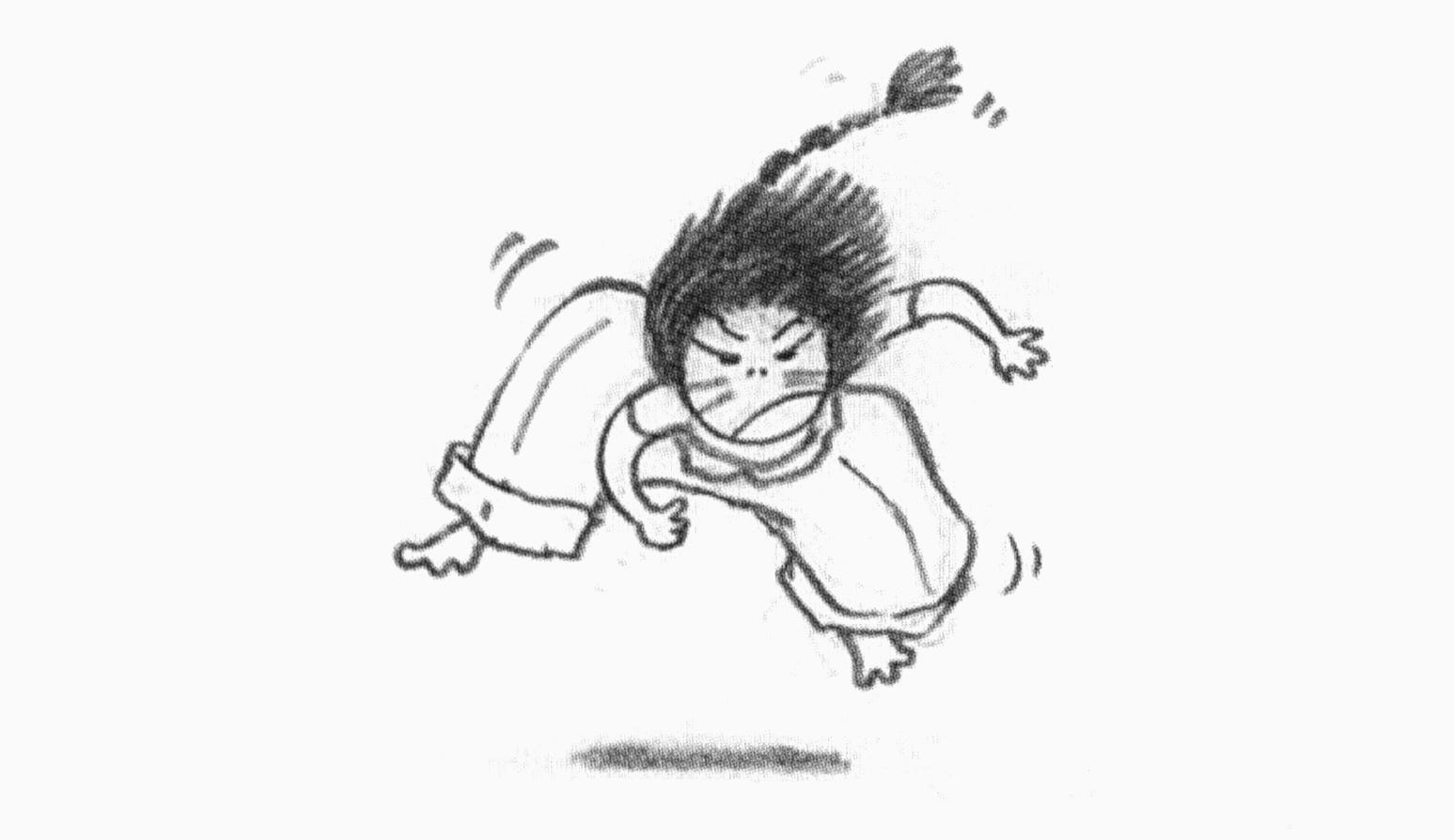
Welcome! It’s another Thursday issue of the Animation Obsessive newsletter. This time, we’re seeing how a few giants of Japanese animation have storyboarded.
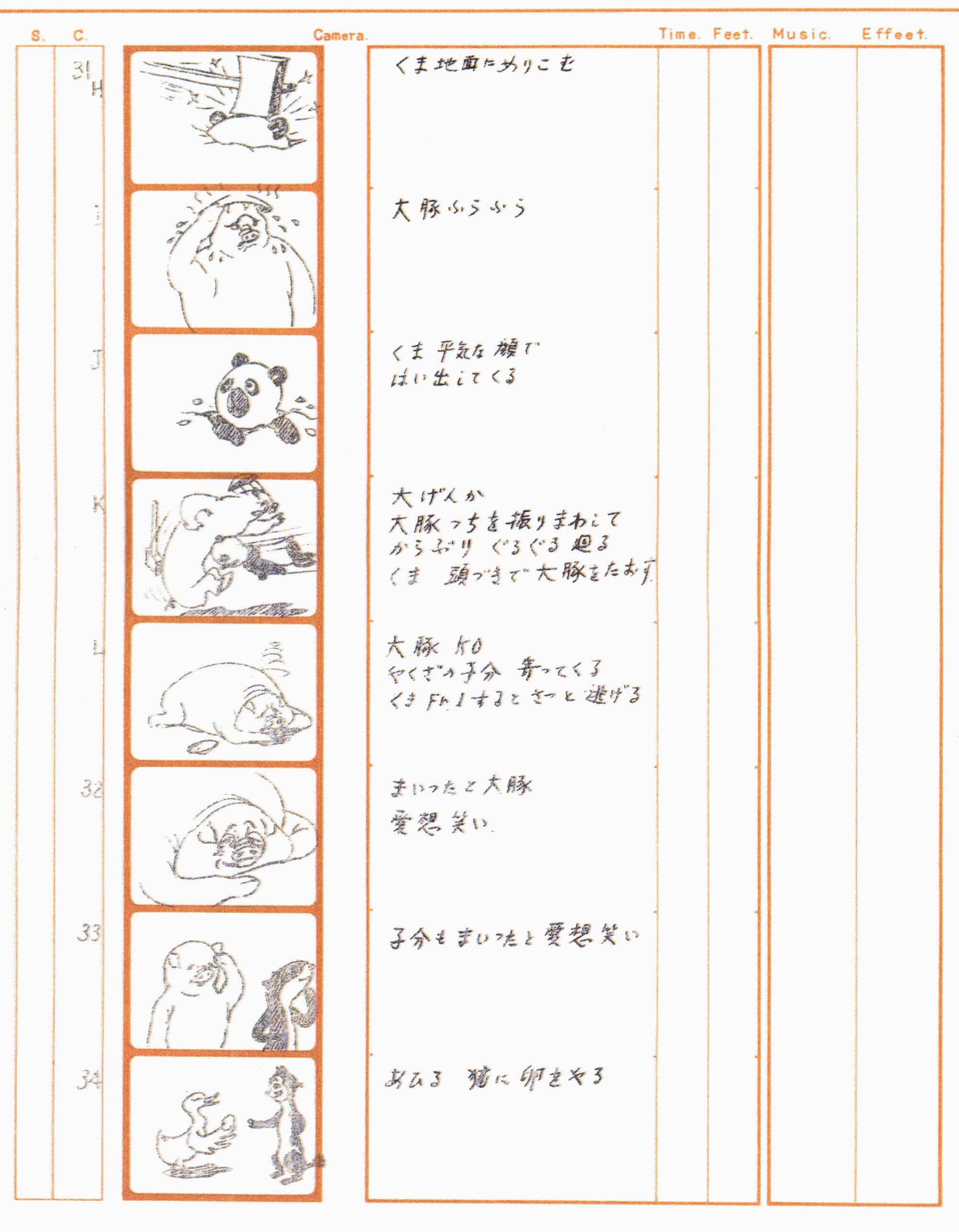
Since Japan’s modern industry began in the mid-century, at Toei Doga, storyboards have been common. They guided that studio’s early films like The White Snake Enchantress (1958) and The Little Prince and the Eight-Headed Dragon (1963).
At Toei Doga, storyboarding was often a collective job: animators, directors and others all got involved. Putting a single filmmaker’s vision into every shot wasn’t necessarily the point. In the case of Puss ‘n Boots (1969), the boards for each scene were assigned to that scene’s animator.1
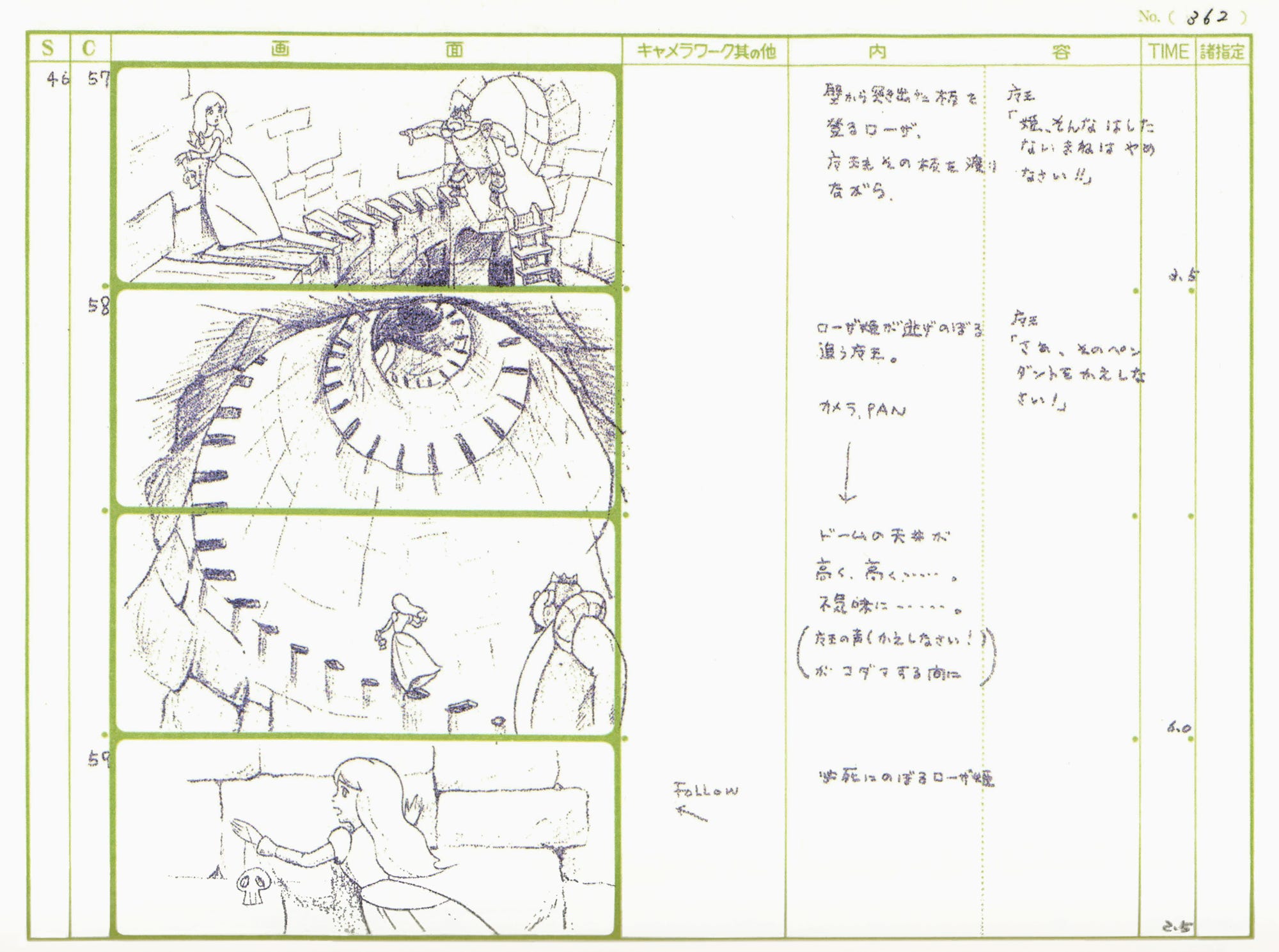
Over time, though, there emerged a group of star Japanese directors who fully storyboarded their own projects. It wasn’t universal, and certain auteurs (like Isao Takahata) still relied on collective boarding. But it was a key development: a director could take total control of framing, timing, editing and more. The whole work bent to a single artist’s vision.
And, by the ‘70s, several different visions were already in open competition.
Comments
Nothing yet. Say the first thing.
Sign in to join the conversation.