
This summer, we are focusing on the theme of innovation. So far, we have:
Shared an invigorating chat with Jonah Feingold who is behind launching a rom-com focused company called It’s Romantical.
Recorded our second cafecito with Brit MacRae, co-founder of KINO Studio, a Sequoia-backed film company built on transparency, equity, and creative empowerment. (Drops next Friday 5/22!)
Dropped my deep dive with writer Colby Day who is the oxygen tank we all need
It is fitting, and also perhaps alarming, that I chose this theme before knowing I would be accepted into an AI Safety training intensive course curated by Blue Dot. This non-profit was put on my radar by a dear friend who is pivoting out of the industry. There are many opportunities bubbling up for us to use our storytelling talents to help shape conversations around policy, governance, and the future of AI.
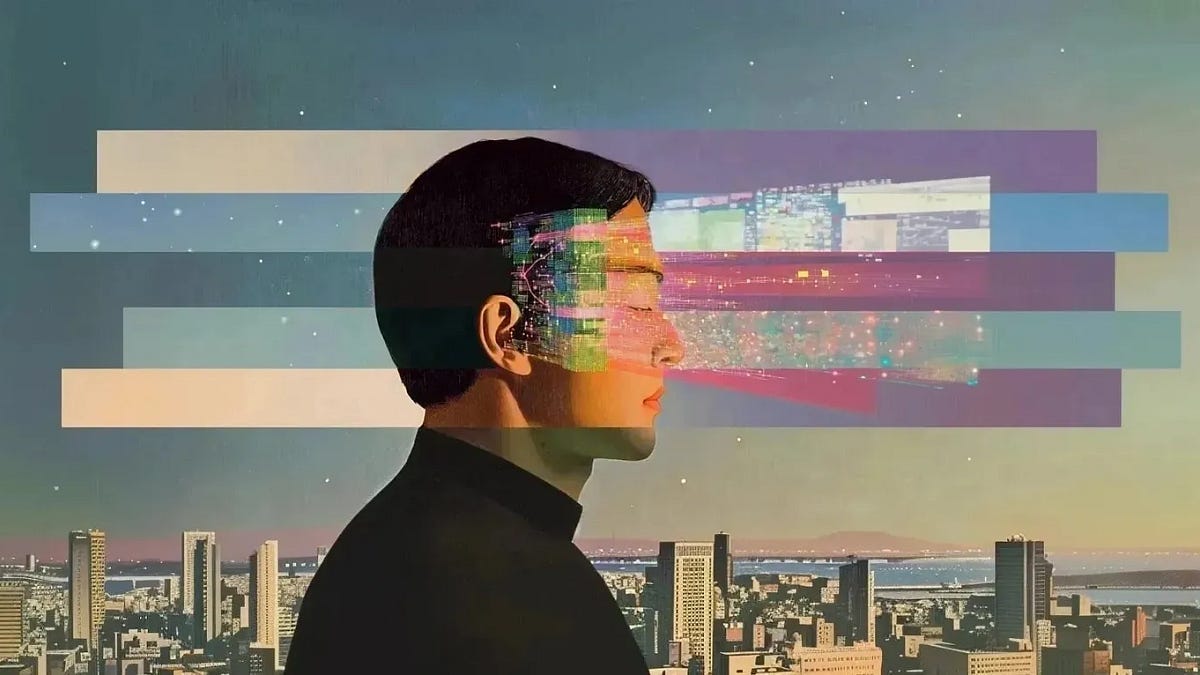
The course ends tomorrow and holy cow my head is spinning. Perhaps I have seen one too many sci-fi doomsday films, but it is quite difficult to not fall prey to defeatist thinking when AI will soon, very very soon, be able to self-generate. Whoever controls the data that it’s learning on, controls the narrative.
Research already shows that when you let AI consume its own output, the results degrade fast. Imagine the Habsburg royal family, who famously inbred across generations of European nobility in pursuit of power and purity, only to produce strange ass heirs with increasingly severe physical and cognitive complications until the line essentially collapsed under the weight of its own closed loop.
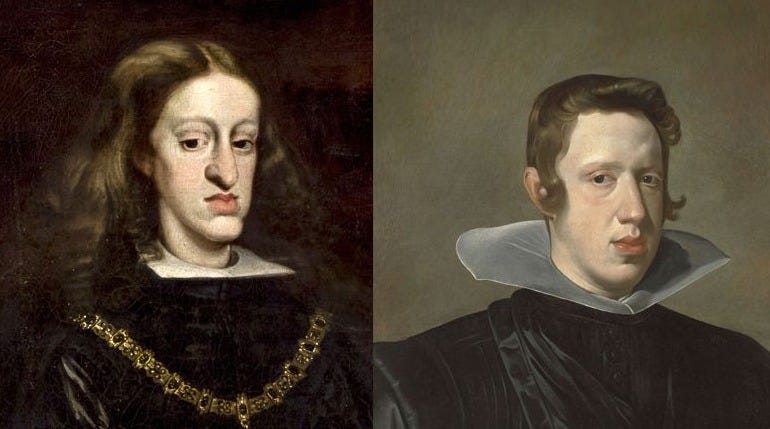
That could likely happen as AI eats its own tail. The output gets stranger, weaker, and less human with every generation. So the question I keep sitting with is: if we already know this, what exactly are we going to do about it?
Which brings me, somehow perfectly, to The Comeback.
If you are watching the third and final season of Lisa Kudrow’s HBO masterpiece, you already know. The show, which was honestly way ahead of its time when it first aired twenty years ago, dedicates this last chapter entirely to the threat AI poses to writers, creativity, and our industry. Valerie Cherish, forever chasing relevance, finally gets what she has always wanted: to be the lead in her own sitcom. The catch? It is written by AI. The show essentially hands Valerie the dream and then quietly asks: but what does it mean if no human made it for you?
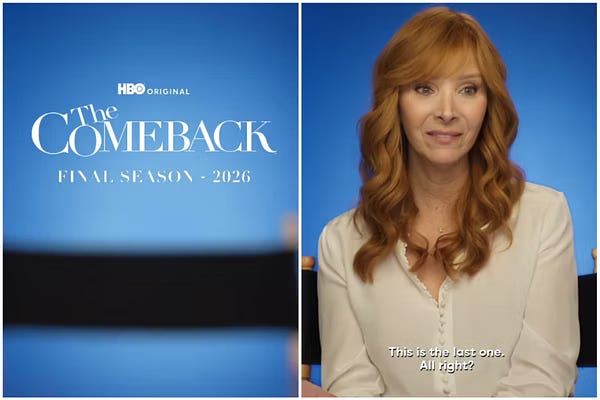
It turns out, we did want to see that!
The finale gave Valerie the perfect moment. When Jane, the documentarian, tells her how impressed she has been watching her survive twenty years of humiliation in this industry, Valerie asserts that she never agreed to be humiliated, stating:
"I think you have to agree to be humiliated, and I never signed up. I just did the best with what I was given. And isn’t that what being a human being is, though?
This resonated deeply. One because I’m creeping up on my 20 year LAverssary, and two because I’ve been reflecting on doing our best with what we are given.
It would be very easy right now to look at everything happening in our industry, everything the AI Safety course is jam packing into my brain, even Demi Moore at Cannes urging us to embrace AI, and decide that the walls are closing in.
Move to Bali!
Go run a vineyard somewhere!
Escape this hellhole!
And some days, ok most days, I’m actually quite tempted. But, as activist and philosopher Cornel West says: hope is a discipline. Not a feeling. Not a wish. A practice.
So, the timing is quite fitting to share this very hopeful episode with Colby Day this week of all weeks.
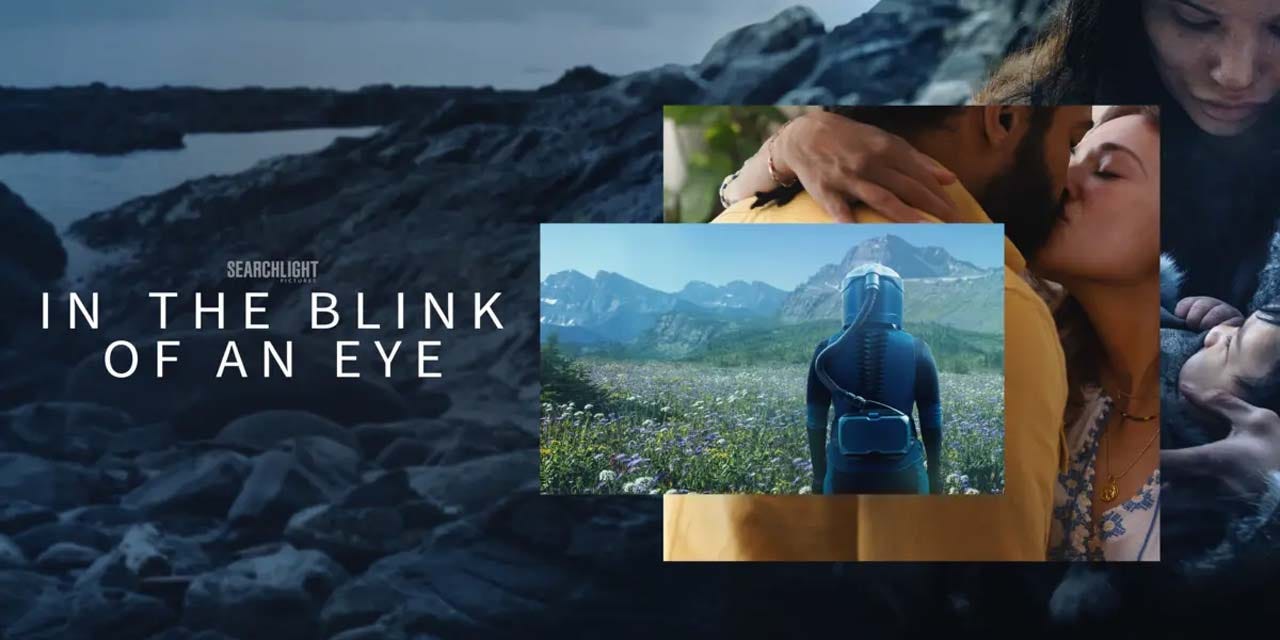
Colby is a new dad who also happens to be an Emmy-nominated writer whose credits include the Netflix film Spaceman starring Adam Sandler and In the Blink of an Eye, which just premiered at Sundance and is now streaming on Hulu. He also served as a writer and story editor on Apple TV’s For All Mankind season five. His directorial debut The Comedy Hour with Tim Heidecker and Tatiana Maslany is up next.
He is also the creator of Hollyweird with Colby Day, a Substack where he publishes a radically transparent account of life as a working writer in Hollywood.
Our shared entry point into the industry was unexpected to both of us. It was, you guessed it, theater.
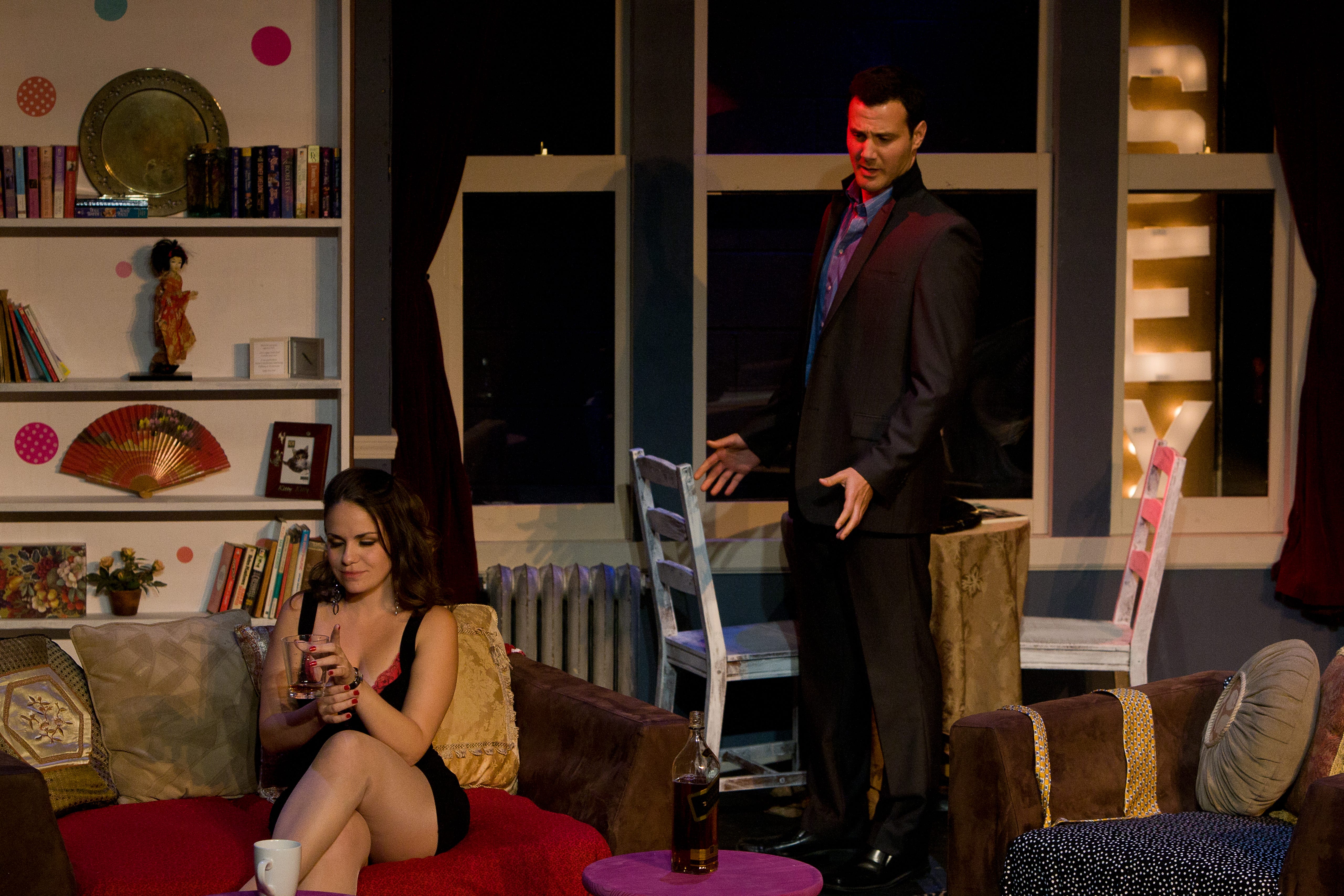
Look, Nicole Kidman was speaking directly to my soul. I came to that dark place for magic, and I still do. But theater is what made me fall in love with performing, with entertaining, with the process. Early in my LA journey, when I realized how long everything takes in film, how much it costs to do anything, and how often the ball is in someone else’s court, I leaned into what I knew. And thus, the first project I ever produced was a licensed six week run of the contemporary comedy Spike Heels by Theresa Rebeck.
I played the feisty Georgie in a show that reimagines Pygmalion, exploring themes of sexual harassment, class, and relationships through a four-sided love triangle in Boston. It was not until I was deep in the memory chest searching for a photo that it dawned on me this was fifteen years ago. The show opened May 21st, 2010.
The elders were right…life goes by so fast.
For Colby, the theater origin was almost identical and completely unintentional. He came to NYU wanting to make movies. His friends were actors. They kept saying: just write a play, we will do the play. His first stage piece was a creature feature about slugs attacking a town, monsters played by puppets, very Little Shop of Horrors vibes.
He did not mean to become a theater guy, but the collaboration and problem-solving in real time consumed him. He looked up six years later and realized he was one.
What theater gave him, he says, was “the ability to answer questions.” Film writing is solitary by design. You send the script, you wait, you hear nothing. Theater forces you to sit across from the director, the actors, the designers, and defend every choice. Why does this happen here? Is it essential? Could we do it differently?
He got here eventually. His first few weeks were the kind of LA fantasy people love perpetuating. He moved to LA, signed with his manager, optioned his slug musical to Lionsgate the year La La Land came out, signed with agents, sublet an apartment, all within weeks.
Then, he realized the option money would not even cover a year of rent. The movie never got made, and just like that, he descended from grace just as quickly as he was elevated.
That honesty became Hollyweird. It started as annual year-in-review posts that really landed with writers from all levels has grown to a platform of sorts. Though he considers himself shy, he opted to put himself out there on the socials because of his deep awareness of how much this industry does not prize honesty.
It’s all about the heat, baby. The siiiizzle. The appearance of momentum.
Being candid about how hard and slow and uncertain it all is is not exactly a power move. He does it anyway, because it matters. I applaud him because I’m out here on these streets doing the same.
We talk about many things, but all roads point back to the fact that this is 100% a career for maniacs. Either you have the gene or you don’t. The boulder goes up the hill and at the top there is… a bigger hill. You either find that energizing or you find a different career.
I hope you find this conversation as energizing and delightful as I did. Colby’s film In the Blink of an Eye is streaming on Hulu, btw.
I also want to leave you with this.
Write the script. Paint the painting. Make the short film with your friends and a borrowed camera. Choreograph the thing you have been turning over in your head. Fill the page. Tell the story only you can tell, in the way only you can tell it, with all the mess and specificity and humanity that no model trained on existing data will ever be able to generate from scratch.
The world does not need more output. It needs more of you. That is not a small thing. That is everything.
Keep creating, keep hustling. And as always, thanks for doing this life thing with me!


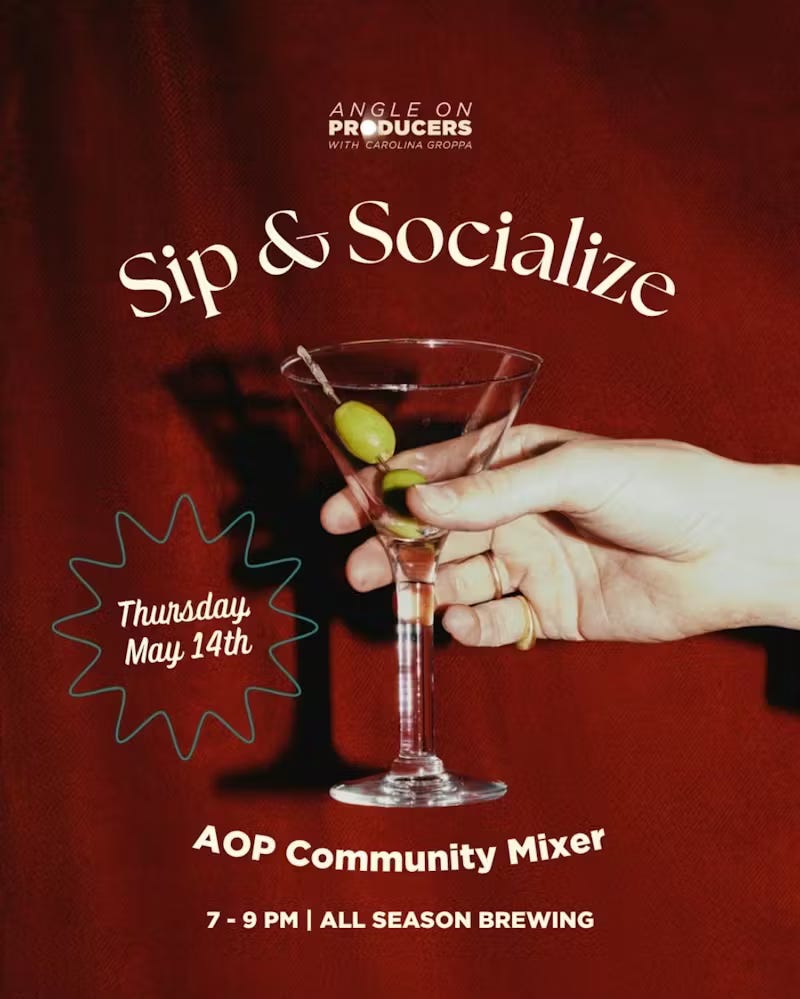
Come by and meet new friends, say hi to some familiar faces, and make new connections within the AOP community. RSVP via this link!
🗓️ Thursday, May 14th from 7 - 9 PM
📍 All Season Brewing | 800 S La Brea Ave Los Angeles, CA 90036
The full episode is worth your time, but if you need the highlights, here’s what you can’t miss:
Why the decade it took to get In the Blink of an Eye
What director Andrew Stanton said in the room that no one else had said in years
What Colby learned about Hollywood heat versus Hollywood substance
His distinction between taste and craft, and why it matters for how you protect your own work.
The one thing he does every time a project falls apart that keeps him from losing his mind.
Comments
Nothing yet. Say the first thing.
Sign in to join the conversation.