
There’s a whole mythology about the German Autobahn. This was built and maintained by men and men who like to drive.
I want to start off by saying, I am sympathetic to this group. I like cars too. I almost feel more affection for these guys — who are excited about cars and driving — than the other class of drivers on the road, who just wants the cheapest most reliable car they can find for whom driving is a big chore (although I fully get that too).
The journey can be fun! That’s something, as a road cyclist, I share with car guys. People who have boats or motorcycles too — it’s the same deal. A journey can be an adventure. I have nothing against this whole spirit.
The mythology of the Autobahn it fits squarely in this category. It’s the Shangri-La for car guys. I have to admit, I’ve never visited Germany or driven on the Autobahn. But I’m constantly being told about it, because I write about transportation and traffic safety.
In these discussions, the Autobahn serves a specific purpose. It becomes this anecdote that PROVES what this guy DEEPLY KNOWS. Which is that the government trying to tell him how to drive is the REAL PROBLEM. Speed limits are just nanny state overreach, and maybe even WORSE for safety.
This is a complete macho fantasy, but a very powerful and seductive one. In this fantasy — and this is what we’re up against in traffic safety — the competent man driver is in full control of his powerful machine. It’s a little bit analogous to the “Good Guy With a Gun” thing, which is also a male fantasy, or at minimum an oversimplification that puts a romantic spin on activities in which there are absolutely enormous potential harms.
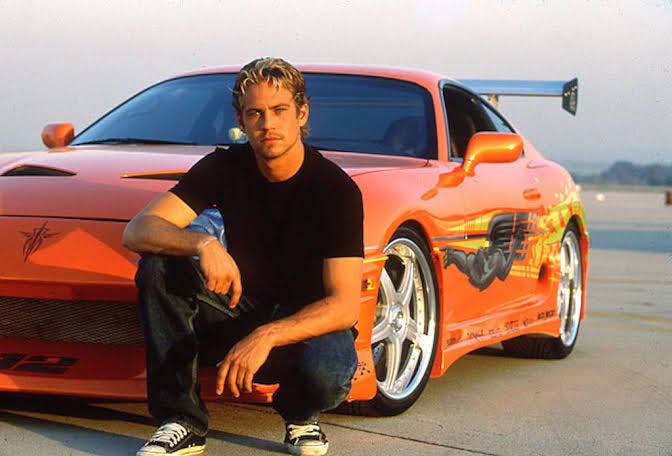
Both of these fantasies are fueled by extraordinarily powerful narratives. There’s a whole genre of cowboy movies generations of American boys were literally brought up on reinforcing the “Good Guy With a Gun” one. Same for car chase movies. There are 1,000 Fast and Furious Movies that are just hours of driving stunts, where young men drive fast cars like sociopaths, including through urban areas, and no innocent bystanders get hurt, which is just not the reality of how street racing plays out in the U.S. AT ALL. Police chases alone — to say nothing of unsanctioned street racing — kill thousands of people, hundreds of which are innocent bystanders.
Don’t even get me started on video games where little boys are invited to mow down pedestrians. How could that not desensitize them to that?
NOW, I’m not saying every guy who subscribes to the Autobahn fantasy is a terrible reckless driver. A lot of them are probably fine, real adults who understand the stakes. As long as they’re middle aged and have a family — those aren’t the kind of folks I worry about too much.
But here’s the thing, men are more dangerous drivers than women. They don’t charge you guys extra on insurance for no reason. They do that because men take more risks and are more likely to kill themselves or other people.
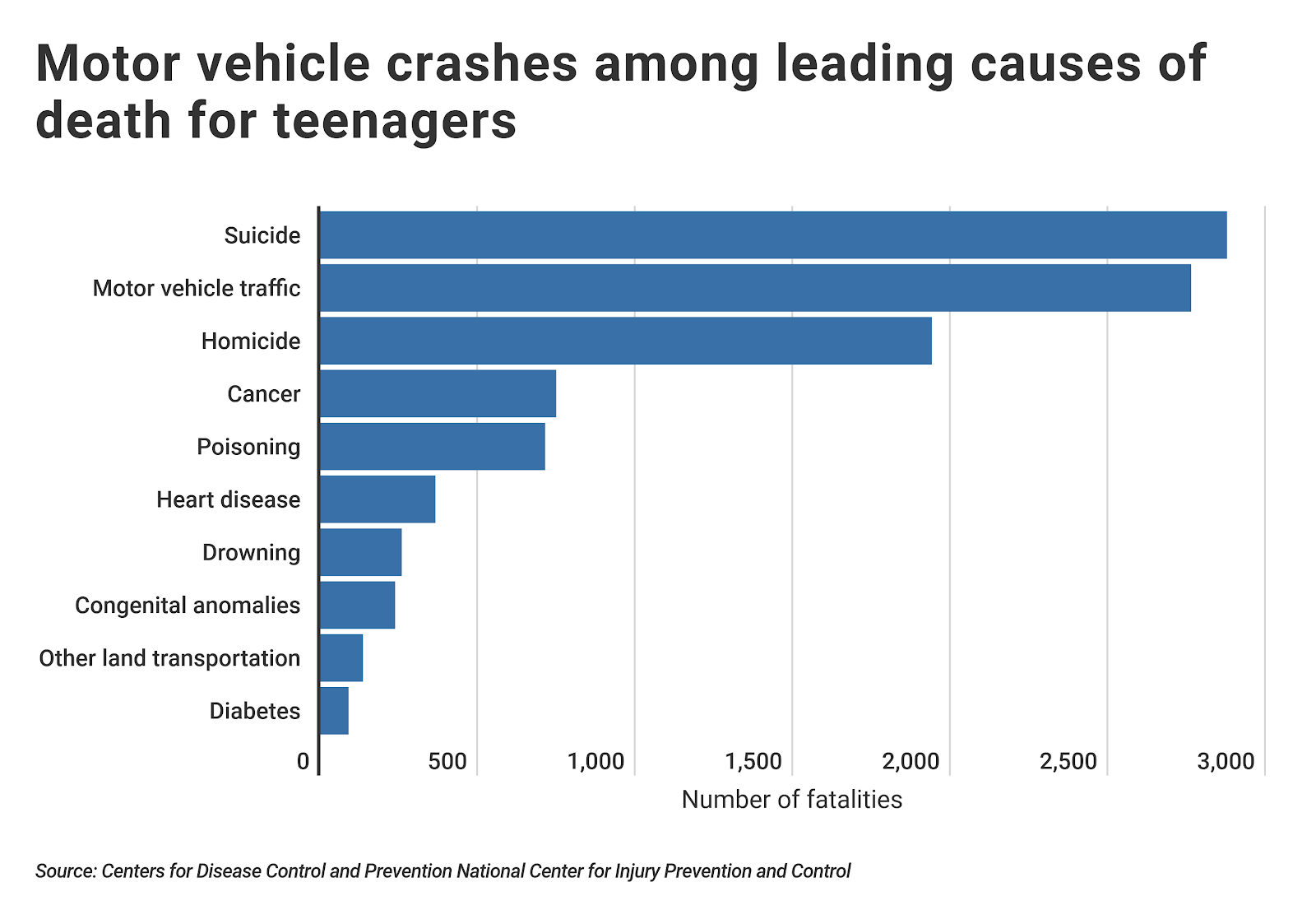
Again, it’s not the middle aged ones that really worry me. It’s teenage boys, and young men in their early 20s, who have really, really grim traffic statistics. For these groups, full scale embrace of this macho fantasy can be deadly and is a major threat to their well being. If they fit this description (young men) and they drive a motorcycle — even more so. The risk is astronomical that they will be seriously injured or killed.
The thing about the Autobahn is if you get past the male fantasy, the actual safety outcomes are more mixed. There’s a good, pretty nuanced discussion about it here.
To start off, large portions of the Autobahn — 30 percent — DO have a speed limit.
Germany has a great traffic safety record, much better than the U.S. But it’s pretty serious about controlling speeds in urban areas. It imposes 30km/h speed limits in many urban and residential areas. That’s the equivalent to 18.5 miles per hour, roughly.
One thing about Germany though, it has a major domestic auto industry, like the U.S. Countries that do tend to have worse safety outcomes. In this Pro-Con article about the Autobahn, it’s an auto industry person that takes the pro side and defends the arrangement. And that makes sense because this male fantasy of the open road and vroom vroom sells a lot of cars, and the auto industry is enormous.
For ordinary folks, driving on the autobahn can be kinda scary. Two-thirds of Germans think there should be a speed limit. Also, people waste a lot of fuel and don’t save very much time thanks to the “no speed limits” thing. The lack of speed regulation also creates “phantom traffic jams” when someone who is driving fast is forced to brake hard and creates conditions that simulate congestion. It’s not all car commercial/fantasy utopia.
The additional costs to the public of not imposing a 130km/h speed limit on the German Autobahn, amount to about $1 billion in reduced air quality, increased crashes and other costs. This amounts to, the Swedish business professor Stefan Gossling who generated that figure, a giant subsidy for fast drivers.
This is why traffic safety discussions become sort of a gendered “identity politics” discussion, a tiny bit, I think at heart.
Anyway, the reality of driving on the Autobahn for ordinary Germans, none of that really matters. The Autobahn’s purpose in discussions in the U.S. is to convince men that speeding is really okay when they do it. And that’s just not true. This is a basic physics thing. Faster drivers take longer to brake and have a harder time avoiding crashes in the first place. In addition, they exert exponentially higher forces when they do crash. Just because you speed doesn’t mean you will wreck and get hurt or hurt someone, but it does increase the odds you will. And when enough people do that, inevitably people get hurt and killed.
This applies not just to individual behavior but speed limits and the way we regulate our roads also. Evidence is quite clear that raising speed limits on U.S. highways, which has been the trend in the U.S. (thanks to the macho-fantasy-subscribing overgrown teenagers that largely populate our state legislatures) gets more people killed.
According to the Insurance Institute for Highway Safety, speed limits increases on highways over the last 25 years have cost 37,000 Americans their lives. Each 5 mph increase in speed limits leads to an 8% increase in fatalities.
I always thought it was sorta ironic, for example, that Paul Walker, the star of the Fast and Furious movies (and a childhood crush of mine) was killed in a car wreck. He was 40 and driving more than 100 mph when he was killed.
No posts
Comments
Nothing yet. Say the first thing.
Sign in to join the conversation.