
Hello there, it’s been a hot minute since I last wrote. I wanted to take a moment to write something inspired by and in conversation with post on diasporic grief. Maria describes returning to social media and following creators who discuss ancient Greek history and mythology, only to feel rising anger as non-Greek voices dominate conversations about her culture. I have noticed the same theme shortly after engaging with Pagans interested in Greek Polytheism - the lack of Greek voices. A critical comment on Maria’s Medusa post, despite her training in Classics and long teaching career, triggers self-doubt about her knowledge and belonging, and then broader questions about who is seen as authoritative on Greek culture. She notices an onslaught of content about Greeks made by non-Greeks and moves from earlier pride to a new sense of discomfort and “ickiness,” realizing she has internalized the idea that, as diaspora, she is “not Greek enough” to speak on Greekness.
Then I started to notice all this content, all at once about Greeks by non-Greeks and I started to really wonder, who are these people? Feeling discomfort around this was something of a new sensation for me. I used to feel only pride. But it started to feel icky. - Maria Stenos
Maria’s post resonated with me and mirrored my experiences as a diasporic Greek. I feel the same icky feeling Maria describes. My culture, history, religion, and language – all brought me joy (and still do) – but now, after approaching a decade of interacting with people who are strongly passionate (sometimes obsessed) with all things Greek, I find it difficult to want to share my love for my culture because there are too many people out there who wish to push the Greeks aside. I first started to write about this back in 2019 – just three years into my journey as a Pagan, facing Greek-American Polytheistic blogger.
Since those days, I have learned to understand the other side more by understanding the historical grand narratives that society has taught them. Narratives that diminish us and make us feel unseen.
why do I feel invisible in the Hellenic themed spaces online? - Maria Stenos
We may feel invisible because society has designated ancient Greece as Western high culture. Assigning ancient Greece to “Western high culture” is not just descriptive; it’s doing political work: justifying power, claiming prestige, and deciding whose heritage is universal and whose is local. Once this move is made, non‑Greek Western voices feel entitled to interpret, correct, and monetize “Greek” material as if they are its natural heirs. The whole narrative structure positions “The Greeks” as the West’s symbolic ancestors and living Greeks as historically interesting but unnecessary or an annoying inconvenience.
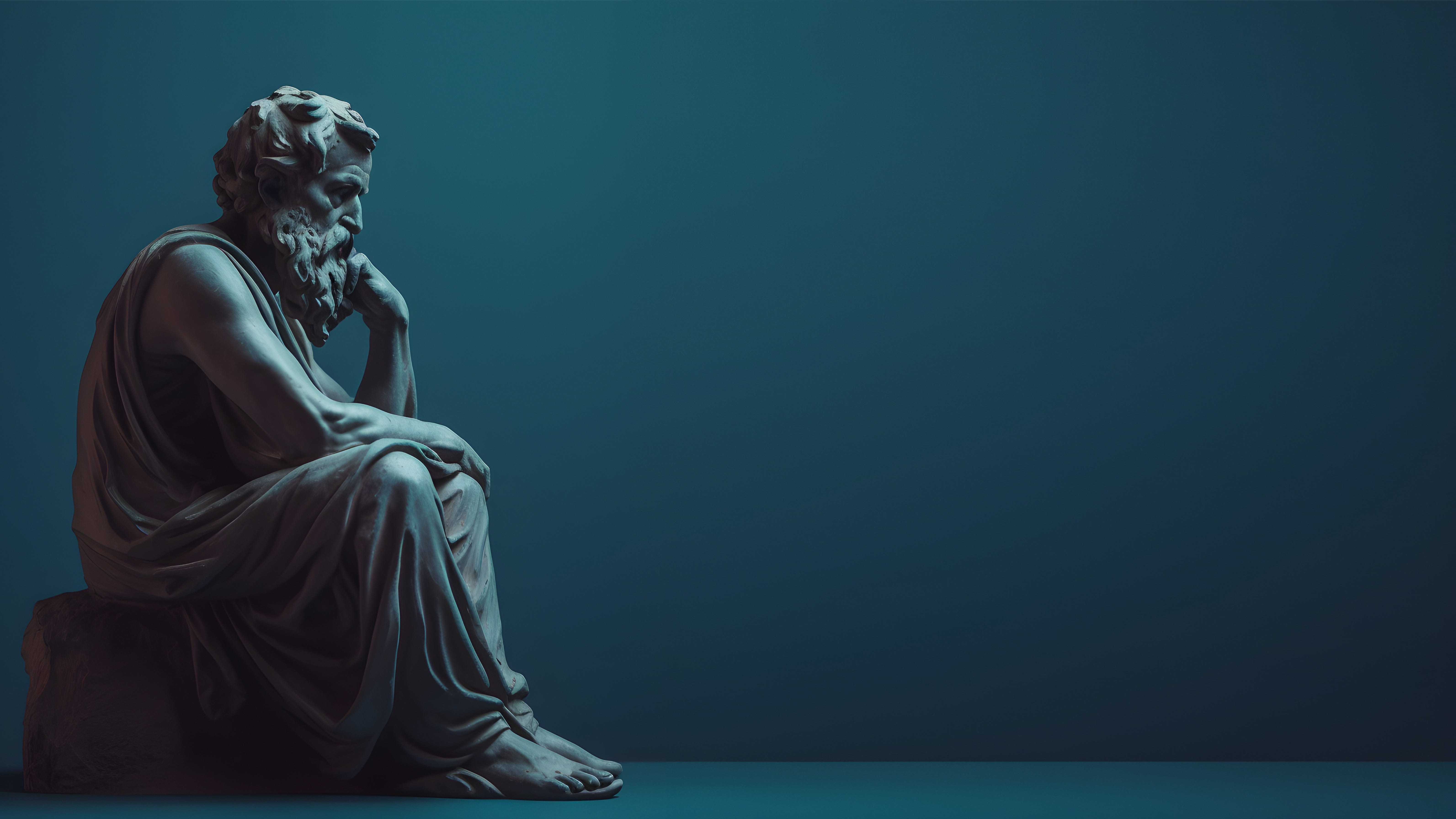
What the Greek diaspora needs to remember is that this conflict between Greeks and the West has been ongoing for centuries. It is why I recommend Anthony Kaldellis’ new book Phantom Byzantium. In it, he writes about Western narratives that degraded Eastern Romans/Greeks by turning them into Europe’s cautionary tale: everything the West must not be. The person commenting on Maria’s post about Medusa leading her into self-doubt, even though she is educated in the Classics, is not new – it is the Western tradition doing what it does best – appropriating and vilifying.
Whenever Western Europe appropriated an eastern patrimony—Roman imperiality, Christianity, or classical Greek culture—it simultaneously condemned the eastern Romans/Greeks as unworthy custodians. It was the Western humanists who declared that Byzantines were incapable of grasping the “true spirit” of the classics and that they spoke a degenerate, “barbaric” Greek, while Western scholars alone were positioned as genuine heirs of ancient Greece. Each time the West claimed an eastern inheritance, it did so by degrading living Greeks: they became failed Romans, bad Christians, and fake Greeks.
Yes, it is difficult to be Greek (diasporic or not) – yes, we will be rendered invisible or marginalized online in these Greek-themed spaces. It is not new; it has been happening to us for centuries, yet we are still here! It remains important for us to have a voice and not be silenced, because when we stop speaking, that’s when we truly become invisible.
Listen to my interview with Anthony Kaldellis and go deeper into the topic of Byzantium as Europe’s evil doppelgänger
Comments
Nothing yet. Say the first thing.
Sign in to join the conversation.