
On Sunday evenings around six, the light was just starting to fade in my fancy Union Square apartment in New York City. That was when it always found me.
I’d be doing something completely ordinary. Drying a glass at the sink from the weekend drinking, watching the last of the water turn and slip down the drain. And a weight would come and sit on my chest, quiet, familiar, and I would know, the way I now know weather coming in over the hills, that in the morning I’d put on the competent face, the custom-made suit, the luxury tie and cufflinks, and drive my fancy BMW coupe toward a life that ran so beautifully and yet was not mine.
I did it well, too. For years, for decades. That was maybe the worst part of all of it. From the outside, there was nothing to see. Good life, good man, no complaints available to me.
That Sunday weight that followed me for decades does not answer to sleep, though. I learned that one slowly. You get your full eight hours and wake up still carrying it. The organic coffee doesn’t reach it. The weekend barely dents it. The holiday we save a whole year for, white sand, little umbrella in the drink, doesn’t reach it either, and we come home and within four days it’s as if we never left, the tired just moves back into its room and puts its feet up. It had been waiting for us the whole time. It was never really about sleep.
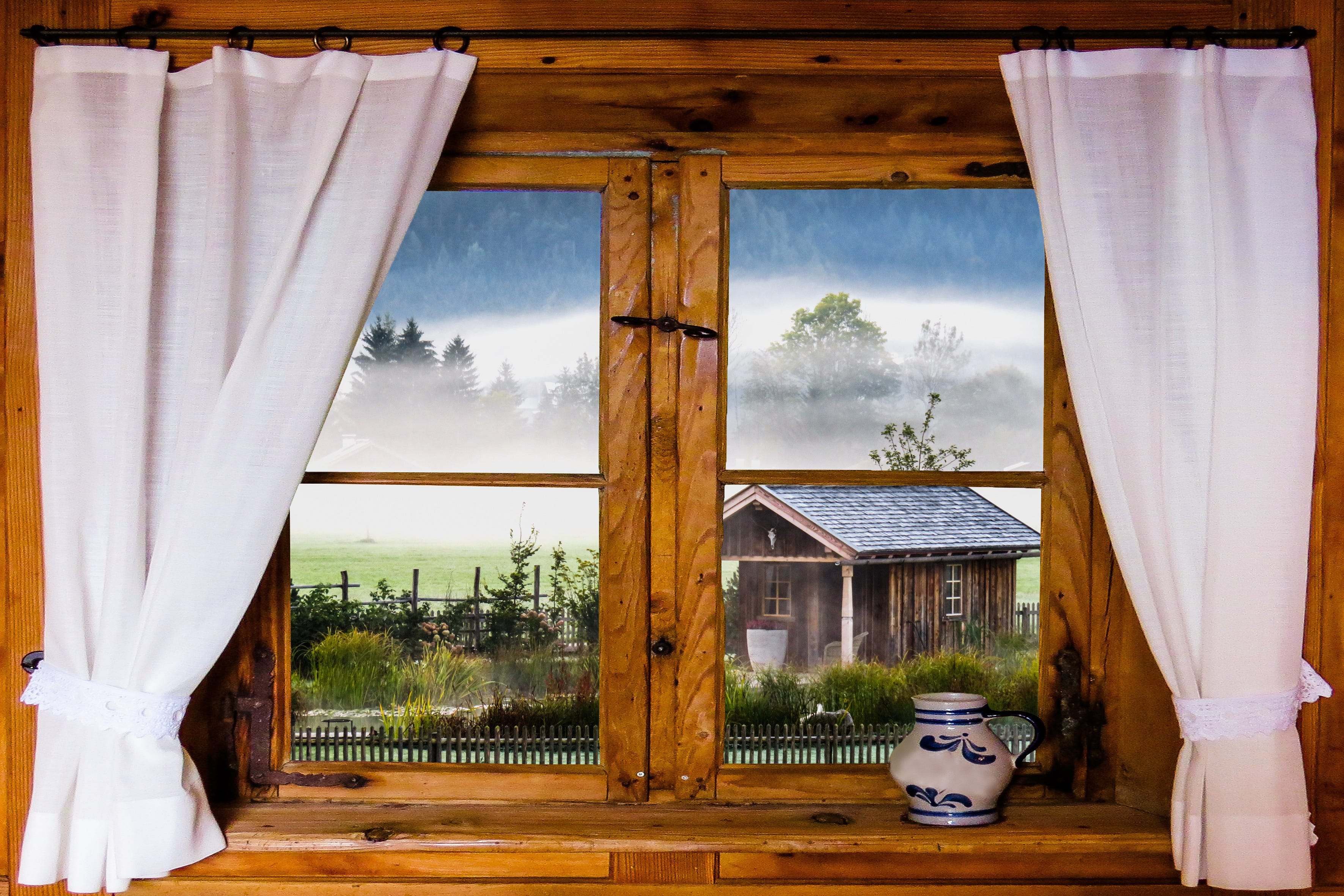
I want to try to say what I think tired actually is, and I’ll probably get it a little wrong, because I’ve gotten it wrong before, and the saying never quite catches up to what it's really about.
But here’s my best attempt. I don’t think most of us are exhausted because we do too much. Not entirely, anyway. I think we are exhausted from doing too much of what does not feed us. Pouring a whole life, a real one, the only one we get, into work that was never ours to carry, while the other life, the one we were actually shaped for, stands just off to the side, unlived, pressing up against the lived one every single day.
And the body knows, ha so much it knows. The body always knows, first, long before the mind will let itself know it. It just quietly, year by year, starts withdrawing its yes.
And the Empire has its own answer to this tiredness. A whole pharmacy of them, actually, some free (well nothing is really free), most paid to be true, all over the counter. It does not say rest. The Empire was never that refined. It says numb it. Pour the wine, it’s Friday, you earned it. Put the game on, let other men do the running. Order the thing you saw at 11pm so the little box turns up on the porch in a few days (fast please, I can’t wait to fill the void) and for one afternoon it almost feels like something happened. Scroll until your thumb gives out and the weight has drifted far enough off that you can get up and do it all again tomorrow.
The Empire does not want us rested. It wants us anesthetized and back at the desk by nine. I can’t recall who said, “The only way to spend two hours in a traffic jam daily to go to work is to numb ourselves.” But when you sit with it, that is the truth. Living a life that is not “ours” require numbing + escaping + distraction + scrolling + shopping + … + … (choose one or many, Empire thanks YOU!).
A numb animal keeps pulling the plough, and asks far fewer questions while it pulls.
And the fire, our real one, the passion, the medicine we carry? The Empire is fine with that, generous about it even, as long as it stays a hobby. As long as it stays Saturday-sized and is never, ever allowed to pay the rent. You get your little weekend flame, just enough warmth to keep you from torching the whole arrangement (empire systems), and come Monday, you bank it down and go back.
And then there is us. The gentler crowd. The ones who’ve set down the wine and the game and the doomscroll, and we say, no, what you need is rest. Self-care. The spa day, the retreat, the mental health Friday, the meditation app with the little rain sounds. And I love us; I do. It’s a far kinder answer than the bottle. But I’ve started to think it’s the same logic in a softer or sexier voice, because it still treats tiredness as a fuel problem. Fill yourself back up over the weekend so that Monday, topped off, you can hand the best hours of your one wild life straight back to the thing that’s hollowing you out.
Numb it, or rest it. Either way, back to the plough by morning.
Make it make sense. I can’t.
There’s a story David Whyte tells, in Crossing the Unknown Sea, that I have not been able to set down in years. He was younger then, run completely into the ground, that exact bone-tiredness I keep failing to name, and he was sitting with an old friend, a Benedictine monk called Brother David Steindl-Rast, a man who had clearly watched more than a few souls come apart and find their slow way back. Whyte, emptied right out, asks him to speak about exhaustion. And the old monk doesn’t answer the question he was actually asked. He looks at Whyte a long moment with this fierce, searching kind of compassion, like he’d been waiting years for someone to ask, and then he says the antidote to exhaustion is not rest.
The antidote to exhaustion is wholeheartedness.

I had to stop, the first time that one actually landed in me after I read it... Because look what it does. It says our tiredness was never a fuel gauge. It’s not a tank we refill with sleep (trust me, I was sure it was “just” that for decades).
It’s closer to grief, maybe. It’s the very particular ache of a heart that is only ever allowed to show up at half. We are not worn out from giving too much. We are worn out because the part of us that came here to give the real thing, the whole thing, the medicine, that part is not allowed near the “work,” and it does not rest when we rest. It sits in the dark of us getting heavier, and heavier, and heavier.
You could sleep for a month. If you woke to the same life, the tiredness would be there at the foot of the bed, patient, waiting, because it was never the sleep you were short on.
And this is the thing I keep circling for decades in my work, the thing I most want to get to, so let me just try to say it, even though plain isn’t really how it lives in me.
When you don’t live from your medicine, it doesn’t sit quietly on a shelf, waiting for a better year, a freer season, the kids to be grown, the mortgage to soften. It goes off. Like milk left out. The gift you don’t give doesn’t keep. It turns. And what it turns into, over the years, is the very tiredness we started with, and then something heavier under the tiredness, something I’ve watched in good people and felt in myself, this low, simmering, hard-to-admit resentment.
You find yourself irritated by people who are still alive. The young one who walks in lit up about something. The friend who quit and did the mad thing. And the irritation, if you’re honest enough to follow it down, isn’t really about them at all. It’s grief. It’s your own ungiven gift, calling out from under the floorboards.
I lived years like that, in a life that worked perfectly and meant almost nothing to me. I won’t dress it up. I was competent and I was sleepwalking, and the worst part, the part nobody warns you about, is how reasonable it all looked from the outside. Nothing to complain about. Good life. And me inside it, starting to narrate my own existence in the past tense, starting to say things like “I used to want” and “back when I thought I’d,” starting to file my own aliveness under “one day,” under “when things settle down.” They never settle down. That’s the trick of it. The settling never comes, and “one day” is where dreams go to quietly starve.
And in time of Empire Collapse, the Great Unraveling, The Great Turning as Joanna Macy called it, understanding this “tiredness”, moving into wholeheartedness, stepping into our medicine, is more urgent than ever. Like a tree mis-planted, in the wrong soil, or not cared for, as the eco-social-system shift, the depth of our roots can change everything.
So this is not a small thing, this question of living from your medicine or not. I used to think it was a luxury question, a question for people with options. I don’t think that anymore. I think it might be the difference between a life and a long, well-managed waiting room.
Which brings me, in the core of the essay coming up below, to a word we’ve nearly lost, and to an old story from my own Northern lineage that holds the whole cost of it. Because wholeheartedness sounds lovely and sexy until you find out what it asks. And it asks everything... The Old Ones knew this. They hid the price inside their oldest myths so we wouldn’t be able to forget it, even when we tried, and we would find it, when it will be time to remember.
So, let me take you down into that. Past here is the myth that tells the truth about what answering this actually costs, the honest map of what the refusal does to a person over twenty quiet years, and what I’ve watched happen, more than once, the moment someone finally stops trying to get better and starts trying to come home.
May it helps you with some magic and roots on the beauty way of your path and help you remember what is at stake in this time of the Great Unraveling, the Great Turning…
Let’s dive in =>
Comments
Nothing yet. Say the first thing.
Sign in to join the conversation.