
Addiction Awareness Week, a campaign led by The Forward Trust, has just finished. Their Patron is Princess Catherine and her message this year recommends that ‘love’ and ‘kindness’ are a fine way to help people deal with addiction, while ‘compassion’ and ‘understanding’ help addicts and their loved ones who live with or care for them.
She has worked hard to help people with mental health issues, talking about it more as if it is an illness than something anyone should be ashamed of. Perhaps too, some of her comments about the importance of love come from her problems of cancer.
Following the Crown is a reader-supported publication. To receive new posts and support my work, consider becoming a free or paid subscriber.
The interest began when she and Prince William assembled a ‘Foundation of Prince William and Prince Harry’, as the latter was close to them at the time. Catherine’s name was not included in the title as she and William were not yet married. They did philanthropic work, developed a range of charitable activities and focused on problems like mental health.
After their marriage in 2011 Catherine’s name was included in the title. It was a success and useful as it gave people enough courage to seek professional help.
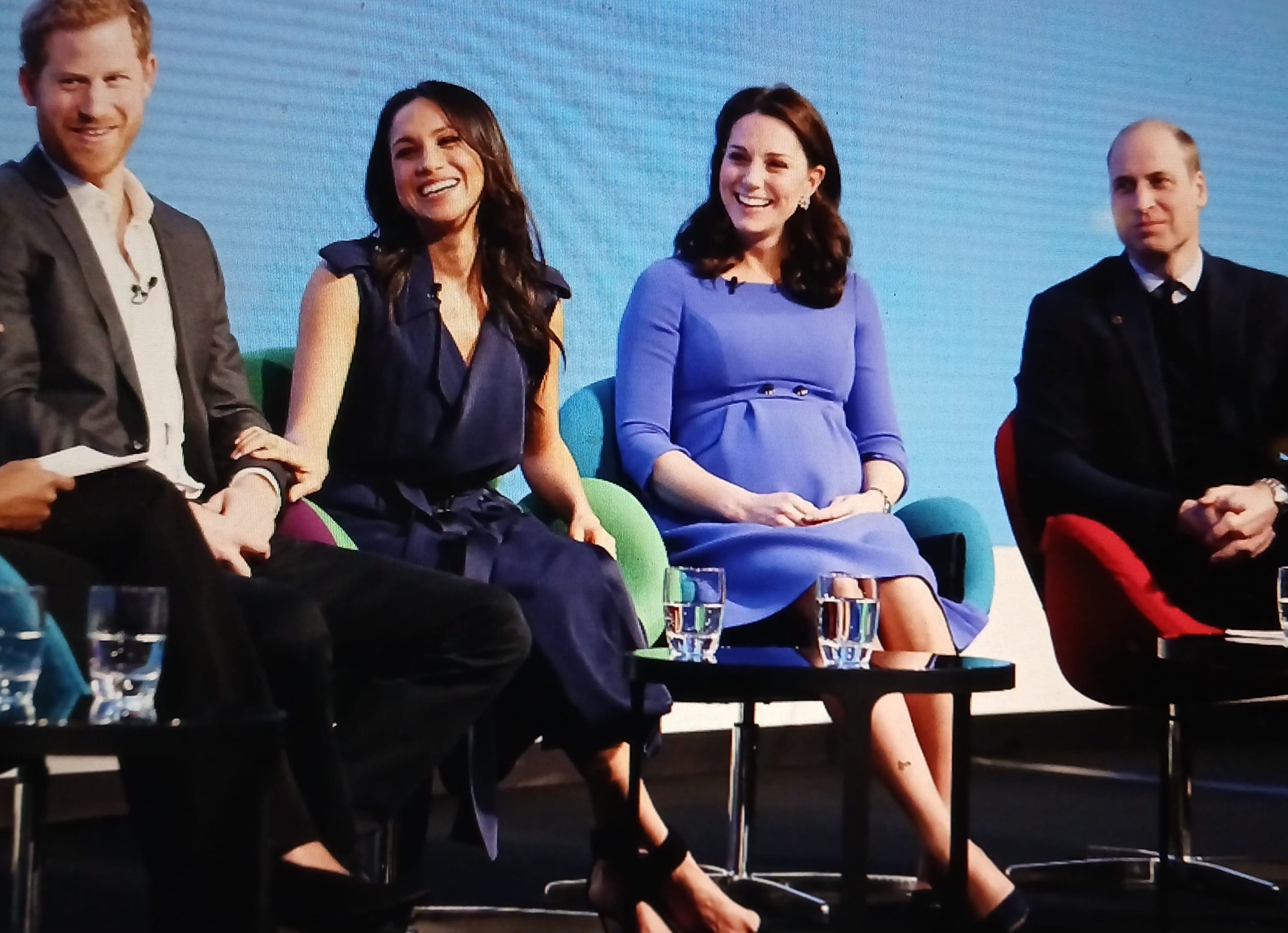
After Harry and Meghan Markle’s wedding in 2018 Meghan also joined the foundation, but not for long. She and Harry both quit a year later to follow their own path.
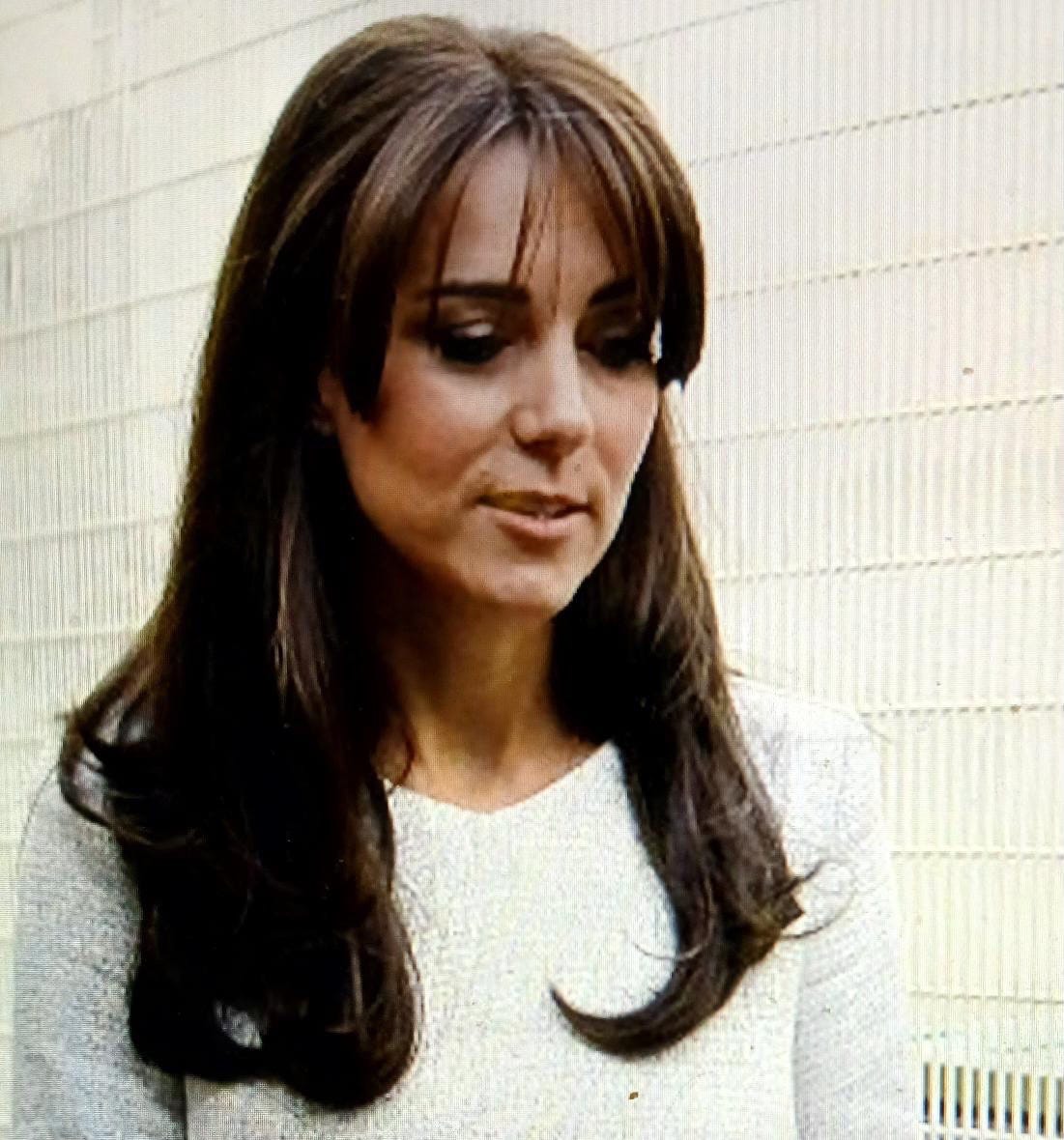
.Since then Catherine has expanded her work for other charities that deal with issues that can often be traced back to problems in childhood.
I can understand her wish to try to help the deprived. I felt the same way and joined the Independent Monitoring Board (IMB) of Wormwood Scrubs, a famous London prison for men, in the hope that I could be useful to the inmates, but in reality they seemed totally trapped by life.
Many of the prisoners were severely mentally ill alcoholics, individuals who were unable to cope with the world or themselves. Some had never known their parents or had long since lost touch with them; some had lived on the streets. An ordinary conversation was hard for them: they could not express themselves because they were not used to being part of any sort of group, and sometimes they just screamed and shouted. Some prisoners who were high or drunk told me long stories of how people were allegedly poisoning them.
I could come and go at any time with my own set of keys, help prisoners with issues from feeling suicidal to trying to make you believe their £100 shoes had been stolen.
Rather than having been weaned off drugs while inside, many addicts left the prison in the same state or worse. Many had no family or home and if they were in a bad mood they found talking frustrating. It was common for them to smash the toilet in their cells to cause floods. Another option was a “dirty protest”, which meant spreading excrement on the walls of their cells. Amazingly, I was able to persuade some of them to come out of their cell – I never went inside – and have a shower. But no love was involved. I was more like a headmistress who they listened to when they felt angry with themselves.
Some turned to religion, particularly to Islam.
Most men about to leave the prison told me they were going back to where the drugs came from. Inside, there were usually drug dealers around and nowadays delivery from outside by drones. Once in my time at the Scrubs, there was great excitement from prisoners when a dead pigeon stuffed with heroin arrived outside.
.Suicide attempts were regular. One prison lay in the foetal position on the floor in a corner of his cell. I tried over some time to talk to him but he wouldn’t answer. I was told he hadn’t spoken for weeks and wouldn’t let anyone know what was wrong.
One man asked to change prisons. He wasn’t allowed to and I thought he would be very angry. But he told me: “Don’t worry. I decided to go back on heroin instead. Would you like some?” I shook my head and left him.
I joined the IMB because I wanted to see people who were trapped by life and how they were looked after. On an average morning I locked and unlocked cell areas about 85 times. I left after 10 years because I tried but failed to persuade the Ministry of Justice to give the prisoners enough decent food. Dryish beans served in a container the size of an egg and a few slices of bread wasn’t enough for anyone and I believed caused more fights and temper. I wrote a book instead about my experiences.
Catherine has done wonders with the Royal Foundation Centre for Early Childhood. It was founded in 2021, and has supported families in their early years which helps cope with long-term social challenges like addiction, violence and homelessness, as these often have roots in poor mental health during early childhood.
She has encouraged business leaders to prioritise the value of relationships and time, as this can create more nurturing environments for families.
She has also recently gone to the Anna Freud Centre, of which she is patron, to launch a new project supporting children’s mental health and to use the skills of health visitors to support early social and emotional development. The country desperately needs it.
Following the Crown is a reader-supported publication. To receive new posts and support my work, consider becoming a free or paid subscriber.
Comments
Nothing yet. Say the first thing.
Sign in to join the conversation.