
Hi Readers,
I have a special bonus post for you this June.
One of the best gifts of writing this newsletter has been getting into touch with other writers, artists, and creatives of all types - and getting a chance to use this newsletter as a vehicle to share their work with you.
Longtime readers might remember the first post and interview I shared with local Minneapolis artist and Augsburg University art professor Lyz Wendland. Wendland recently produced a powerful new exhibit at Augsburg called RECLAIM, which explores reclamation after trauma, including using words and letters from Bible passages have been used to silence women and sanction a variety of forms of abuse. You can learn more about that exhibit here; I encourage you to check it out!
This post then marks my second time featuring the an artist’s work, though this time the work comes to us all the way from Iran. The artist, Behnam Raeesian connected with me online because he wanted to share his recent poster series with all of you.
Working under the shadow of religious authoritarianism and fundamentalist Islam, Raeesian bravely created this series out of a sense of warning, in a time of war.
Here’s what he told PRINT magazine about the work:
Social and political questions have always lived in my mind, partly because of where I was born and the conditions I have observed around me. Over time, I learned how to turn these inner pressures into visual systems rather than single images. The Fall of the Guardians happens when the figures meant to protect us no longer protect. What happens when authority, faith, justice and salvation begin to produce silence, fear and collapse instead?
I wanted to make a series that could share this unease with others—not as a slogan, but as a set of images that feel immediate, sharp and difficult to ignore.
Raeesian said that he was initially “sparked” to create this series while watching the outbreak of police violence in America, but he notes that the series is not focused only on the U.S.
That image of public anger against institutional force stayed with me.
But as I followed more news and looked beyond one country, I realized that the same structures appear in different forms across the world. In some places, the public voice is louder and more visible. In others, it is restricted, hidden or almost erased.
So the series is not only about America. American viewers may recognize certain echoes, especially around policing, authority, spectacle and institutional violence. But my intention is broader. The project is about the global collapse of trust in figures that are supposed to protect, guide, judge or save.
In PRINT, Raeesian was asked by journalist Steven Heller why his images focused on a Western and Christian aesthetic, rather than images from Islam or Iran:
This question is actually very important to me, because it is also one of the criticisms I often receive in Iran: Why don’t I use more local or specifically Iranian symbols?
The truth is that I resist being visually confined by geography. I am Iranian, and my view of power, fear, censorship, authority and social pressure is deeply shaped by where I come from. But in my work, I usually try not to limit the image to one national or regional code. I prefer to use stronger, more widely recognizable visual references, so that the protest inside the image can travel across different societies.
If I use elements that belong too specifically to one geography, many viewers may read the work only as a local or national statement. I am interested in something broader: the way systems of power repeat themselves in different forms, in different countries, under different costumes.
For example, the priest in my work is not only a Christian or Catholic priest. He is a symbol of religious authority, institutional holiness and sacred power when it becomes coercive. In the same way, the police officer is not only an American police officer, and the judge is not only a Western judge. They are figures of institutional protection that can, under certain conditions, become figures of threat.
So I would say the message is universal, but not abstract. It comes from a very real experience of living with power, but I try to translate that experience into images that can be read beyond one place. Violence, corruption and the failure of law may look different from country to country, but at the root they often belong to the same crisis.
I hope the audience sees The Fall of the Guardians as a series about the collapse of protective institutions: religion, law, policing, politics, justice,and salvation. I want viewers to ask themselves how these forms appear in their own society, and how the figures meant to protect people can lose their meaning and become instruments of silence, fear or control.
Reading Raeesian’s words in the wake of ongoing ICE brutality in Minneapolis and across America, while prominent American pastors and Christian leaders claim that Trump and his Administration are acting according to “God’s will” makes Raeesian’s words of warning all the more prescient. Like so many of us who are writing and creating in this time, we do so often out of a sense that we have no choice not to speak - not to warn - even as doing so comes with a great sense of trepidation and fear.
And still - knowing that artists and writers across the world are raising this warning together, are not fooled by those who claim to “protect” us while systematically demolishing our freedoms and way of life … that sense of solidarity brings hope and comfort in perilous times. As Raseesian told PRINT:
My goal is to create a visual warning.
These posters are for people who feel powerless in front of systems larger than themselves—people who sense that the guardians are no longer guarding them. The works are meant to confront viewers with a simple but painful idea: protection can decay, justice can stop listening, faith can become control and authority can become threat.
I want the audience to include designers, artists, curators, writers and also people outside the art world. A poster should not need permission to speak. It should be able to enter public memory quickly and leave a mark.
Here’s what Raeesian had to say specifically to those you reading this newsletter:
I think THE FALL OF THE GUARDIANS may be meaningful because it is not an attack on faith itself, but a visual critique of what happens when sacred language, religious symbols, and moral authority are absorbed by systems of political power. The project asks how faith can be used to protect people — or, in darker moments, to silence them.
For American Christian readers living in a time of intense political and religious tension, I hope these images can open a space for reflection: about power, conscience, obedience, silence, and the responsibility of belief when it stands close to authority.
Can I get an Amen to that?
Read the entire PRINT interview here, and a big thank-you to Behnam for providing I'm Listening readers access to these images:
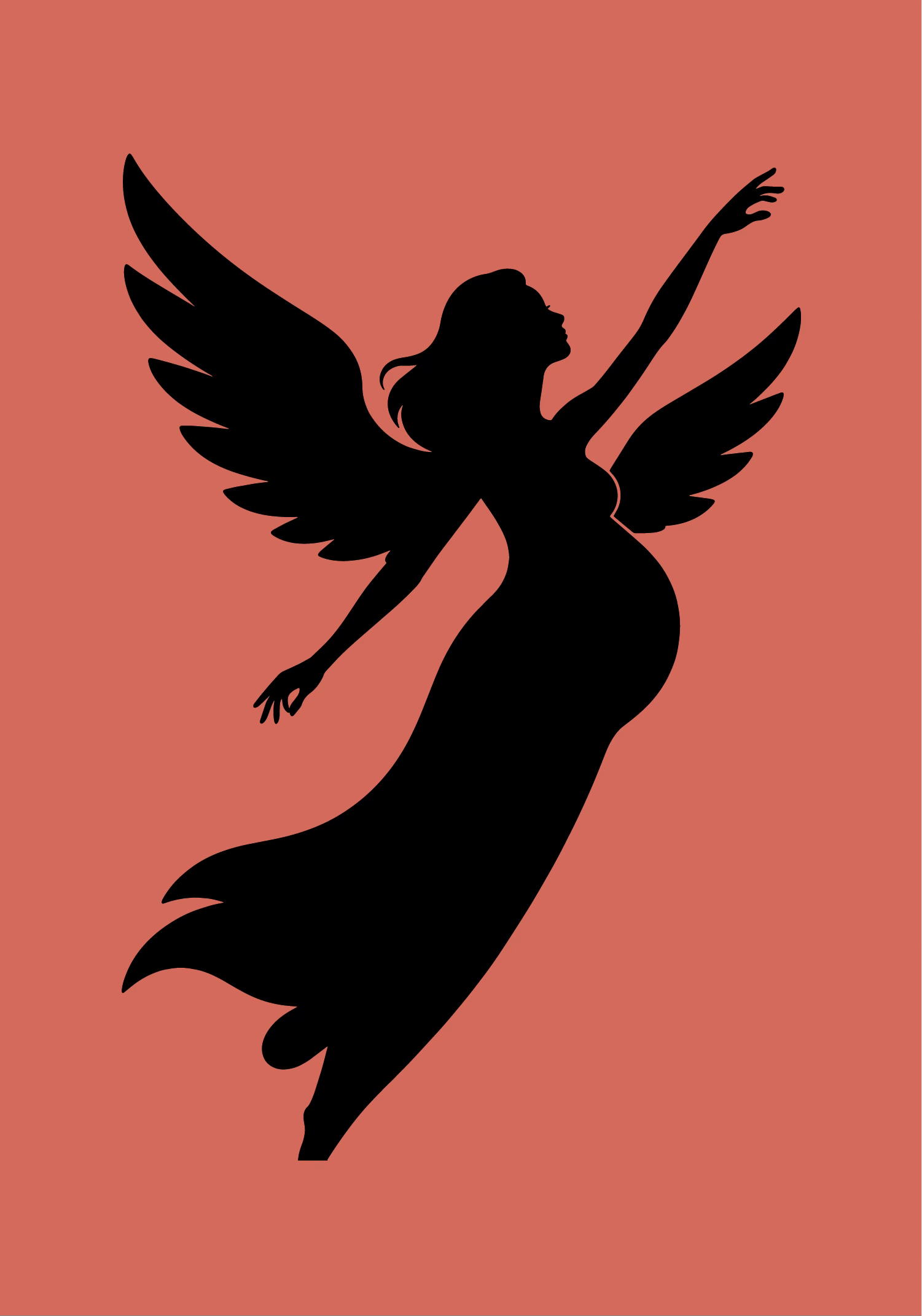
Forced Divinity
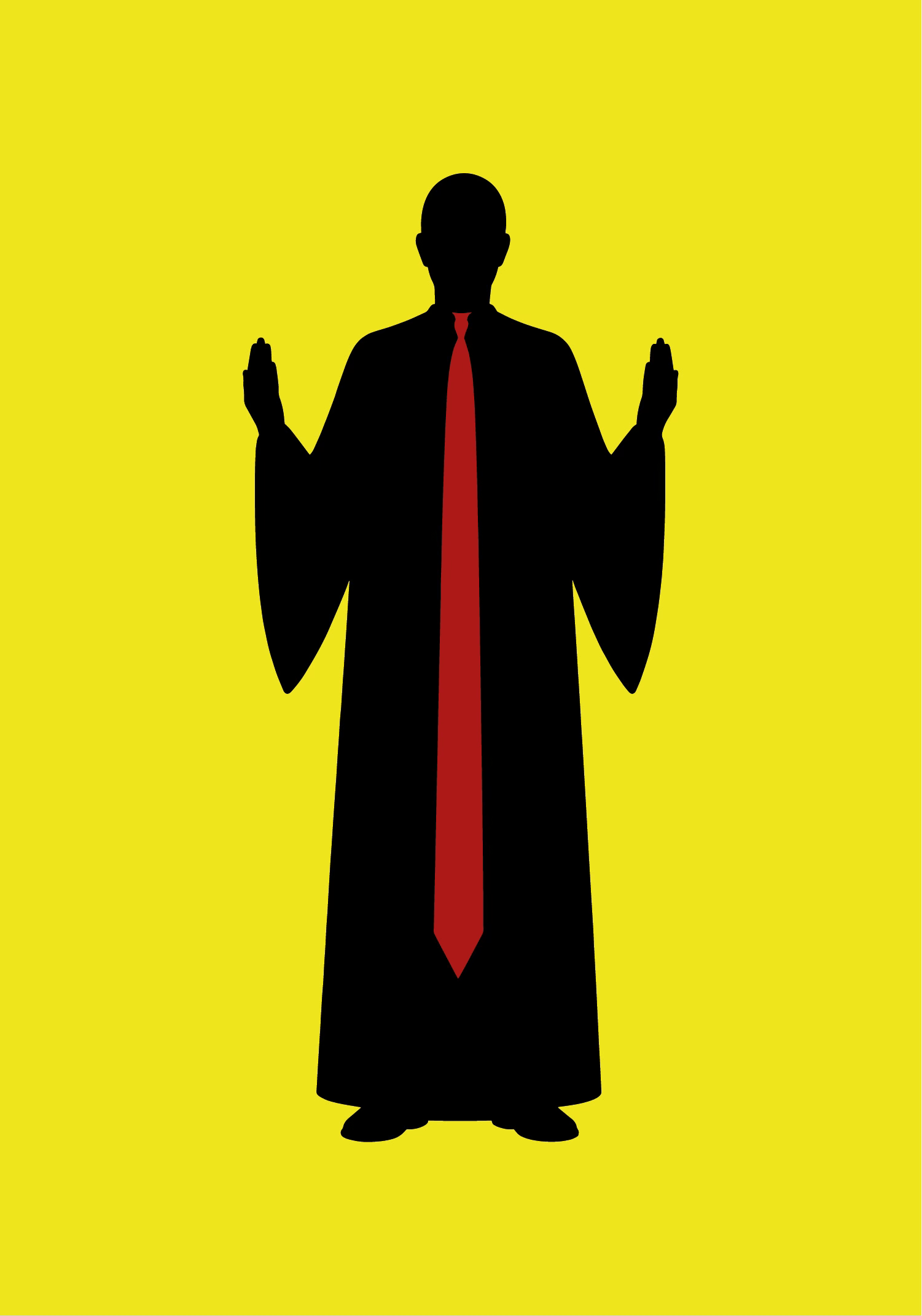
Administered Faith
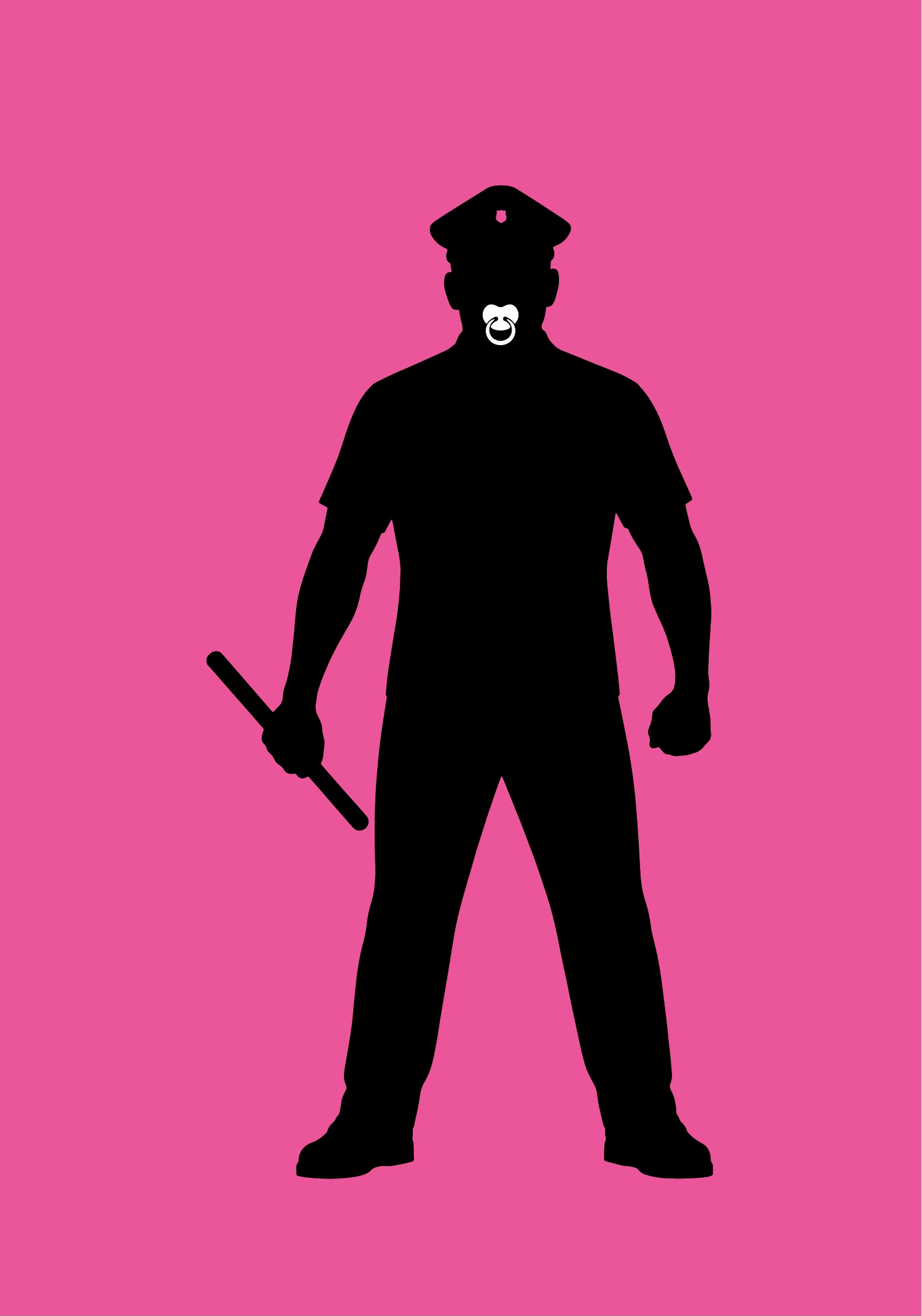
Armed Immaturity
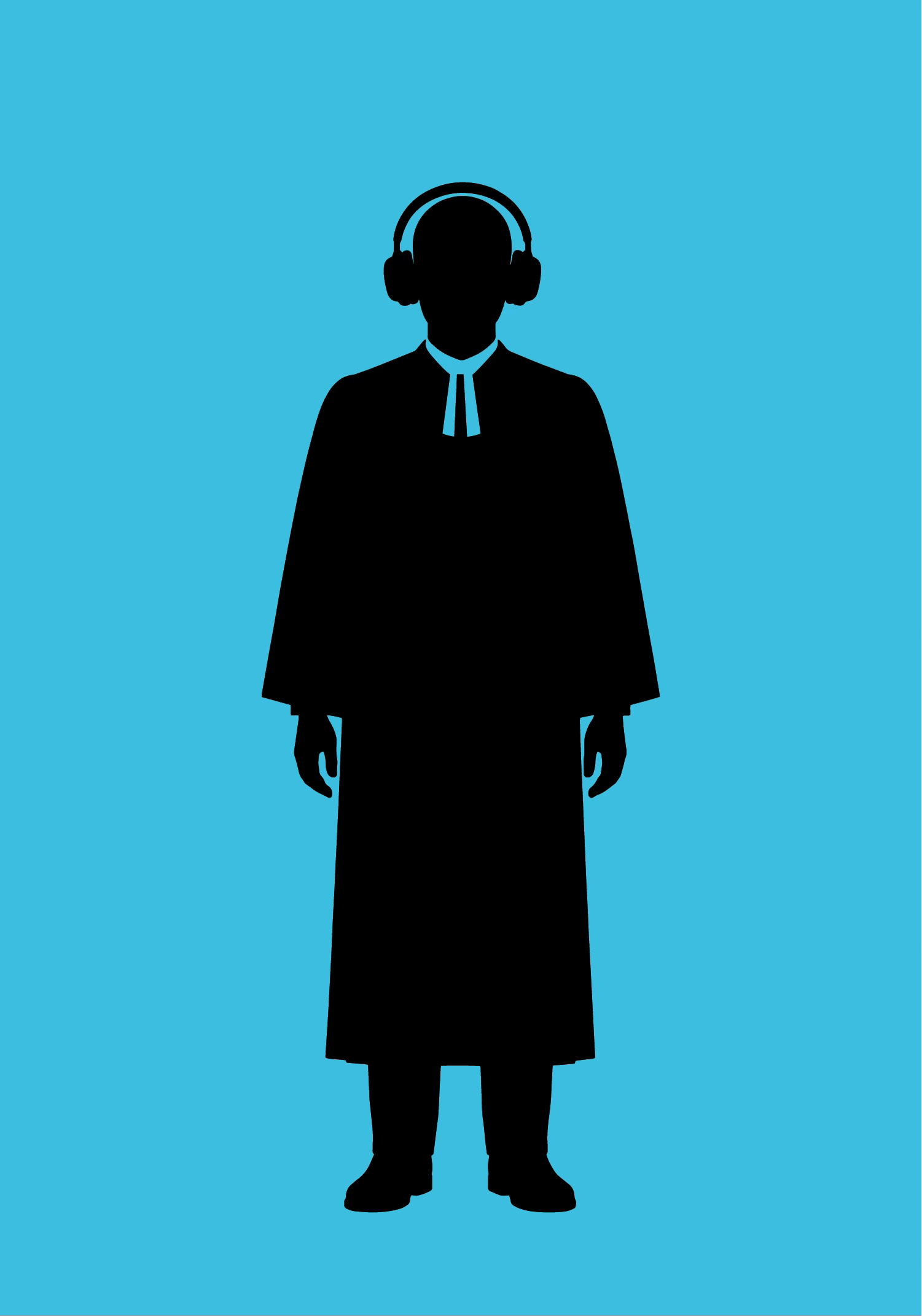
No Hearing
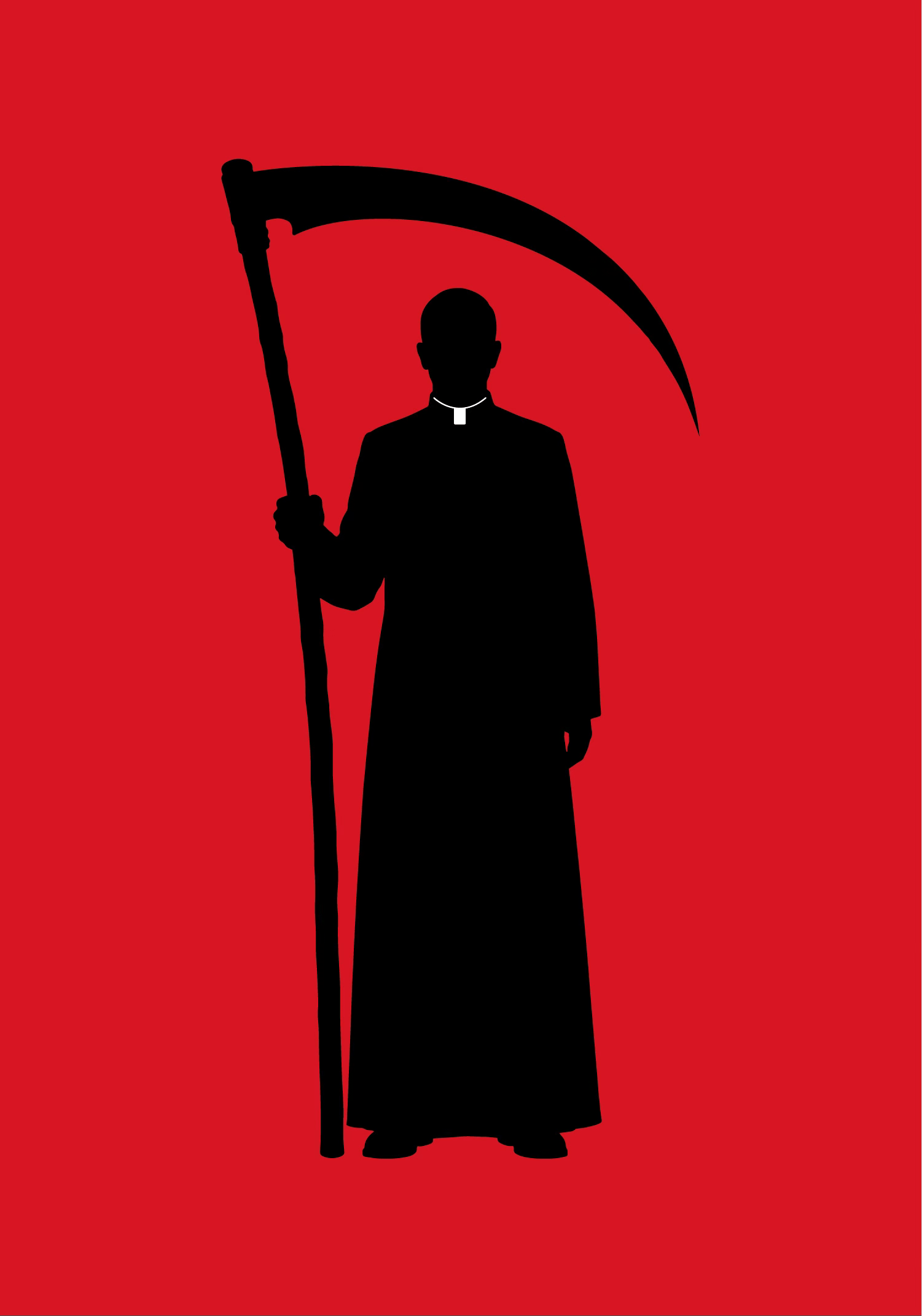
The Red Sermon
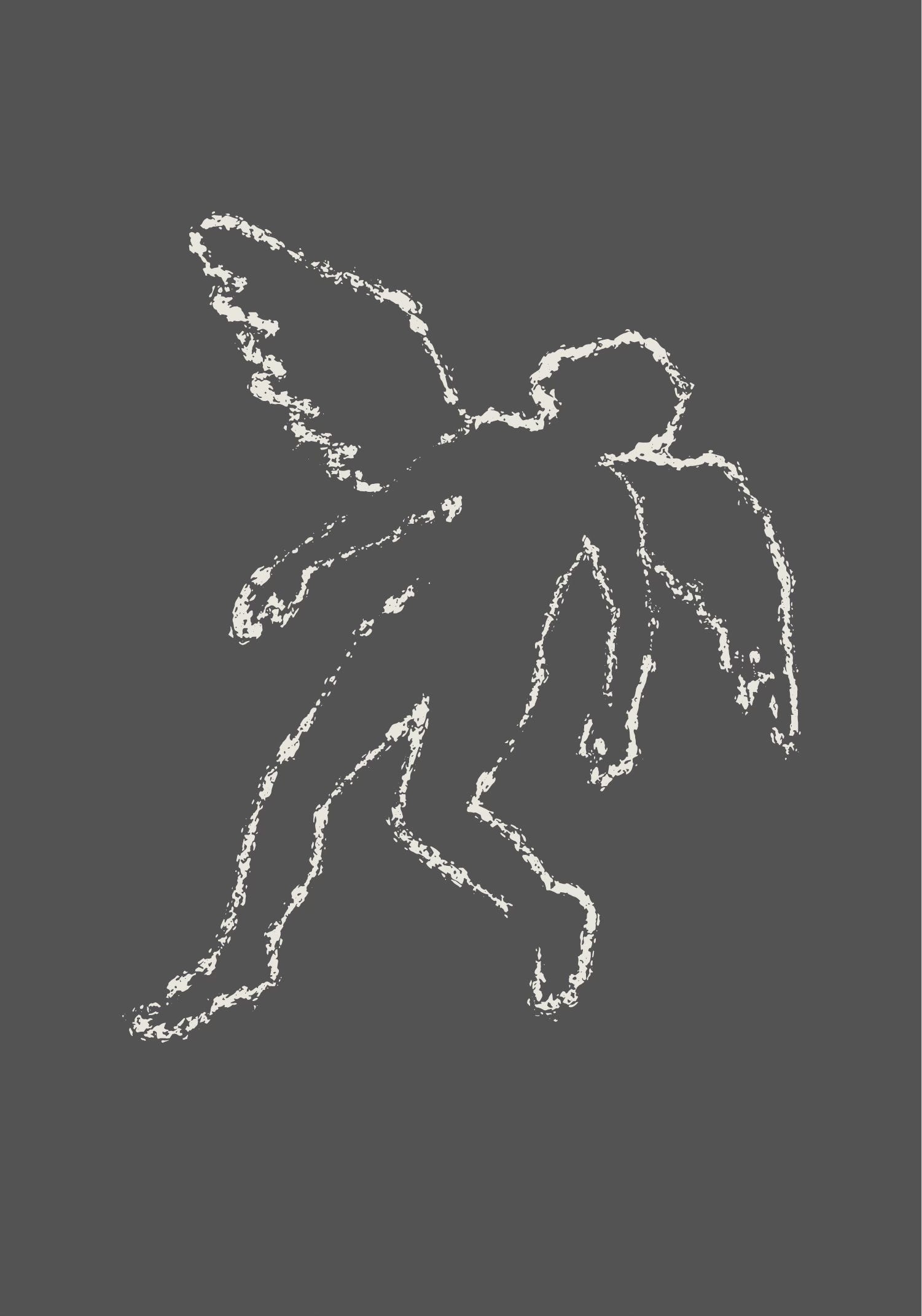
The Chalk Halo
Learn more about Behnam Raeesian and follow his ongoing work here.
P.S. …
A Few Notes:
First, a huge THANK YOU to all subscribers. I get a little email notification every time someone signs up, and every time I get one, I feel joyful and honored that you want to spend part of your day with this community. I mean it when I say: “I’m listening,” to you as well, and please don’t hesitate to share with me your thoughts + ideas for what you’d like to read in this space.
To PAID SUBSCRIBERS: I am humbled and honored that you’ve chosen to spend part of your limited budget on this newsletter. To borrow words from another newsletter I love, you are directly funding freelance journalism with your subscription, and I have to thank you more than ever for your continued support. Our world’s media and journalism is in a state of crisis, with fewer and fewer billionaires in control of global news outlets, and journalists being either laid off or threatened with violence for their work every single day; with fewer and fewer newsroom positions paying a living wage. I pledge to you to steward your paid subscription faithfully + use it to support honest, hard-working, and LOCAL journalism. One of my goals in this first year is to open this newsletter to other journalists, and pay them a fair wage for their work.
THANK YOU for your support. If you’re not a paid subscriber, please consider becoming one.
On free vs. paid-subscriber posts only: My plan right now is that the Friday + Sunday posts, focusing on news + spirituality, in that order, are available for subscribers only (I am going to continue sharing a sample, with a line where the paywall cuts off for our paid subscriber community). My plan is that the Tuesday blog-style posts will always be free, to enable as much access as possible, while creating a smaller and more intimate experience for paid subscribers, who are also able to comment and share in community in fuller ways.
Free Trial: Substack always offers a free week-long trial subscription to this newsletter, so you can get a taste of the Friday + Sunday posts and see if you’d like to subscribe!
If a paid subscription is a hardship for you, but you’d like access to the Friday + Sunday posts: PLEASE do not hesitate to reach out. I will be happy to provide a complimentary subscription for you.
No posts
Comments
Nothing yet. Say the first thing.
Sign in to join the conversation.