
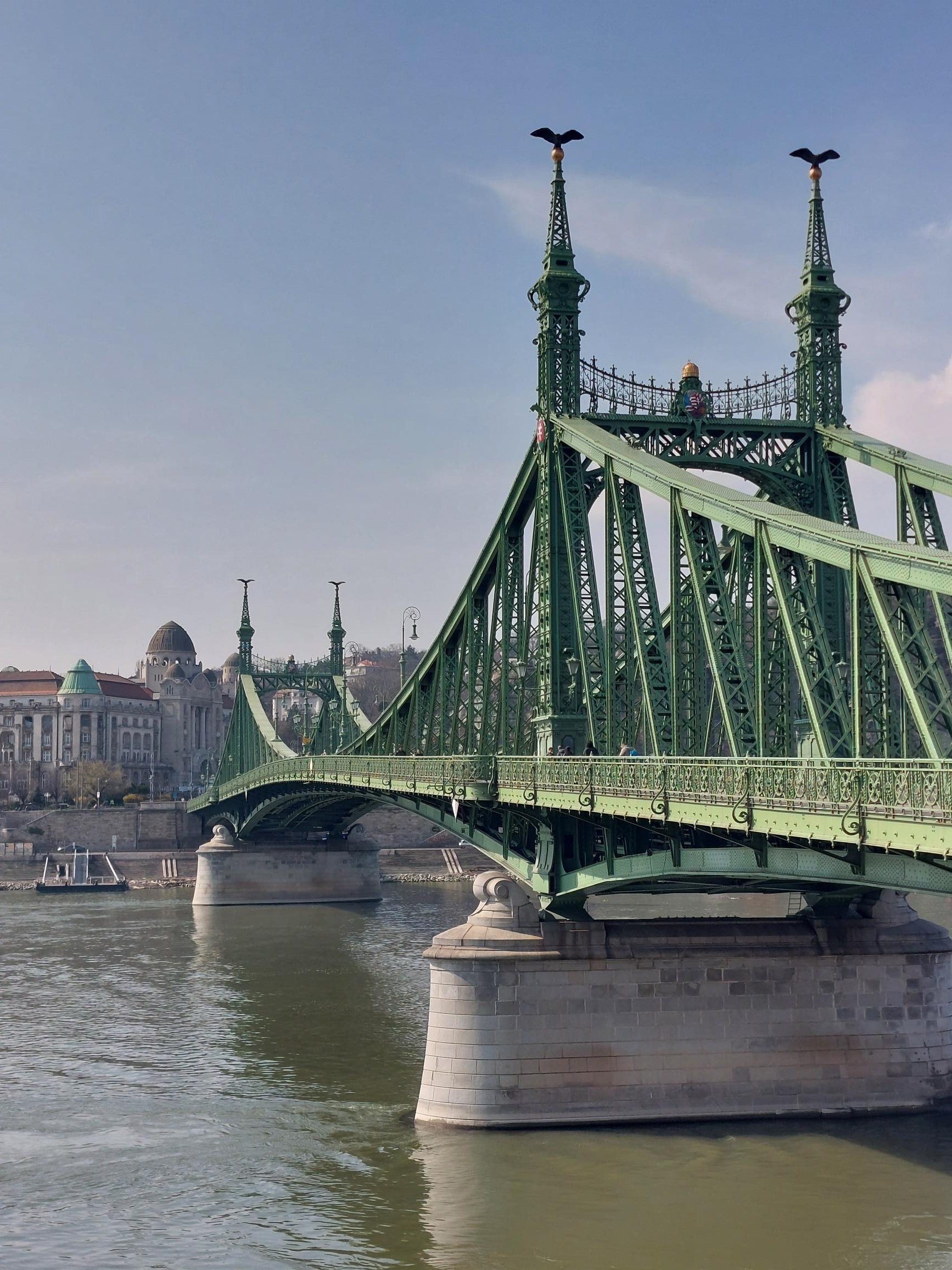
Last Sunday afternoon, dueling political protests on a national holiday saw hundreds of thousands of people filling the streets of Budapest, Hungary, ahead of the country’s polarizing parliamentary elections in April.
By the time I arrived the next morning, you would’ve never known there was such commotion. It was orderly, though bustling as usual, but no barricades or trash or other evidence to be seen, just a plethora of political posters.
I left before dawn on Monday to take my wife’s uncle to the Budapest Airport, a three-hour drive from where I live in Romania. He was flying overseas and the larger airport offered a better connection at a much cheaper fare, so I offered to drive him and make a day out of it. We made good time on the freeway and the border-free travel, thanks to Schengen, made it seamless with a one-hour time difference that favored us.
I’ve been to Budapest many times and driven in the congested city center, but this time I didn’t want to hassle and lose time with traffic and parking. Before leaving the airport, which is in the suburbs well outside the city, I targeted a park-and-ride at a Metro station 25 minutes away, going toward the center, near an IKEA that I’d been to before. When I pulled up, though, it was full with a short line of cars waiting for spots to open, so I pivoted to a mall parking lot across the street.
Arkad Budapest is one of the top malls but being eager to get downtown on a sunny day, I didn’t bother to browse. Looking for the facilities before heading out, I remembered a quirk of Hungary – most public bathrooms have an entry fee and turnstile. It’s annoying but the idea is they’re cleaned regularly and not vandalized. I had a few Hungarian coins left from another trip, so I tossed 300 forint (almost $1) into the slot. You can even tap your credit card.
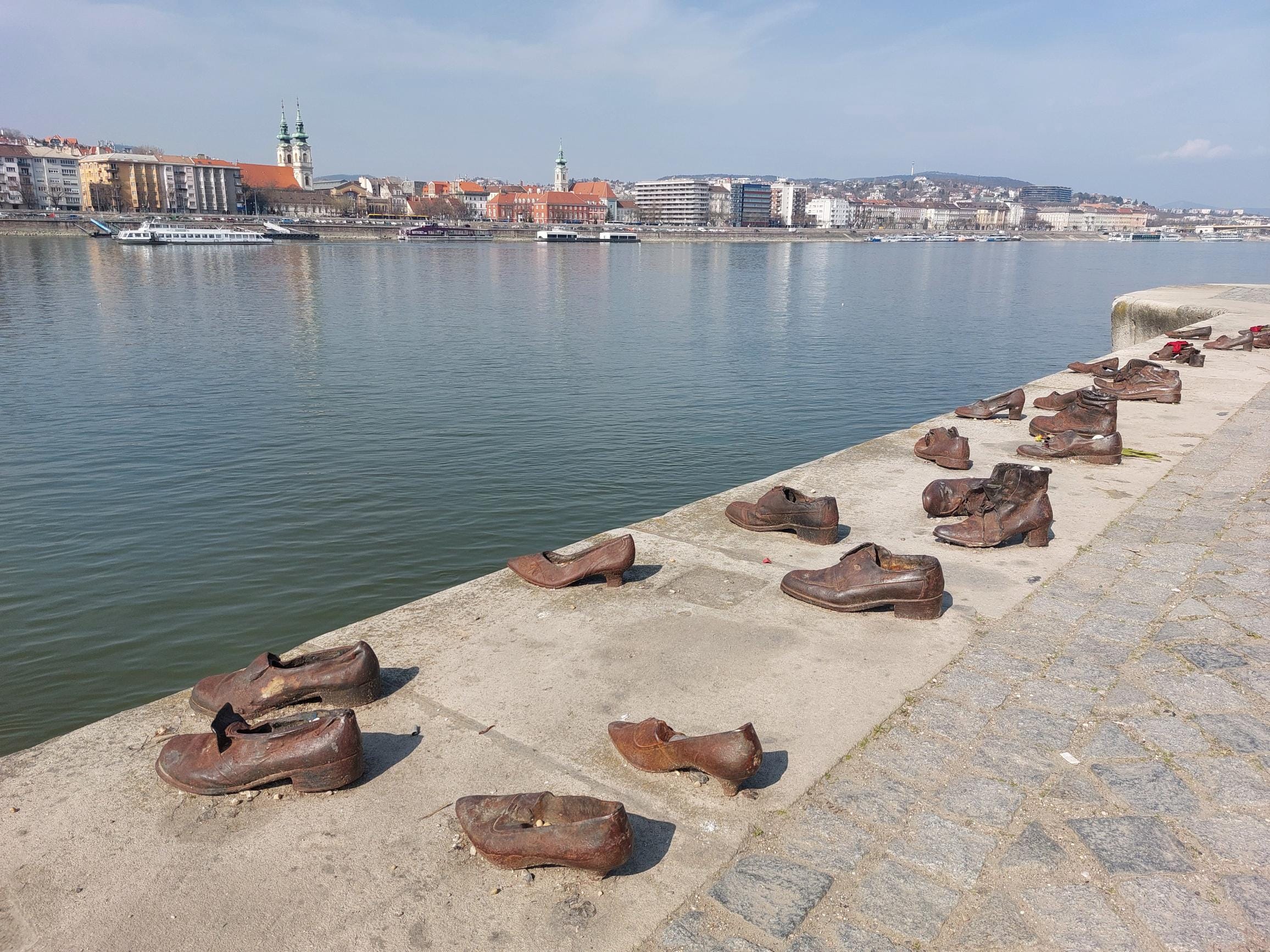
I took the mall’s tunnel walkway beneath a busy intersection to the Metro, opting for a 24-hour Budapest Travelcard, a bargain at just over $8, so I wouldn’t have to worry about buying individual tickets each time and validating them. It gave me unlimited access to the Metro and plentiful trams that I figured I’d use and even buses if I needed them. After seven stops on the red line, I climbed the stairs to the magnificent sight of the Hungarian Parliament. I always love that feeling in big cities, where you’ve been rumbling along in an underground tube and then suddenly you emerge in the heart of an urban landscape, often with the view, like in New York and Washington, or London and Paris, to name a few.
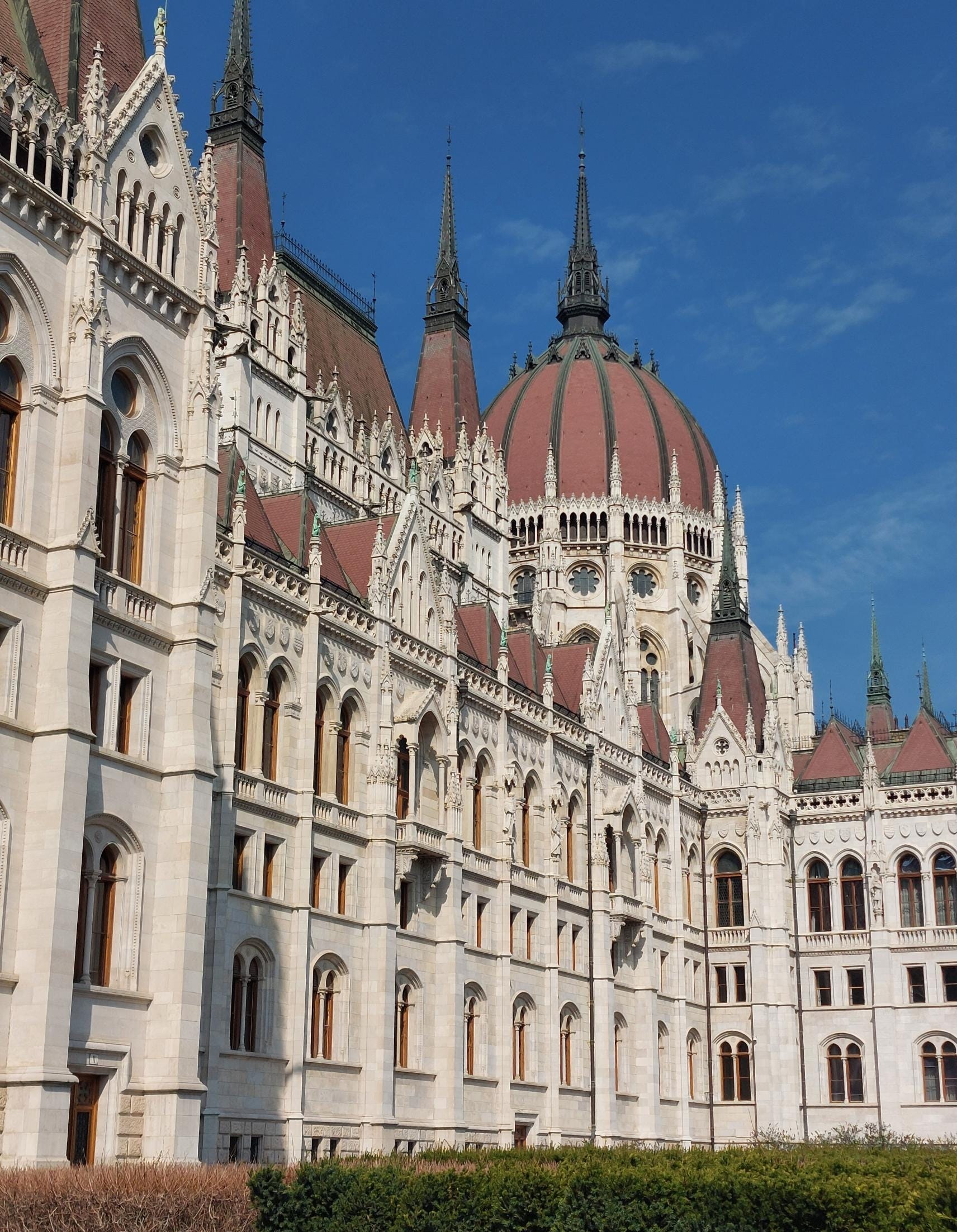
After admiring the Parliament, a gigantic Gothic Revival masterpiece on the Danube, I walked a short distance along the river to The Shoes on the Danube Bank, a memorial honoring thousands of people, mostly Jews, who were executed by Hungarian fascists during the winter of 1944-1945. Victims were ordered to take off their shoes, a valuable commodity, and then shot on the riverbank so their bodies fell into the water and disposed of themselves. Only their shoes remained. It’s a powerful sight, a poignant reminder of an ominous chapter in history.
The sprawling Hungarian capital, considered one of the world’s great cities, certainly one of the most beautiful in Europe, is full of complicated history including another violent and deadly period, the Hungarian Uprising in 1956, when citizens revolted against Soviet rule.
Wandering off the river but still close to Parliament, I walked by a large building with a handsome façade and noticed a lone policeman guarding the entrance. We glanced at each other as I passed and noticed the plaque: “Prime Minister’s Office.” That would be the notorious Viktor Orbán, the Hungarian strongman, nemesis of the European Union and pal of the current administration in Washington, who is facing his toughest re-election battle yet – thus the weekend political rallies.
From there, I caught one of Budapest’s iconic yellow trams, the Number 2 to be precise, that chugs along the Danube with panoramic vistas. I got off at the stop near the Central Market Hall, also known as Great Market Hall, a popular spot near the landmark Széchenyi Chain Bridge that connects flat Pest with the hilly Buda side of the city across the river. I aimed to poke around the cavernous market and check out the vendors selling everything from fruits and vegetables to salami and cheeses and souvenirs – and loads and loads of paprika.
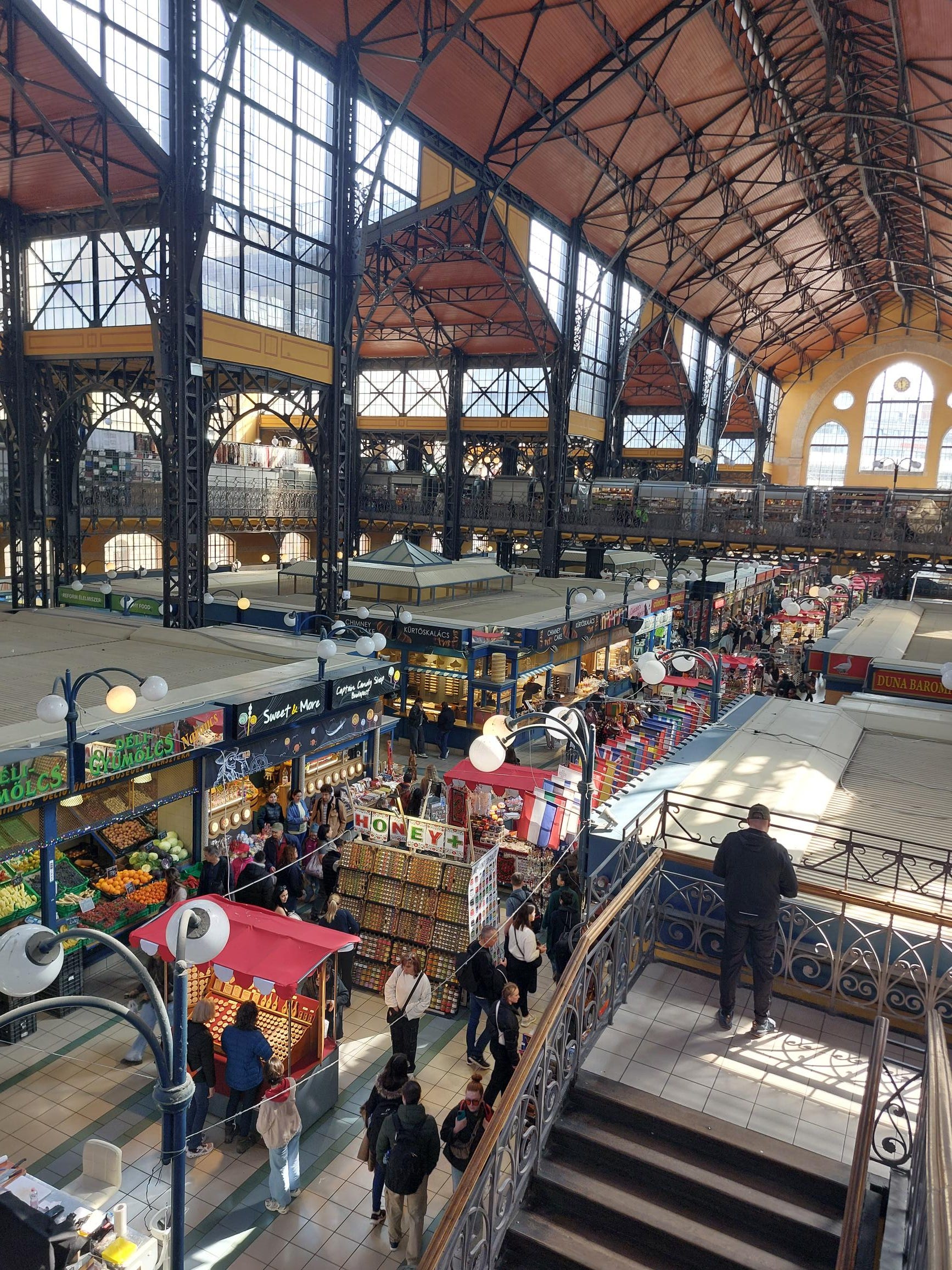
The vibrant reddish-burnt-orange condiment, a potent powder, is a major product of Hungary, one of the leading exporters of premium paprika in the world, along with Spain. Although India and China produce more, Hungary is synonymous with paprika, be it sweet, smoked or spicy. Most of the peppers are grown in the Great Southern Plain around the cities of Kalocsa and Szeged, the latter of which sits on the Tisza River near the Romanian border. I bought a couple of small sacks of sweet paprika for my wife and mother-in-law, both of whom use it regularly in cooking.
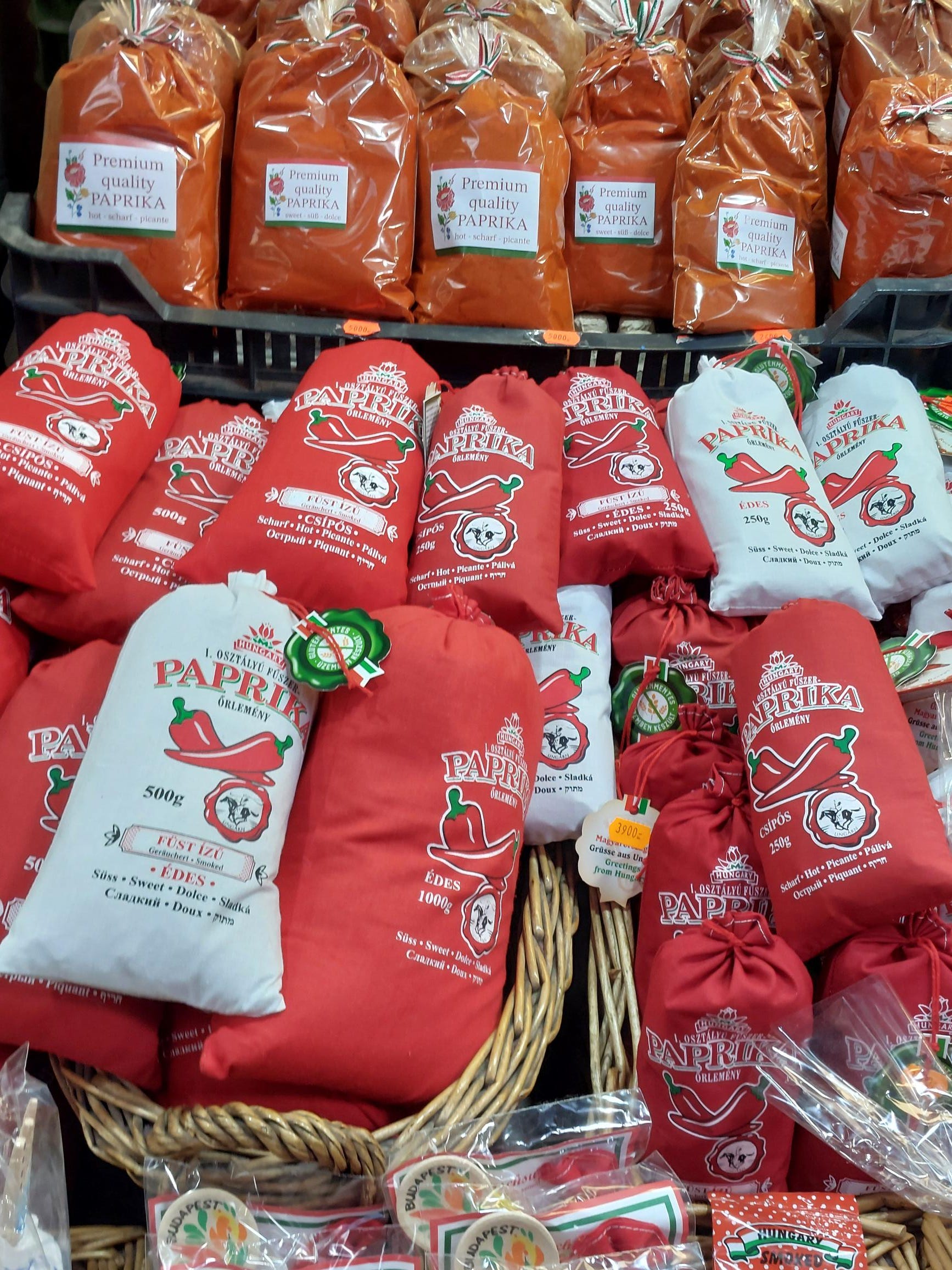
There are enough sights in Budapest to easily keep you busy for a few days – including thermal baths, stunning cathedrals, a spectacular opera house, elegant squares, dynamic museums and famous cafés – but since I’d seen all that on other trips, I just wanted to wander, often looking up at the wonderful architectural details, and soaking in the spring weather. I heard many foreigners, including Americans, who seem to love Budapest. Many are there as part of upscale river cruises.
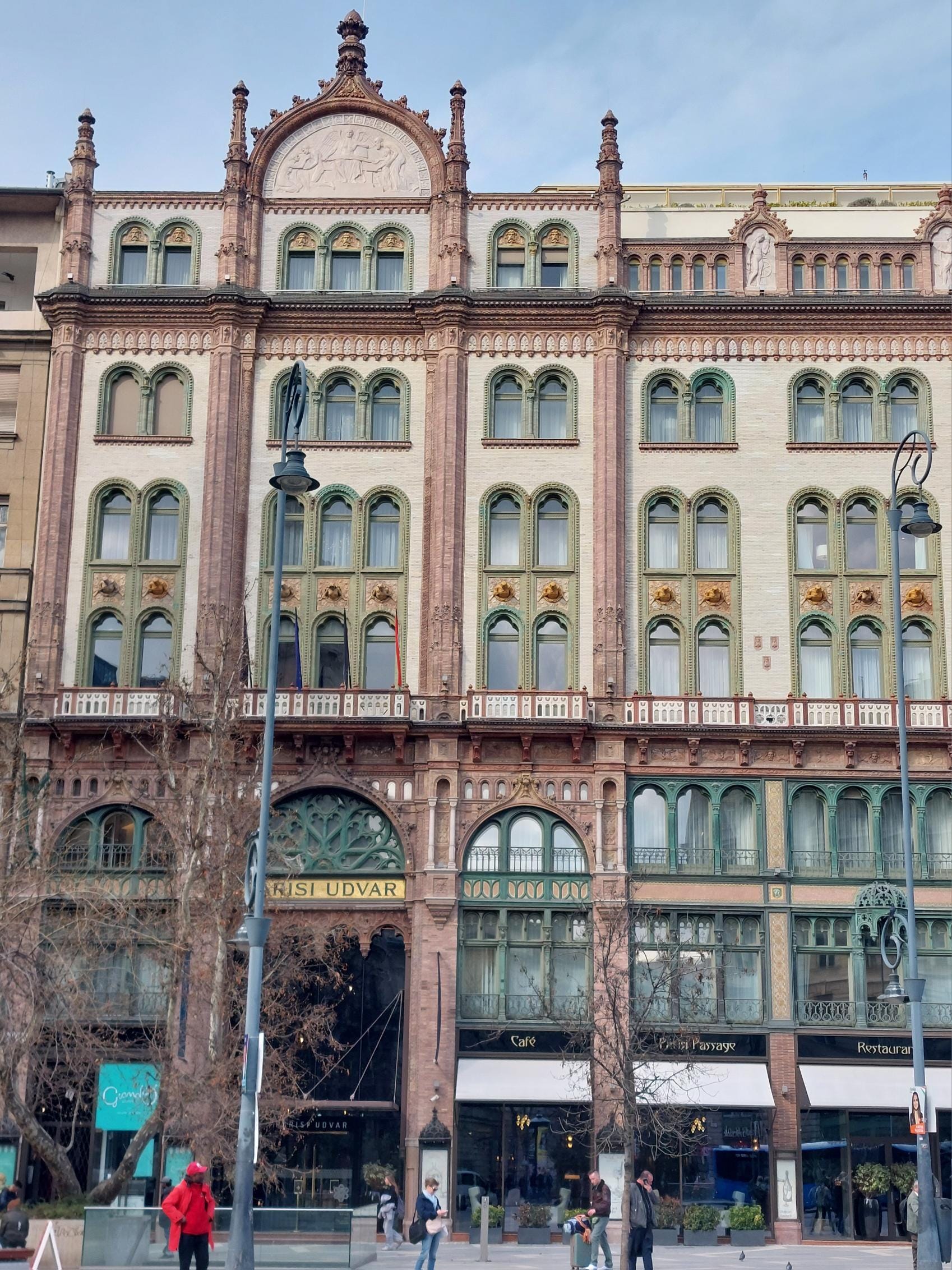
I passed endless stands selling lángos, deep-fried flatbread covered with cheese and sour cream or other toppings, a Hungarian fast-food staple, and others hawking kürtőskalács, a cylindrical, hollow chimney cake cooked over coals and rolled in walnuts or cinnamon. But honestly, I get those once in a while in Romania, which has a sizeable Hungarian minority, and they’re just as good. I preferred to sit down to a proper meal and take a break.
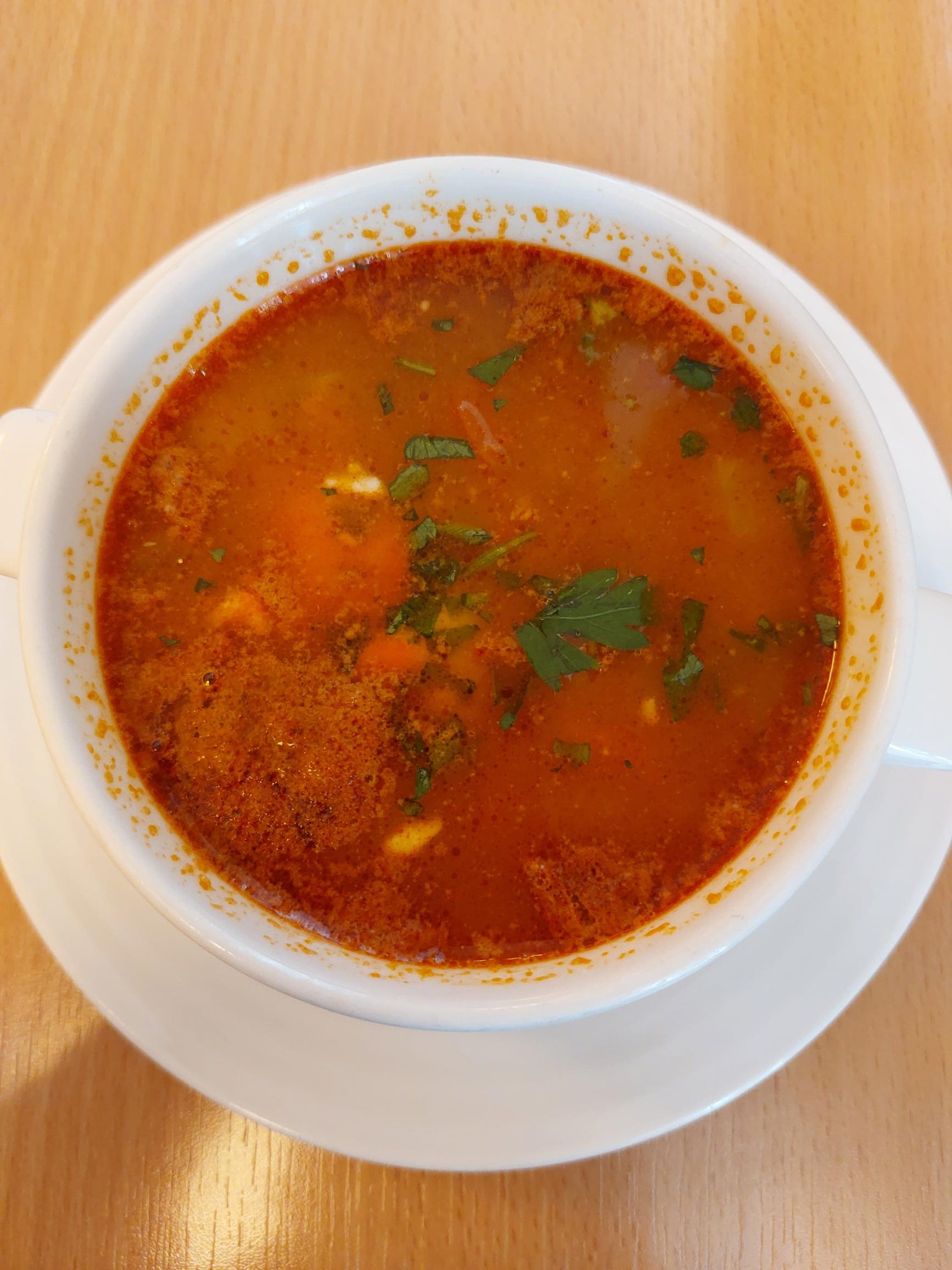
With the three-hour drive back home awaiting me, I didn’t care for a food coma, so I chose a healthy spot, Napfényes Restaurant, a stylish vegan eatery that was a winner. When in Hungary, go for goulash. Their bean-based veggie goulash was delicious, the bold flavors of homegrown paprika tingling my tongue. For the main course, I had Mediterranean rice balls with grilled vegetables in a light sauce – tasty and satisfying.
Afterward, I hit the nearby Madal Coffee Co. for a flat white with oat milk. Flavorful coffee perfection. I heard Madal has a branch in Oradea, one of my favorite Romanian cities (near the border with a large ethnic Hungarian population), so I’ll definitely seek it out next time I’m there.
Sufficiently caffeinated, I hopped on the Metro and zipped around some more, stopping at the world-famous New York Café, only to find it full and reservation-only – on a Monday afternoon, no less. Time had passed quickly and I needed to get on the road, especially with Romania being an hour ahead, this time not in my favor.
Budapest is one of those cities that never lets you down. And these kind of cross-border, cross-cultural jaunts are one of the things I love most about living in Europe.
I worked my way to the mall, paid the parking at the ticketless machine by typing in my license plate number, and headed for the M5 Motorway toward Szeged. I didn’t stop until I was back in Romania. I promised my wife that I’d pick up our son at basketball practice. I pulled up with 10 minutes to spare and his face lit up when I entered the gym.
If you don’t want to commit to a subscription, but you’d like to show appreciation for my writing on The Neighbor’s Goat, please consider Buy Me A Coffee. I like long black or flat white. Thank you!
Comments
Nothing yet. Say the first thing.
Sign in to join the conversation.