

FEBRUARY
HELLEBORES, BARE ROOTS AND A FIELD RETHINK
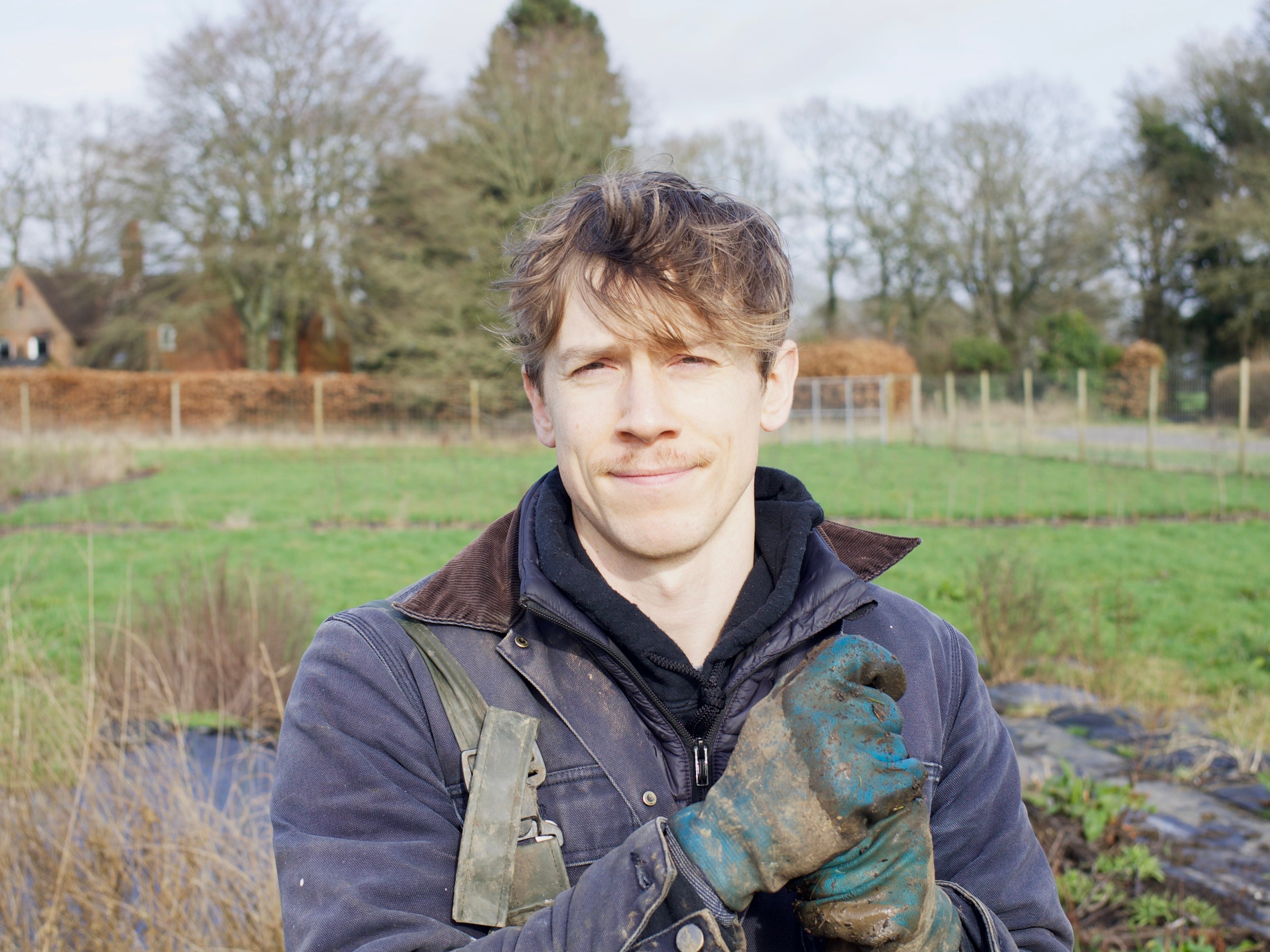
A light in the heavy grey of the month, hellebores are a God send, starting the season with a graceful beauty before the glamour of tulips begin next month. Harvington hellebores are some of the best I’ve found over the last few years of trialling, not only for beauty and richness of colour and variation, but also stem length and productivity. From soft pastels to rich muddy hues, they feel fresh with a vintage edge, a perfect ease in to using colour for the start of the season after a monochrome winter.
An investment plant on the more costly side, I’m hugely grateful for the wholesale nurseries near me that can mean I can get a decent number for a fair price. Taking several years to hit their stride compared to other spring flowering perennials, I really wanted to make sure I could give them the best start in life if I was going to take the plunge and plant over 20 of them. As the field is so open, I proudly exercised some self control for a couple of years, and waited for the hedging to get going so they’d have some shade and protection during the summer. They’re now planted in a strip on the north side of the hornbeam hedge, basking in the winter sun but protected from its intensity come summer. They now flank the rose garden, which after many months of thought and planning is now becoming more romantic and cottage-esk in design, planted with early spring flowering perennials as well as salvias and alliums for health. It felt the perfect fit to place them here, as I get to enjoy them as I work in this area over the next few months.
Some favourite varieties below.
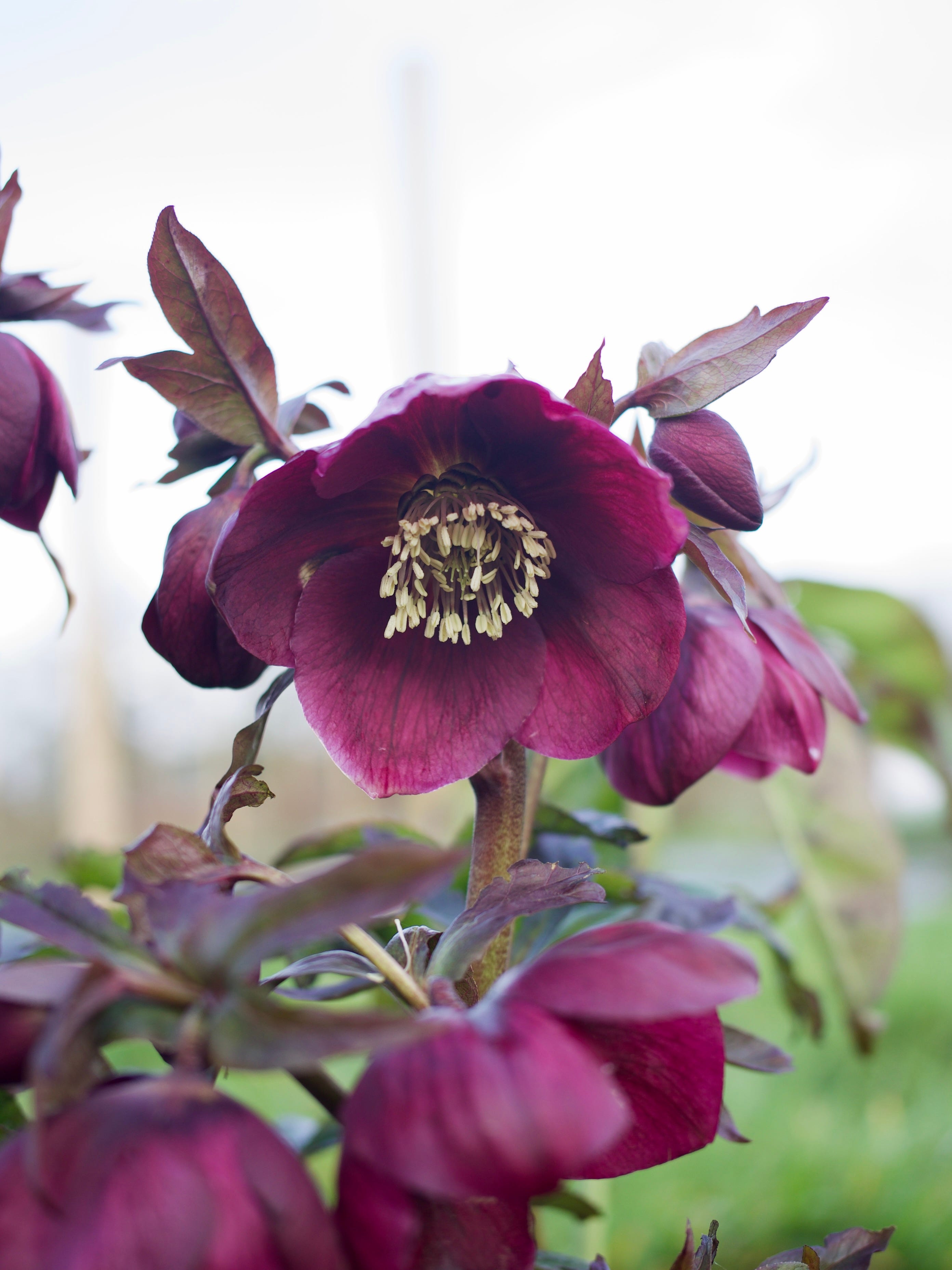
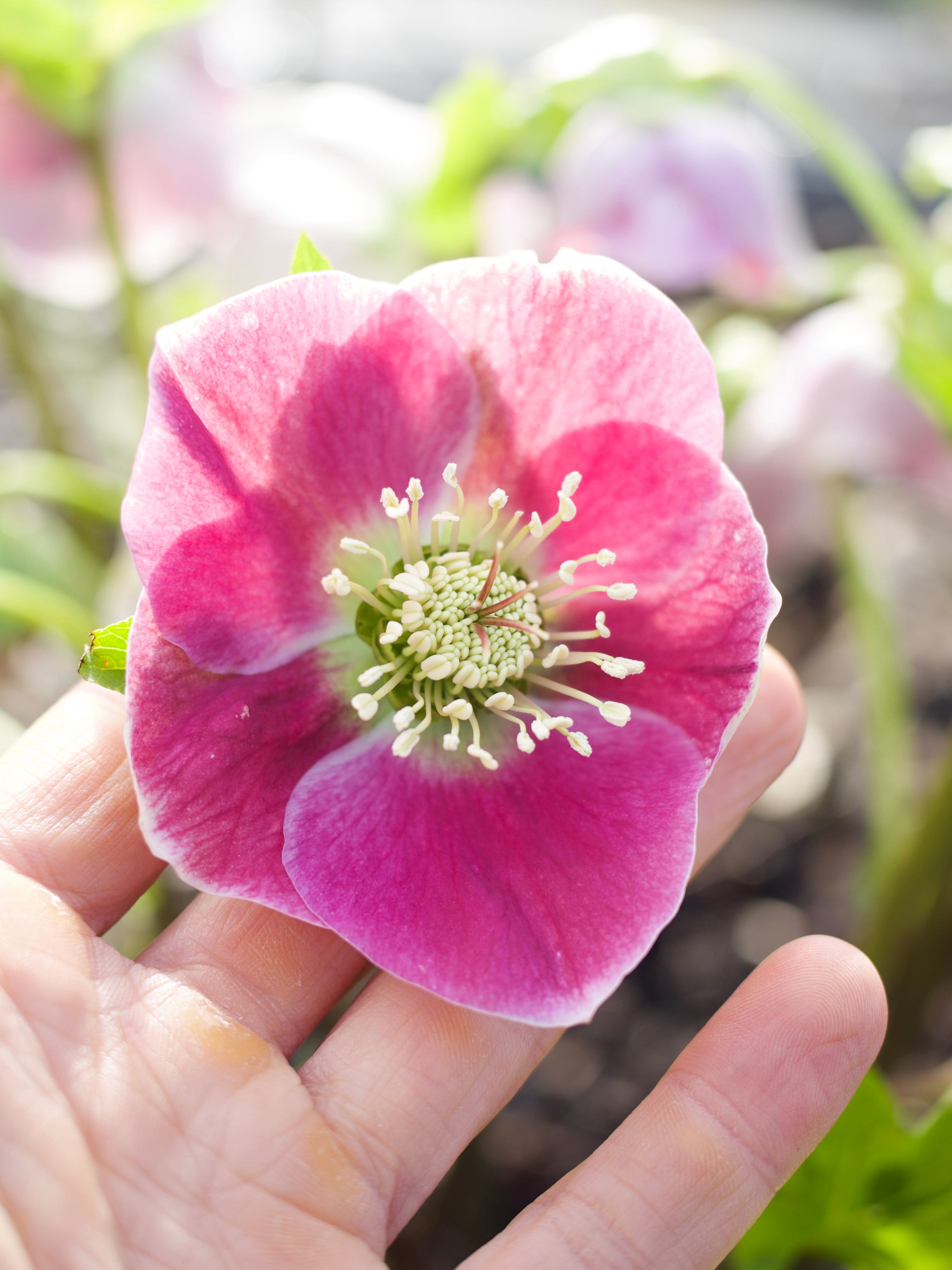
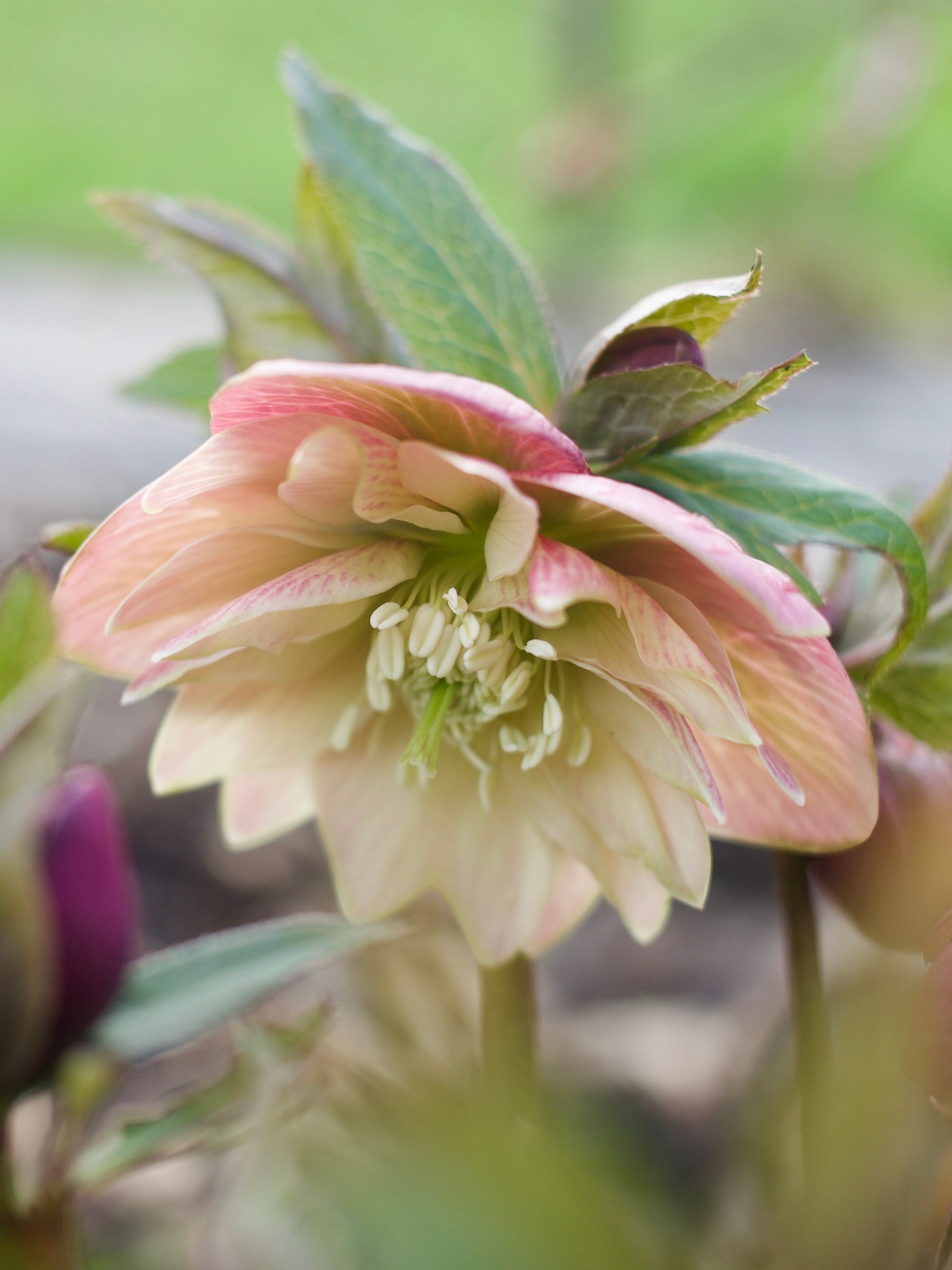
from left to right: Helleborus x hybridus Harvington Single Red, Harvington Single Pink, Harvington Double Apricot
After a couple of years of growing here and many a month of reflection over winter, I’m having a bit of a redesign of the field and consolidation of areas. My initial plan was to create a place that was equally productive and beautiful, part garden, part farm. I’d imagined semi-circular beds embracing the neat and orderly rows to break it up visually, and trees and shrubs planted in groups in the grass offering shade in the height of summer.
Now, as magical and ambitious as that was, after a couple of years of trying to maintain this space, I realised this was a case of too much, too soon. Instead, zoning and collating what I already have seems a better use of resources and energy, whilst giving me time to think further on the master plan. I’ll now have two main areas - the cottage rose garden and the prairie style perennial area which is flanked by shrubs. It’s a constant back in forth of balancing dream and ambition with time and reality, and I’m hopeful to bring back the idea of curved sweeping beds in a few years time when everything has had time to settle. As for now, I’m clearing grass from the Mypex paths which have gotten overgrown with being away dancing over the summer. A humbling experience if ever there was one.
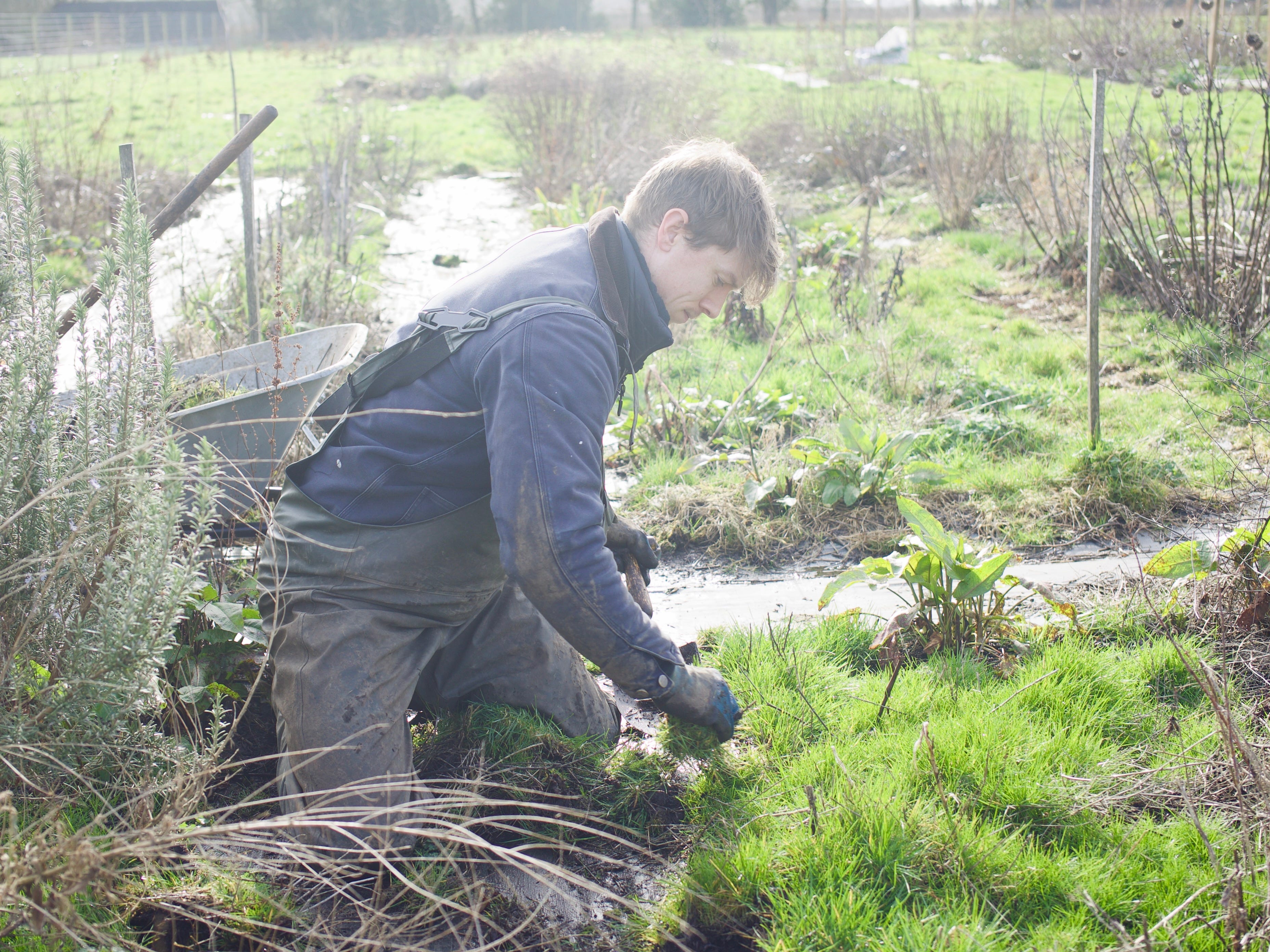
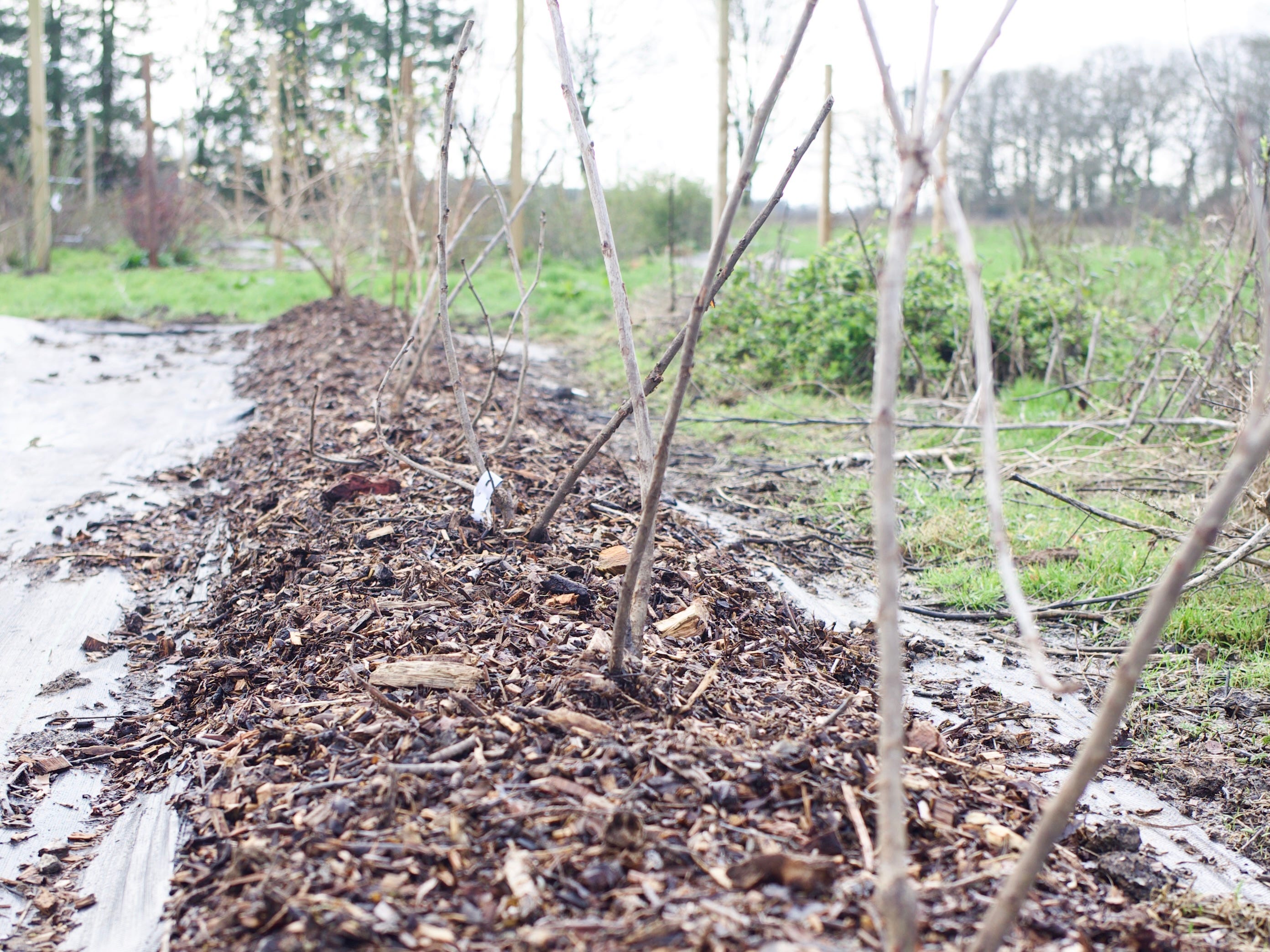
This month has been perfect for planting the bare root roses and fruit bushes I’d heeled in at the start of winter. Planted with a scattering of Mycorrhizal fungi to aid root development and a thick mulch of composted bark for weed suppression and water retention, I’m hoping they’ll establish quickly. For the currants, I’ve planted Ribes rubrum ‘Rovada’, Ribes rubrum ‘Versailles Blanche’ and the stunning champagne coloured Ribes rubrum ‘Gloire de Sablons’, along with a thornless blackberry and raspberry’s ‘Glen Ample’, ‘Autumn Bliss’ and ‘Fallgold’.
Saddled with a label of ill health, but prized for their moody bueaty, I’ve planted a new row of coffee coloured roses, trialing 6 different varieties to see if any are healthier than others. Stayed tuned for initial results come June, but I’m curious to see how they do longer term over the next few years, and if any are worth further investment planted in open ground. I’ve seen larger growers have more success either in polytunnels or Spanish tunnels where the top is covered but the sides are open, aiding airflow. Black spot is predominantly spread by the spores splashing up from the soil when it rains, so by having them in a more controlled environment they have a greater success keeping them healthier, and can even squeeze an extra flush of blooms in with the additional heat. I’m still a way off setting up such a structure so let’s see if any of these beauties can be strong enough to earn their place in the field.
I love the contrast in planting bare roots - putting what are essentially twigs in the ground, but loaded with such promise for the season to come.
Mulching, perennial planting and seed sowing all begin in earnest in March. Thank goodness for a scheduled week off of the tour at the end of the month, otherwise I couldn’t even dream of being able to fit in the new America’s Next Top Model documentary.
Thanks for reading.


© Andy Monaghan. All rights reserved.
You can update your preferences or unsubscribe

Comments
Nothing yet. Say the first thing.
Sign in to join the conversation.