
(This piece originally appeared on Pitchfork in 2016.)
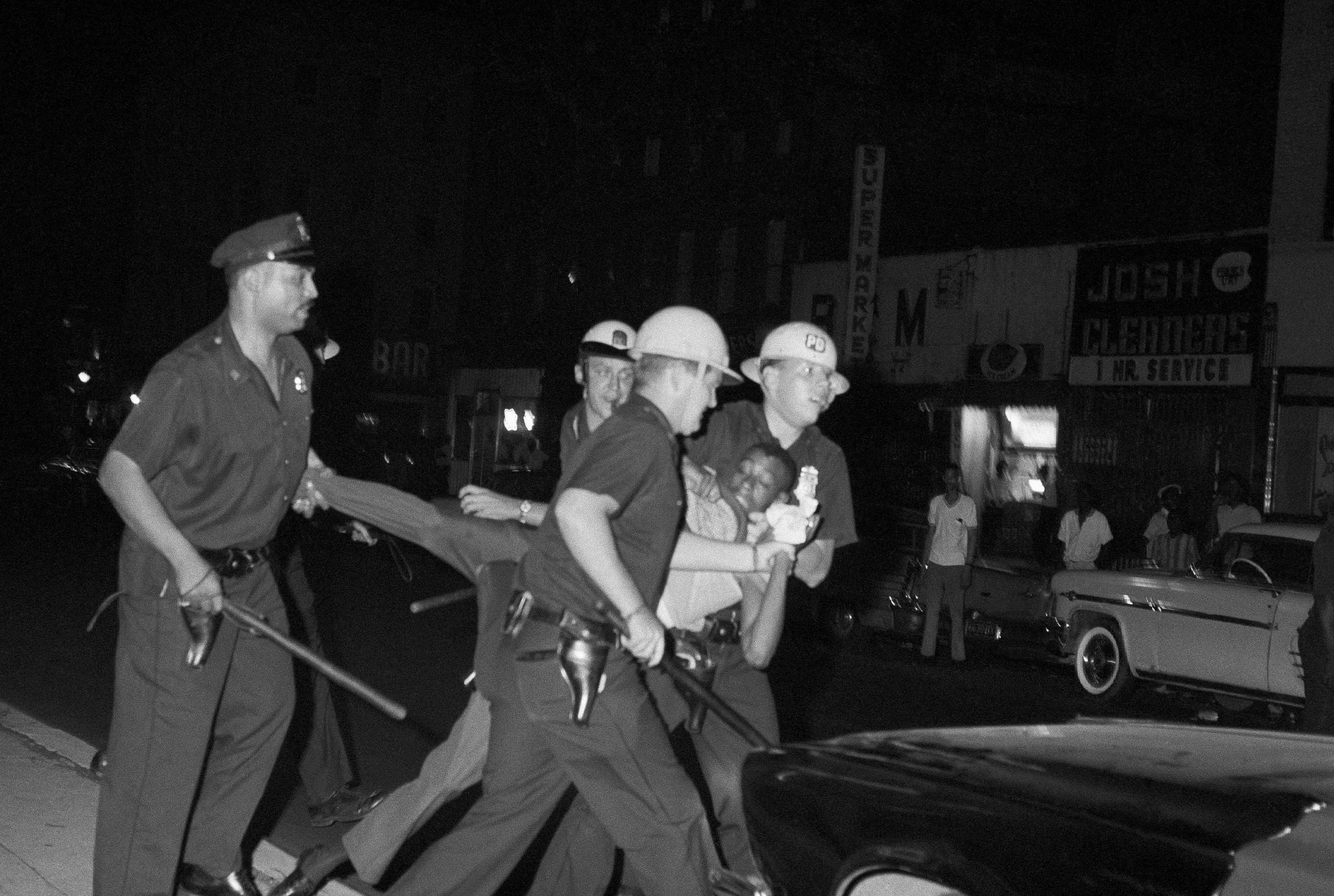
On a spring day in 1964, police in Harlem’s 32nd precinct tried to beat a confession out of two black teenagers for a crime they did not commit. The young men, Wallace Baker and Daniel Hamm, were repeatedly bludgeoned with billy clubs while in custody, beaten with such force that they were taken to a nearby hospital for X-rays.
In an interview at the nearby Friendship Baptist Church a few days after the incident, the 18-year-old Hamm recounted being brutalized in shifts by six to 12 officers over the course of the night, along with the fact that “they got so tired beating us they just came in and started spitting on us.” But even after hours of abuse, the cops weren’t about to allow Hamm out of their grasp to be admitted for treatment, since he was not visibly bleeding. Thinking fast, Hamm reached down to one of the swollen knots on his legs where the blood had clotted beneath his skin.
“I had to, like, open the bruise up, and let some of the bruise blood come out to show them.”
Those 20 words, spoken by a young man who would unjustly remain in prison for nine years, still land like a cop’s night stick to the skull. And utilizing just that one sentence, composer Steve Reich made one of the most visceral pieces of music of the 20th century. Today marks the 60th anniversary of Come Out, which made its live debut on April 17, 1966.
Comments
Nothing yet. Say the first thing.
Sign in to join the conversation.