
Today’s Newsletter Includes:
Why everyone suddenly thinks lettuce is the enemy.
What we actually know about the Cyclospora outbreak, and what we don’t.
Three sources worth trusting when everyone else is guessing.
Why you should join me on one of my upcoming trips to Africa and Oaxaca.

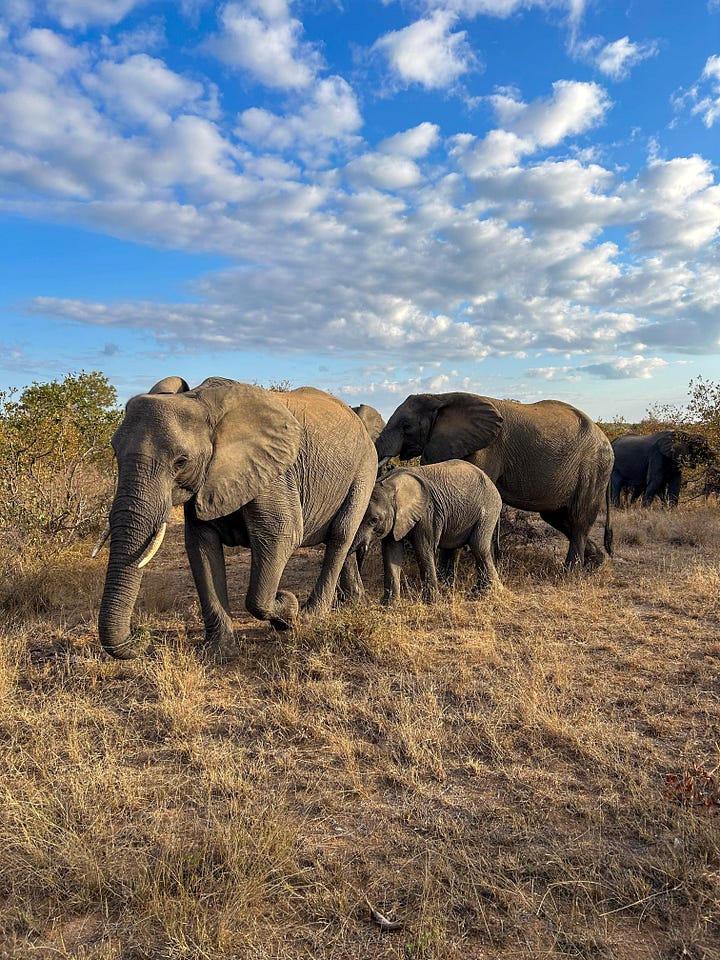
If you've ever wanted to experience the world through incredible food, culture and unforgettable moments, I've got something special for you. I've partnered with some of the very best travel providers to create once in a lifetime journeys to extraordinary destinations, all curated by yours truly.
Experience the vibrant markets, legendary mezcal, rich traditions and unforgettable flavors that have made Oaxaca one of the world’s greatest food destinations. This immersive trip offers exclusive access to the people, places and dishes that make the region so extraordinary. There’s only a few spots left so don’t miss your chance to buy your ticket.
Join me for an unforgettable adventure through South Africa, where world-class cuisine meets breathtaking wildlife and stunning landscapes. From exceptional dining and award-winning wines to incredible safari experiences, this is a journey unlike any other.
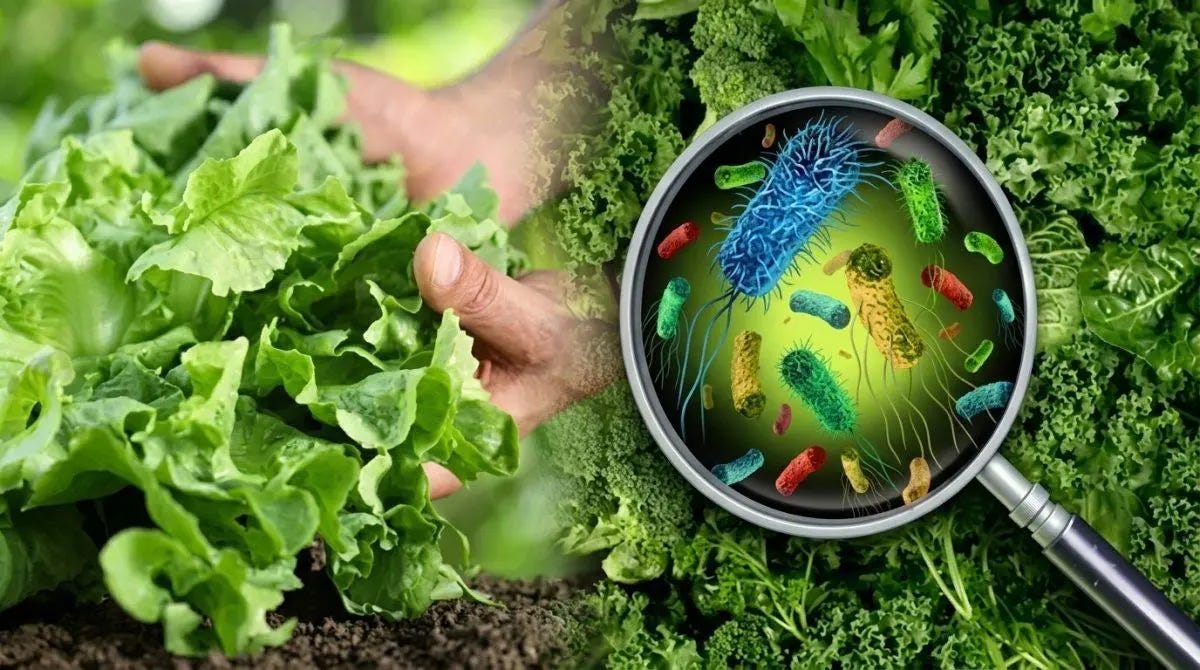
Every summer there’s a food scare that ricochets around social media before the facts can catch up. This year Cyclospora is the horror show everyone is talking about. This microscopic parasite has already sickened more than 2,000 Americans across dozens of states. If you’ve heard people telling you to stop buying lettuce, berries, herbs or some other produce, I’d beg you to keep reading.
Right now no farm, grower, brand, importer, retailer or specific food has been identified as the source of this outbreak. The FDA and CDC are still trying to connect the dots. There is no recall because investigators don’t yet know what food all these people have in common.
That uncertainty frustrates people. It makes me angry. We’d all like a simple answer, but there isn’t one yet.
Cyclospora isn’t Salmonella or E. coli. It’s a parasite, and that makes it a different kind of detective story. It usually reaches us on fresh produce that became contaminated somewhere between the field and our plate. Unlike many other foodborne illnesses, it doesn’t spread easily from person to person. It has to mature in the environment before it can infect someone else, which makes outbreaks harder to trace and easier to miss.
Don’t swear off produce. There’s no evidence that all lettuce, herbs, berries or leafy greens are suddenly dangerous. In previous years outbreaks like this have been linked to foods ranging from cilantro and basil to raspberries, spinach, snow peas and romaine lettuce. None of those foods have been confirmed in this outbreak.
So what am I doing?
I’m washing my produce well. I’m peeling it when it makes sense. I’m cooking it when I can. While none of those steps are foolproof, they’re still smart habits. I’m also buying as much of the produce I eat raw, especially lettuces, herbs and berries, from local farm stands whenever possible.
If you develop persistent watery diarrhea, stomach cramps, nausea, fatigue or symptoms that simply won’t quit, please see a doctor. Cyclospora is treatable, but your physician needs to know to look for it because it isn’t always included in routine testing.
But there’s a bigger piece of this story that deserves more attention.
Finding the source of an outbreak like this isn’t magic. It takes epidemiologists interviewing sick patients, laboratory scientists testing samples, investigators tracing supply chains across states and countries and enough people on the job to follow thousands of leads that often go nowhere before one of them finally does.
That work depends on a vibrant public health system. By definition, we don’t have one today.
In July 2025, one of America’s most important foodborne disease surveillance programs was dramatically reduced. For nearly three decades, the CDC’s FoodNet program actively tracked eight of the nation’s most significant foodborne pathogens. Today it routinely conducts active surveillance for only two: Salmonella and E. coli.
Active surveillance for Campylobacter, Cyclospora, Listeria, Shigella, Vibrio and Yersinia was discontinued through FoodNet, although those diseases continue to be reported through other public health systems.
Technically, that doesn’t mean the government stopped looking for them. It does mean the country’s most robust early warning system for those six pathogens became far less comprehensive. Many infectious disease experts warned that fewer data and fewer investigators could make outbreaks harder to recognize, harder to understand and harder to stop.
Whether those changes affected this particular Cyclospora outbreak remains unknown. Investigators are still working the case and there’s no evidence the surveillance changes are responsible for the delay.
But I will say this: public health is one of those investments you only notice after it’s been cut.
When an outbreak happens everyone wants immediate answers. Those answers depend on systems that have been built, funded and maintained long before anyone got sick
For now the facts are simple.
There is a significant outbreak.
Investigators have not identified the food or foods responsible.
There is not a list of products consumers should avoid.
When it comes to public health issues, I’m telling my friends and family to ignore the rumors. Pay attention to credible updates instead.
And remember that the people protecting our food supply can’t solve outbreaks without the budget to support the people, laboratories and surveillance systems that make these investigations possible.
Protecting our food system remains one of my top priorities whenever I’m talking with local and national politicians, especially as we head into the election cycle this November.
Don't get your information about public health outbreaks from social media. Here are the sources I trust.
The limitation is obvious. By the time the CDC posts something, state epidemiologists have often known it for days. That's frustrating, but it's still the authoritative national data source.
The FDA investigation table is updated whenever traceback investigations advance. It’s the first place you’ll see:
Whether investigators have identified a suspect food
Whether traceback has begun
Whether inspections or sampling have started
Whether recalls become necessary
Right now the FDA lists multiple active Cyclospora investigations with products still listed as “Not Yet Identified,” which tells you investigators are actively working the problem but haven’t reached a defensible conclusion.
That’s far more useful than rumors blaming cilantro, lettuce, berries, basil or whatever happens to be trending that day.
This is the one I read every day.
Minnesota for the win, once again.
CIDRAP has earned enormous credibility because it reports what is known, points out what isn’t known and isn’t afraid to criticize weaknesses in surveillance when warranted. Their reporting on this outbreak has highlighted the growing case numbers while also explaining how changes in federal surveillance have complicated national tracking.
Unlike many news organizations, they write for physicians, epidemiologists, infection prevention specialists and public health professionals rather than chasing clicks.
TikTok
Instagram Reels
Facebook posts
Anonymous physician accounts
Wellness influencers
Food influencers
Anyone confidently naming a food before the three sources above do
Like this post? Share it with your friends using the button below.
No posts
Comments
Nothing yet. Say the first thing.
Sign in to join the conversation.