
Today’s Newsletter Includes:
Why the closing of Craft matters far beyond one restaurant
How the restaurant business quietly became a very different game
The question I can’t stop asking about the future of American dining
What you would be missing out on if you didn’t join me on my trips to Oaxaca and Africa
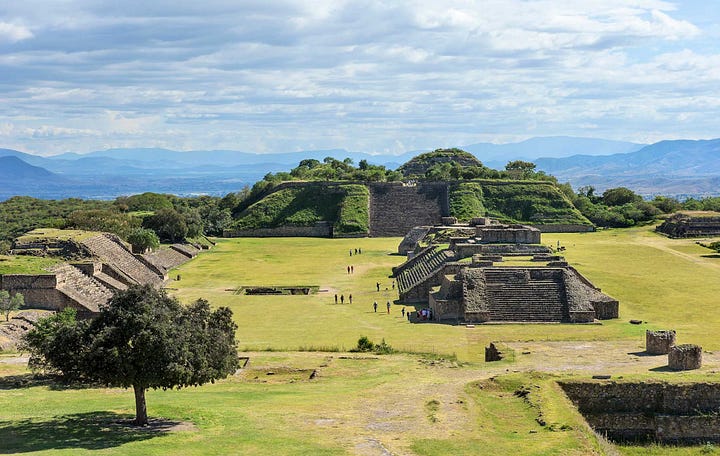
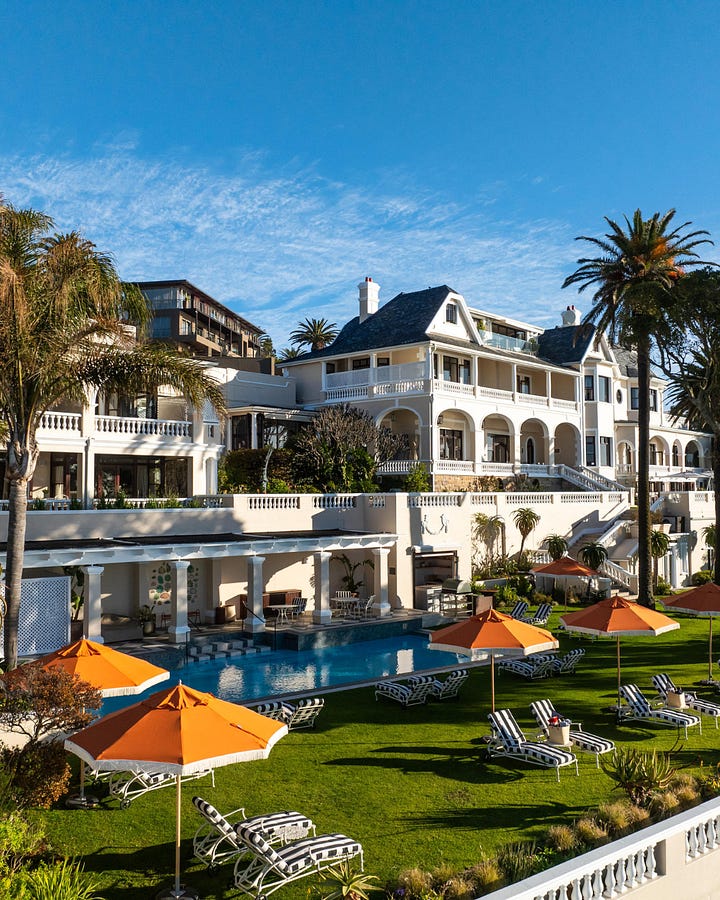
If you've ever wanted to see the world through its food, culture and the people who make a place special, I'd love to have you join me. I don't put my name on just any trip. Every one is thoughtfully curated with incredible partners and built around the kinds of experiences you simply can't recreate on your own. The people who've traveled with me have had an absolute blast. So have I. These journeys are one of the most rewarding parts of what I get to do.
Oaxaca is one of the most exciting food destinations on the planet, and this trip is designed to help you experience it beyond the guidebooks. We'll explore vibrant markets, meet remarkable artisans and cooks, dive into the world of mezcal and share unforgettable meals that tell the story of the region. It's an immersive experience built with care, curiosity and plenty of fun.
This is one of those trips you'll be talking about for years. We'll experience extraordinary restaurants, world-class wines and unforgettable safari adventures while exploring one of the most beautiful countries on Earth. Every detail has been carefully considered to create a trip that is equal parts adventure, discovery and incredible hospitality.
Craft closed after 25 years. It leaves a gaping hole in the restaurant world. Some of my most memorable meals were in that room and obviously Tom Colicchio is a friend of mine, so I carry some bias for sure. Let’s also objectively look at the outpouring of grief from the restaurant world. Tom didn’t simply open a successful restaurant. He changed the language of American dining.
Before Craft, a chef’s composed plate was king. Craft shifted the conversation toward ingredients, restraint and the notion that luxury could be defined by ingredients of all types cooked impeccably rather than culinary gymnastics performed by spendy components. He placed a platter in the middle of the table. Sometimes the whole meal was there. Then everyone borrowed from his playbook.
Countless chefs absorbed those lessons. You don’t write the history of American dining in the 21st century without devoting some serious real estate to Tom and his career, especially Craft.
Ironically, Craft closes during one of the most exciting periods American restaurants have experienced in decades, while also existing alongside one of the most difficult moments in restaurant history.
Dining destinations like Kabawa, Dogon, Kalaya, Diane’s Place, Indigena, Smith, SingleThread and so many others are expanding the vocabulary of American eating in thrilling ways. They are deeply personal, culturally specific, ambitious and far more representative of who we are than any era of dining I can remember in my lifetime. Their success, and the achievements of so many other restaurants, deserve celebration.
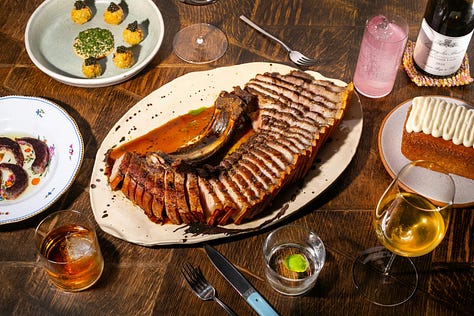
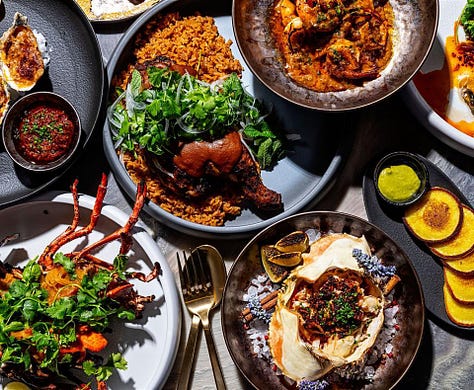
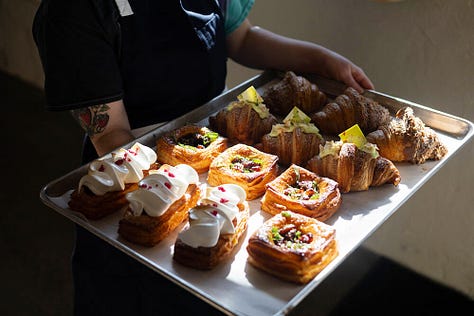
They also exist in a completely different economic universe.
When Craft opened in 2001, restaurants were still built with permanence in mind. The goal was to become an institution and be around forever. Twenty-five years may have been an impossible dream for many, but it was still the business plan.
Today, the incentives feel very different. The restaurant economy increasingly rewards novelty over performance. Investors want immediate momentum. Social media demands constant reinvention. Diners chase openings, reservation drops, collaborations, pop-ups, chef appearances and limited runs in ways I never imagined even a decade ago.
It seems to me that restaurants are expected to become cultural events before they’ve even learned to become functioning businesses.
The economics have become almost absurdist. Construction costs have exploded. Interest rates have transformed borrowed money from a useful tool into a crushing expense that should often be avoided. Insurance, utilities, labor and food costs all continue to escalate dramatically.
A restaurant that cost $2 million to open in 2019 could easily require three times that today before serving its first guest.
So who can open a restaurant now?
Who has access to enough capital to survive the first 24 months?
Can independent chefs build a lasting business, let alone an institution in the historical sense? Will they increasingly need celebrity partners, hotel groups, private equity or luxury real estate developers standing behind them? And if they do, is the new model simply to extract as much revenue as possible over five years before closing?
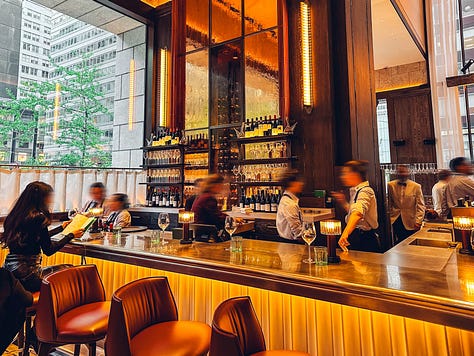
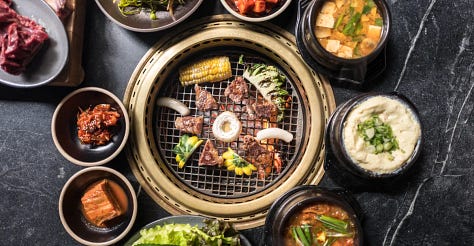
Simon Kim’s extraordinary new New York City project is fascinating because, off the top of my head, it tests all of those questions and more.
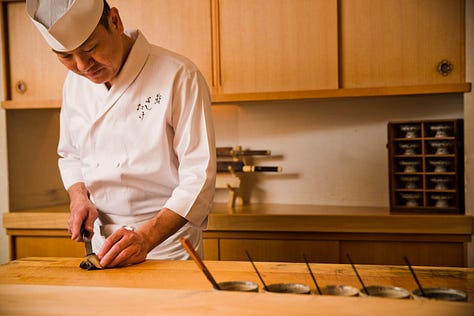
It is a sprawling multi-concept dining complex at 550 Madison Avenue that features two new concepts, Cote 550 and Bar Chimera, with Sushi Yoshitake opening later this year.
It is an ambitious undertaking built around concepts that have already demonstrated remarkable commercial strength. Korean barbecue, luxury hospitality, nightlife, premium beverages, multiple revenue streams, third place gathering and Kim’s globally recognized brand all create advantages that almost no one else possesses.
He is also a brilliant operator.
It may prove that scale can still work brilliantly. It currently proves that not everyone gets to play the same game.
Kim earned that. I was at the original Cote during opening week and no one could have predicted how brilliantly he would navigate and create what came next.
The rules have never been fair to everyone. These days they seem even more uneven.
As I watch so many restaurants close after spending nearly 50 years paying attention, I find myself thinking more about the difference between a restaurant built to last and one built primarily to generate content.
Craft was built to last.
It earned its status slowly and accumulated trust over the years it was open.
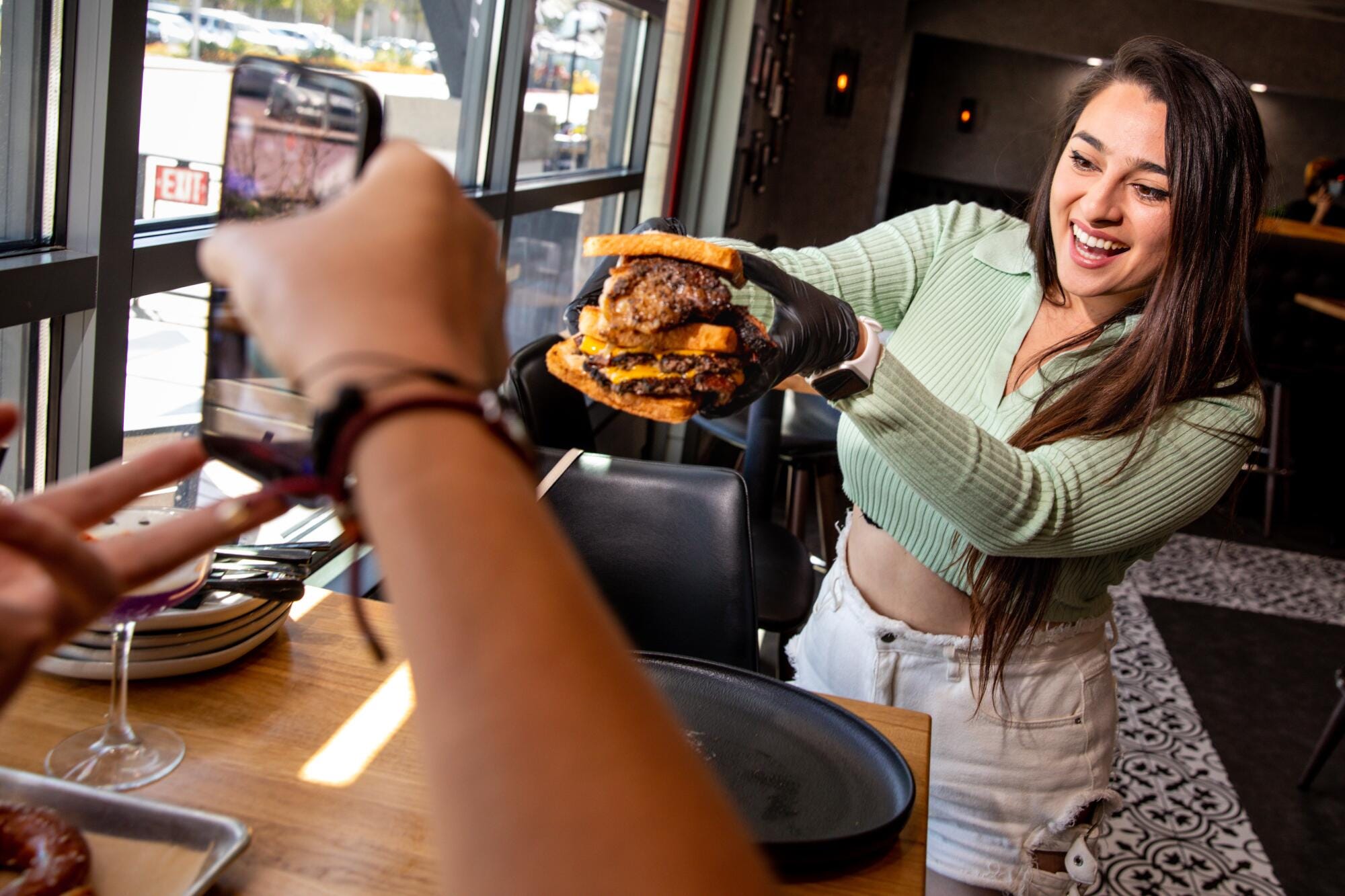
Today, many restaurants are expected to become popular content before they even open.
I wrote about Amalfi at the Emery Hotel a few weeks ago. It’s a perfect example.
Those restaurants have to build buzz before they generate revenue. They need viral videos before they establish regulars. They require endless novelty simply to remain part of the conversation.
I assume that’s because they have little else to rely on.
I also recognize that some restaurants are trying to split the difference to level the playing field and hedge their bets. I understand it. The economics almost require it. Some truly excellent cooking is happening within that part of the restaurant world.
It also raises important questions about the kind of restaurant culture we’re creating.
Good restaurants outlive trends.
Content can help them both.
The best restaurants become famous because they endure for many reasons. I increasingly see evidence suggesting that restaurants are now expected to endure because they become famous.
Salt Hank will be fascinating to watch.
It became famous first despite serving a superb product. It’s a great sandwich. Will it still be here in five years? The sandwich says yes.
The current game makes that a genuinely interesting question.
Still with me?
That inversion may be the defining challenge facing American hospitality.
The food has never been more interesting. Opening a restaurant has never been harder or more financially intimidating.
To me, that only magnifies everything Tom Colicchio accomplished at Craft.
Craft reminds me that great restaurants are measured in decades, not opening week headlines. They become classrooms. They mentor generations of cooks. They influence restaurants that haven’t even been imagined yet. They earn every flower.
By the way, Craft is closed but Tom isn’t.
True artisans rarely retire from making things. They remain restless and curious. Tom has spent 40 years proving he is one of those people.
Businesses close.
Ideas don’t.
People don’t.
Those of us who loved Craft will miss it.
Will we ever see another restaurant that opens after 2025 and lasts 25 years? One that earns our trust, trains a generation of cooks, shapes how America eats and builds a business around excellence instead of the next funding round? One built for permanence?
I hope so.
Because if our restaurant economy only rewards novelty, attention, spectacle and artifice, we won’t simply miss restaurants like Craft.
We’ll lose the possibility of the next restaurant like it ever existing.
Like this post? Share it with your friends using the button below.
No posts
Comments
Nothing yet. Say the first thing.
Sign in to join the conversation.