
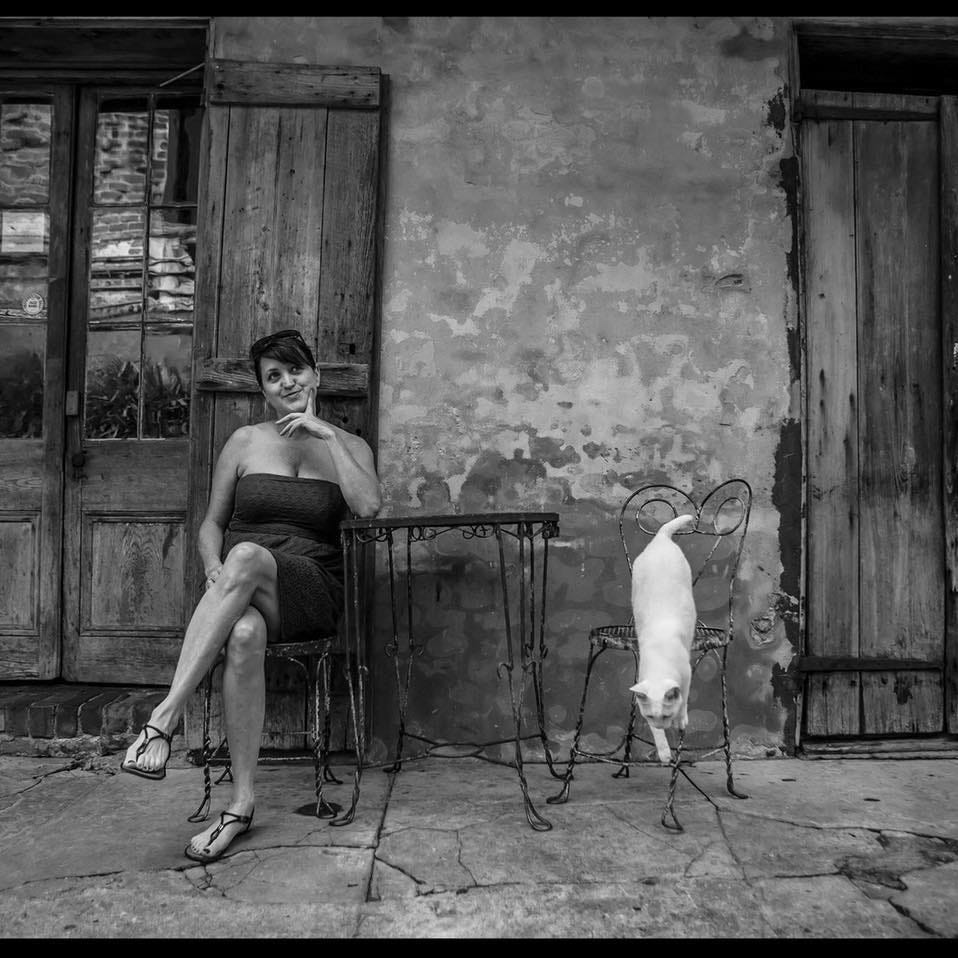
Of all the cities I love, New Orleans is one of the easiest to get “lost in place.” But where to do so now? I asked local writer Sue Strachan, a social historian who believes you can learn most everything about a city in its favorite bars.
For more than two decades, Strachan’s chronicled New Orleans through its cocktails, cuisine, architecture, music, neighborhoods and the people who animate them, exploring how food and drink become windows into history, identity and class.
Her journalism has appeared in The Times-Picayune, The New Orleans Advocate, TIME Asia, Preservation in Print, Louisiana Life and numerous other regional and national publications. Whether she’s writing about a drink, a community or an ancient building, her work reveals the stories that survive long after fashions change.
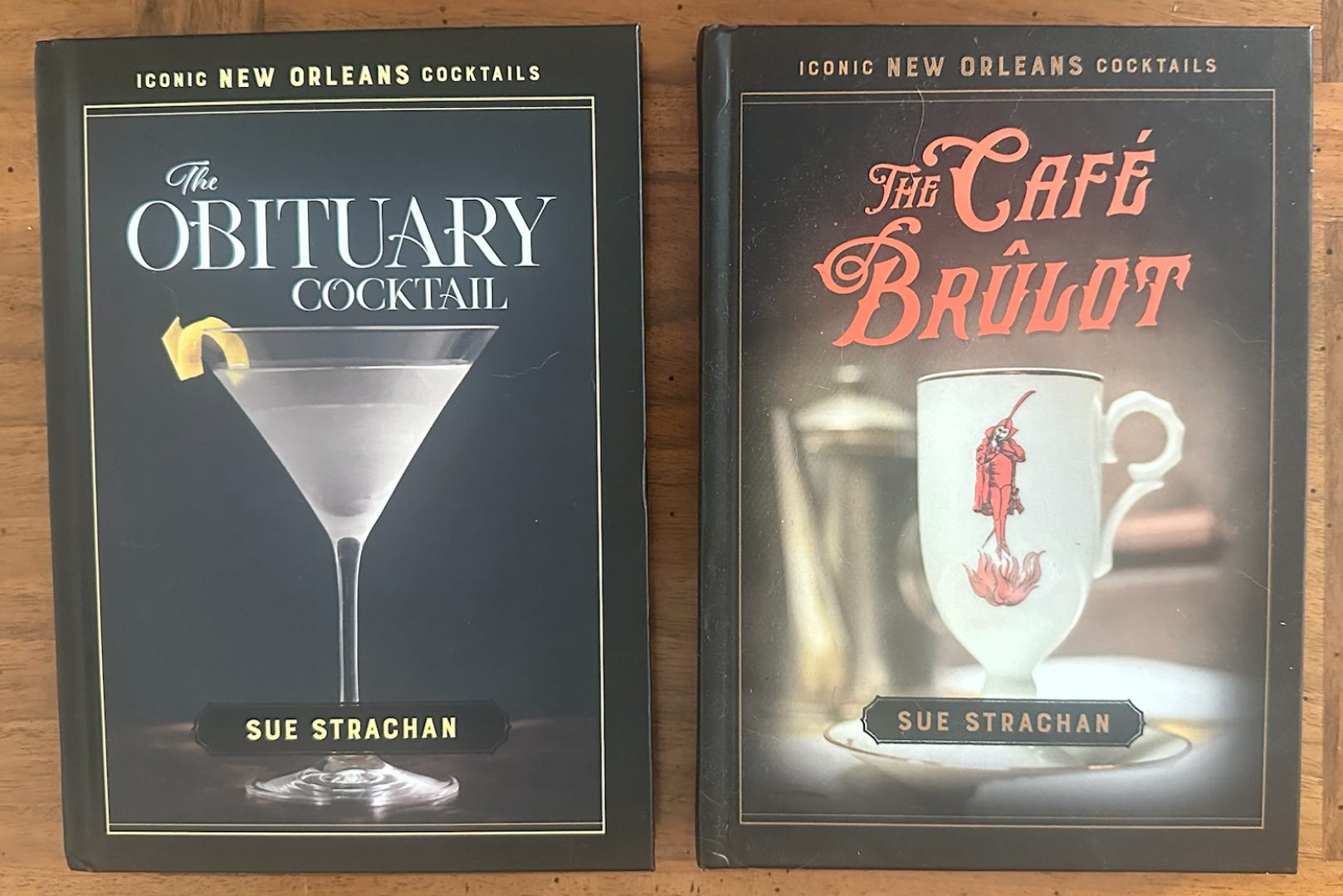
Strachan’s first book, The Café Brûlot (2021), traced the history of New Orleans' signature after-dinner coffee ritual. She followed it with The Obituary Cocktail (2025), an affectionate detective story about one of the city's nearly forgotten drinks, its eccentric devotees and the bohemian café society that embraced it. The book was featured by The New York Times and became a finalist for the 2026 James Beard Award.
“I’ve spent my career at the intersection of culture and human behavior,” she says, “with a drink at the ready.”
Below, are three of her favorite bars where travelers can meet New Orleans head on:
Fives (529 St Ann St.). “Fives is a sophisticated French Quarter bar located in the Lower Pontalba Building on Jackson Square. The Square is where real New Orleans meets the tourist industry because real New Orleanians don’t often visit Bourbon Street—except for Galatoires. Fives is sexy—a bar where you might find the vampire Lestat holding court.”

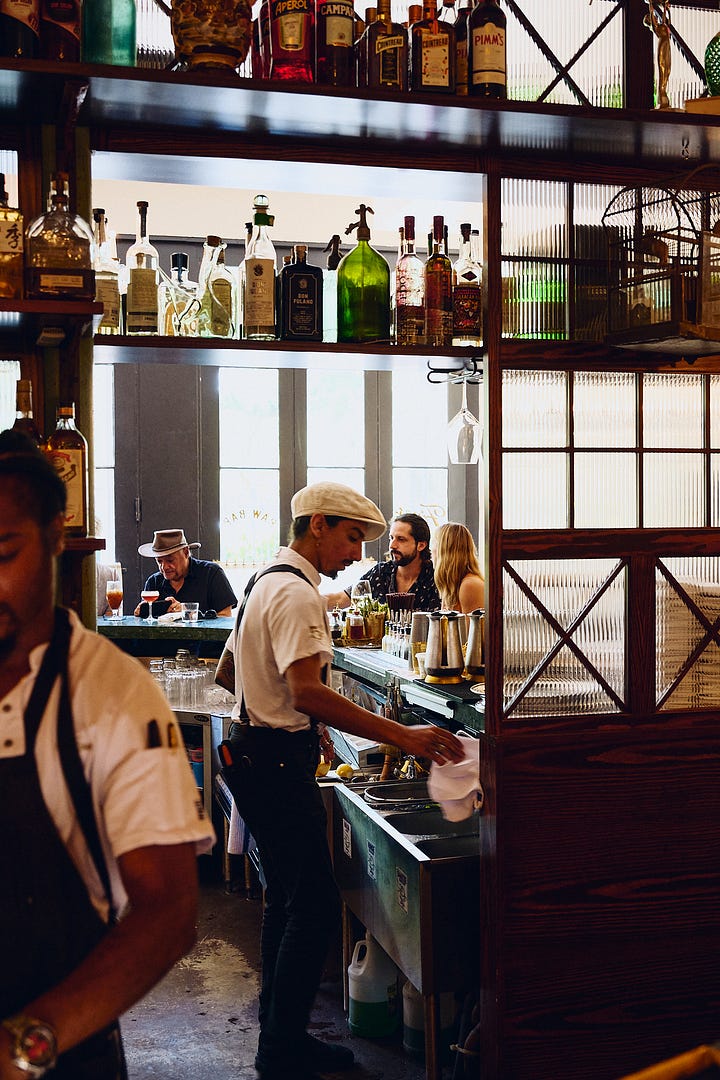
“Sit to the left, where you can observe both the bar and any antics unfolding the street. Order your Obituary Cocktail here. They pour Jade Nouvelle Orléans Absinthe. The brand’s made by Ted Breaux, a local guy who in 2007 was instrumental in getting absinthe back into the United States. Fives is also known for their oyster bar and seafood. I recommend the raw oysters—they pair well with the Obituary.
“Drink the first one and you’ll want to order caviar next. Do it. You’ll have my blessing.”
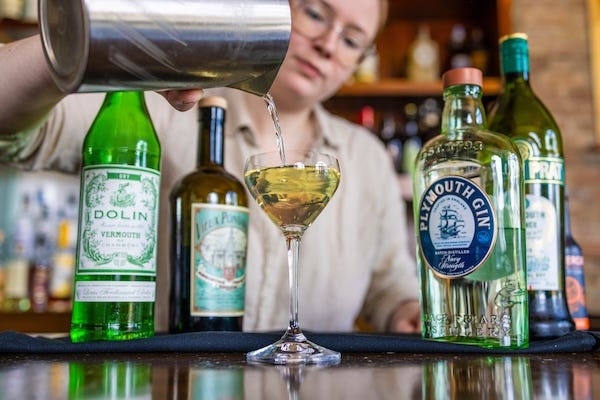
Cure (4905 Freret St.). “This legendary bar’s located Uptown in a rising neighborhood now at full roar. Freret Street is a busy mix of restaurants—Southern cuisine at High Hat Cafe; beef wellington at Husky; hot dogs at Dat Dogs. Cure is in an old New Orleans firehouse featuring moody lighting and quirky art like 19th Century prints of our city mascot, the palmetto bug. The lighting’s superbly romantic, giving it a date night vibe but it’s also a comfortable place to meet friends. And its welcoming—you won’t dissed for ordering the “wrong” drink.
“Now, cocktails never left the menu in New Orleans when the rest of the world abandoned them. Cure upped the ante and jumped start the contemporary cocktail scene here. You must order the Old Fashioned. They do it old school style without the cherry—but you can ask for one.
“Or try the Baller Old Fashioned made with Blanton’s Bourbon, Angostura and Bittercube orange bitters and then garnished with orange peel.”
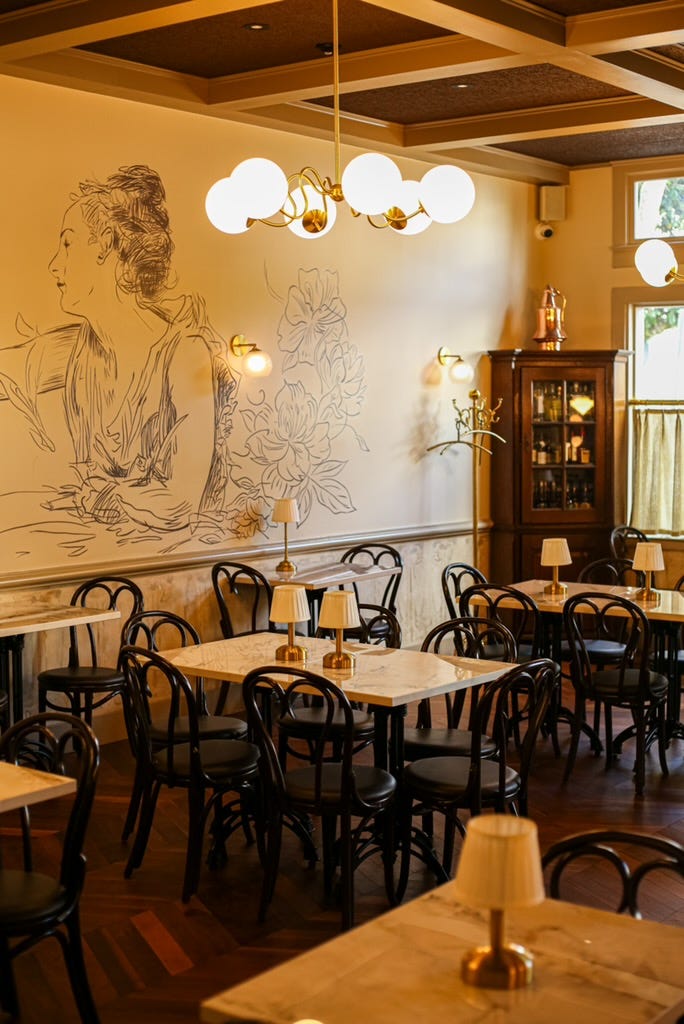
Avegno (1726 Soniat St.). “This is a special sort of Uptown bar. You can drive by and miss it. There are no outside signs to point it out so it’s got a speakeasy aura. But once inside Avegno feels like a private London club—lots of young professionals, Gen X socialites and other bar aficionados.
“It opened as the sister bar to Gautreau’s, a famous New Orleans restaurant since the 1980s. The owners wanted a place next door where customers could wait for their reservations. And now it’s become the ‘bar of the moment’ — a social hot spot for drinks and small plate snacks. Its centerpiece is a portrait of the woman made famous by Sargent as Madame X. Her real name was Virginie Amélie Avegno Gautreau, and she was from New Orleans. Avegno feels exclusive but anyone can go.
“Be adventurous—take the streetcar there. The bar's just three blocks north of St. Charles Avenue, and the streetcar ride is part of the evening.”
As peak hurricane season approaches, Strachan will keep one eye on the Gulf for the next named storm and the other on the next empty barstool, convinced the city’s most revealing stories are those told to travelers across a zinc-topped bar.
You can order her books here and here.
Three other cities uniquely themselves. And more Sue Strachan:
Field Notes:
Lower Pontalba Building: Completed between 1849 and 1851, the Lower Pontalba Building was commissioned by Baroness Micaela Almonester Pontalba and remains one of the oldest continuously occupied apartment buildings in the United States. Together with its twin across St. Ann Street, it frames Jackson Square with nearly 700 feet of cast-iron balconies that helped define the French Quarter’s architectural character. Wander beneath the arcades, browse the shops, then look up—the apartments above reveal the apartments’ real beauty.
Jackson Square: Originally laid out as the Place d’Armes in 1721, Jackson Square has been the civic heart of New Orleans for more than three centuries. At its center stands Clark Mills’ 1856 equestrian statue of Andrew Jackson, commemorating the hero of the Battle of New Orleans. The square is framed by the soaring St. Louis Cathedral, the Cabildo, and the Presbytère, creating one of America’s most recognizable historic vistas. Yet it never feels like a museum. Street musicians, artists, tarot readers and brass bands ensure the city keeps performing long after the history books close.
Food & Drink
Galatoire’s: Since 1905, Galatoire’s has defined old-line New Orleans dining. Jackets remain the norm, waiters often serve generations of the same families, and Friday’s long lunch is practically a civic institution. Order classic Creole fare, settle in, and don’t watch the clock—lingering is part of the tradition. Address: 209 Bourbon St.; Tele: 504-525-2021.
High Hat Café: This Freret Street favorite helped transform the neighborhood into one of the city’s liveliest dining corridors. The no-pretense menu celebrates the modern South with fried chicken, shrimp remoulade and catfish served without pretense. You’ll find more locals than visitors, which is exactly the point. Address: 4500 Freret St.; Tele: 504-754-1336.
The Husky: One of New Orleans’ newest destination steakhouses, The Husky pairs beautifully aged steaks, polished cocktails and an energetic neighborhood atmosphere. Stylish not stuffy, it’s the sort of place locals choose when the evening deserves a celebration. Address: 4510 Freret St.; Tele: 504-766-7159.
Dat Dog: Only in New Orleans could a hot dog become this inventive. Choose from alligator, duck, crawfish sausage or traditional beef, then pile on toppings ranging from crawfish étouffée to guacamole. Casual, inexpensive and gloriously over-the-top, it’s a perfect stop before a night on Frenchmen Street, where they have a second restaurant. Address: 5030 Freret St.; Tele: 504-899-6883.
Gautreau’s: Hidden inside a former neighborhood pharmacy in Uptown, Gautreau’s has quietly earned a reputation as one of New Orleans’ finest contemporary restaurants. Chef-inspired Louisiana ingredients meet classic French technique in an intimate dining room that values substance over spectacle. Reserve ahead, then let the kitchen guide your evening. Address: 1728 Soniat St.; Tele: 504-899-7397.
###
No posts
Comments
Nothing yet. Say the first thing.
Sign in to join the conversation.